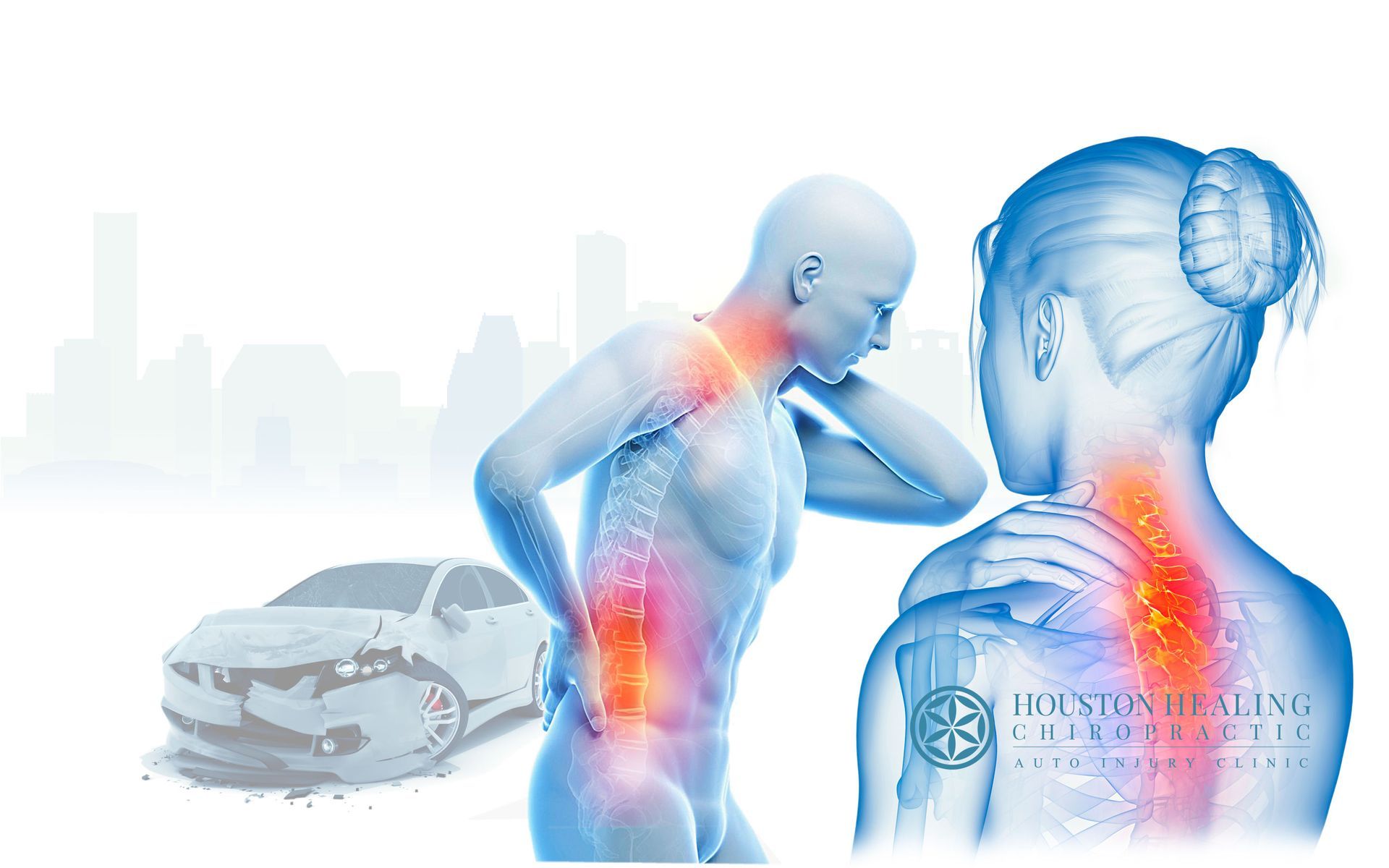
Navigating Care with an Auto Injury Doctor: A Guide to Post-Accident Medical Support
An auto injury doctor is a licensed healthcare professional—typically a chiropractor, orthopedic surgeon, or physical medicine specialist—who possesses specific experience in diagnosing and documenting injuries resulting from motor veh...
An auto injury doctor is a licensed healthcare professional—typically a chiropractor, orthopedic surgeon, or physical medicine specialist—who possesses specific experience in diagnosing and documenting injuries resulting from motor vehicle accidents. Their primary role is to provide targeted medical treatment while creating the precise, detailed clinical documentation necessary for insurance claims and potential legal proceedings.
Contents
Understanding the Role of an Auto Injury Specialist
When you are involved in a motor vehicle collision, your body often sustains trauma that is not immediately apparent. Unlike a standard primary care physician who manages chronic illnesses or routine check-ups, an auto injury doctor specializes in the mechanics of trauma. This includes identifying soft tissue injuries, whiplash, spinal misalignments, and hidden joint damage that may take hours or days to manifest symptoms.
These practitioners are distinct because they understand the intersection of medicine and legal documentation. In the event of a personal injury claim, your medical records serve as the foundation of your case. A general practitioner may treat the symptoms, but an auto injury specialist provides the "causation" narrative required by insurance adjusters, which links your specific current pain directly to the force of the collision.
Why Immediate Evaluation is Critical
One of the most common mistakes survivors of car accidents make is waiting until pain becomes unbearable before seeking medical attention. Adrenaline often masks the severity of injuries immediately following a crash. When you delay, you risk three significant complications:
- Medical Complications: Injuries such as internal bleeding, nerve impingement, or ligament tears can worsen significantly if left untreated, moving from manageable injuries to chronic, long-term disabilities.
- Documentation Gaps: Insurance companies frequently use delays in medical care to argue that your injuries were not caused by the accident but by a pre-existing condition or a subsequent event. Establishing a medical record within the first 24 to 72 hours is the most effective way to prove injury origin.
- Claim Denials: Many insurance policies, particularly those governed by Personal Injury Protection (PIP) laws, have strict notification requirements. Failing to see a doctor within a mandated timeframe can result in the forfeiture of your coverage benefits.
Identifying the Right Provider
Not every doctor is equipped to handle the requirements of an auto accident case. When searching for an auto injury doctor, look for providers who explicitly state they accept third-party insurance, PIP, or Letters of Protection (LOP).
Essential Checklist for Selecting a Provider
- Specialization: Does the clinic focus on musculoskeletal trauma? Look for chiropractic neurologists or orthopedic specialists.
- Documentation Standards: Are they familiar with writing narrative reports that satisfy insurance adjusters?
- Diagnostic Capability: Does the facility have on-site X-ray or MRI referral partnerships to ensure quick imaging?
- Availability: Can they accommodate acute injury appointments within 24 hours of your call?
| Feature | Primary Care Physician (PCP) | Auto Injury Specialist |
|---|---|---|
| Trauma Focus | Low (General wellness) | High (Kinetic energy injuries) |
| Legal Documentation | Basic records only | Detailed narrative reports |
| Appointment Wait | Often weeks | Priority for acute trauma |
| Billing Type | Standard health insurance | PIP, MedPay, and LOP |
Navigating Billing and Documentation
Medical costs following an accident can be overwhelming, but understanding how billing works can alleviate financial anxiety. Auto injury doctors often work with specific insurance vehicles that differ from your standard health insurance plan.
Common Payment Methods
- Personal Injury Protection (PIP): This is "no-fault" coverage required in many jurisdictions. It covers medical expenses regardless of who caused the accident.
- Medical Payments Coverage (MedPay): An optional coverage that pays for medical bills resulting from an accident, regardless of liability.
- Letter of Protection (LOP): In cases where you have retained an attorney, an LOP is a legal document where you agree to pay the doctor for services rendered out of the eventual settlement proceeds from your injury claim.
It is vital to discuss your financial options during the initial intake appointment. If you do not have health insurance or if your policy excludes accident-related treatment, verify that the clinic has experience working with attorneys or managing lien-based care.
The Diagnostic Process
Upon your first visit, an auto injury doctor will typically conduct a comprehensive structural and neurological exam. This is not a cursory look; it is a diagnostic deep dive.
- History Intake: You will be asked for a detailed account of the accident, including your position in the vehicle, the speed of impact, whether you saw the collision coming, and which body parts hit the vehicle interior.
- Physical Assessment: The doctor will check for range of motion, reflex responses, muscle strength, and inflammatory markers.
- Diagnostic Imaging: If your symptoms suggest internal damage, the doctor will order X-rays, CT scans, or MRIs. These are essential for detecting disc herniations or hairline fractures that do not show up on external physical exams.
- Treatment Plan: A custom recovery plan will be established. This may include manual adjustments, therapeutic exercises, localized physical therapy, or medication management to reduce swelling and pain.
Frequently Asked Questions
Does my health insurance cover visits to an auto injury doctor? While many health insurance plans cover accident-related care, some specifically exclude injuries covered by auto insurance policies. Always bring both your medical and auto insurance cards to the clinic so their billing department can coordinate the correct coverage.
What is a "narrative report" and why do I need one? A narrative report is a comprehensive document prepared by your doctor that summarizes your injuries, treatment, and prognosis. It connects the accident mechanics to your physiological symptoms, which is necessary for your attorney or an insurance adjuster to evaluate the value of your claim.
Can I see a doctor even if I don’t feel pain right now? Yes. Certain conditions, such as ligament damage or post-traumatic headaches, can take days or weeks to fully manifest. A doctor can perform a baseline examination to document your condition, which serves as vital evidence if symptoms do emerge later.
How long should I expect to be under care? Recovery time varies significantly based on the severity of the trauma. An auto injury doctor will monitor your progress at regular intervals, adjusting your treatment plan as you heal. They will provide periodic progress reports to your insurance provider or attorney to keep your claim file current.
Do I need a lawyer before seeing an auto injury doctor? No. You should seek medical attention as soon as possible, regardless of whether you have retained legal counsel. Your health and the immediate documentation of your injuries take precedence over legal strategy.
Next Steps After Your Initial Visit
Once you have completed your first evaluation, your immediate responsibility is consistency. Attend all scheduled follow-up appointments and strictly adhere to the therapeutic exercise protocols provided by your physician. Gaps in your medical records can be interpreted as evidence that you are "recovered" or that your injuries were not serious, which significantly undermines the strength of your claim. Keep a simple, dated diary of your pain levels and any physical limitations you encounter during your recovery to assist your doctor in updating your clinical file.
Image Gallery