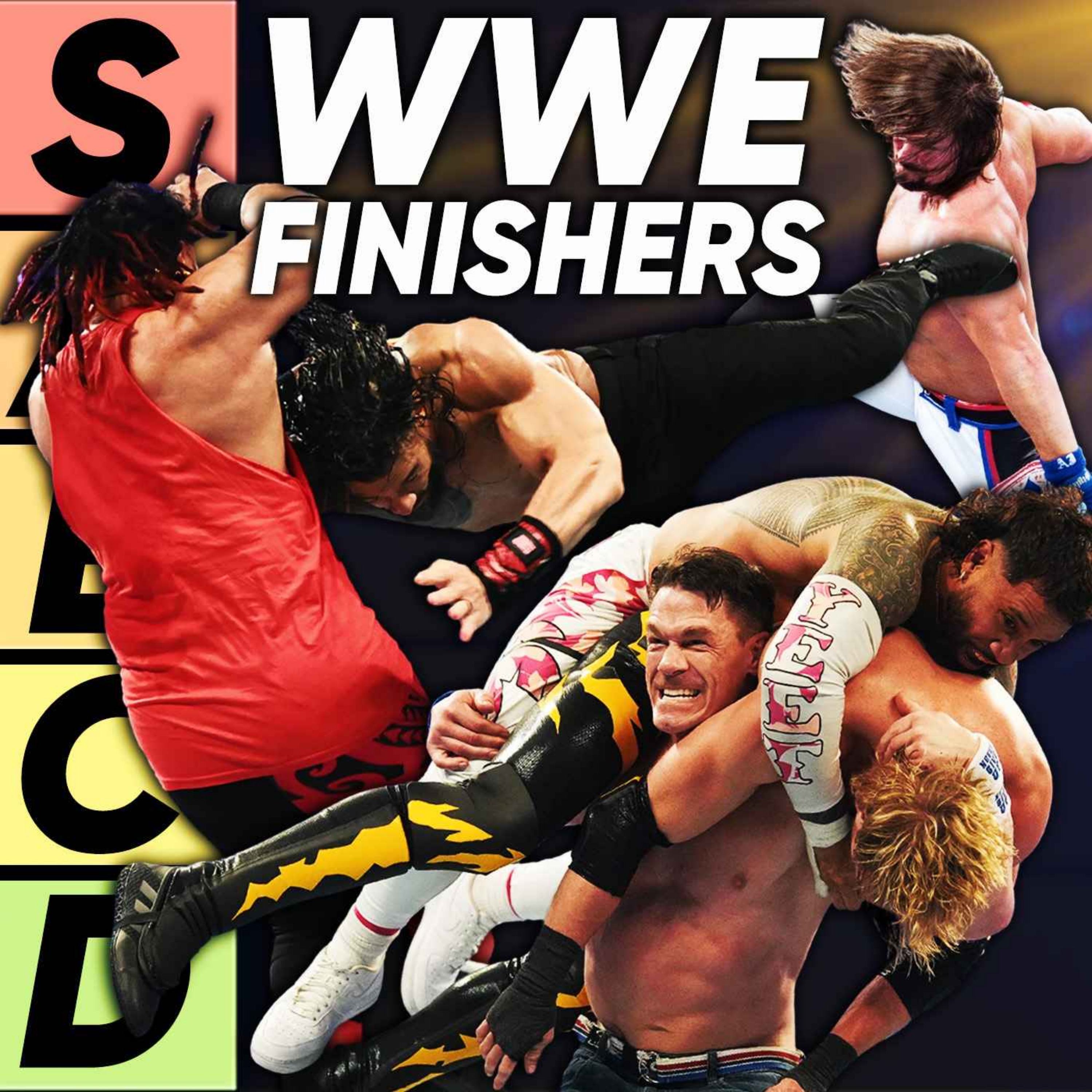
The Evolution and Impact of the Best WWE Finishers
The best WWE finishers are those that combine visual spectacle, psychological storytelling, and consistent credibility, effectively serving as the narrative climax of a match. These maneuvers are defined not just by their physical impa...
The best WWE finishers are those that combine visual spectacle, psychological storytelling, and consistent credibility, effectively serving as the narrative climax of a match. These maneuvers are defined not just by their physical impact, but by their ability to elicit crowd reactions, secure decisive victories, and define the career identity of legendary performers within the sports entertainment industry.
Contents
The Anatomy of an Iconic Finisher
In the context of WWE, a finisher is more than a move; it is a signature of professional identity. For a move to be considered "the best," it must satisfy three criteria: visual impact, believability, and thematic synergy.
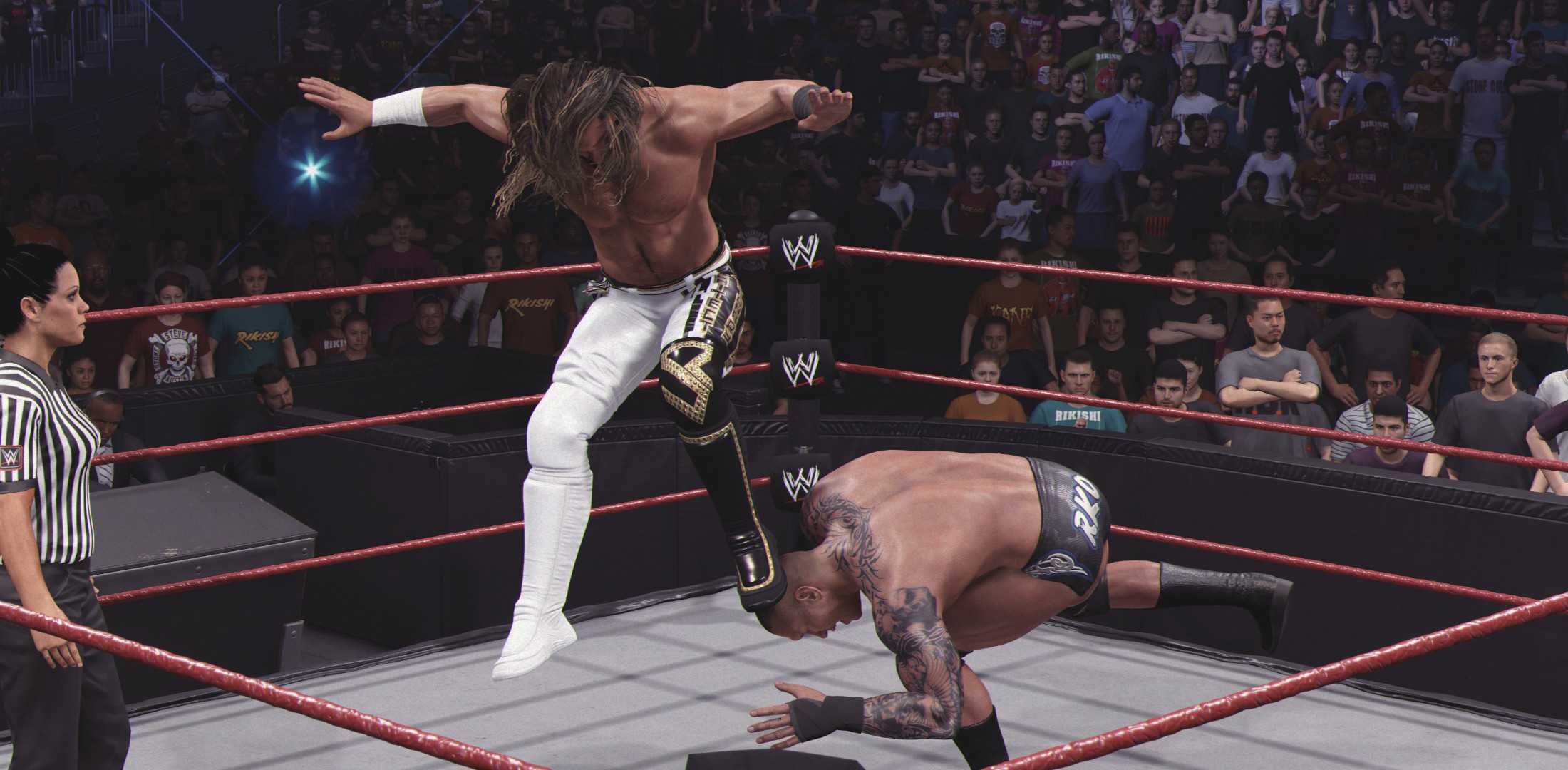
Visual impact refers to the camera-ready nature of the maneuver. A move like the RKO, for example, is highly valued because it can be executed from "out of nowhere," creating a sudden, high-energy transition from a standard exchange to a match-ending sequence. This unpredictability keeps the audience engaged, as they realize that at any moment—regardless of the physical state of the performer—a victory is possible.
Believability, or "workrate credibility," is the degree to which a move is perceived as a legitimate threat. While professional wrestling is a scripted performance, the suspension of disbelief relies on the audience accepting that a specific move has the capacity to "knock out" or incapacitate an opponent. This is often established through years of consistent booking, where a move successfully ends high-stakes matches against formidable opponents. When a performer rarely kicks out of a specific finisher, that move gains a reputation as being "protected," increasing its prestige.
Thematic synergy ties the finisher to the performer's persona. The Tombstone Piledriver is the quintessential example of this; it fits the supernatural and grim persona of The Undertaker perfectly. If a high-flying, comedic wrestler attempted to use a slow, methodical power move as their primary finisher, it would feel disjointed. The best finishers are extensions of the character's core identity.
Categorizing WWE Finishing Maneuvers
WWE finishers generally fall into several mechanical categories based on how they are delivered. Understanding these mechanics provides insight into why certain moves are more effective than others in a live production environment.
| Category | Description | Example | Primary Strength |
|---|---|---|---|
| Striking/Impact | Sudden, high-speed hits | Sweet Chin Music | Versatility and speed |
| Submission | Holds designed to force a tap-out | Figure-Four Leglock | Psychological dominance |
| Power/Strength | Display of athletic force | Jackhammer | Demonstrates physical superiority |
| Aerial/High-Risk | Attacks from the top rope | Frog Splash | Visual spectacle |
| Technical/Grapple | Complex leverage maneuvers | Pedigree | Strategic technical depth |
The Psychological Role of the "False Finish"
A critical element in the utility of a finisher is its role in the "near fall" or false finish. In modern wrestling, the best finishers are those that the audience believes should end the match. However, the pacing of a WWE main event often involves the tactical use of finishers to build tension.
When a wrestler hits their signature move and the opponent kicks out at two, it signals a shift in the match’s intensity. This creates a psychological pivot point where the stakes feel elevated. The move is not "weakened" by a kick-out; rather, the opponent’s resilience is amplified. The most effective finishers are those that maintain a high win-rate percentage over time, ensuring that when the move is finally successful, it feels like a definitive end to the competition.
Evolution of Finishers in the Modern Era
As of 2026, the presentation of WWE finishers has shifted toward higher-speed, high-impact maneuvers that translate well to short-form social media highlights. The industry has moved away from the slower, setup-heavy finishers of the 1980s and 90s in favor of moves that can be executed in transition or as counter-attacks.
This shift is driven by the need for "viral" moments. A move like the RKO or the Curb Stomp is visually concise, making it ideal for clipped replays. Furthermore, the modern WWE style prioritizes safety and efficiency. Performers are tasked with protecting their opponents’ health while still delivering the appearance of maximum impact. This has led to the refinement of traditional power moves into variations that rely on the opponent’s momentum rather than purely brute force.
Common Misconceptions Regarding Finishing Moves
A frequent debate among fans concerns the "value" of a finisher when used by multiple wrestlers. In the developmental stages of the sport, certain moves are adopted by younger talent as a tribute to predecessors. While this can sometimes lead to a dilution of the move’s uniqueness, it also serves as a pedagogical tool. Watching different wrestlers apply the same move—such as the Superkick or the DDT—highlights the importance of "execution style." Two wrestlers using the same maneuver can produce vastly different emotional reactions based on their timing, facial expressions, and the preceding sequence of events.
Another misconception is that the "best" finisher must be the most complex. On the contrary, simplicity is often superior. The most iconic moves in WWE history are often the simplest: a punch, a kick, or a basic slam. The complexity lies not in the biomechanics of the move itself, but in the narrative context established by the performers in the minutes leading up to the final blow.
Frequently Asked Questions
Why do some WWE superstars change their finishers throughout their careers? Superstars often change their finishers to adapt to new character personas or to mitigate physical wear and tear. A transition from an aerial move to a submission-based move often signifies a shift toward a more "grounded" or "veteran" in-ring style as a career progresses.
How is a finisher's impact measured in professional wrestling? Impact is measured through crowd engagement (the "pop" or reaction), the frequency of match-ending results, and the ability of the move to be executed safely under varying conditions. A successful finisher must be consistently repeatable without causing unnecessary risk to either participant.
What is a "protected" finisher? A protected finisher is one that is rarely kicked out of during high-profile matches. By keeping the kick-out rate low, the organization maintains the move’s status as a credible, fight-ending threat, which in turn elevates the status of the wrestler who uses it.
Are submission finishers considered inferior to impact finishers? No, submission finishers offer a unique narrative advantage. They allow for a "struggle" sequence where the opponent fights against the clock or the encroaching pain, which creates different pacing compared to an instantaneous impact move like a spear or a clothesline.
How has technology affected the presentation of finishers in 2026? High-definition production and advanced camera angles have allowed for a better capture of the physics involved in finishers. Producers now use specific camera framing to accentuate the speed and landing of impact moves, ensuring that the visual "weight" of the move is felt by the home viewer.
Developing Your Analysis
To evaluate the best WWE finishers effectively, look beyond the surface-level athleticism. Observe how the move is set up, the timing of the crowd’s anticipation, and how the move concludes the narrative arc of the match. Whether it is a devastating strike or a grueling submission, the best finishers are those that leave a lasting impression by perfectly encapsulating the character and intent of the performer. If you are analyzing a specific wrestler's arsenal, focus on the consistency of their signature move usage over the past three years to determine its current standing in their repertoire.
Image Gallery