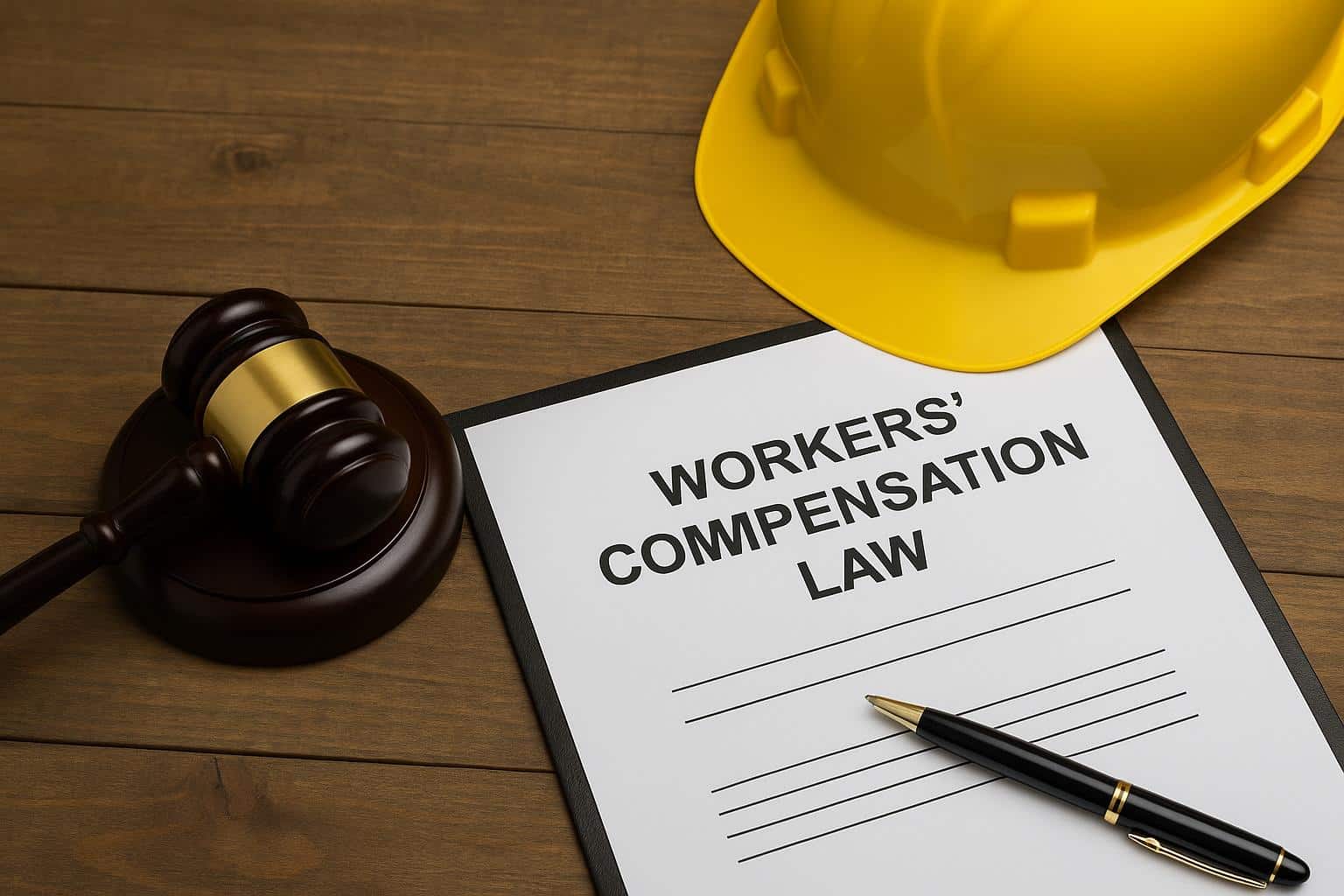
Navigating Workers' Compensation Claims with a North Carolina Lawyer in Raleigh
If you have sustained a work-related injury or occupational disease in Raleigh, hiring a North Carolina workers' compensation lawyer is often the most effective way to ensure your medical bills are covered and your lost wages are compe...
If you have sustained a work-related injury or occupational disease in Raleigh, hiring a North Carolina workers' compensation lawyer is often the most effective way to ensure your medical bills are covered and your lost wages are compensated. Navigating the North Carolina Industrial Commission (NCIC) requires strict adherence to filing deadlines, precise documentation, and a clear understanding of state statutes to protect your rights as an employee.
Contents
Understanding the North Carolina Workers’ Compensation System
The workers' compensation system in North Carolina is a "no-fault" insurance program. This means that if you are injured on the job, you generally do not need to prove that your employer was negligent. Instead, the focus is on whether the injury arose out of and in the course of your employment.
However, the "no-fault" nature of the system does not make the claims process simple. Insurance carriers frequently look for reasons to deny claims, such as alleging that an injury is degenerative rather than traumatic, or that the accident did not occur within the scope of work duties. A Raleigh-based attorney familiar with the nuances of local case law and the specific administrative procedures of the NCIC can help you overcome these hurdles by gathering necessary medical evidence and witness statements.
Why Legal Representation Matters in Raleigh
While you are not legally required to have an attorney to file a claim, many injured workers find the process overwhelming. The North Carolina Industrial Commission operates under specific administrative rules that can be difficult for laypeople to navigate.
An experienced lawyer provides value in several critical areas:
- Form Filing: Ensuring Form 18 (Notice of Accident) is filed within the mandatory timeframe.
- Medical Management: Dealing with the "authorized treating physician." In North Carolina, the employer’s insurance company often directs your medical care. A lawyer can intervene if you are being denied a second opinion or necessary specialists.
- Benefit Calculations: Calculating your Average Weekly Wage (AWW) correctly is vital. If this number is under-reported, your compensation checks will be lower than they should be.
- Mediation and Hearings: If a claim is denied, you may need to participate in an evidentiary hearing. Representing yourself against a seasoned insurance defense team is rarely advisable, as they are trained to minimize payouts.
The Lifecycle of a Workers’ Compensation Claim
Understanding the timeline of a claim helps you anticipate when you might need to engage legal assistance.
- Reporting: You must provide written notice to your employer within 30 days of the injury. Failure to do so can jeopardize your right to compensation.
- The Claim: Your employer files Form 19, and you should file Form 18 with the NCIC.
- The Investigation: The insurance carrier has a limited period to accept or deny the claim. During this time, they may request a recorded statement. It is strongly recommended to speak with a lawyer before giving any recorded statements to an adjuster.
- Medical Treatment: You are entitled to reasonable and necessary medical treatment. If the insurance company refuses to pay for a prescribed surgery or therapy, your lawyer will file a request for a hearing with the NCIC.
- Maximum Medical Improvement (MMI): Once your doctor determines you have reached MMI, they will assign a permanent partial disability (PPD) rating. This rating dictates the final settlement or benefit amount.
Comparison of Legal Support Scenarios
| Scenario | Risk Level | Benefit of Legal Counsel |
|---|---|---|
| Minor injury, clear employer acceptance | Low | Ensures AWW is calculated correctly; monitors for unfair discharge. |
| Claim denied due to "pre-existing condition" | High | Vital for obtaining medical testimony to link the injury to the workplace. |
| Disputed permanent disability rating | High | Necessary for medical expert cross-examination and maximizing settlement. |
| Third-party claim (e.g., equipment failure) | Moderate | Can pursue a civil personal injury claim alongside workers' comp. |
Common Mistakes to Avoid
One of the most frequent errors injured workers make is failing to document their symptoms or the accident details immediately. Every conversation with a supervisor should be followed by a written summary. Additionally, never ignore a "light duty" offer without discussing it with an attorney. If you refuse suitable work offered by your employer, the insurance company may legally stop your wage replacement checks.
Furthermore, do not rely solely on the advice of the employer's HR department or the insurance adjuster. While they may appear helpful, their primary objective is to manage costs for the insurance carrier, not to maximize your recovery.
The Role of the North Carolina Industrial Commission
The NCIC is the administrative agency that oversees the Workers' Compensation Act in North Carolina. They resolve disputes between employees and employers/insurers. If your case goes to a hearing, it will be heard by a Deputy Commissioner. Their decision can be appealed to the Full Commission and eventually to the North Carolina Court of Appeals. Because of this judicial structure, having an attorney who understands appellate precedents is a significant advantage if your case involves complex legal questions.
Frequently Asked Questions
How much does it cost to hire a workers' compensation lawyer? In North Carolina, workers' compensation attorneys typically work on a contingency fee basis. This means they are only paid a percentage of the settlement or recovery they secure for you, which is capped and regulated by the NCIC. You do not pay hourly fees out of pocket.
What if my employer refuses to report my injury? You should file the claim yourself using Form 18. Never wait for your employer to initiate the process if they are delaying. Document your attempts to notify them and reach out to a legal professional immediately to ensure the statute of limitations is not missed.
Can I be fired for filing a workers' compensation claim? North Carolina is an "at-will" employment state, but retaliatory discharge is illegal. If you are fired because you filed a workers' compensation claim, you may have grounds for a separate civil lawsuit against your employer for wrongful termination.
How long do I have to file a claim? Generally, you have two years from the date of the injury to file a claim with the NCIC. However, waiting this long can make it significantly harder to prove your case. Prompt reporting is always the best course of action.
Does my lawyer need to be based in Raleigh? While not strictly required by law, a Raleigh-based attorney is familiar with the local medical providers, the specific Deputy Commissioners who handle cases in the region, and the nuances of the local legal market. This local knowledge can be a strategic asset during negotiations.
Next Actions for Injured Workers
If you have been injured, your immediate priority should be your health and safety. After receiving medical care, gather all incident reports, names of witnesses, and records of communication with your employer. Once you have these documents, contact a qualified North Carolina workers' compensation lawyer. Many firms offer free consultations to evaluate whether your claim is being handled fairly by the insurance provider. Taking these steps early ensures that your evidence is preserved and your rights are protected throughout the recovery process.
Image Gallery