Navigating NJ Rehabs: An Overview of Treatment Options and Recovery Resources
Finding appropriate addiction treatment in New Jersey involves understanding the diverse landscape of licensed clinical facilities, varying levels of care, and the regulatory frameworks governing patient safety. In 2026, the state offe...
Finding appropriate addiction treatment in New Jersey involves understanding the diverse landscape of licensed clinical facilities, varying levels of care, and the regulatory frameworks governing patient safety. In 2026, the state offers a robust network of state-certified inpatient, outpatient, and community-based support services designed to address substance use disorders through evidence-based practices and professional clinical supervision.
Contents
Understanding the Levels of Care in New Jersey
Addiction treatment in New Jersey follows a continuum of care model, which ensures that individuals receive the intensity of treatment appropriate for their specific medical and psychological needs. This continuum is generally categorized by the clinical rigor required for stabilization and recovery.
- Medically Managed Detoxification: This is the initial stage for many individuals. It involves 24-hour medical supervision to manage withdrawal symptoms safely. Facilities providing this care in New Jersey are strictly regulated and must have medical staff on-site to handle potential physiological complications.
- Residential (Inpatient) Treatment: Patients live at the facility, providing a structured, distraction-free environment. Programs usually last between 30 and 90 days. During this time, the focus is on intensive group therapy, individual counseling, and life-skills training.
- Partial Hospitalization Programs (PHP): Often referred to as "day treatment," PHPs allow patients to receive intensive clinical care—often 6 to 8 hours a day—while returning home or to supportive housing in the evening. This is ideal for those who have completed detox but require high-level structure.
- Intensive Outpatient Programs (IOP): These programs involve a lower frequency of clinical hours, typically scheduled around work or family commitments. They focus on maintaining sobriety and preventing relapse through scheduled group and individual therapy sessions.
- Outpatient Services: The least intensive form of formal treatment, involving scheduled sessions once or twice weekly. This stage is primarily focused on long-term maintenance and managing post-acute withdrawal symptoms.
Regulatory Oversight and Licensing
New Jersey mandates that all facilities providing addiction treatment must be licensed by the New Jersey Department of Human Services (DHS), specifically under the Division of Mental Health and Addiction Services (DMHAS).
When evaluating a facility, prospective patients or their families should confirm the facility's current license status. The state maintains a searchable database of licensed providers. A licensed facility must adhere to specific clinical staffing ratios, safety protocols, and patient rights statutes. Facilities that claim to offer "rehab" but are not licensed by the state may lack the necessary medical oversight, clinical accreditation, and legal accountability required for patient safety.
Financial Considerations and Insurance Coverage
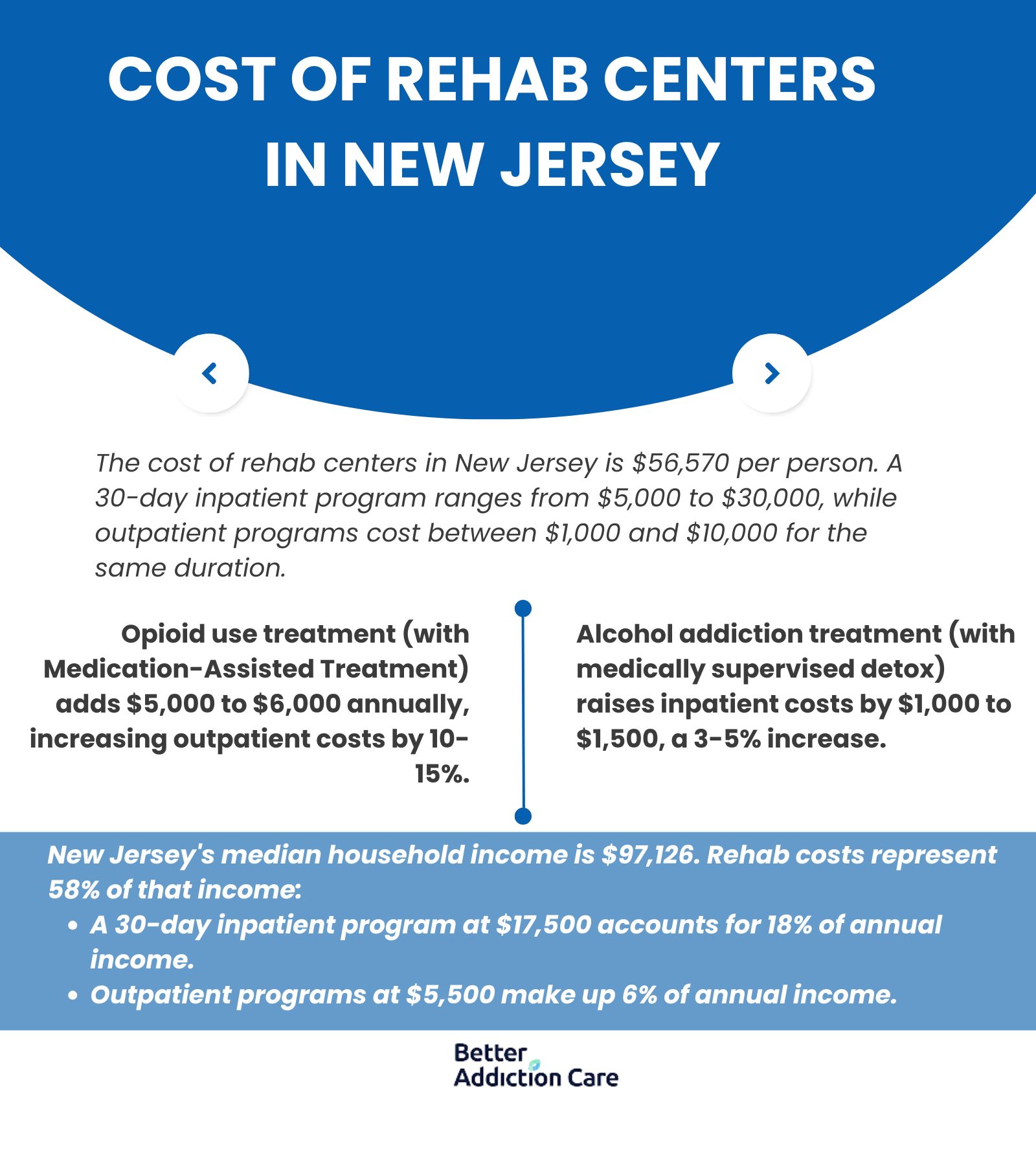
The cost of treatment at New Jersey rehabs varies based on the level of care, the length of the program, and whether the facility is private or state-funded. In 2026, insurance coverage remains the primary mechanism for managing these costs.
Under the Mental Health Parity and Addiction Equity Act, most health insurance plans are required to provide coverage for substance use disorders that is comparable to their coverage for medical and surgical services. However, prior authorization is frequently required. Patients are encouraged to contact their insurance provider directly to obtain a list of "in-network" facilities, which can significantly reduce out-of-pocket expenses.
For individuals without private insurance, New Jersey offers several state-funded programs. These are often managed at the county level through the County Boards of Social Services. These facilities may use a sliding-scale fee structure based on income, ensuring that essential treatment remains accessible regardless of financial status.
| Level of Care | Typical Intensity | Primary Setting |
|---|---|---|
| Inpatient Detox | 24/7 Medical Monitoring | Hospital or Specialized Clinic |
| Residential | 24/7 Supervision/Structured | Dedicated Rehab Facility |
| PHP | 20-30 Hours/Week | Clinical Center/Clinic |
| IOP | 9-19 Hours/Week | Clinical Center/Clinic |
| Outpatient | < 9 Hours/Week | Professional Office |
Selecting the Right Program
Choosing a facility is a significant personal decision that requires balancing clinical needs with practical constraints. Experts recommend considering the following criteria during the selection process:
- Accreditation: Look for facilities that hold accreditation from national bodies such as The Joint Commission or CARF International. These organizations apply rigorous standards that often exceed baseline state requirements.
- Evidence-Based Practices: Effective programs should utilize therapies proven to work, such as Cognitive Behavioral Therapy (CBT), Dialectical Behavior Therapy (DBT), and Medication-Assisted Treatment (MAT) where clinically indicated for opioid or alcohol use disorders.
- Aftercare Planning: A reputable program does not end when the patient leaves the facility. Strong programs provide a comprehensive discharge plan that includes connections to sober living arrangements, local support groups (e.g., AA/NA or SMART Recovery), and follow-up medical appointments.
- Staff Qualifications: Inquire about the credentials of the clinical staff. Look for licensed clinicians, including Licensed Alcohol and Drug Counselors (LADC), Licensed Clinical Social Workers (LCSW), or medical doctors with board certification in addiction medicine.
Common Misconceptions
One frequent error is the assumption that "luxury" amenities correlate with clinical effectiveness. While a high-end facility may provide a more comfortable environment, the quality of care is determined by the competency of the clinical staff and the effectiveness of the treatment modality, not the quality of the furniture or the location. Conversely, do not discount state-funded facilities; they are often staffed by highly experienced professionals who handle complex cases daily.
Frequently Asked Questions
Does New Jersey mandate insurance coverage for addiction treatment? Yes. Under both state and federal parity laws, most private insurance plans in New Jersey must cover substance use disorder treatment in a manner comparable to how they cover medical and surgical procedures. Always verify your specific benefits with your insurer before admission.
How do I verify if a rehab facility in NJ is legitimate? You can verify a facility's standing by searching the New Jersey Department of Human Services (DMHAS) online directory. Legitimate facilities will display their state license number and should be able to provide proof of their accreditation upon request.
What is the difference between state-funded and private rehabs? Private rehabs generally operate as for-profit or non-profit entities funded through insurance and private pay. State-funded rehabs receive government subsidies and are often county-managed. Both are subject to the same strict licensing and quality standards mandated by the New Jersey Department of Human Services.
Are family members allowed to participate in treatment? Many facilities in New Jersey encourage family involvement through family therapy sessions or educational programs. Research indicates that family support significantly improves long-term recovery outcomes.
What is Medication-Assisted Treatment (MAT)? MAT involves the use of FDA-approved medications, such as buprenorphine or naltrexone, in combination with counseling and behavioral therapies. It is the gold standard for treating opioid use disorder and is widely available throughout New Jersey's licensed facilities.
Recommendation for Next Steps
If you or a loved one are seeking treatment, the first step is to consult with a primary care physician or a licensed mental health professional who can conduct a clinical assessment. This assessment helps determine the appropriate level of care. Following the assessment, contact your insurance provider or the New Jersey Addiction Services Hotline (844-276-2777) to identify facilities that are currently accepting new patients and match your specific clinical and financial requirements. Do not wait for a crisis to occur; early engagement with professional resources is a key factor in successful recovery.
Image Gallery