Where to Stay in Montevideo Uruguay for Comfort and Budget
Finding where to stay in Montevideo, Uruguay for comfort and budget involves balancing historic charm, neighborhood safety, and walkability while keeping nightly rates reasonable. The best value typically lies in boutique hotels and pr...
Finding where to stay in Montevideo, Uruguay for comfort and budget involves balancing historic charm, neighborhood safety, and walkability while keeping nightly rates reasonable. The best value typically lies in boutique hotels and private apartments located in parts of Centro, Barrio Sur, or the quieter fringes of Pocitos and Punta Carretas, where travelers gain easy access to the coastline and cultural landmarks without paying premier beachfront prices.
Contents
Understanding Montevideo's Neighborhood Layout for Travelers
Montevideo is structured as a grid of diverse neighborhoods, or barrios, each offering a distinct atmosphere, architectural style, and safety profile. When seeking a balance between comfort and affordability, travelers must look beyond the most expensive postcard districts to find lodging that provides modern amenities without inflated tourist tariffs.
The city stretches along a massive urban waterfront known as the Rambla, a continuous coastal avenue that serves as Montevideo's social living room. Neighborhoods hugging the Rambla generally command higher prices, but stepping just two or three blocks inland often reveals substantial savings while maintaining proximity to the water. Understanding how these zones connect via public transit or walking paths is the first step toward securing an optimal base.
For comfort-conscious budget travelers, the goal is to identify areas that feature reliable infrastructure—such as stable Wi-Fi, modern heating and air conditioning, secure entry systems, and nearby cafes—while remaining economically sensible. The city's accommodation landscape ranges from century-old neoclassical hotels to minimalist modern aparthotels.
Best Neighborhoods Balancing Cost and Quality
Evaluating where to stay requires a close look at the specific characteristics of Montevideo's most accommodating districts for value-seekers.
Centro and Ciudad Vieja: Historic Charm and Value
Centro and Ciudad Vieja (the Old City) offer some of the most competitively priced accommodations in the capital. Architecture here leans toward grand 19th-century and early 20th-century styles, with many historic buildings converted into boutique hotels or guesthouses.
- Centro: Positioned along the bustling Avenida 18 de Julio, Centro puts visitors within walking distance of iconic sights like Plaza Independencia, the Solís Theatre, and numerous civic plazas. Accommodations here are heavily geared toward business travelers during the week, which frequently translates to lower weekend rates for leisure tourists. Comfort levels in mid-range hotels are high, featuring spacious rooms and traditional hospitality, though street noise can be an issue on main thoroughfares.
- Ciudad Vieja: The historic heart of the city transforms from a bustling commercial hub by day to a quiet, atmospheric enclave by night. Staying here places you steps away from the Mercado del Puerto, art galleries, and museums. While parts of Ciudad Vieja require standard urban vigilance after dark, quiet residential pockets offer excellent value apartments and small boutique properties.
Barrio Sur and Palermo: Cultural Soul and Bohemian Living
Sandwiched between the city center and the upscale eastern neighborhoods, Barrio Sur and Palermo provide an authentic, local experience at a lower price point than Pocitos or Punta Carretas.
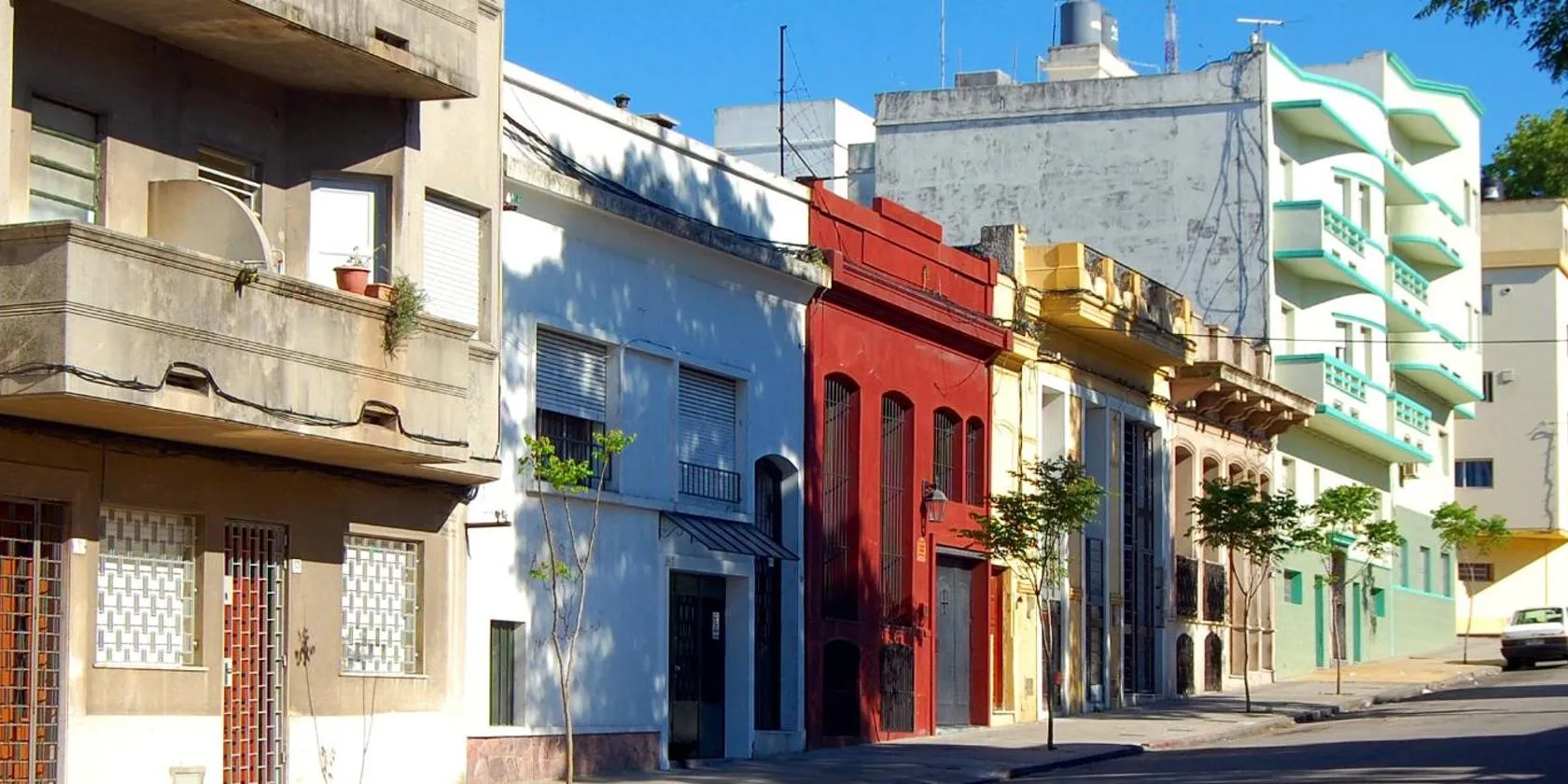
- Barrio Sur: Deeply tied to the roots of candombe (traditional Afro-Uruguayan drumming), this neighborhood features narrow streets, colorful row houses, and a strong community vibe. It sits directly against the Rambla, making sunset strolls effortless. Accommodations tend to be smaller guesthouses or Airbnb rentals managed by local residents.
- Palermo: Adjacent to Barrio Sur, Palermo features a similar bohemian character with tree-lined streets, independent cafes, and design studios. It is slightly quieter and attracts remote workers and digital nomads looking for long-term comfort on a moderate budget.
Pocitos and Punta Carretas: The Smart Splurge
While Pocitos and Punta Carretas are Montevideo's premier upscale residential and commercial districts, budget-conscious travelers can still find comfortable options by looking for smaller aparthotels or older, well-maintained buildings situated slightly away from the immediate coastal promenade.
- Pocitos: Famous for its sweeping urban beach, Pocitos offers exceptional walkability, high-end supermarkets, and a vast array of dining options. Staying a few blocks back from the beach drastically reduces nightly lodging costs while keeping all neighborhood conveniences within a five-minute walk.
- Punta Carretas: Known for the Punta Carretas Shopping mall (housed in a former panopticon prison), quiet residential blocks, and the picturesque Rambla walking paths, this area is exceptionally safe and pleasant. Securing a comfortable stay here on a budget requires booking well in advance or targeting shoulder-season travel windows.
| Neighborhood | Vibe & Character | Price Point | Best For | Walkability & Safety |
|---|---|---|---|---|
| Centro | Historic, bustling, architectural | Moderate to Low | Sightseers, weekend bargain hunters | High walkability; standard urban awareness needed |
| Ciudad Vieja | Colonial, artistic, quiet at night | Moderate to Low | Culture lovers, museum-goers | High daytime walkability; quiet after dark |
| Barrio Sur | Bohemian, local, musical | Low to Moderate | Authentic cultural immersion | Good walkability along the Rambla |
| Palermo | Trendy, relaxed, residential | Moderate | Remote workers, long stays | Excellent neighborhood feel and safety |
| Pocitos (Inland) | Modern, beach-adjacent, active | Moderate to High | Beach lovers, food enthusiasts | Superior infrastructure and safety |
Types of Accommodations Offering Comfort on a Budget
Choosing the right property type dictates how much comfort you receive relative to your expenditure. Montevideo features several distinct lodging categories suited to value seekers.
Aparthotels and Serviced Apartments
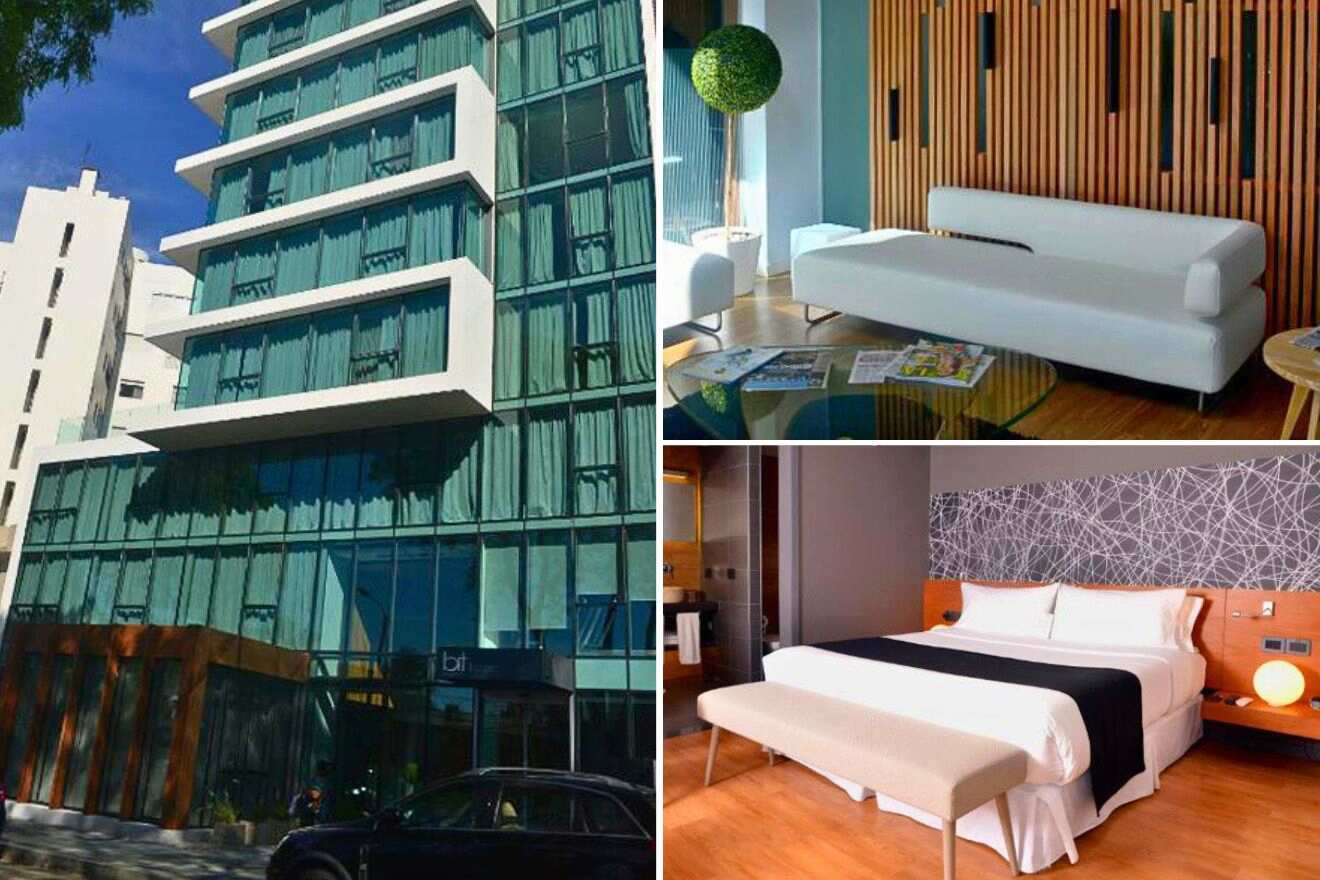
For travelers prioritizing space, self-catering facilities, and reliable workspaces, aparthotels represent the optimal middle ground. These properties combine hotel amenities—such as front desk support, daily or weekly cleaning, and secure building access—with apartment-style kitchenettes and separate living areas. They are particularly prevalent in Centro, Pocitos, and Punta Carretas, offering competitive weekly and monthly rates that lower the effective nightly cost.
Traditional Mid-Range Hotels
Montevideo has a rich inventory of established, locally owned mid-range hotels. While they may lack the ultra-modern minimalism of newer chain properties, they frequently compensate with larger room sizes, classic furnishings, high ceilings, and exceptional staff service. When booking traditional hotels in the city, verify whether breakfast is included in the rate, as starting the day with a traditional Uruguayan breakfast (café con leche and medialunas) adds substantial value.
Boutique Guest Houses and B&Bs
Travelers seeking personality and local insight often find the best balance of comfort and budget in restored historic townhouses operating as bed and breakfasts. Particularly prominent in Ciudad Vieja and Palermo, these properties are usually managed by owners who provide personalized recommendations regarding local dining, transport, and safety, enhancing the overall travel experience without luxury pricing.
Cost Considerations and Seasonal Fluctuations
Understanding local pricing dynamics helps travelers secure the best possible rates for their Montevideo stay.
Uruguay is generally considered one of the more economically stable and higher-cost destinations in South America. Consequently, budget accommodation does not mean rock-bottom hostel pricing; rather, it refers to high-value properties that maximize comfort per dollar spent.
Seasonal timing heavily influences availability and cost:
- High Season (December to February): South American summer brings peak beach tourism, particularly from neighboring Argentina and Brazil. Accommodation prices in coastal areas like Pocitos surge, and advanced booking is mandatory.
- Shoulder Season (March to May and September to November): These months offer mild weather, fewer crowds, and significantly discounted rates across all neighborhoods. This is the prime window for comfort-focused budget travelers.
- Low Season (June to August): Winter in Montevideo brings cooler, windier coastal weather. While indoor heating becomes a critical amenity to verify before booking, hotel rates reach their annual lows, making luxury-adjacent properties accessible on tighter budgets.
Furthermore, international visitors paying with foreign credit or debit cards at restaurants, car rentals, and certain tourist services often benefit from government-backed VAT reductions (IVA reductions), though checking current tax incentive structures prior to arrival is always recommended.
Practical Tips for a Comfortable and Secure Stay
Maximizing comfort while maintaining a budget involves practical operational strategies before and during your stay in Montevideo.
- Verify Heating and Cooling: Because Montevideo experiences distinct seasons—ranging from humid summers to chilly, damp winters—always confirm that your chosen accommodation features effective air conditioning and reliable heating (such as split AC units or radiators). Older historic buildings can retain cold air during winter months.
- Confirm Wi-Fi Reliability: If you are a remote worker or need dependable internet, read recent reviews specifically mentioning connection stability, or message property managers directly to ask for upload and download speed verifications.
- Assess Transportation Access: Ensure your lodging is within a comfortable walking distance of frequent bus lines (bondis) or major taxi routes. Montevideo has an extensive, affordable municipal bus network that connects all major neighborhoods efficiently.
- Practice Standard Urban Safety: Montevideo is widely regarded as one of the safest capitals in Latin America, but petty theft and car break-ins do occur. Choose accommodations with secure entry, 24-hour reception, or safe deposit boxes for peace of mind.
Frequently Asked Questions
Which neighborhood is best for first-time visitors on a budget?
Centro is generally the best starting point for first-time visitors seeking budget comfort. It places you centrally between the historic old town and the eastern beaches, offers abundant mid-range hotel choices, and provides straightforward access to public transportation and museums.
Is it safe to walk around Montevideo neighborhoods at night?
Main commercial corridors, major avenues, and the Rambla are generally safe and frequently populated in the evening, particularly in Pocitos, Punta Carretas, and parts of Centro. However, quieter residential streets in Ciudad Vieja and Barrio Sur require standard urban caution after dark, and consulting local hosts regarding specific blocks is always advisable.
Are Airbnb rentals common and reliable in Montevideo?
Yes, private apartments listed on platforms like Airbnb are widespread across Pocitos, Punta Carretas, and Palermo. They are ideal for travelers seeking kitchen facilities and residential living, though guests should carefully review cancellation policies and verify building security features before confirming.
How much should I expect to pay for a comfortable mid-range hotel in Montevideo?
Comfortable mid-range hotels and quality aparthotels typically range from $50 to $90 USD per night, depending on the season, exact neighborhood, and inclusion of breakfast. Substantial discounts are frequently available for multi-week stays.
Do I need to rent a car when staying in Montevideo?
Renting a car is unnecessary if your stay is confined to Montevideo. The city is highly walkable, boasts an extensive and inexpensive public bus network, and rideshare applications operate reliably throughout the urban core, saving you both rental fees and city parking costs.
Conclusion and Next Action
To secure the ideal stay in Montevideo for comfort and budget, focus your search on inland pockets of Pocitos for beach proximity, or explore the architectural value of Centro and Palermo for cultural immersion. Begin by mapping out your daily itinerary priorities, filtering for properties with verified climate control and strong connectivity, and booking during the shoulder months of autumn or spring to maximize your financial value.
Image Gallery