Understanding the Professional Success and Estimated Net Worth of Dominique Ansel
Dominique Ansel’s net worth is a reflection of his status as a world-renowned pastry chef and entrepreneur, built through decades of rigorous culinary training and the commercial success of his global bakery brand. While his exact priv...
Dominique Ansel’s net worth is a reflection of his status as a world-renowned pastry chef and entrepreneur, built through decades of rigorous culinary training and the commercial success of his global bakery brand. While his exact private wealth remains undisclosed, his earnings are derived from the operations of Dominique Ansel Bakery, international licensing, cookbook authorship, and various high-profile brand collaborations.
Contents
The Foundation of Culinary Success
To understand the financial standing of Dominique Ansel, one must first look at the trajectory of his professional career. Born in Beauvais, France, Ansel began his culinary education at age 16. His early years were defined by intense technical training, eventually leading him to the prestigious Fauchon in Paris. During his time there, he served as the head of international expansion, a role that provided him with critical experience in scaling a French culinary brand across global markets.
This period was foundational. It taught Ansel not just the art of pastry, but the logistical requirements of maintaining high standards at scale. When he moved to New York City to become the executive pastry chef at Daniel—the flagship restaurant of Daniel Boulud—he gained further visibility and expertise in managing the operations of a Michelin-starred establishment. These professional experiences served as the R&D phase for his eventual venture, providing him with the reputation and industry network necessary to secure capital and real estate in the highly competitive New York hospitality market.
Establishing the Brand: Dominique Ansel Bakery
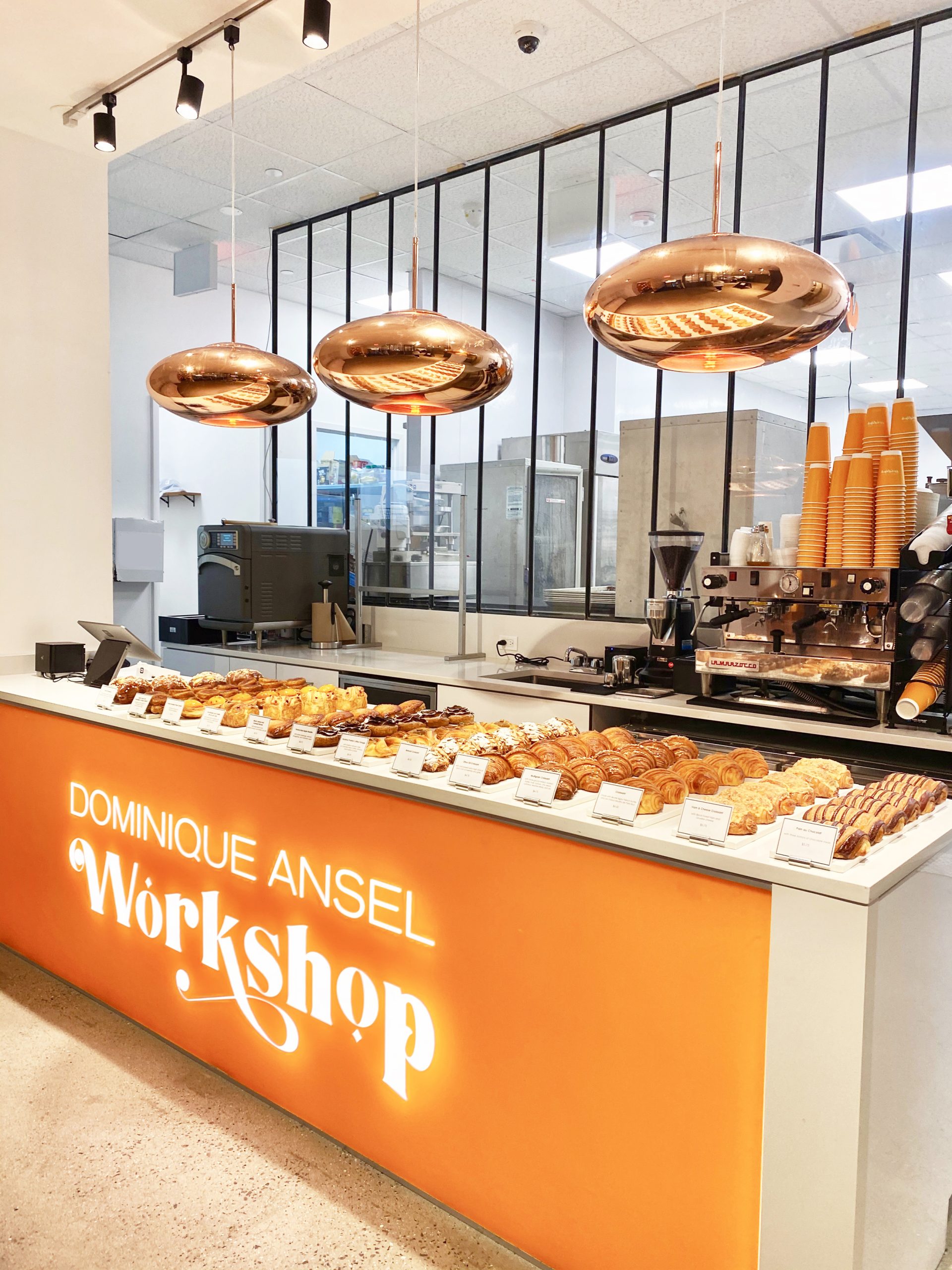
The primary engine behind Ansel’s professional success is the establishment of his eponymous bakery in SoHo, New York City, in 2011. The bakery became a global phenomenon almost overnight, largely due to the viral success of the "Cronut," a trademarked pastry that blended a croissant with a doughnut.
From a business perspective, the Cronut was a masterclass in product differentiation and supply chain management. By creating a product that was labor-intensive and produced in limited quantities, Ansel managed to generate a queue that wrapped around the block daily for years. This "scarcity model" is a significant driver of brand equity. Unlike traditional bakeries that rely on high-volume, low-margin turnover, the Dominique Ansel brand commands premium pricing and benefits from high-velocity brand recognition. This allows for higher margins on specialty items and reduces the marketing spend required to maintain customer acquisition, as the brand effectively markets itself through constant social media engagement and global press coverage.
Revenue Streams and Business Model
Dominique Ansel’s income is not derived from a single source; rather, it is diversified across several business verticals that capitalize on his personal brand and intellectual property.
1. Retail Operations
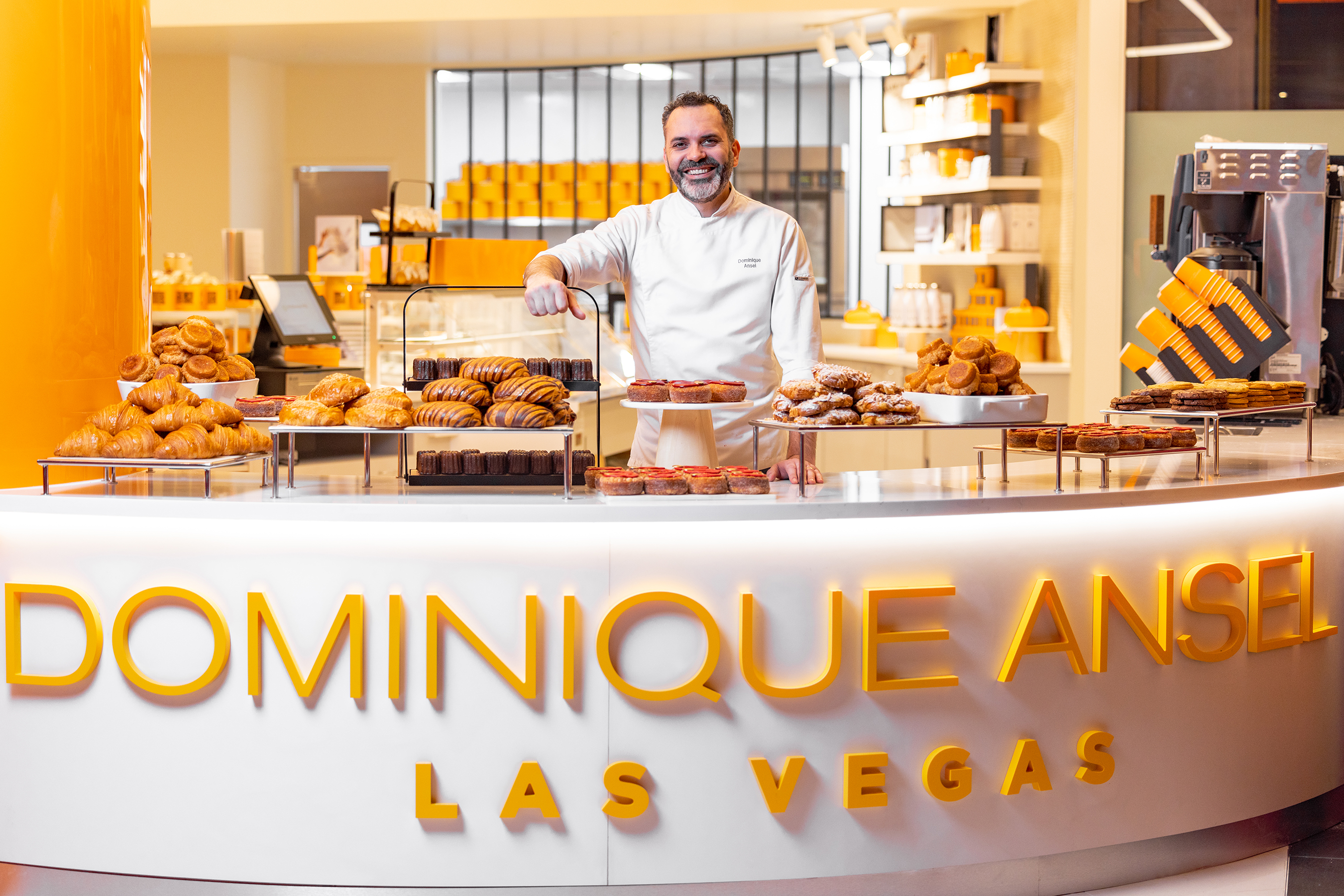
The core of the business remains the retail bakery locations. While the SoHo flagship is the most famous, Ansel has operated locations in various international markets, including Tokyo and London. These locations operate on a model that emphasizes high-traffic, high-cost urban real estate, which is balanced by high-price-point offerings.
2. Intellectual Property and Licensing
A major component of the business involves the protection of intellectual property, most notably the "Cronut." By trademarking his inventions, Ansel has been able to defend his brand against copycats and leverage the exclusivity of his creations. This IP protection is a vital, non-tangible asset that contributes significantly to the overall valuation of his business interests.
3. Publishing and Media
Ansel is the author of several successful cookbooks, such as Dominique Ansel: The Secret Recipes and Everyone Can Bake. These publications serve two purposes: they generate direct royalty income and they act as long-form marketing collateral that cements his status as an authority in the field, further increasing his leverage in high-end brand partnerships.
4. Brand Collaborations
Over the years, Ansel has engaged in partnerships with luxury brands and consumer goods companies. These partnerships often involve bespoke product creation, pop-up events, and marketing campaigns. Such collaborations are typically high-margin revenue streams that require significantly less overhead than physical retail operations.
Comparative Industry Standards for Executive Chefs
When analyzing the net worth of a chef at Ansel’s level, it is important to distinguish between "celebrity chef" status and "entrepreneurial" success. Many chefs derive income from television appearances and restaurant management contracts, which often come with lower equity participation.
Ansel, by contrast, operates as a founder-owner. His model is more closely aligned with that of a private business owner in the luxury food sector. Unlike chefs who rely on investors to build their restaurants, Ansel has maintained significant control over his brand’s identity. The table below outlines how various revenue streams contribute to the financial profile of a high-end culinary entrepreneur:
| Revenue Stream | Typical Margin | Scalability | Key Risk Factor |
|---|---|---|---|
| Retail Bakery | Moderate (10-15%) | Low (Labor intensive) | Real estate/Labor costs |
| Licensing/IP | Very High (80%+) | High | Brand dilution |
| Book Royalties | Moderate (10-15%) | Low/Medium | Audience reach |
| Brand Partnerships | High (60%+) | Medium | Brand alignment |
Challenges and Operational Constraints
No discussion of financial standing in the culinary industry is complete without addressing the realities of the business. Running a luxury bakery in major global cities like New York, London, or Tokyo entails extreme overhead. Rent, specialized labor (expert pastry chefs), and the cost of raw, high-quality ingredients consume a significant portion of gross revenue.
Furthermore, the "viral" business model presents a unique challenge: sustainability. Maintaining relevance in the food world requires constant innovation. If a chef relies too heavily on one signature product, they risk brand stagnation. Ansel has navigated this by diversifying his offerings and moving into more stable, premium markets, such as his focus on high-end hotels and residences. These B2B (business-to-business) relationships often offer more predictable cash flow than traditional B2C (business-to-consumer) retail, where consumer trends can shift rapidly.
Financial Planning and Long-Term Value
For an entrepreneur in this position, net worth is often tied to the valuation of their company in the event of a potential acquisition or partnership. Throughout 2026, the focus for top-tier culinary brands remains on brand preservation. Ansel’s strategy has favored a slow-and-steady approach to expansion, avoiding the rapid, over-leveraged growth that has caused many restaurant groups to collapse in recent years. By maintaining a balance between high-visibility retail and exclusive, premium-service offerings, the brand protects itself against market volatility.
Frequently Asked Questions
Does Dominique Ansel still own his bakeries? Yes, Dominique Ansel remains the primary force behind his brand. He has successfully navigated the complexities of scaling his business while maintaining the creative control that allowed him to build his reputation.
How much does the "Cronut" contribute to his total wealth? The Cronut is the primary driver of brand awareness, which indirectly drives all other income streams. While the product generates direct revenue, its greater financial value lies in its role as a proprietary, trademarked asset that differentiates Ansel from all other pastry chefs in the market.
Is Dominique Ansel’s net worth public? No, his net worth is not publicly disclosed. As a private business owner, he is not required to file the public financial disclosures associated with publicly traded corporations. Estimates of his wealth are often speculative and do not account for private debt, operational overhead, or the valuation of his intellectual property.
What is the primary factor in his business success? The primary factor is his ability to blend high-level culinary technique with a clear understanding of branding and intellectual property management. He treats his food as both an art form and a protected, scalable commercial product.
How has the culinary industry changed his revenue model? The industry has moved toward valuing "experience" and "exclusivity." Ansel has adapted by focusing on high-end partnerships and unique, limited-time offerings that prevent his brand from becoming a commodity, allowing him to maintain higher price points even as competitive pressures in the food industry rise.
Next Steps for Financial Research
For those interested in the business side of the culinary arts, the best way to track the success of figures like Dominique Ansel is to monitor his partnerships and expansion announcements. Rather than focusing on speculative net worth figures, track his participation in corporate ventures and the geographical footprint of his retail operations. These operational moves are the most accurate indicators of a culinary brand’s health and the financial trajectory of its founder.
Image Gallery