The Nice Things People Do in Daily Life: Everyday Acts of Kindness and Their Impact
The nice things people do in daily life range from simple micro-actions—such as holding open a door, offering a genuine compliment, or yielding in traffic—to dedicated support like checking on an elderly neighbor or assisting a colleag...
The nice things people do in daily life range from simple micro-actions—such as holding open a door, offering a genuine compliment, or yielding in traffic—to dedicated support like checking on an elderly neighbor or assisting a colleague. These everyday acts of kindness reduce social friction, strengthen community bonds, and provably boost psychological well-being for both the giver and the receiver.
Contents
Understanding Everyday Prosocial Behavior
In contemporary psychology and sociology, the nice things people do in daily life are formally categorized as everyday prosocial behaviors. Unlike extraordinary acts of heroism or major philanthropic donations, everyday kindnesses are low-cost, high-frequency actions embedded into routine human interactions. They require minimal resources yet yield significant returns in emotional stability and social cohesion.
Human interactions are governed by implicit social contracts. When individuals perform small, considerate actions, they signal mutual respect and shared safety within a community. Research published by organizations such as the American Psychological Association consistently demonstrates that engaging in prosocial behavior releases neurotransmitters like oxytocin and dopamine. This neurobiological response, often referred to as the "helper's high," lowers systemic cortisol levels and decreases self-reported feelings of isolation.
Everyday micro-kindnesses function as social lubricants. In dense urban environments or high-stress workplaces, small considerate acts prevent interpersonal friction from escalating into chronic conflict. By understanding the functional categories of these actions, individuals can deliberately integrate them into their personal and professional routines.
Core Categories of Everyday Micro-Kindnesses
Everyday acts of kindness manifest across several distinct domains of life. Categorizing these behaviors helps identify simple opportunities to practice prosocial habits without overwhelming one's daily schedule or personal energy reserves.
Everyday Prosocial Domains:
- Interpersonal & Verbal (Compliments, Active Listening)
- Operational & Physical (Holding doors, Yielding traffic)
- Digital & Environmental (Small business reviews, Tidying shared spaces)
1. Interpersonal and Verbal Micro-Affirmations
Verbal kindnesses cost nothing but carry substantial emotional weight. These actions validate another person's presence, effort, or dignity:
- Offering Specific Compliments: Acknowledging a colleague's attention to detail on a project or expressing appreciation for a front-line worker's efficiency goes beyond superficial politeness.
- Active and Uninterrupted Listening: Giving someone undivided attention during a brief conversation—putting down a smartphone and maintaining eye contact—signals high social value.
- Expressing Timely Gratitude: Sending a quick text message to thank a friend for past support or leaving a written note for a delivery driver reinforces positive social ties.
2. Operational and Physical Assistance
Physical micro-actions streamline the movement and comfort of others in shared public spaces:
- Holding Elevator Doors or Entryways: Pausing for five seconds to hold a heavy door for someone carrying groceries or pushing a stroller prevents minor physical strain.
- Yielding Space in Transit and Traffic: Allowing another driver to merge smoothly into a busy lane or offering a seat to a tired commuter on public transportation reduces shared environmental stress.
- Assisting with Heavy Objects: Helping a stranger lift a suitcase into an overhead luggage rack or helping retrieve an out-of-reach item in a grocery store.
3. Digital and Remote Kindness
As daily life increasingly intersects with digital platforms, prosocial behavior extends to online environments:
- Leaving Detailed Positive Reviews: Writing a thoughtful, five-star review for a locally owned small business directly impacts their economic stability and morale.
- Amplify Others' Achievements: Sharing a peer's professional accomplishment, creative portfolio, or job search post on networking platforms like LinkedIn expands their reach.
- Refraining from Online Hostility: Deliberately choosing not to post a snide comment or escalate an online argument is an underappreciated form of digital consideration.
4. Shared Environmental Stewardship
Caring for shared spaces reflects respect for community members who will use the area next:
- Returning Shopping Carts: Taking thirty seconds to return a grocery cart to its designated corral prevents damage to parked vehicles and assists store staff.
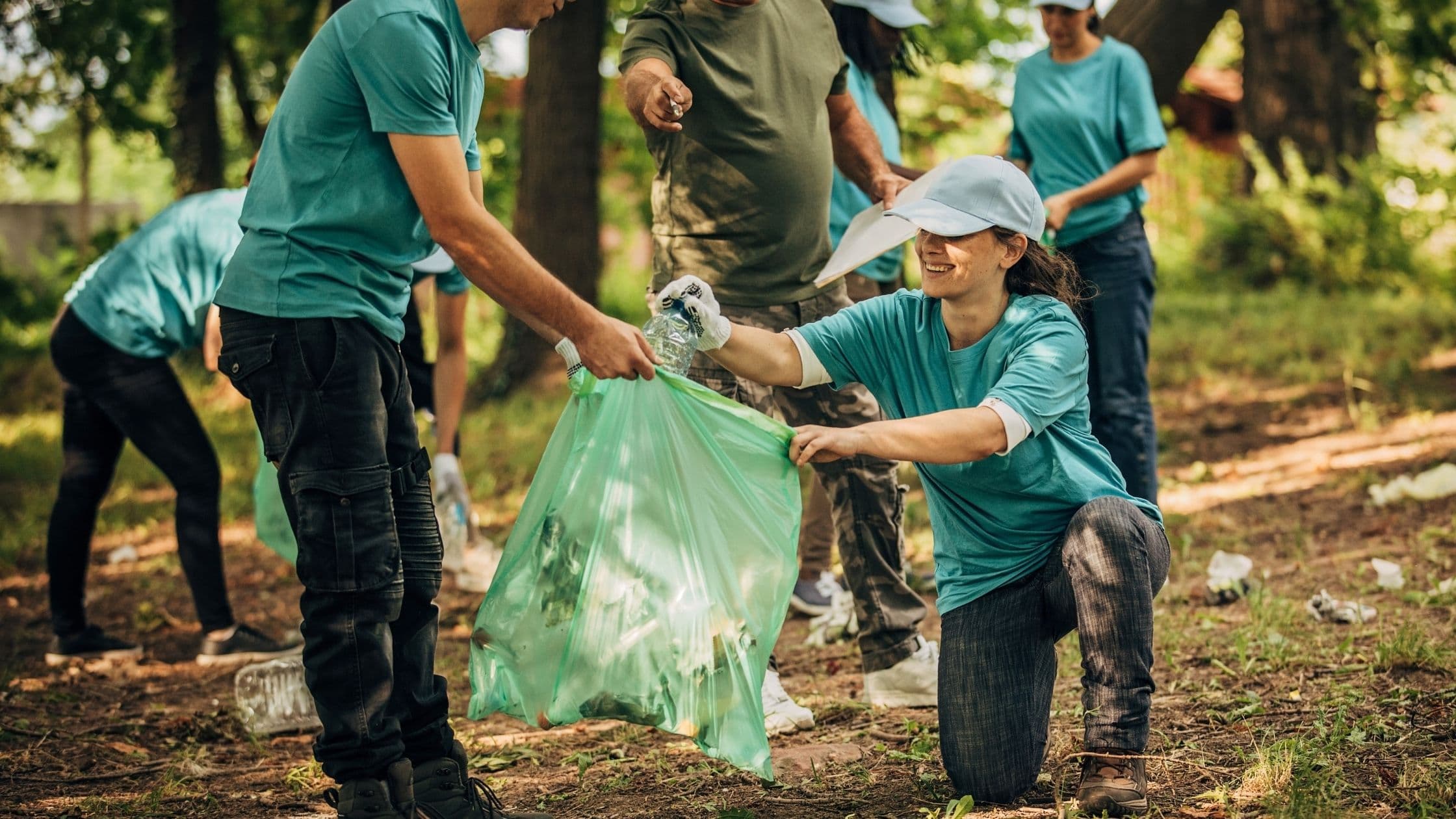
- Cleaning Up Shared Amenities: Wiping down a communal office coffee station, picking up stray litter in a public park, or restocking a community food pantry.
Comparing Types of Everyday Prosocial Actions
Different acts of kindness require varying levels of effort, context, and intentionality. The table below outlines how common everyday actions function across operational contexts:
| Action Category | Specific Daily Example | Resource Required | Primary Recipient Impact | Psychological Benefit to Giver |
|---|---|---|---|---|
| Micro-Validation | Giving a genuine compliment to a service worker | Minimal (5–10 seconds) | Immediate mood elevation; reduced burnout | Increases empathy and present-moment awareness |
| Physical Utility | Holding space in traffic or public transit | Low (15–30 seconds) | Reduced logistical friction and stress | Promotes patience and emotional self-regulation |
| Community Stewardship | Returning loose shopping carts or picking up trash | Low to Moderate (1–2 minutes) | Cleaner, safer shared public spaces | Enhances civic pride and sense of ownership |
| Relational Support | Checking in on an elderly neighbor or sick friend | Moderate (5–15 minutes) | Decreased social isolation; actionable help | Fosters deep community connectedness |
| Digital Advocacy | Writing a positive local business review | Moderate (3–5 minutes) | Economic support and improved visibility | Converts passive consumption into positive impact |
The Ripple Effect: How Small Actions Influence Community Dynamics
The psychological impact of everyday kindness extends far beyond the immediate interaction between two people. Behavioral scientists term this phenomenon prosocial contagion. When an individual experiences or witnesses an unprompted act of kindness, their brain experiences elevated levels of moral elevation—a warm, uplifting feeling that statistically increases the likelihood that they will perform a prosocial act for someone else later that day.
- Person A Performs Small Kindness
- Person B Experiences Uplift
- Person B Helps Person C in Traffic
- Community Baseline Stress Drops
In urban design and sociology, small acts of daily consideration act as a countermeasure against the "broken windows" effect. When shared spaces are treated with care and strangers interact with routine courtesy, community members perceive their environment as safer and more supportive. This perceived safety directly lowers baseline anxiety levels across neighborhoods and workplaces.
Furthermore, everyday kindness acts as a crucial buffer against societal burnout. In high-tempo operational environments—such as hospitals, corporate offices, and educational institutions—routine acts of micro-support buffer against emotional exhaustion. A quick check-in from a colleague or a shared hot beverage can transform an otherwise hostile work atmosphere into a collaborative environment.
Practical Guidance: Integrating Prosocial Habits into Daily Routines
While most people value kindness, busy daily routines often lead to passive disengagement. Converting good intentions into habitual action requires structured awareness and deliberate practice.
Step 1: Conduct a Daily Interaction Audit
Identify the moments in your routine where you naturally cross paths with others. Common contact points include morning coffee runs, public transit commutes, team stand-up meetings, or evening neighborhood walks. Assigning a mental prompt to these moments reminds you to look for small ways to assist or acknowledge others.
Step 2: Practice "Micro-Interventions"
Start with actions that take less than 60 seconds and cost no money:
- The Eye-Contact Smile: Make brief, warm eye contact with service workers, neighbors, or passing pedestrians rather than staring at a smartphone.
- The Open Lane: Deliberately leave space in front of your vehicle during heavy traffic to allow others to turn or merge.
- The Instant Thank-You: When someone performs a routine task for you, express appreciation with specific detail (e.g., "Thank you for getting those files updated so quickly").
Step 3: Establish Personal Boundaries to Prevent Burnout
Prosocial behavior must remain sustainable. Authentic kindness requires emotional and physical energy; overextending oneself leads to resentment or compassion fatigue.
- Respect your bandwidth: You do not need to solve every problem you encounter. Low-effort micro-kindnesses are often more sustainable than high-effort commitments.
- Keep kindness selfless: Expecting immediate praise, social media validation, or reciprocal favors converts a prosocial act into a transactional maneuver, diminishing its psychological benefits.
- Respect recipient autonomy: Ensure that offered help is actually welcome. For instance, ask "May I help you with those bags?" before taking action, allowing the recipient to maintain control.
Common Missteps in Daily Kindness
Even well-intentioned actions can cause discomfort or inconvenience if executed without situational awareness. Avoiding common errors ensures that prosocial acts achieve their intended positive outcome:
- Unrequested Over-Intervention: Imposing assistance on someone who prefers to handle a task independently can feel patronizing. Always offer assistance verbally before stepping in.
- Performative Generosity: Documenting good deeds on social media platforms can shift the focus from the recipient's dignity to the giver's public image. True daily kindness prioritizes the recipient's comfort over personal recognition.
- Ignoring Personal Space and Social Cues: Not everyone desires verbal interaction. Reading non-verbal cues—such as wearing headphones or maintaining physical distance—is essential. Sometimes, the kindest action is giving someone quiet space.
- Neglecting Intimate Relationships: It is surprisingly common for individuals to show exemplary courtesy to strangers while neglecting basic kindness toward household members or long-term partners. Ensure everyday prosocial habits start at home.
Frequently Asked Questions
What are the psychological benefits of performing daily acts of kindness?
Engaging in regular prosocial behavior triggers the release of oxytocin, dopamine, and endorphins while lowering cortisol levels. Studies indicate that individuals who regularly practice small acts of kindness experience reduced stress, lower rates of anxiety, improved cardiovascular health, and an elevated sense of personal purpose.
How can I be kind if I am introverted or have limited energy?
Kindness does not require loud, highly social interactions. Introverted individuals can practice low-energy micro-kindnesses, such as holding open doors, leaving generous tips, writing brief positive reviews online, picking up litter, or yielding space in traffic. These actions require zero social small talk while remaining highly impactful.
What is the difference between being nice and being kind?
Being "nice" often refers to surface-level politeness, conflict avoidance, and adhering to social etiquette, which can sometimes be passive or superficial. Being "kind" involves active empathy, intentional goodwill, and genuine consideration for another person's well-being, even when doing so requires effort or uncomfortable truthfulness.
How do small acts of kindness impact workplace productivity?
In corporate and operational environments, small acts of daily appreciation and mutual support build psychological safety. Employees who feel valued by their peers demonstrate higher engagement, reduced absenteeism, superior collaborative problem-solving skills, and lower turnover rates.
Can daily kindness really change a community's culture?
Yes. Prosocial behavior exhibits a phenomenon known as social contagion. When individuals observe or receive acts of kindness, they are statistically more likely to pay it forward to others. Over time, these cumulative micro-interactions establish social norms centered around trust, safety, and mutual respect across neighborhoods and public institutions.
Practical Next Steps
Building a habit of daily kindness requires minimal planning and yields immediate social and psychological rewards. To begin integrating these practices into your life today:
- Select One Action: Pick a single micro-kindness from the categories above—such as leaving a thoughtful review for a local business or yielding space on your evening commute.
- Execute Without Expectation: Perform the action silently, focusing entirely on the benefit to the recipient without expecting a thank-you or public acknowledgment.
- Reflect on the Shift: Notice how taking active responsibility for another person's momentary comfort alters your own mood, stress levels, and perspective throughout the day.
Small, consistent daily choices shape the broader culture of our homes, workplaces, and cities. By deliberately practicing micro-kindnesses, you contribute directly to a more resilient, empathetic, and connected society.
Image Gallery