The Dog Aging Project: How Canine Geroscience Is Transforming Veterinary Health and Human Longevity
The Dog Aging Project is a nationwide, open-data scientific initiative examining how genetics, lifestyle, and environment influence healthy canine aging. Led by researchers from the University of Washington, Texas A&M University, and a...
The Dog Aging Project is a nationwide, open-data scientific initiative examining how genetics, lifestyle, and environment influence healthy canine aging. Led by researchers from the University of Washington, Texas A&M University, and a consortium of partner institutions, the project tracks tens of thousands of companion dogs over their natural liferspans to identify factors that extend healthspan—the period of life spent free from chronic disease.
Contents
What Is the Dog Aging Project?
Launched as an unprecedented community science initiative, the Dog Aging Project operates at the intersection of veterinary medicine, comparative biology, and geroscience. Geroscience is the study of the biological mechanisms driving age-related physical and cognitive decline. Rather than focusing on treating individual diseases in isolation, geroscience seeks to intervene in the underlying aging process itself to delay or prevent multiple age-related illnesses simultaneously.
Domestic dogs offer an ideal model for studying aging. Unlike lab rodents living in strictly controlled environments, companion dogs share human living spaces, exposure to environmental factors, sleep patterns, and lifestyle variations. Dogs also experience many of the same age-related conditions as humans, including osteoarthritis, cognitive dysfunction, cardiac disease, and cancer. Furthermore, because dogs age roughly seven to eight times faster than humans, longitudinal research yields actionable biological insights within years rather than decades.
The project gathers comprehensive observational data across the United States, synthesizing physical exams, medical records, electronic survey responses, genomic sequencing, metabolomic analyses, and biological samples. By building an open-access repository of canine health data, the initiative empowers researchers worldwide to explore the fundamental drivers of mammalian aging.
Core Research Cohorts and Scientific Architecture
The Dog Aging Project structures its participant population into distinct cohorts based on research focus and biological sampling protocols. Each group serves a specific purpose, ranging from broad demographic tracking to deep multi-omic biological profiling.
- THE PACK (All Enrolled Dogs - Observational & Survey Data)
- FOUNDATION COHORT (Genomic Sequencing)
- PRECISION COHORT (Biological Sampling & Omics)
- TRIAD TRIAL (Rapamycin Clinical Intervention)
The Pack
"The Pack" represents the foundational cohort of the study, encompassing every eligible dog enrolled by an owner. Owners complete extensive annual health history surveys covering diet, physical activity, living environment, behavior, cognitive health, and medical diagnoses. This vast observational dataset provides the statistical power needed to identify subtle correlations between lifestyle factors and disease onset.
The Foundation Cohort
A subset of dogs within The Pack forms the Foundation Cohort. These dogs undergo high-throughput genomic sequencing to map the canine genome across diverse breeds and mixed-breed configurations. By correlating genetic variations with lifetime health outcomes recorded in owner surveys, researchers analyze the genetic architecture underlying lifespan variation, breed-specific disease predispositions, and disease resistance.
The Precision Cohort
The Precision Cohort consists of thousands of dogs selected for deep longitudinal biospecimen tracking. Owners work with their primary care veterinarians to collect biological samples—including blood, urine, fecal samples for microbiome sequencing, and hair—at regular intervals over several years. This cohort generates multi-omic profiles (combining genomics, epigenomics, metabolomics, and fecal microbiomics) to establish biomarker baselines for physiological aging.
The TRIAD Clinical Trial
The Test of Rapamycin in Aging Dogs (TRIAD) trial is the interventional study arm within the Dog Aging Project. TRIAD is a double-blind, randomized, placebo-controlled trial designed to evaluate whether low-dose rapamycin can safely extend healthspan and lifespan in middle-aged and older companion dogs.
Summary of Dog Aging Project Study Cohorts
| Study Arm | Participant Selection | Primary Data Collected | Scientific Goal |
|---|---|---|---|
| The Pack | All enrolled companion dogs in the US | Annual health surveys, medical histories, environment, diet | Establish macro-level observational correlations between environment, behavior, and lifespan. |
| Foundation Cohort | Sample subset from The Pack | High-coverage DNA sequencing | Map genetic loci responsible for longevity variations and specific disease risks. |
| Precision Cohort | Selected subset of aging dogs | Blood chemistry, metabolomics, microbiome, annual physical exams | Identify biological markers (biomarkers) that predict rates of physical and cognitive aging. |
| TRIAD Trial | Specific age/weight criteria; randomized assignment | Echocardiograms, activity logs, systemic safety bloodwork, cognitive tests | Test whether low-dose rapamycin delays age-related decline and extends healthy lifespan. |
The TRIAD Trial: Investigating Rapamycin for Healthspan Extension
The TRIAD study represents a major translation of geroscience concepts from laboratory animal models into companion dogs living in home environments.
Mechanism of Action
Rapamycin is a compound originally approved by the FDA as an immunosuppressant for human organ transplant recipients at high doses. However, research in biogerontology demonstrated that low, intermittent doses of rapamycin act as a selective inhibitor of the mechanistic target of rapamycin complex 1 (mTORC1) pathway.
The mTOR pathway senses nutrient availability and regulates cellular growth, protein synthesis, and metabolic homeostasis. When nutrient intake is high, mTOR signaling promotes cell growth. When mTOR activity is suppressed—either through calorie restriction or pharmacologic inhibition via rapamycin—cells downregulate growth and shift energy into cellular repair, autophagy (clearing damaged proteins and organ-level debris), and anti-inflammatory signaling.
- High Nutrient Availability / High mTOR Activity
- Cell Growth & Proliferation (Reduced Cellular Maintenance)
- Pharmacologic Inhibition (Low-Dose Rapamycin) / Low mTOR Activity
- Enhanced Autophagy & Repair Mechanisms (Delayed Cellular Senescence)
In rodent studies published across major scientific journals, rapamycin consistently extended median and maximum lifespans, even when treatment initiated late in life. The TRIAD trial assesses whether these lifespan and healthspan benefits translate to large mammals.
Trial Design and Safety Monitoring
The TRIAD trial adheres to strict veterinary clinical protocols:
- Inclusion Criteria: Dogs must typically be at least six years old, weigh between 40 and 80 pounds (as larger dogs age faster than small breeds), and show no pre-existing severe renal, hepatic, or cardiac failure.
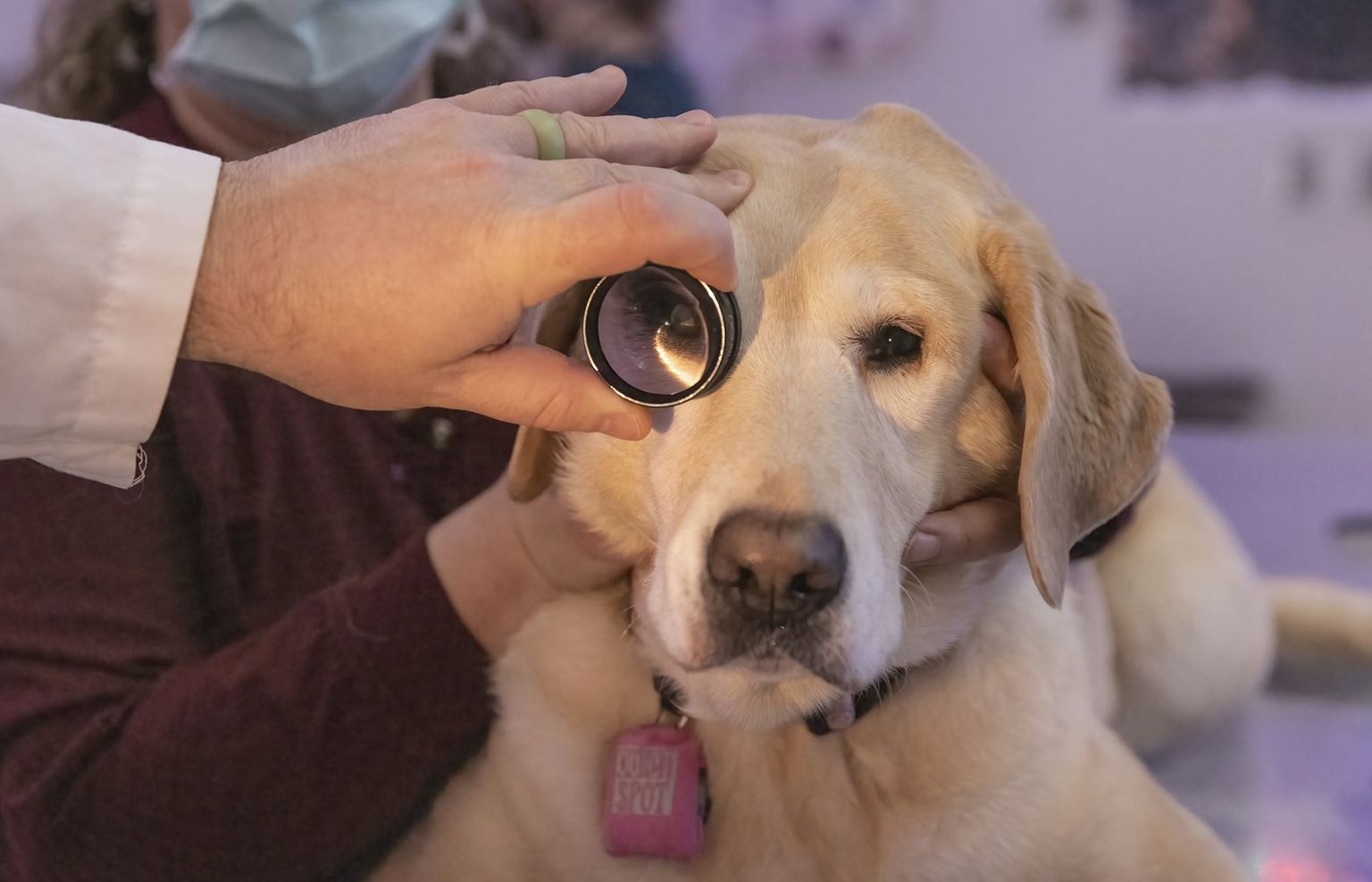
- Veterinary Oversight: Enrolled dogs undergo baseline health evaluations, including complete blood counts, serum chemistry panels, urinalysis, and echocardiograms (ultrasounds of the heart).
- Double-Blind Execution: Neither the dog owner nor the attending veterinarian knows whether the dog receives low-dose rapamycin or an identical placebo capsule.
- Primary Endpoints: Researchers evaluate left ventricular cardiac function (which often deteriorates with age), physical activity levels using wearable activity monitors, cognitive function, and overall incidence of age-related disease and mortality.
How Dog Owners Participate: Step-by-Step Enrollment and Requirements
Participation in the Dog Aging Project is open to dog owners residing in the United States. The project welcomes dogs of all breeds, mixed origins, ages, and health statuses.
Step 1: Create a Portal Account
Dog owners register on the project's secure online portal. Registration requires basic demographic details about both the owner and the dog, including age, weight, geographic location, and sex/neuter status.
Step 2: Complete the Health and Life Experience Survey (HLES)
After account creation, owners complete the comprehensive Health and Life Experience Survey (HLES). This survey forms the core observational data for "The Pack." It covers:
- Physical environment (housing type, yard access, exposure to household products).
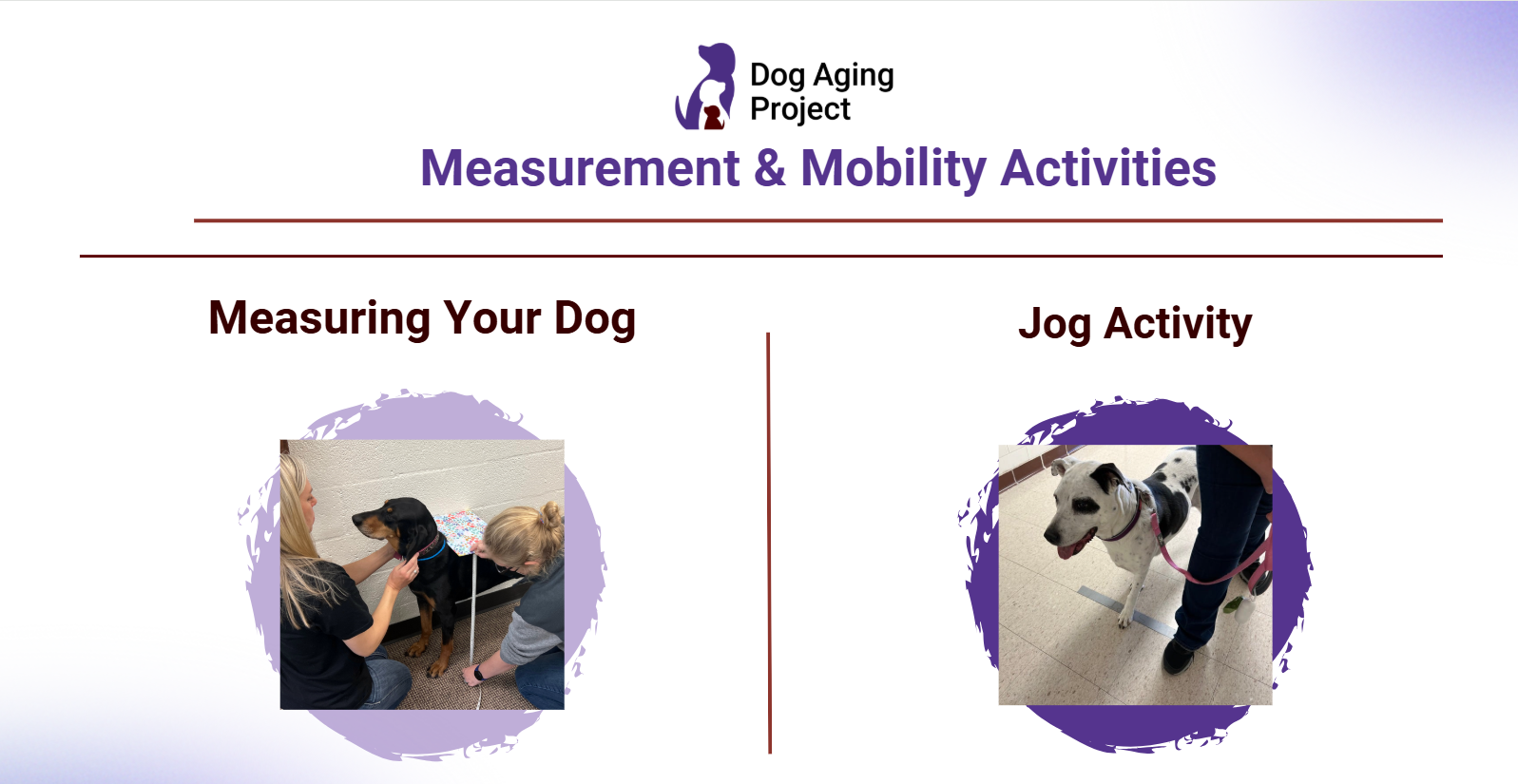
- Exercise routines, working status, and daily activity.
- Diet, water sources, and nutritional supplements.
- Medical history, including vaccination status, past illnesses, surgeries, and current medications.
- Behavioral patterns and cognitive assessments using validated canine dementia scales.
Step 3: Upload Veterinary Records
To validate owner-reported survey data, participants upload complete veterinary medical records. Project researchers extract standard clinical parameters, diagnostic findings, and disease histories to verify self-reported data.
Step 4: Potential Selection for Specialized Sub-Cohorts
Once a dog enters The Pack, the project's sampling algorithms evaluate the dog for invitations to specialized sub-cohorts (such as the Precision Cohort, Foundation Cohort, or TRIAD trial). Criteria depend on current scientific needs, such as balancing age distribution, geographic representation, breed diversity, or physical size.
If selected for biological sampling, owners receive specialized collection kits for their primary care veterinarian to draw blood or collect swabs. The project covers costs associated with study-specific biological processing and specialized laboratory tests.
Veterinary Disclaimer: Participation in observational science or clinical research trials through the Dog Aging Project does not replace standard veterinary care, emergency medicine, or routine preventive exams. Owners must maintain primary veterinary care for their pets.
Key Findings and Scientific Contributions
The Dog Aging Project operates under an open science model, regularly publishing findings in peer-reviewed scientific journals and depositing anonymized datasets into public research databases. Key contributions to veterinary and human health science include:
1. Environmental and Social Predictors of Healthspan
Analyzing data from thousands of companion dogs, project researchers demonstrated that social environmental factors significantly correlate with health outcomes. Dogs residing in households with other companion animals and strong social engagement showed better overall health outcomes than dogs with isolated living arrangements, holding age and weight constant. Conversely, financial stress in the household correlated negative impacts on dog health status, highlighting how socio-economic factors cross species lines.
2. Cognitive Dysfunction and Physical Activity Correlations
Data published by the project team in journals such as GeroScience established a inverse correlation between physical activity levels and Canine Cognitive Dysfunction (CCD). Dogs that maintained higher daily physical activity regimens exhibited significantly lower risk scores for cognitive impairment compared to inactive dogs of the same age and breed class.
- Higher Daily Physical Activity: Lower Risk Score for Canine Cognitive Dysfunction (CCD)
- Decreased Physical Activity: Increased Prevalence of Age-Related Cognitive Decline
3. Physical Size, Life Span, and Cancer Spectrum Patterns
While it has long been recognized that large dogs have shorter average lifespans than small dogs, project data illuminated specific disease patterns driving this disparity. Large dogs do not simply age faster across every organ system; rather, larger breeds demonstrate heightened vulnerability to specific life-limiting conditions, particularly bone sarcomas, hemangiosarcoma, and gastrointestinal diseases, whereas smaller dogs show higher rates of endocrine and ocular disorders over extended lifespans.
Data Accessibility and the Open Science Architecture
A defining characteristic of the Dog Aging Project is its commitment to open-access scientific infrastructure.
The Curator Model and Data Releases
Rather than keeping data proprietary, the project releases curated, de-identified datasets annually. Scientists, biostatisticians, and bioinformaticians anywhere in the world can apply for access to these datasets through the project's data portal.
- Raw Survey & Lab Inputs
- Anonymization & Data Curation
- Annual Public Release
- Global Scientific Analysis
Broader Implications for Human Medicine
Because companion dogs share the human environment, biological discoveries made through the project directly inform human longevity research. Identifying metabolic biomarkers or genetic variants that protect dogs against age-related degeneration highlights conserved cellular pathways across mammals. This comparative approach accelerates drug discovery, safety testing, and preventative longevity interventions for human clinical trials.
Frequently Asked Questions
What breeds of dogs can join the Dog Aging Project?
Every dog living in the United States is eligible to join The Pack, regardless of whether it is a purebred dog with certified pedigree papers or a mixed-breed dog. The project actively seeks a diverse representation of sizes, ages, mixed genetic backgrounds, and geographic locations to build an accurate demographic dataset.
Is there any cost to enroll a dog in the project?
No. Enrolling a dog in the Dog Aging Project and completing annual health surveys is entirely free for dog owners. If a dog is selected for specialized sub-cohorts like the Precision Cohort or the TRIAD trial, the project covers the costs of trial-specific laboratory testing, study medication, and protocol-required veterinary exams.
Can old or sick dogs still participate?
Yes. The project seeks to understand the entire spectrum of aging, which includes dogs currently living with chronic age-related conditions, cancers, or arthritis, as well as exceptionally healthy "super-centenarian" dogs. The only study arm with strict baseline health requirements is the TRIAD clinical trial, which requires participants to meet specific cardiac and organ-function safety criteria before receiving trial medications.
How does rapamycin differ from standard anti-aging supplements?
Rapamycin is a purified pharmaceutical compound that selectively inhibits the mTORC1 pathway, altering cellular growth and autophagy signaling at a molecular level. Unlike commercial dietary supplements, rapamycin's effects on mammalian longevity have been verified through rigorous laboratory trials. Its use in canine healthspan extension is currently being evaluated under clinical trial protocols to establish clear safety profiles and dosage schedules.
How often do participants need to complete surveys?
Once enrolled in The Pack, owners complete the main Health and Life Experience Survey (HLES) once per year. The survey typically takes between one and two hours to finish. Participants may also receive brief supplementary surveys throughout the year regarding specific behavioral patterns, environment, or health updates.
Next Steps for Dog Owners
Dog owners interested in contributing to canine geroscience can take immediate, practical steps:
- Gather Health Documentation: Collect your dog's complete medical history, including adoption dates, vaccination records, surgical histories, and current prescription information.
- Visit the Official Portal: Navigate to the Dog Aging Project enrollment page to create a participant account.
- Complete the Initial Survey: Set aside time to thoroughly fill out the Health and Life Experience Survey (HLES). Detailed, accurate survey responses improve the reliability of observational data.
- Maintain Veterinary Care: Schedule regular physical exams with your primary veterinarian. Routine diagnostic blood panels provide baseline measurements that help track your dog's biological age and overall health status over time.
Image Gallery