The Mechanics of Motion: What Is Required to Cause Acceleration in Physics
To cause acceleration in physics, an object must be subjected to a net external force. According to Newton’s Second Law of Motion, this net force must be unbalanced, meaning the vector sum of all forces acting upon the object is non-ze...
To cause acceleration in physics, an object must be subjected to a net external force. According to Newton’s Second Law of Motion, this net force must be unbalanced, meaning the vector sum of all forces acting upon the object is non-zero, resulting in a change in the object's velocity over time.
Contents
Understanding the Fundamental Requirement: Unbalanced Force
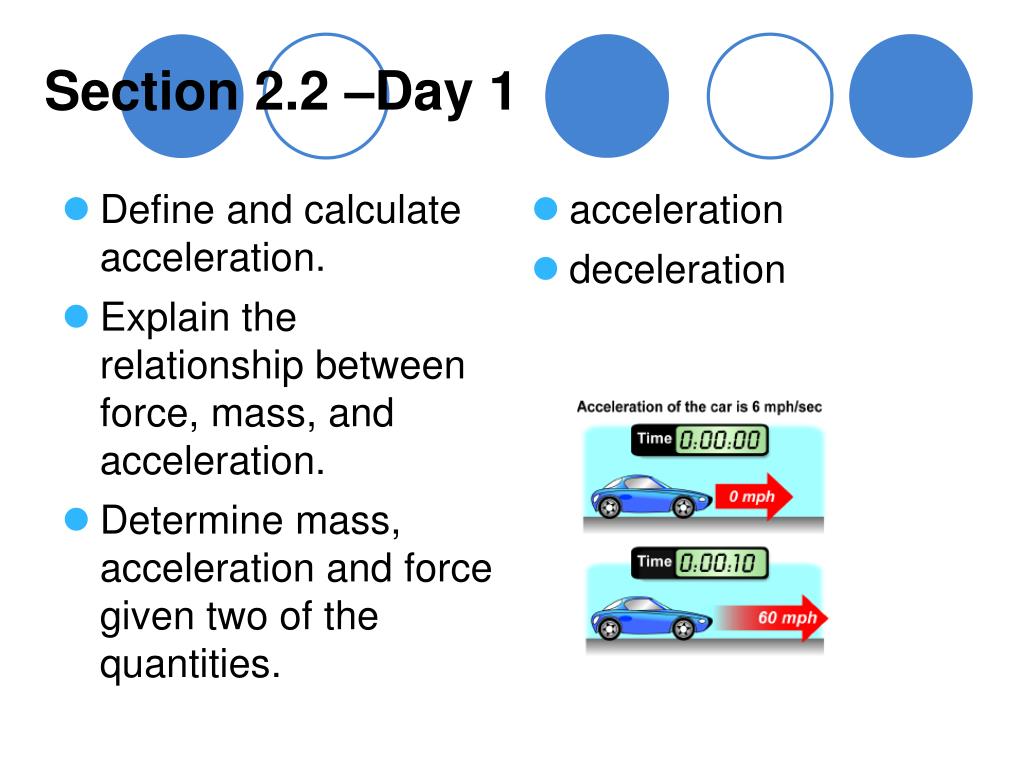
In the study of classical mechanics, the concept of acceleration is intrinsically tied to the state of an object’s motion. Acceleration is defined as the rate of change of velocity, which includes changes in speed, direction, or both. For this change to occur, there must be a cause. Aristotle once erroneously believed that a constant force was required to maintain constant velocity, but we now know through Newtonian physics that an object in motion will stay in motion unless acted upon by an external influence.
The requirement for acceleration is a net external force. If you push a box across a floor with 10 Newtons of force to the right, and friction pushes back with 10 Newtons to the left, the net force is zero. In this scenario, despite the effort applied, there is no acceleration. To create acceleration, the applied force must exceed the opposing forces, creating a non-zero resultant vector.
Newton’s Second Law: The Mathematical Relationship
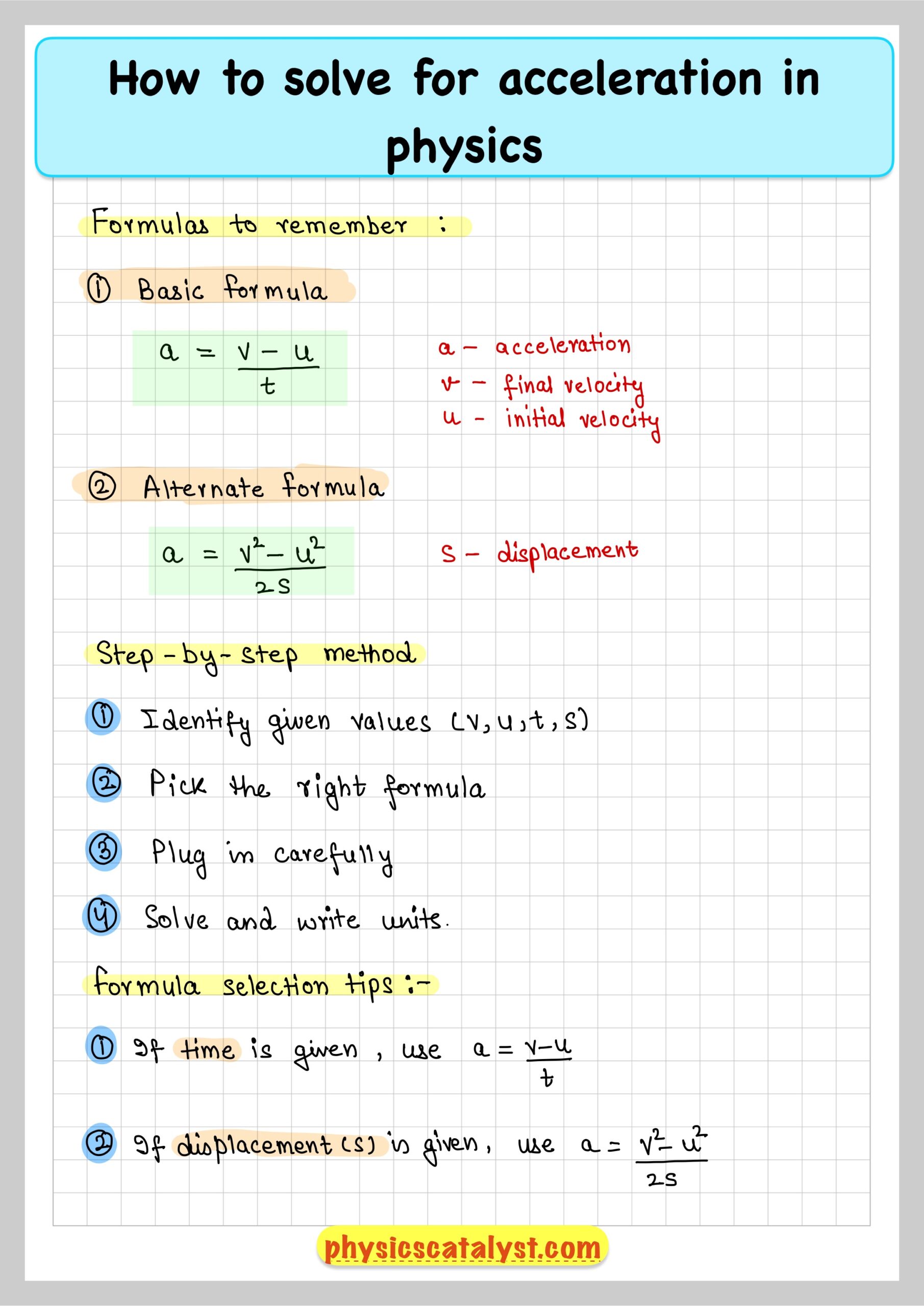
The quantitative foundation for acceleration is expressed by the equation: F = ma
Where:
- F represents the net force (measured in Newtons, N).
- m represents the mass of the object (measured in kilograms, kg).
- a represents the resulting acceleration (measured in meters per second squared, m/s²).
When you rearrange this to solve for acceleration (a = F/m), the relationship becomes clear: acceleration is directly proportional to the net force applied and inversely proportional to the mass of the object. If the net force increases, the acceleration increases. If the mass of the object increases, the acceleration decreases for a given amount of force.
The Role of Mass and Inertia
Mass is not merely "heaviness"; it is a measure of an object’s inertia—its resistance to changes in its state of motion. A heavy truck requires a significantly larger net force to achieve the same acceleration as a small passenger car because its mass is greater. Understanding this relationship is critical for engineers and physicists when designing transport systems, as it dictates the energy requirements needed to overcome the inertial properties of physical matter.
Types of Forces Leading to Acceleration
Acceleration is not limited to a single "push." It can be caused by various types of forces, provided they result in a net force:
- Contact Forces: These occur through direct physical contact, such as the tension in a rope pulling a trailer, the friction of tires against a road, or the normal force provided by a surface.
- Field Forces: These act at a distance. Gravity is the most common example, causing objects to accelerate toward the center of the Earth. Electromagnetism is another, where charges accelerate due to electrical fields.
- Restoring Forces: In systems like springs or pendulums, internal forces act to return an object to equilibrium, which inherently involves acceleration as the object changes speed during its oscillation.
Comparative Analysis of Acceleration Scenarios
| Scenario | Primary Force Component | Resulting Motion |
|---|---|---|
| Spacecraft Propulsion | Thrust (Engine exhaust) | Linear acceleration in a vacuum |
| Circular Motion | Centripetal Force | Directional acceleration (change in path) |
| Free Fall | Gravitational Force | Constant acceleration toward mass center |
| Braking a Vehicle | Kinetic Friction | Negative acceleration (deceleration) |
Disambiguating Acceleration vs. Velocity
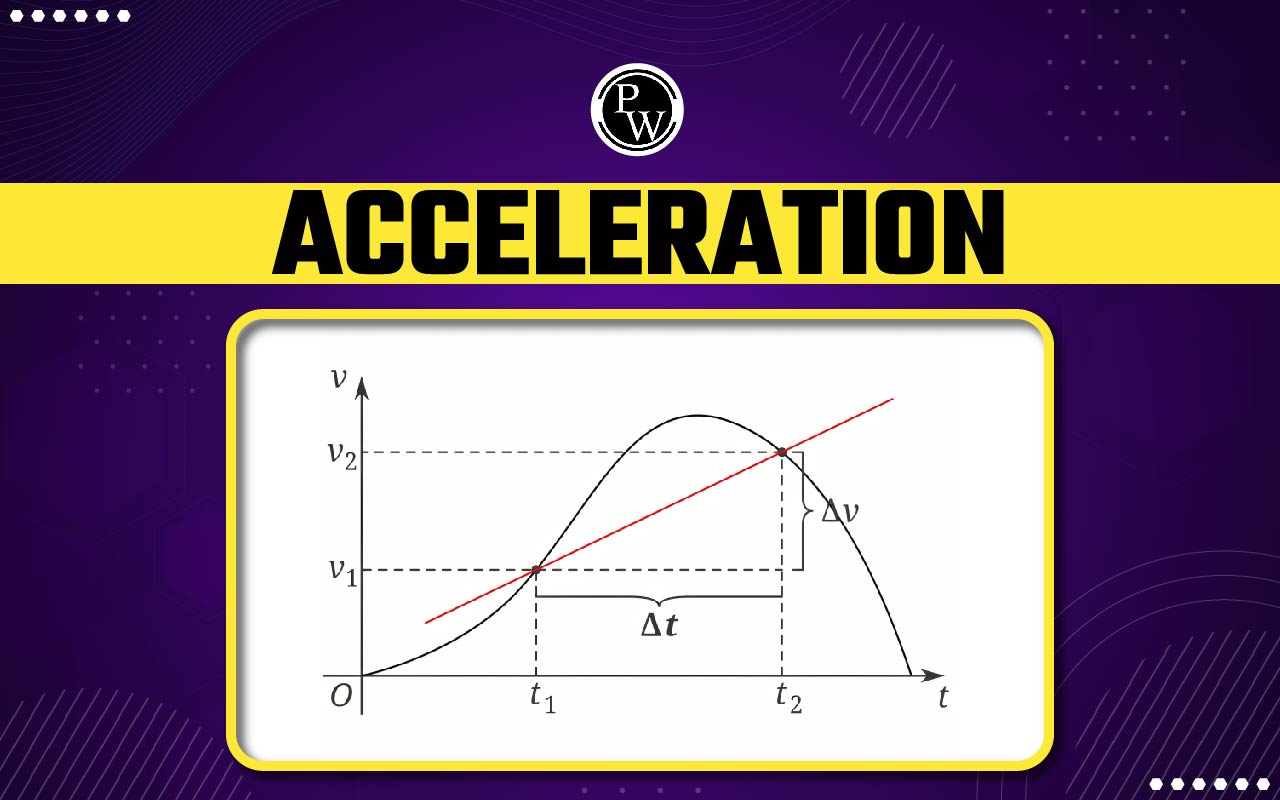
A common point of confusion for students is the difference between velocity and acceleration. Velocity is a measure of how fast and in what direction an object is moving. Acceleration is a measure of how quickly that velocity changes. An object traveling at a constant speed in a straight line has zero acceleration because the velocity is not changing. Conversely, an object moving in a circle at a constant speed is accelerating because its direction is constantly changing, meaning its velocity vector is in flux.
The Impact of Non-Zero Net Force
When a non-zero net force acts on an object, the object will experience one of three specific outcomes:
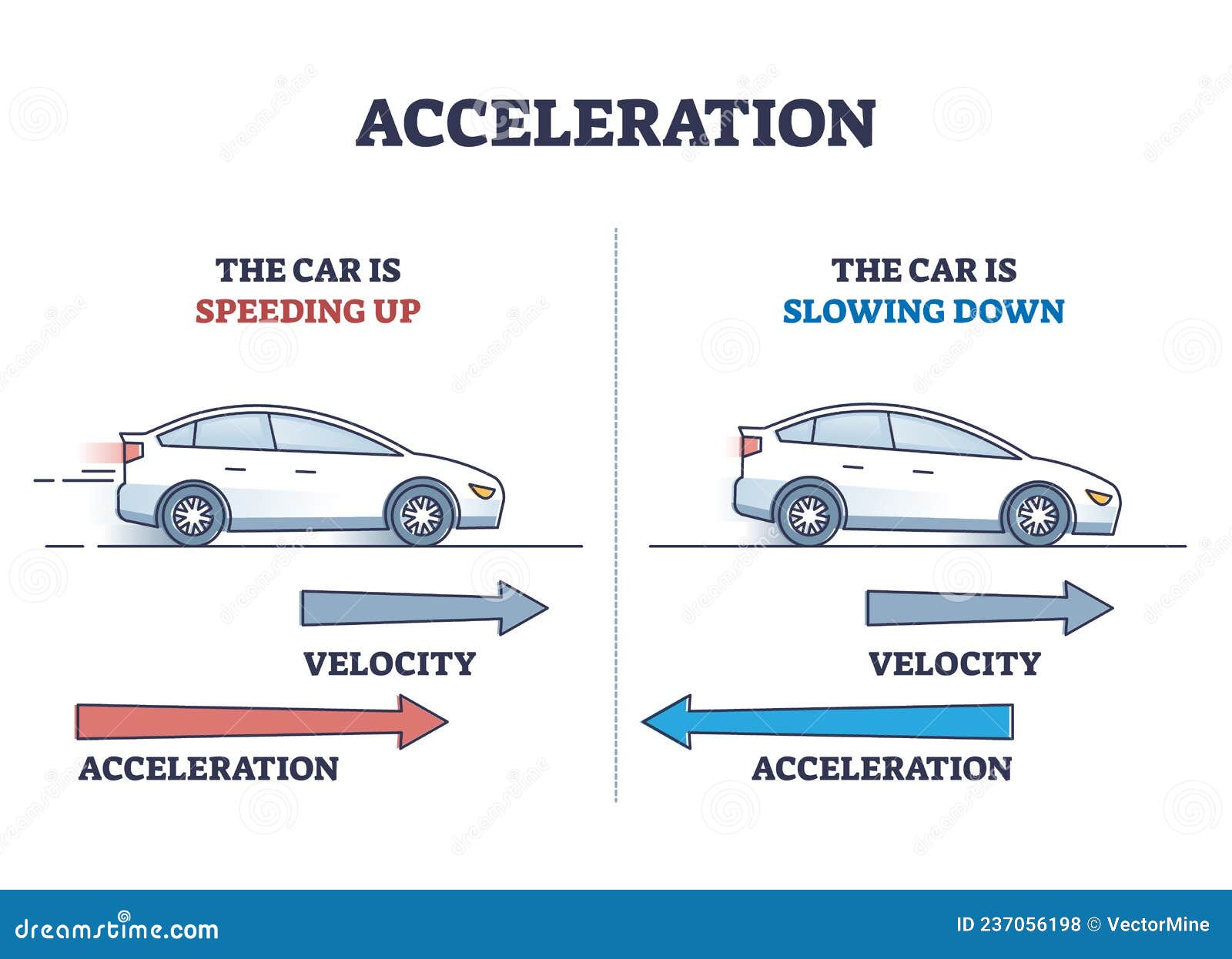
- Speeding up: The force acts in the same direction as the motion.
- Slowing down: The force acts in the opposite direction of the motion.
- Changing direction: The force acts at an angle to the motion (often perpendicular).
It is important to note that "deceleration" is simply acceleration in the direction opposite to the velocity vector. In professional physics, we rarely use the term deceleration, preferring to describe the vector directions to maintain precision in calculations.
Practical Applications and Engineering Constraints
In real-world engineering, such as in the design of high-speed rail systems or aerospace components in 2026, the requirement for acceleration involves managing material limitations. Excessive acceleration can induce structural stress. Engineers must calculate the net force to ensure that the material integrity of the vehicle can withstand the G-forces generated. This involves balancing thrust, aerodynamic drag, and friction to ensure a controlled and safe rate of acceleration.
Frequently Asked Questions
Does an object accelerate if the force is balanced? No. When forces are balanced, the net force is zero. Newton’s First Law states that an object at rest will stay at rest, or an object in motion will continue at a constant velocity, if the net force is zero. Acceleration requires a break in this balance.
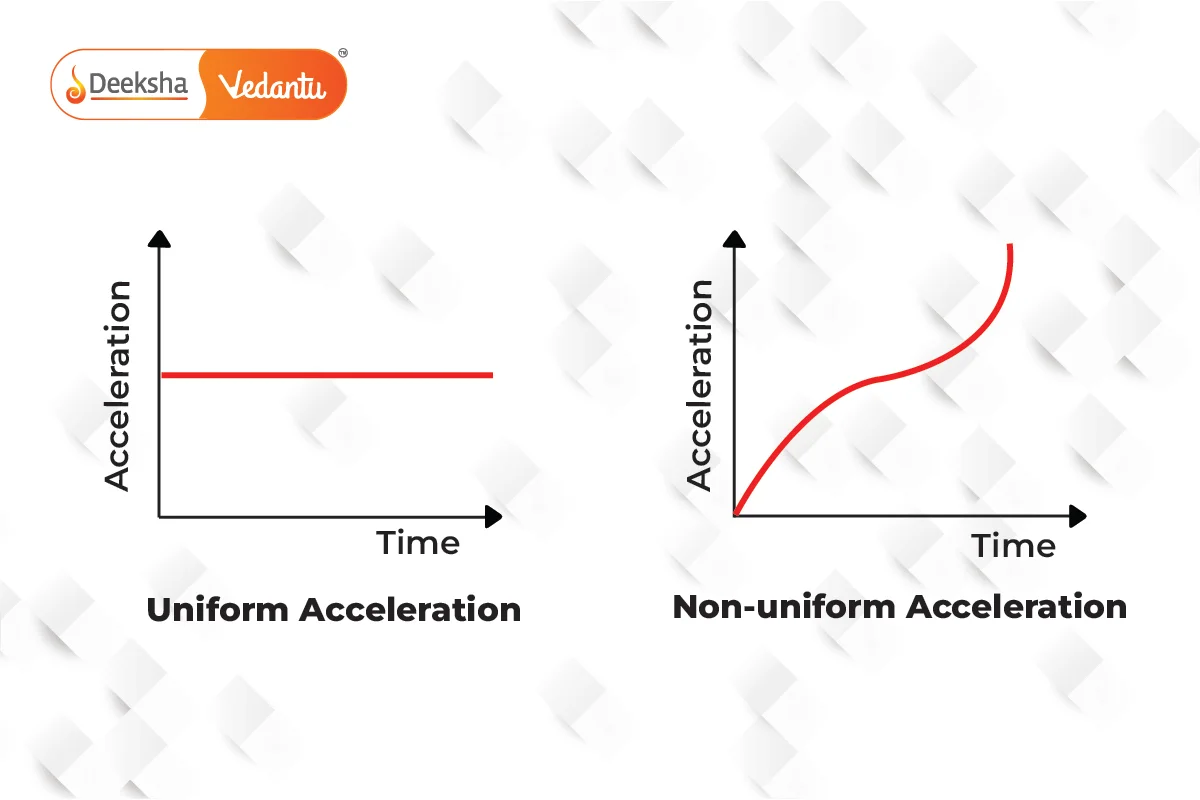
Is constant velocity the same as constant acceleration? No. Constant velocity implies that there is no net force acting on the object (acceleration is zero). Constant acceleration implies that the velocity is changing by the same amount every second, which requires a constant, non-zero net force.
How does gravity cause acceleration? Gravity exerts a force (weight) on an object based on its mass. If the object is not supported by another force (like a floor or a parachute), the force of gravity becomes the net force, causing the object to accelerate downward at approximately 9.81 m/s² on Earth.
Can an object accelerate without moving? Acceleration is defined as a change in velocity over time. If an object is at rest and begins to move, its velocity changes from zero to a non-zero value; therefore, it is accelerating. You cannot have acceleration without a change in motion.
What is the difference between mass and weight? Mass is the amount of matter in an object and is a measure of its inertia. Weight is the force exerted on that mass by a gravitational field. While weight depends on the location (e.g., Earth vs. Moon), mass remains constant.
Next Actions: Observing Acceleration
To better understand these concepts, perform a simple experiment: roll a ball across a floor and observe it. The ball will eventually stop. Many assume this is because the "force of motion" ran out. In reality, the ball is accelerating (slowing down) because the net force of friction from the floor and air resistance is acting against its direction of motion. Identify the forces at play in your environment to see how they govern the acceleration of objects around you.
Image Gallery