What to Know About the New Weight Loss Drug Retatrutide
Retatrutide is an experimental injectable medication developed by Eli Lilly that represents the next generation of metabolic pharmacotherapy. As a single-molecule "triple agonist," it simultaneously targets three distinct hormone recep...
Retatrutide is an experimental injectable medication developed by Eli Lilly that represents the next generation of metabolic pharmacotherapy. As a single-molecule "triple agonist," it simultaneously targets three distinct hormone receptors—GLP-1, GIP, and glucagon—delivering body weight reductions of up to 24% in clinical trials, surpassing currently approved anti-obesity medications.
Contents
Medical Disclaimer: Retatrutide is an investigational compound currently undergoing Phase 3 clinical evaluation. It is not yet approved by the U.S. Food and Drug Administration (FDA) or global regulatory bodies for prescription use. Patients seeking weight management options should consult a licensed healthcare provider regarding available approved therapies.
What Is Retatrutide and How Does It Work?
Retatrutide (known scientifically as LY3437943) belongs to an emerging class of multi-receptor nutrient-stimulated hormone (GDM) mimetics. While earlier generations of obesity medications target a single metabolic pathway or dual pathways, retatrutide activates three distinct gut and pancreatic hormone receptors simultaneously:
- GLP-1 (Glucagon-Like Peptide-1) Receptor: Promotes glucose-dependent insulin secretion, slows gastric emptying to prolong feeling full, and sends satiety signals directly to the hypothalamus in the brain.
- GIP (Glucose-Dependent Insulinotropic Polypeptide) Receptor: Synergizes with GLP-1 to enhance insulin secretion, improve lipid metabolism, and attenuate potential gastrointestinal side effects associated with pure GLP-1 activation.
- Glucagon Receptor (GCGR): Increases basal metabolic rate, stimulates energy expenditure, and promotes lipolysis (the breakdown of stored adipose tissue) within the liver and peripheral tissues.
The Triple Agonist Advantage
Previous generations of metabolic medications targeted these pathways incrementally:
First-Generation Single Agonists (e.g., Semaglutide / Wegovy): Target only the GLP-1 receptor, producing average weight reductions of 15% in pivotal Phase 3 trials.
Second-Generation Dual Agonists (e.g., Tirzepatide / Zepbound): Target both GLP-1 and GIP receptors, achieving average weight loss approaching 20.9% at maximum dosage.
Third-Generation Triple Agonists (Retatrutide): By incorporating glucagon receptor stimulation alongside GLP-1 and GIP, retatrutide addresses both appetite control and metabolic expenditure.
Retatrutide Mechanism
- GLP-1 Receptor
- Satiety & Delayed Gastric Emptying
- GIP Receptor
- Lipid Metabolism & Insulin Sensitivity
- Glucagon Receptor
- Energy Expenditure & Fat Oxidation
- GLP-1 Receptor
Glucagon activation historically presented concerns regarding blood glucose elevation. However, when combined with potent GLP-1 and GIP activity, the glycemic impact of glucagon is balanced while retaining its capacity to stimulate liver oxidation and mitochondrial metabolism.
Clinical Trial Results: Key Weight Loss and Metabolic Data
The primary enthusiasm surrounding retatrutide stems from results published in The New England Journal of Medicine detailing its Phase 2 clinical trial findings.
Weight Loss Efficacy at 24 and 48 Weeks
In the randomized, double-blind, placebo-controlled Phase 2 trial involving 338 adults with obesity or overweight (without type 2 diabetes), retatrutide demonstrated dose-dependent weight reduction:
- 12 mg Weekly Dose: Participants achieved a mean weight reduction of 24.2% (approximately 58 lbs or 26.3 kg) at 48 weeks of treatment.
- Trajectory of Weight Loss: Unlike studies where weight loss plateaus around week 36 to 40, participants receiving the highest doses of retatrutide had not yet reached a weight loss plateau at week 48, suggesting longer treatment durations could yield further reduction.
- Proportion Achieving Significant Loss: 100% of participants on the 8 mg and 12 mg doses achieved at least 5% weight loss, while 93% achieved at least 10%, 83% achieved at least 15%, and 48% achieved 25% or greater body weight reduction.
Cardiometabolic and Liver Health Marker Improvements
Beyond total body weight reduction, retatrutide demonstrated systemic improvements across multiple metabolic parameters:
- Metabolic Dysfunction-Associated Steatohepatitis (MASH): In a sub-study evaluating liver fat content using magnetic resonance imaging (MRI-PDFF), participants receiving 8 mg or 12 mg doses experienced an average relative liver fat reduction of over 80%. Up to 86% of patients achieved complete normalization of liver fat (defined as liver fat fraction under 5%).
- Blood Pressure: Clinically meaningful reductions in both systolic and diastolic blood pressure were observed across treatment arms.
- Lipid Profiles: Significant reductions in fasting triglycerides, non-HDL cholesterol, and low-density lipoprotein (LDL) cholesterol levels were documented at 48 weeks.
- Glycemic Parameters: HbA1c levels decreased substantially, particularly in patient cohorts with prediabetes or type 2 diabetes.
Retatrutide vs. Existing Weight Loss Medications
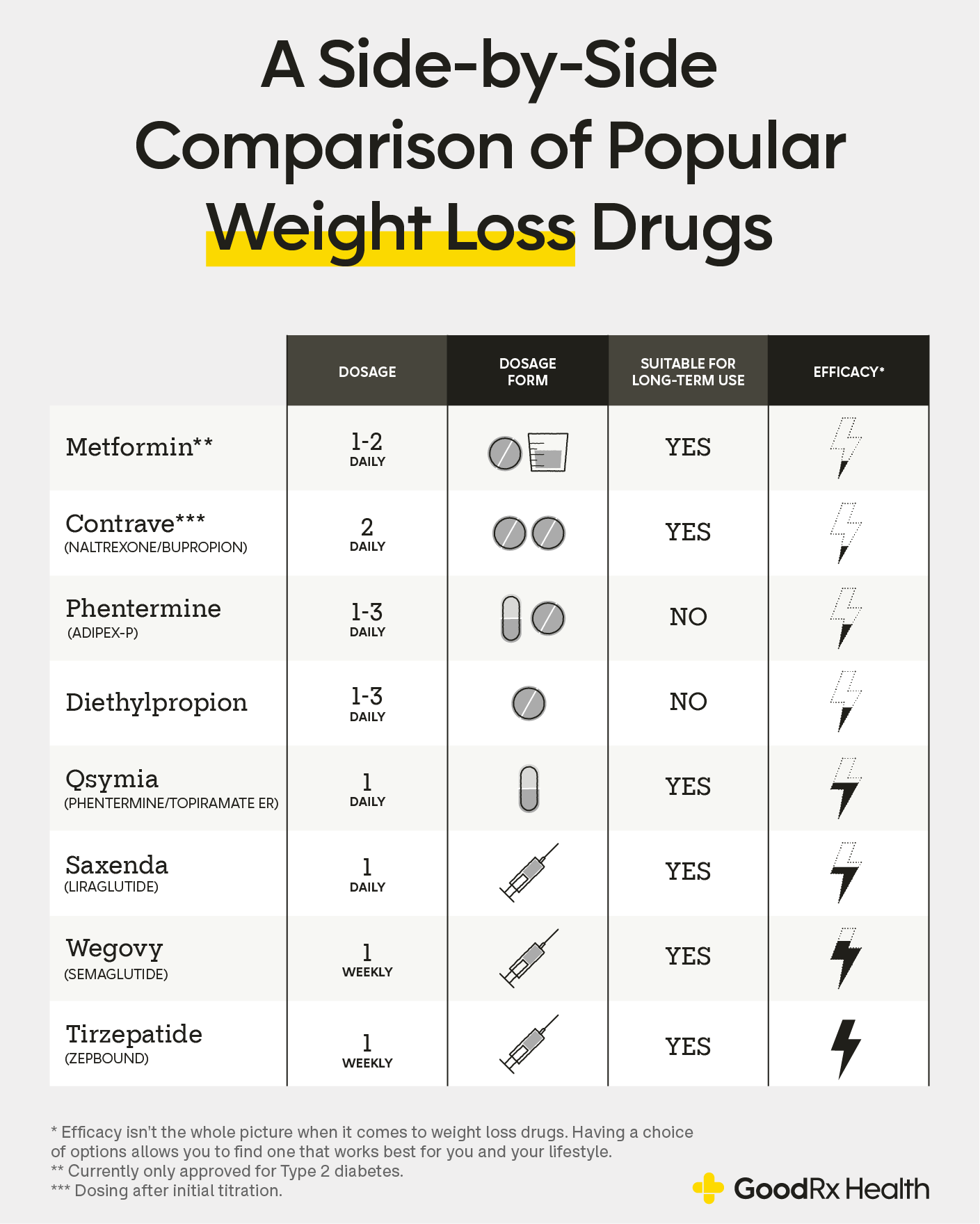
To understand retatrutide's potential impact, it is helpful to compare its clinical profile with currently approved subcutaneous weight management drugs.
| Feature / Metric | Liraglutide (Saxenda) | Semaglutide (Wegovy) | Tirzepatide (Zepbound) | Retatrutide (Investigational) |
|---|---|---|---|---|
| Mechanism of Action | Single Agonist (GLP-1) | Single Agonist (GLP-1) | Dual Agonist (GLP-1 / GIP) | Triple Agonist (GLP-1 / GIP / Glucagon) |
| Dosing Frequency | Daily injection | Weekly injection | Weekly injection | Weekly injection |
| Average Weight Loss | 8% – 9% (at 56 weeks) | ~15% (at 68 weeks) | 20.9% (at 72 weeks) | 24.2% (at 48 weeks) |
| Liver Fat Reduction | Moderate | Moderate | High | Normalization in up to 86% of patients |
| Primary Side Effects | Nausea, vomiting, diarrhea | Nausea, vomiting, constipation | Nausea, diarrhea, constipation | Nausea, diarrhea, elevated heart rate |
| Current FDA Status | Approved | Approved | Approved | Phase 3 Clinical Trials |
Note: Data derived from separate clinical trials (SCALE, STEP, SURMOUNT, and Phase 2 Retatrutide trials). Direct head-to-head clinical trials comparing retatrutide against tirzepatide or semaglutide are ongoing.
Safety, Side Effects, and Tolerability Profile
The safety profile of retatrutide is broadly consistent with established incretin-based therapies, though activation of the glucagon receptor introduces specific physiological considerations.
Common Gastrointestinal Adverse Events
As with other peptide therapies targeting GLP-1 and GIP receptors, gastrointestinal symptoms represent the most frequently reported adverse events:
- Nausea: Ranging from mild to moderate, typically occurring during dose escalation phases.
- Diarrhea and Constipation: Variable incidence across dosage cohorts, largely manageable with dietary adjustments and symptomatic care.
- Vomiting: Reported primarily at higher initial doses without slow titration.
Employing a gradual dose-escalation schedule (starting at lower doses such as 2 mg or 4 mg before escalating to 8 mg or 12 mg) significantly mitigates the frequency and severity of gastrointestinal discomfiture.
Cardiovascular and Neurological Observations
- Heart Rate Effects: Retatrutide administration is associated with a transient, dose-dependent increase in resting heart rate, peaking around weeks 24 to 36 before declining. This elevation is thought to be mediated by both glucagon and GLP-1 cardiac receptor stimulation. Phase 3 trials are carefully tracking long-term cardiovascular outcomes.
- Cutaneous Hyperesthesia / Dysesthesia: A subset of trial participants reported transient skin sensitivity, tingling, or increased touch perception without associated rash. These symptoms generally resolved over time without treatment discontinuation.
Current Clinical Trial Status and FDA Approval Timeline
Retatrutide is undergoing comprehensive evaluation in global Phase 3 clinical trials under the TRIUMPH trial program managed by Eli Lilly. Details regarding ongoing study protocols and enrollment metrics can be reviewed via the U.S. National Institutes of Health Clinical Trials Registry.
Overview of the TRIUMPH Phase 3 Program
The TRIUMPH trial program evaluates retatrutide across diverse clinical indications and patient populations:
- TRIUMPH-1: Investigating safety and efficacy in adults with obesity or overweight without type 2 diabetes.
- TRIUMPH-2: Evaluating efficacy in patients living with type 2 diabetes alongside obesity or overweight.
- TRIUMPH-3: Assessing cardiovascular outcomes and weight reduction in individuals with severe obesity and established cardiovascular disease.
- TRIUMPH-4: Studying chronic pain reduction and functional improvement in patients with knee osteoarthritis and obesity.
- Phase 1: Safety & Pharmacokinetics [Completed]
- Phase 2: Dose Finding & Efficacy [Completed - 24.2% Weight Loss]
- Phase 3: TRIUMPH Global Program [Active Clinical Evaluation]
- Regulatory Submission (FDA/EMA) [Anticipated Submission]
Potential Approval Horizon
Phase 3 clinical trial readouts for the primary endpoints of the TRIUMPH program are structured through late 2025 and 2026. If final safety and efficacy results remain positive, submission for New Drug Application (NDA) approval to regulatory bodies like the FDA and EMA (European Medicines Agency) would follow. Commercial market access would depend on regulatory review timelines and manufacturing capacity.
Who May Benefit from Retatrutide in the Future?
Subject to regulatory approvals, retatrutide is being developed for adult populations facing chronic metabolic conditions, including:
- Individuals with Severe Obesity: Patients with high initial BMI metrics or those who have achieved incomplete weight loss goals on single- or dual-agonist regimens.
- Metabolic Dysfunction-Associated Steatohepatitis (MASH): The pronounced reduction in hepatic fat fraction positions retatrutide as a potential therapeutic candidate for fatty liver disease and associated hepatic fibrosis.
- Type 2 Diabetes and Metabolic Syndrome: Patients requiring simultaneous glycemic optimization, blood pressure management, and substantial weight reduction.
Frequently Asked Questions
Is retatrutide available by prescription today?
No. Retatrutide remains an investigational drug and is not approved by the FDA or any foreign regulatory authority. It is accessible exclusively to participants enrolled in official clinical trials.
How is retatrutide administered?
In clinical trials, retatrutide is administered as a weekly subcutaneous injection using a pre-filled pen device, similar to the administration methods for tirzepatide (Zepbound/Mounjaro) and semaglutide (Wegovy/Ozempic).
Why does retatrutide cause more weight loss than Wegovy or Zepbound?
Retatrutide adds glucagon receptor activation to the GLP-1 and GIP receptor stimulation found in tirzepatide. Glucagon directly increases energy expenditure and stimulates energy consumption in body tissues while reducing appetite through GLP-1 pathways.
Does retatrutide cause muscle loss?
As with any intervention resulting in rapid, significant body mass reduction (whether surgical, dietary, or pharmacological), lean muscle mass loss can occur alongside adipose tissue reduction. Clinical trials are analyzing lean tissue versus fat mass body composition ratios, and concurrent resistance exercise with adequate protein intake is recommended during treatment.
Can you buy retatrutide online from research chemical sellers?
Obtaining unapproved, unregulated compounds labeled as "research chemicals" or "compounded retatrutide" presents significant health risks. Unregulated peptides lack verification of purity, sterility, correct peptide sequence, or safe dosage, and may contain harmful contaminants.
Next Steps for Patients Seeking Weight Management
While retatrutide represents a promising advancement in obesity pharmacotherapy, it remains in development. Patients seeking medical support for weight management should consider taking the following steps today:
- Consult a Board-Certified Specialist: Discuss available options with a primary care physician, endocrinologist, or obesity medicine specialist.
- Evaluate Approved Therapies: Review whether currently available FDA-approved medications (such as semaglutide or tirzepatide) align with your medical history and health goals.
- Explore Clinical Trial Participation: Individuals interested in participating in retatrutide studies can check eligibility criteria for ongoing TRIUMPH Phase 3 clinical sites at
clinicaltrials.gov. - Implement Foundational Lifestyle Supports: Medical therapies work best alongside nutritional guidance, physical activity, sleep optimization, and structured behavioral support.
Image Gallery