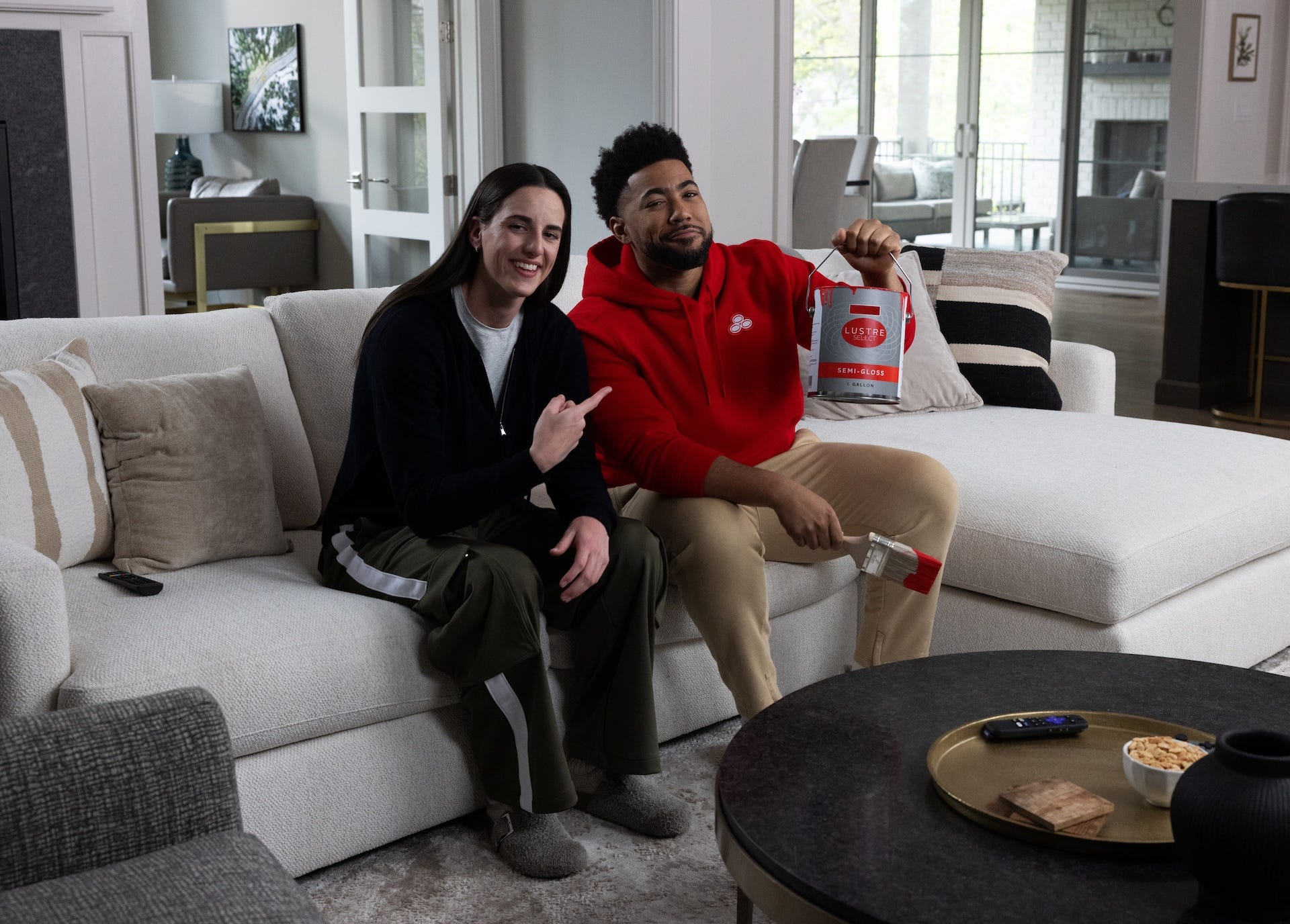
Why Jake from State Farm and Flo from Progressive Matter in Modern Marketing
Jake from State Farm and Flo from Progressive represent a masterclass in modern brand architecture. In an industry selling invisible, non-physical commodities—insurance policies—these recurring brand avatars solve the fundamental probl...
Jake from State Farm and Flo from Progressive represent a masterclass in modern brand architecture. In an industry selling invisible, non-physical commodities—insurance policies—these recurring brand avatars solve the fundamental problem of consumer low-engagement by building emotional resonance, driving top-of-mind awareness, lowering direct customer acquisition costs, and establishing distinct market positions across multi-channel media.
Contents
The Financial Imperative: Commoditization vs. Brand Salience
Property and casualty (P&C) insurance is inherently complex, legally mandated, and largely unexciting to the average consumer. Most policyholders interact with their insurer only twice: when paying a premium or filing a claim following an undesirable event. Because auto and homeowners insurance coverage parameters are standardized by state regulations, products easily risk becoming pure commodities competed on price alone.
To disrupt price-only competition, major insurers invest heavily in advertising. According to industry tracking by advertising measurement platforms, insurance companies consistently rank among the highest ad spenders across broadcast, digital, and streaming platforms. However, massive expenditure alone does not guarantee consumer retention or brand recall.
This environment makes brand salience—the propensity of a brand to be thought of or noticed in buying situations—the primary driver of market share growth. Characters like Flo from Progressive and Jake from State Farm act as mental shortcuts (heuristics). They transform abstract policy terms into recognizable, friendly human figures, reducing cognitive friction when consumers search for quotes or renew policies.
Evolution of the Avatars: Flo and Jake
Understanding why these characters remain dominant requires analyzing how each evolved from a standard advertising campaign into a long-term corporate asset.
| Character Evolution Timeline |
|---|
| 2008: Flo debuts in Progressive's "Superstore" campaign (Arnold Worldwide). |
| 2010: Original "Jake from State Farm" (Jake Stone) airs in 3 AM phone call ad. |
| 2018: Flo hits 10-year mark, expanding into multi-character "Progressive Squad." |
| 2020: State Farm re-launches Jake (Kevin Miles) as an omni-channel spokesman. |
| 2026: Both characters lead multi-platform, cross-generational brand ecosystems. |
Flo from Progressive
Created by advertising agency Arnold Worldwide and portrayed by actress Stephanie Courtney, Flo introduced a distinct narrative universe when she debuted in 2008. Placed inside a stark white "insurance superstore," Flo embodied Progressive's push toward direct-to-consumer sales and pricing transparency.
Flo was designed to demystify insurance buying. By presenting policies as physical boxes on store shelves and wielding the "Name Your Price" tool, her character translated complex underwriting mechanics into a retail shopping experience. Over nearly two decades, Flo expanded from a single store cashier into the anchor of an ensemble cast (including Jamie, Mara, and Rodney), enabling Progressive to explore varied narrative styles while preserving core brand continuity.
Jake from State Farm
The character of Jake underwent a deliberate strategic transformation. Originally appearing in a 2010 commercial created by DDB Chicago, the initial "Jake from State Farm" featured an actual State Farm employee, Jake Stone, answering a late-night call in khakis to prove the company’s 24/7 customer service.
In 2020, State Farm revamped the character, casting actor Kevin Miles as a modernized, charismatic, full-time brand ambassador. Unlike the original version—who served as the punchline to a husband's suspicious late-night call—the updated Jake functions as a cultural connector. He interacts seamlessly with A-list athletes, musicians, and gaming influencers, positioning State Farm as accessible, modern, and personal.
Strategic Comparison: Flo vs. Jake
While both characters aim to drive quote volume and policy retention, their underlying brand strategies and consumer positioning differ significantly:
| Dimension | Flo from Progressive | Jake from State Farm |
|---|---|---|
| Initial Launch Year | 2008 | 2010 (Re-imagined in 2020) |
| Primary Agency | Arnold Worldwide | DDB Chicago / Marketing Arm |
| Core Value Proposition | Choice, savings, direct digital tools, price transparency | Personal relationship, trust, local agent network, 24/7 availability |
| Character Persona | Enthusiastic, upbeat retail advisor, approachable expert | Charismatic, calm, culturally connected "good neighbor" |
| Narrative Setting | Retail "Superstore," domestic comedic vignettes | Community interactions, sports sideline integration, pop-culture cameos |
| Media Alignment | Broadcast TV, digital video, episodic brand extensions | TikTok, Instagram, gaming activations (e.g., NBA 2K), live sports |
| Target Audience Focus | Cost-conscious buyers, direct online purchasers | Younger demographics, multi-policy households, traditional agent seekers |
Why Brand Avatars Drive Real Business Metrics
The persistence of Flo and Jake is backed by measurable financial and behavioral outcomes. Recurring characters offer several clear strategic advantages over traditional celebrity endorsements or product-focused messaging:
1. Drastic Reduction in Customer Acquisition Cost (CAC)
In digital marketing, insurance keywords (such as "auto insurance quote") are among the most expensive terms on search engine bidding platforms, frequently exceeding dozens of dollars per click.
When a brand possesses high organic recognition through iconic characters, consumers search directly for branded terms (e.g., "Progressive quote" or "State Farm agent") rather than generic industry terms. Branded search terms carry lower pay-per-click costs and yield higher conversion rates, directly lowering the company's average CAC.
2. Immunity to Individual Celebrity Scandals
Relying on external celebrity endorsers carries inherent reputation risk. If an endorser faces public controversy, the brand must quickly sever ties, often abandoning costly media campaigns.
By creating and controlling their own original character intellectual property (IP), State Farm and Progressive manage their brand messaging directly. Even when Jake interacts with high-profile athletes in national campaigns, the character remains the steady anchor of the narrative, insulating the core brand from external volatility.
3. Humanizing the "Uncanny Valley" of Financial Services
Financial institutions often struggle with consumer distrust, frequently perceived as bureaucratic entities focused on collect premiums and denying claims. A recognizable, friendly face softens corporate perception.
Flo’s persistent helpfulness and Jake’s empathetic neighborliness anchor consumer expectations. They frame the insurer as an accessible partner rather than an indifferent financial institution.
Omni-Channel Adaptation: Moving Beyond 30-Second Commercials
A major reason Jake and Flo remain effective is their adaptation across modern media platforms. A character built strictly for 2000s linear television cannot automatically succeed on interactive platforms without structural updates.
Social-First Native Strategy
Jake from State Farm operates verified personal social media accounts on platforms such as Instagram and TikTok, interacting with users in the first person. Rather than simply posting recycled television commercials, the content is tailored specifically to each platform—participating in organic video trends, commenting on sports events, and collaborating with digital creators.
- Cross-Channel Deployment Model:
- BROADCAST TV: Narrative brand positioning & broad reach
- SOCIAL MEDIA: Real-time cultural commentary & user engagement
- GAMING/METAVERSE: Virtual avatar integrations (e.g., NBA 2K, Fortnite worlds)
- LIVE SPORTS: Sideline presence, event sponsorships, athlete co-stars
Digital Integrations and Gaming
State Farm integrated Jake directly into popular video games like NBA 2K, allowing players to interact with his avatar in virtual environments and unlock branded apparel for their custom characters.
Similarly, Progressive expanded Flo into digital audio, podcast sponsorships, and interactive web experiences. By moving beyond linear television, both brands remain top-of-mind for younger demographics who consume little to no traditional broadcast media.
Key Strategic Lessons for Business Leaders
The success of Flo and Jake offers clear, practical guidance for marketing leaders and business executives across industries:
- Commit to Long-Term Brand Assets: True brand equity requires time to build. Switching campaigns every year disrupts consumer recall. Progressive’s multi-decade investment in Flo proves that continuous iteration within a consistent creative framework yields compounding returns.
- Evolve the Supporting Ecosystem: To prevent character fatigue, both brands introduced secondary characters and new environments. Progressive added a supporting cast to balance Flo's energy, while State Farm shifted Jake into real-world sports and digital spaces.
- Align Persona with Operational Reality: Flo works because Progressive invested heavily in direct online tools and competitive quote engines. Jake works because State Farm operates an extensive network of local captive agents designed to act like "good neighbors." Marketing personas must reflect the actual service delivery model to build long-term consumer trust.
Frequently Asked Questions
Why do State Farm and Progressive spend so much money on character-driven ads?
Insurance policies are non-physical, highly regulated products with limited intrinsic visual appeal. Because consumers buy insurance infrequently, companies rely on recurring characters to maintain top-of-mind awareness. This ensures that when a buyer experiences a life event—such as purchasing a car or house—they immediately remember and contact those specific brands.
Who plays Flo from Progressive and Jake from State Farm?
Flo from Progressive is played by comedian and actress Stephanie Courtney, who has portrayed the character since 2008. The current version of Jake from State Farm is played by actor Kevin Miles, who took over the role in 2020 when State Farm expanded the character into a broader cultural spokesperson.
How do brand characters like Flo and Jake impact policy pricing?
While advertising budgets represent a significant operational expenditure, high brand awareness lowers overall customer acquisition costs by driving direct organic searches. Lower acquisition costs improve operational efficiency, allowing large insurers to price policies competitively while maintaining the margins required to pay out claims.
What is the difference in brand strategy between Jake and Flo?
Flo represents Progressive’s focus on direct-to-consumer digital options, price comparison tools, and modern retail convenience. Jake represents State Farm’s focus on community relationships, trusted local advice, and personal service, mirroring their national network of dedicated insurance agents.
Can smaller businesses apply the lessons of Flo and Jake?
Yes. Smaller companies can build recognizable brand mascots, distinctive founder personas, or consistent visual spokespeople across local advertising and social channels. The core principle—using a consistent, relatable human element to simplify technical or complex services—applies across businesses of any size.
Actionable Strategy: Evaluating Brand Avatars for Your Business
For organizations evaluating whether to introduce a branded character or recurring spokesperson, follow this structured decision process:
- Assess Product Engagement: If your product or service has low organic engagement, complex purchasing terms, or high commoditization (e.g., financial services, home utilities, B2B software), a recurring character can simplify messaging and boost recall.
- Define Core Operational Strengths: Ensure the character's persona reflects how your company delivers value. If your differentiator is low prices, build a persona around transparency and efficiency. If your strength is high-touch customer support, create a character focused on empathy and accessibility.
- Plan for Long-Term Commitment: Building character equity requires a multi-year horizon. Avoid launching a character campaign unless your organization is prepared to maintain, fund, and iterate on the persona across broadcast, social, and digital channels for at least three to five years.
Image Gallery