How to Get Your Life Insurance License Through NIPR: A Step-by-Step Guide
To get your life insurance license using the National Insurance Producer Registry (NIPR), you must complete your home state's pre-licensing education, pass the state life insurance exam, submit your electronic background check, and com...
To get your life insurance license using the National Insurance Producer Registry (NIPR), you must complete your home state's pre-licensing education, pass the state life insurance exam, submit your electronic background check, and complete your formal application online through the NIPR Licensing Center. NIPR processes and routes your application directly to your state’s Department of Insurance for official approval.
Contents
Understanding NIPR: The Centralized Licensing Hub
A common point of confusion for aspiring insurance producers is the distinction between NIPR and state regulatory authorities. The National Insurance Producer Registry (NIPR) is a non-profit affiliate of the National Association of Insurance Commissioners (NAIC). NIPR does not issue insurance licenses, design state exams, or establish pre-licensing requirements. Instead, it serves as the premier electronic gateway that connects state insurance departments, producers, and insurance carriers across the United States.
When you apply for a life insurance license through NIPR, you use its online platform—the NIPR Licensing Center—to submit standardized applications, pay licensing fees, and manage ongoing renewals. The data you provide flows securely into the Producer Database (PDB), a centralized repository containing up-to-date licensing and demographic information for insurance producers across all participating U.S. states and territories.
Navigating insurance regulations requires understanding that insurance licensing is strictly governed at the state level under individual state statutes. While NIPR streamlines the administrative workflow, your application must meet the precise legal standards of your home state (for a resident license) or target states (for non-resident licenses).
Step 1: Verify Resident Eligibility and Complete Pre-Licensing Education
Before submitting an electronic application through NIPR, you must fulfill the preliminary qualifications set by your resident state's insurance division.
Basic Eligibility Criteria
While specific rules vary by state, standard baseline criteria across most jurisdictions include:
- Age Requirement: You must be at least 18 years of age.
- Legal Status: You must be a U.S. citizen or hold lawful permanent residency/work authorization.
- Background Clearance: You must demonstrate financial reliability and good moral character, free from disqualifying felony convictions or financial crimes such as fraud or embezzlement.
Pre-Licensing Coursework
Most states mandate the completion of an approved pre-licensing education program before you sit for the licensing examination.
- Course Hours: Mandatory pre-licensing training typically ranges from 20 to 40 hours for a standalone Life Insurance Line of Authority (LOA). If you combine Life with Accident & Health, required hours often increase to 40–80 hours.
- Approved Providers: Coursework must be completed through an education vendor registered with your state’s insurance department. Courses cover life insurance policies, policy provisions, riders, tax implications, ethical standards, and state-specific insurance laws.
- Certificate of Completion: Upon finishing the course, your education provider issues a completion certificate (or electronically reports your hours to the state testing vendor). Keep this record, as many states require your certificate number during the NIPR application process.
Step 2: Pass the State Life Insurance Licensing Exam
Once your pre-licensing requirements are satisfied, you must pass the official state life insurance licensing examination.
Exam Scheduling and Structure
State exams are administered by specialized third-party testing vendors such as Pearson VUE, Prometric, or PSI.
- Account Setup: Create an account on the designated testing vendor’s website for your home state.
- Exam Selection: Choose the appropriate examination code—typically labeled as "Life Producer" or "Life, Accident, and Health Producer."
- Identification: Present government-issued photo identification at the testing center or during secure remote proctoring.
Exam Content and Passing Scores
The exam generally consists of 75 to 150 multiple-choice questions divided into two sections:
- General Knowledge: Covers standard life insurance concepts, policy types (term, whole life, universal), annuities, beneficiary designations, and contract law.
- State-Specific Regulations: Focuses on your state’s insurance statutes, consumer protection laws, licensing maintenance rules, and local marketing regulations.
Most states require a scaled passing score of 70% or higher. Upon passing, the test vendor issues a score report. In many jurisdictions, passing scores are transmitted automatically to NIPR within 24 to 48 hours, unlocking your ability to complete the online NIPR application.
Step 3: Complete the NIPR Resident License Application
With your exam passed, you can submit your formal application using the electronic portal at NIPR.
- Complete Pre-Licensing
- Pass State Exam
- Submit NIPR Application
- Background/Fingerprints
- State Approval
Navigating the NIPR Licensing Center
- Access the Portal: Navigate to the NIPR Licensing Center and select Apply for a License. Choose Resident Licensing.
- Identity Verification: Enter your Social Security Number (SSN) and Date of Birth to locate your record. If your exam results have synced, the system will allow you to select your resident state.
- Select Line of Authority (LOA): Choose Life (or Life & Health depending on your passed exam).
- Demographic Information: Enter your legal name, residential address, business address, contact details, and sponsoring agency details (if applicable).
- Background Disclosure Questions: Answer all uniform background questions thoroughly. These questions ask about past criminal convictions, administrative actions by regulatory agencies, civil judgments, and child support obligations.
Caution: Full disclosure is mandatory. Failing to report an old misdemeanor or administrative action can result in an automatic application denial for fraud or misrepresentation, even if the underlying incident occurred years ago.
- Payment of Fees: Review your application summary and submit payment using a credit card or electronic check. NIPR calculates both the state-mandated license fee and the NIPR electronic processing fee.
Step 4: Submit Fingerprints and Background Clearance
Submitting an NIPR application does not bypass state-mandated background investigations. Most state departments of insurance require fingerprint-based criminal history checks through the Federal Bureau of Investigation (FBI) and state law enforcement agencies.
Fingerprinting Procedure
- Vendor Selection: Most states contract with specific fingerprinting vendors (such as IdentoGO or Fieldprint).
- Scheduling: Book a fingerprinting appointment immediately before or after submitting your NIPR application.
- ORI/Service Code: Provide the correct Service Code or Originating Agency Identifier (ORI) assigned to your state's Department of Insurance so the results are routed directly to your licensing file.
- Documentation: If you answered "Yes" to any background disclosure questions on the NIPR application, upload certified court documents, charging papers, or written explanations directly through the NIPR Attachments Warehouse.
Step 5: Verify License Issuance and Maintain Compliance
After your application, fees, and background checks are submitted, your state’s insurance department conducts a final administrative review. Processing times range from 24 hours to several weeks, depending on state workload and background clearance complexity.
Verifying License Status
State insurance departments rarely mail paper licenses. To verify that your license is active:
- Visit the NIPR License Verification Tool or your state's Department of Insurance website.
- Perform a lookup using your name, SSN, or National Producer Number (NPN).
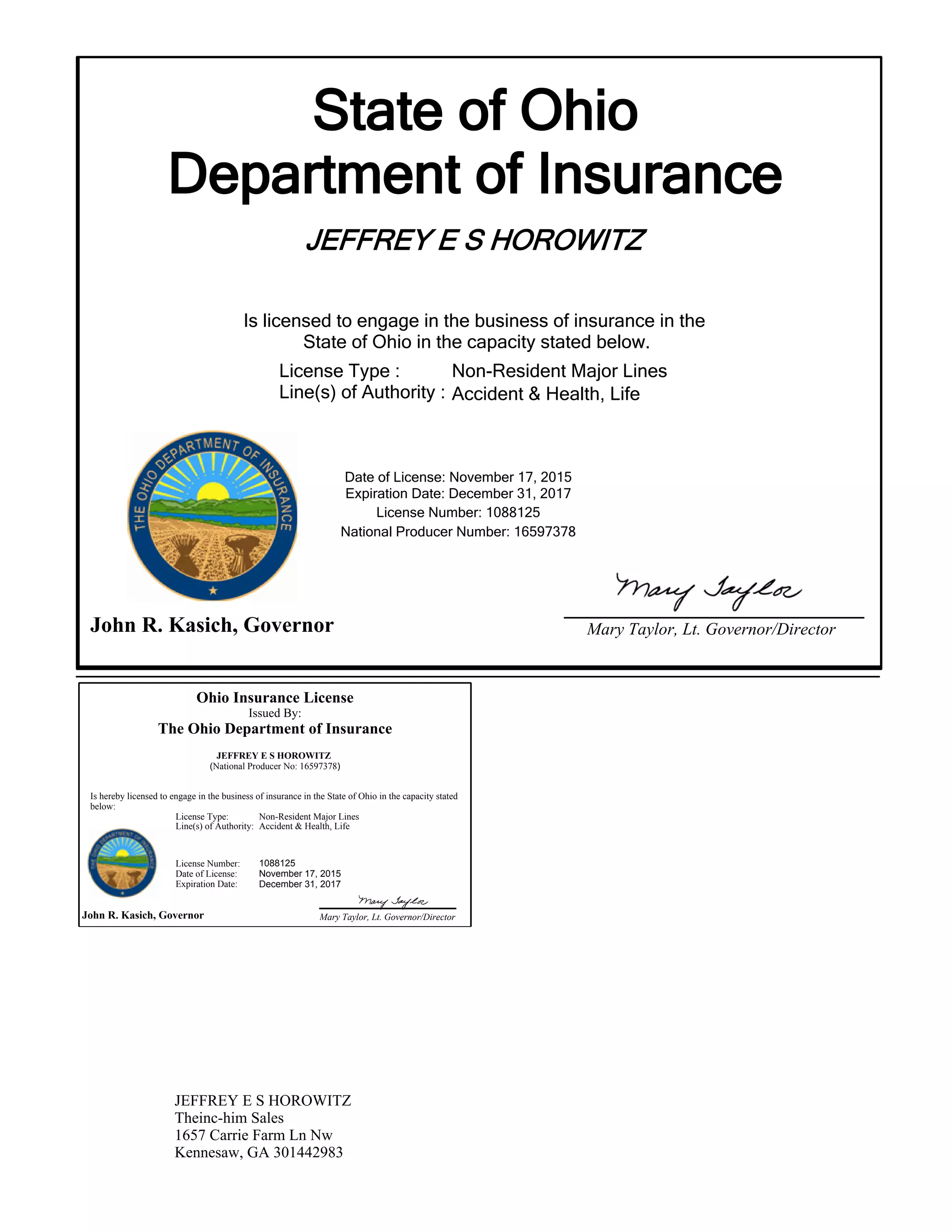
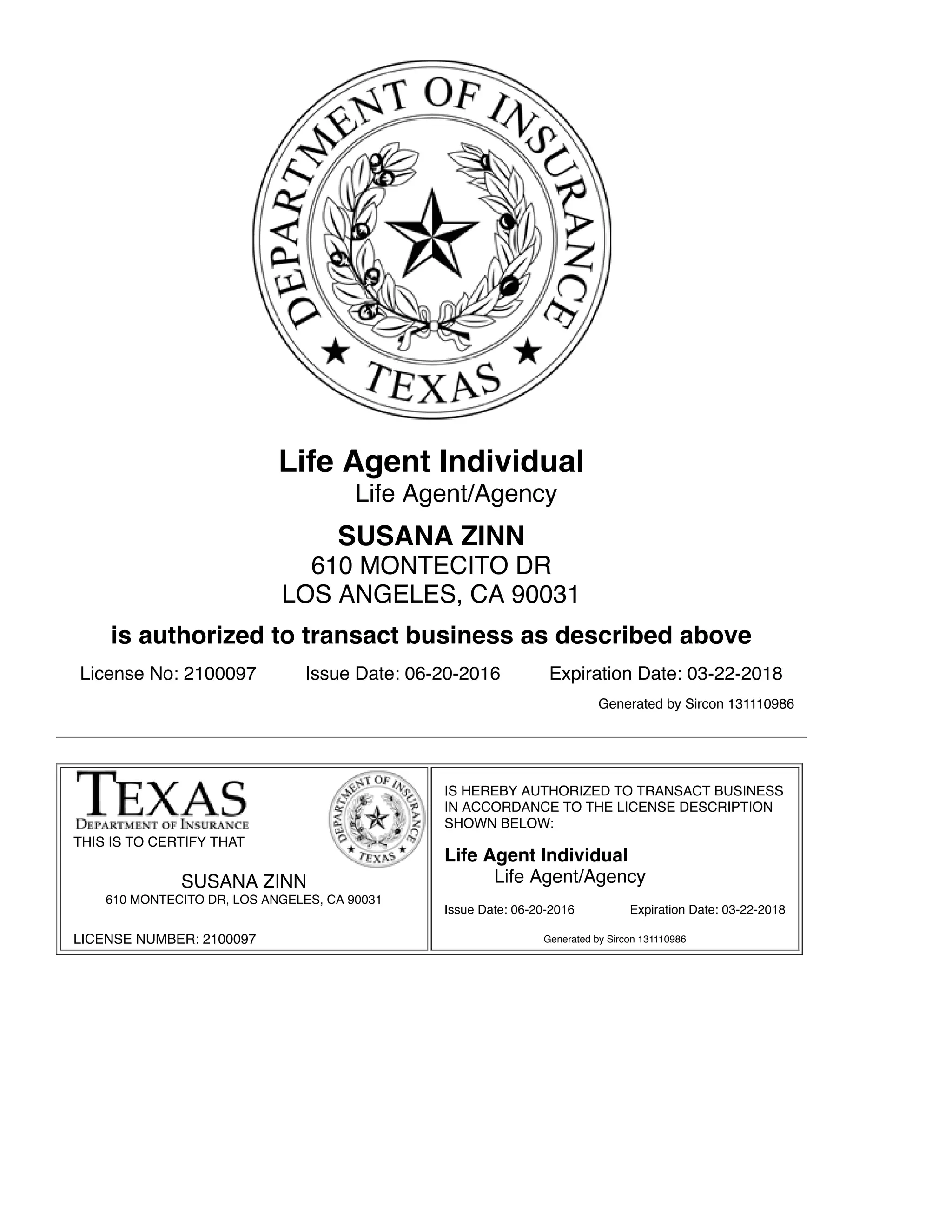
- Confirm your status shows Active with the Life Line of Authority listed.
Your National Producer Number (NPN) is a unique identifier assigned by the NAIC that tracks your licensing credentials across all states throughout your career.
Expanding Your Business: Non-Resident Life Insurance Licensing via NIPR
Once you hold an active resident life insurance license, expanding your business across state lines is streamlined due to state licensing reciprocity established under federal frameworks and standard rules by the National Association of Insurance Commissioners.
The Reciprocity Principle
Under uniform state standards, non-resident licensing does not require taking additional exams or pre-licensing courses in the secondary state. As long as your resident home-state license remains active and in good standing, other states will issue a non-resident license upon application.
Submitting Non-Resident Applications
- Log into NIPR and select Apply for a License followed by Non-Resident Licensing.
- Select the state or multiple states where you intend to solicit or sell life insurance policies.
- Confirm your active home-state Life license details.
- Pay the state-specific non-resident licensing fees plus NIPR processing fees.
- In most participating states, automated reciprocity rules allow non-resident licenses to be approved electronically within minutes to 48 hours.
Detailed Cost Breakdown for Life Insurance Licensing
Licensing costs vary significantly depending on your home state, required pre-licensing packages, and whether you plan to practice in multiple states. The table below outlines standard nationwide cost ranges.
| Licensing Component | Typical Cost Range | Recurrence | Notes |
|---|---|---|---|
| Pre-Licensing Course | $50 – $250 | One-time | Varies by provider and LOA package (Life vs. Life & Health). |
| State Licensing Exam | $40 – $100 | Per attempt | Administered by vendors like Pearson VUE or Prometric. |
| Fingerprinting / Background | $30 – $75 | Initial application | Required by most states for resident applicants. |
| State Resident License Fee | $50 – $300 | Biennial / Triennial | Set directly by state insurance statutes. |
| NIPR Transaction Fee | $5.90 – $15.00 | Per transaction | Standard NIPR electronic portal fee per application. |
| Non-Resident License Fee | $50 – $400 | Per state | Varies by target state reciprocity fees. |
| Continuing Education (CE) | $30 – $150 | Renewal cycle | Typically 24 hours every 2 years, including ethics. |
Note: Specific fee schedules, state taxes, and testing surcharges are subject to statutory adjustments by state legislatures.
Troubleshooting Common NIPR Application Issues
Even straightforward electronic applications can encounter administrative delays. Below are common obstacles and how to resolve them.
Missing Exam Results
- Symptom: NIPR displays an error stating that state exam requirements have not been met, preventing application submission.
- Resolution: Exam vendors usually take 1 to 3 business days to transmit official scores to NIPR's database. Verify that your legal name and SSN on your exam account match your NIPR profile exactly. If discrepancies exist, contact the testing vendor to update your record.
Background Question Discrepancies
- Symptom: Application status changes to "Under Review" or "Pending Documentation."
- Resolution: If you disclosed past legal matters, ensure all relevant court disposition documents are uploaded into the NIPR Attachments Warehouse. Unexplained disclosures will pause processing until written clarification is received by state investigators.
Address Mismatches and Name Changes
- Symptom: Non-resident application rejected due to home-state validation failure.
- Resolution: Non-resident states validate your status against your resident state record in real time. If you changed your address or legal name, update your home state record via the NIPR Contact Change Request (CCR) tool before submitting non-resident applications.
Frequently Asked Questions
Is NIPR an insurance company or a government agency?
NIPR is neither an insurance company nor a federal government agency. It is a non-profit technology affiliate of the National Association of Insurance Commissioners (NAIC). NIPR provides public-private electronic infrastructure connecting state insurance regulators, producers, and insurance entities to streamline producer licensing data.
How long does it take for NIPR to process a life insurance license?
NIPR transmits your electronic application to state insurance departments in real time. Actual processing times depend on your state's review speed. Resident applications with clear background checks typically take 2 to 7 business days. Non-resident applications in reciprocal states are frequently approved within 24 to 48 hours.
Can I get a life insurance license through NIPR if I have a criminal record?
Having a criminal record does not automatically disqualify you from obtaining a license, but it requires manual state review. Misdemeanors or non-violent offenses may be approved depending on how much time has passed and evidence of rehabilitation. Federal law (18 U.S.C. § 1033) prohibits individuals convicted of felonies involving dishonesty or breach of trust from working in the insurance industry without a formal written consent waiver from the state insurance commissioner.
What is the difference between a Resident and Non-Resident license on NIPR?
A Resident License is issued by the state where you live or maintain your primary place of business. You must hold an active resident license before you can apply for a Non-Resident License in any other state. A Non-Resident License allows you to legally market, solicit, or write life insurance policies in secondary states without taking extra exams.
How do I renew my life insurance license on NIPR?
To renew your license, complete your state's required Continuing Education (CE) hours—typically 24 hours, including 3 hours of ethics, every two years. Once your CE provider reports your credits to the state database, log into the NIPR Licensing Center, select Renew a License, confirm your contact information, and pay the state renewal and NIPR transaction fees.
Next Steps for New Life Insurance Producers
Once your state insurance department approves your application and your active status appears on NIPR, you are legally qualified to proceed with professional practice.
- Secure Errors & Omissions (E&O) Insurance: Before contracting with insurance carriers, purchase professional liability coverage to protect against potential client claims or administrative errors.
- Complete Carrier Contracting: Submit your NPN to life insurance companies or an Independent Marketing Organization (IMO)/General Agency (GA) to complete appointment papers.
- Register for Carrier Anti-Money Laundering (AML) Training: Life insurance products (especially permanent policies and annuities) require periodic AML training under federal FinCEN rules.
- Track Renewal Cycles: Mark your calendar for your resident state’s Continuing Education completion deadline to prevent your license from lapsing.
Disclaimer: Insurance licensing rules, state fees, and pre-licensing education requirements are governed by individual state statutes and are subject to regulatory change. For legal and state-specific licensing questions, consult directly with your home state's Department of Insurance.
Image Gallery