Understanding Penske Truck Sizes for Your Move: A Practical Guide
Selecting the correct truck size is the most critical decision in your moving process, as choosing the wrong vehicle can lead to multiple trips, damaged belongings, or the inability to safely operate the rental on the road. Penske Truc...
Selecting the correct truck size is the most critical decision in your moving process, as choosing the wrong vehicle can lead to multiple trips, damaged belongings, or the inability to safely operate the rental on the road. Penske Truck Rental provides a fleet of commercial-grade vehicles categorized by cubic feet and intended household size, ranging from cargo vans for studio apartments to 26-foot trucks designed for large, multi-bedroom homes.
Contents
Evaluating Your Move: How to Choose the Right Capacity
Before browsing vehicle specifications, you must inventory your household goods. Moving is not just about the number of rooms, but the total volume of your furniture, appliances, and packed boxes. Penske categorizes their rental trucks based on the standard capacity of an average home, but your specific furniture profile—such as oversized sectionals, upright pianos, or extensive home gym equipment—may require a larger vehicle than a typical inventory estimate suggests.
When assessing your needs, consider the "Tetris effect." You will rarely achieve 100% efficiency in stacking, meaning you should always aim for a buffer of approximately 10% to 15% more space than your calculated volume. A truck that is packed to the ceiling is significantly more dangerous to drive due to weight distribution and shifting loads, which can compromise steering and braking stability.
Penske Fleet Overview: Understanding Vehicle Specifications
Penske maintains a standardized fleet, meaning that while exact truck models may vary by availability, the internal dimensions and weight ratings remain consistent. Familiarizing yourself with these standard sizes will help you make an informed decision.
Cargo Vans
Ideal for small moves or studio apartments, the cargo van is the most maneuverable option. It provides approximately 250 to 300 cubic feet of space. These vehicles are designed for items that do not include large furniture pieces, making them best for students or individuals moving limited personal belongings.
12-Foot Truck
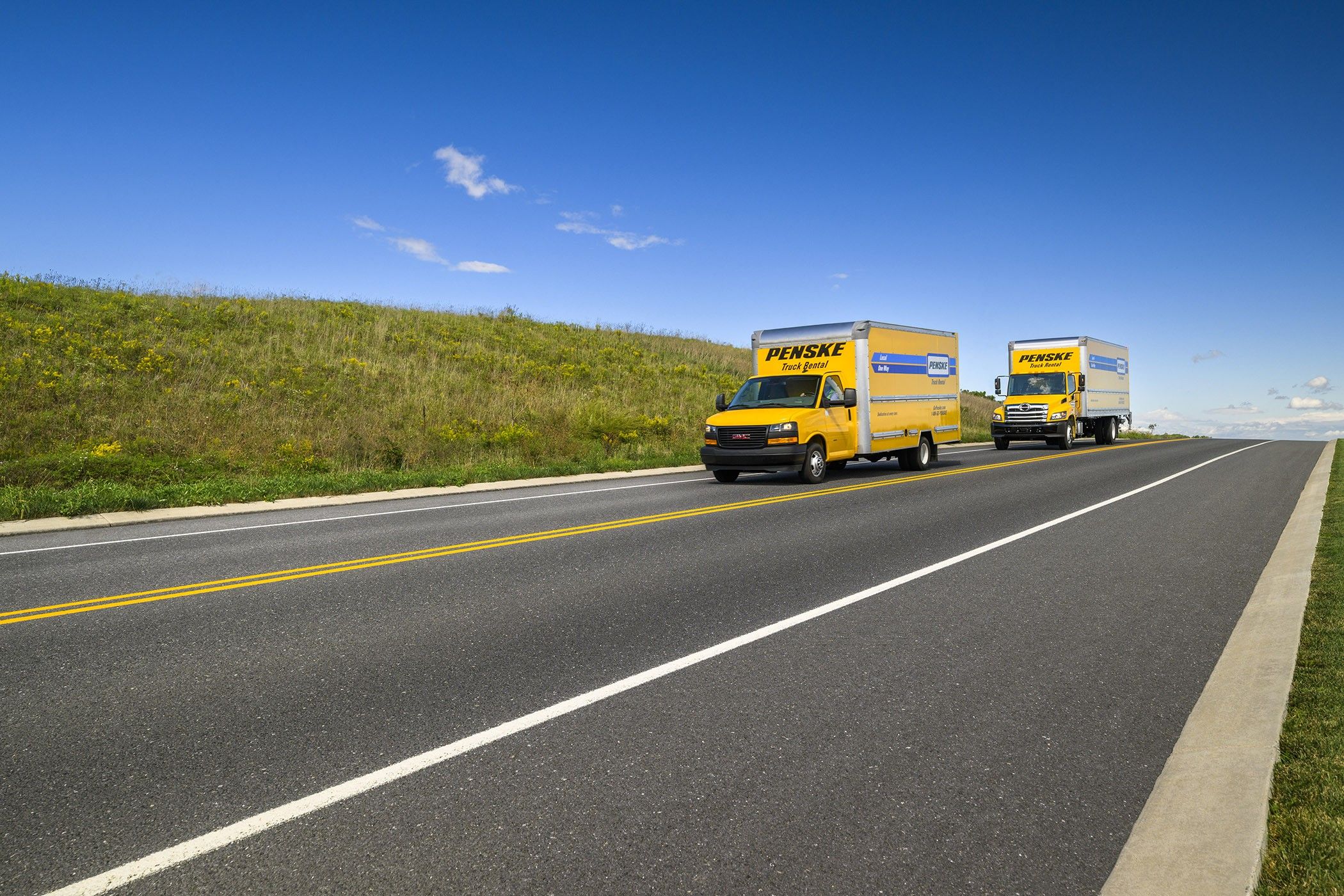
The 12-foot truck is the smallest moving truck offered by Penske. It is suitable for small 1–2 bedroom apartments or dorms. These vehicles typically feature a low deck height, which simplifies the loading process. They are often the most fuel-efficient option for local, in-town moves.
16-Foot Truck
Designed for 2–3 bedroom homes, the 16-foot truck provides a substantial step up in volume. This size is a common choice for families moving from smaller houses. Because it handles a larger load, these trucks often include a "mom’s attic"—a storage compartment located over the cab—that is perfect for fragile items, electronics, or specialized tools that should not be buried beneath heavy furniture.
22-Foot and 26-Foot Trucks
For 3–5 bedroom homes and beyond, the 22-foot and 26-foot trucks are the workhorses of the Penske fleet. These vehicles are built on heavy-duty chassis and are typically equipped with robust loading ramps. They are intended for long-distance moves where maximizing your haul in a single trip is the priority.
Comparison Table: Penske Truck Capacities
| Truck Size | Recommended Capacity | Common Use Case |
|---|---|---|
| Cargo Van | Studio/Small Apartment | Minimal furniture, boxes |
| 12-Foot | 1-2 Room Apartment | Basic furniture, kitchen/bedroom |
| 16-Foot | 2-3 Room Home/Apartment | Small house, full living/bedroom sets |
| 22-Foot | 3-4 Room Home | Medium house, garage/basement items |
| 26-Foot | 5+ Room Home | Large house, full household move |
Loading Logistics and Safety Considerations
The size of the truck is only half the equation; how you utilize the interior space dictates the safety and efficiency of your transit. A common mistake among first-time renters is failing to secure items against the interior walls of the truck.
Utilizing Built-in E-Track
Penske trucks are generally outfitted with E-Track systems—metal rails along the interior walls. Using ratchet straps to secure your load at various heights is vital to prevent shifting during transit. Shifting loads can cause the truck to become unstable on highway curves or during emergency stops.
Ramp Usage and Load Distribution
When using the loading ramp, ensure the truck is parked on level ground. Always place the heaviest items at the front of the cargo area (directly behind the cab) and distribute weight evenly from side to side. Failure to center the weight can lead to excessive tire wear and uneven handling characteristics that may be amplified at highway speeds.
Legal and Operational Requirements
Operating a rental truck involves different physical demands than driving a standard passenger vehicle. Penske trucks are classified as commercial vehicles even when used for residential moves.
Height Clearances
Every rental truck has a specific clearance height. Before departing, locate the height sticker inside the cab. You must be aware of this height when driving under bridges, entering parking garages, or navigating drive-thru lanes. Striking an overhead object is one of the most common causes of significant damage and is typically not covered by standard rental protection plans.
Fuel and Fuel Efficiency
Larger trucks, particularly the 22-foot and 26-foot models, have significant fuel consumption requirements. Factor in the cost of diesel or gasoline when budgeting for your trip. Because these trucks are not aerodynamic, your fuel economy will decrease significantly at speeds over 60 mph. Maintaining a steady, moderate pace is both safer and more cost-effective.
Licensing
In the United States, most Penske rental trucks for personal use do not require a Commercial Driver’s License (CDL). However, local state laws may have specific regulations regarding vehicle weight ratings. Always confirm your local requirements if you are renting a 26-foot truck for a long-distance relocation.
Troubleshooting Common Moving Day Issues
Even with careful planning, unexpected challenges occur. If you discover your load is exceeding your truck size, do not attempt to overstuff the cabin or strap items to the outside of the vehicle.
- Load Overflow: If you have underestimated, check for nearby Penske locations to see if a trailer or a second vehicle is available. Never exceed the Gross Vehicle Weight Rating (GVWR) provided by the manufacturer.
- Mechanical Alerts: If the truck displays a "Check Engine" or "Service" light, contact the Penske roadside assistance number provided in your rental agreement immediately. Do not attempt to self-diagnose or ignore these indicators, as modern truck sensors are critical for engine longevity.
- Clearance Errors: If you find yourself approaching a bridge with a clearance lower than your truck height, stop well in advance. Backing up a 26-foot truck is difficult and requires a spotter; if you are alone, seek assistance from a passerby or local authorities rather than risking a collision.
Frequently Asked Questions
Does the 26-foot truck require a special driver's license? No, for personal residential moves, a standard valid driver's license is sufficient to operate a 26-foot Penske truck. However, you should be comfortable operating a large vehicle before heading onto busy highways.
What is the "mom's attic," and why is it useful? The "mom's attic" is a separate, small storage space located above the truck cab. It is ideal for fragile items like lamps, TVs, or mirrors that could be damaged if placed in the main cargo area under heavier furniture.
Is truck rental insurance necessary? While your personal auto insurance may cover some aspects of your daily vehicle, it often does not extend to commercial rental trucks. Penske offers various protection plans that cover damage to the truck and liability. Review these options carefully, as the cost of repairing a damaged box truck can be substantial.
What happens if I need the truck for longer than expected? Contact the Penske location where you picked up the truck as soon as you realize you will be late. Extensions are subject to availability and may be subject to additional daily rates.
Can I tow my car behind a Penske rental truck? Yes, Penske offers towing equipment such as car carriers and tow dollies. Ensure that your vehicle’s weight is compatible with the towing equipment and that you have practiced maneuvering with a trailer before departing on a long journey.
Final Recommendation for Your Move
To ensure a successful relocation, begin by creating a comprehensive inventory of your household. If your volume falls between two truck sizes, always opt for the larger size. The cost difference is generally negligible compared to the expense and frustration of making two trips or leaving essential items behind. Verify your route for low-clearance bridges, secure your cargo using E-Track straps, and prioritize defensive driving to accommodate the vehicle's size and weight.
Image Gallery