How a Wolf Pack Werewolf Shapes Myth
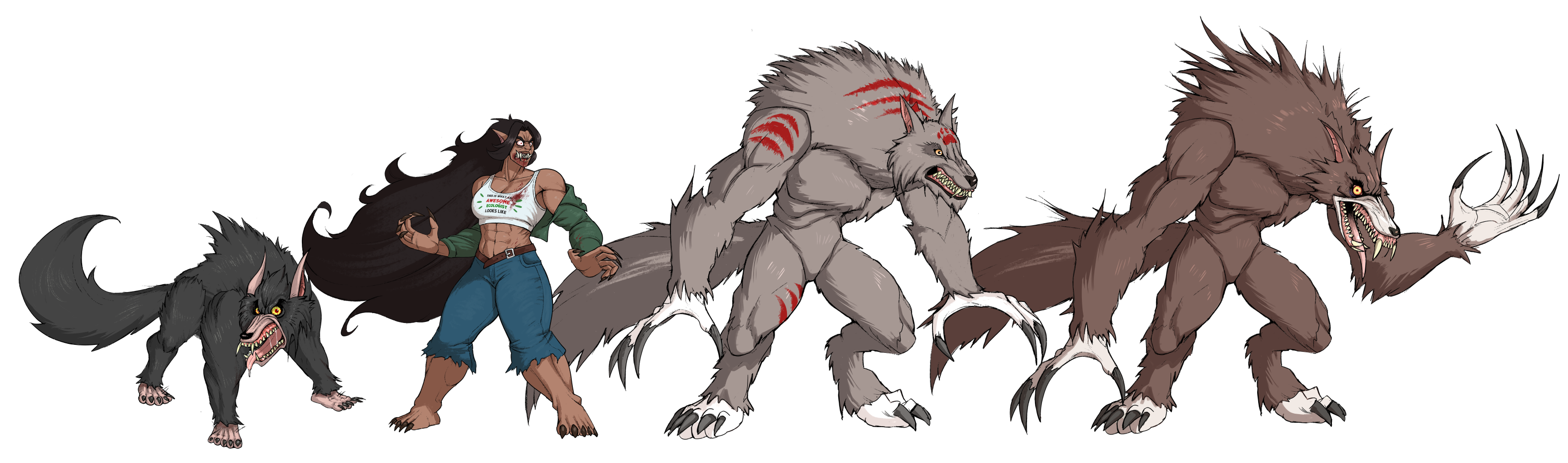
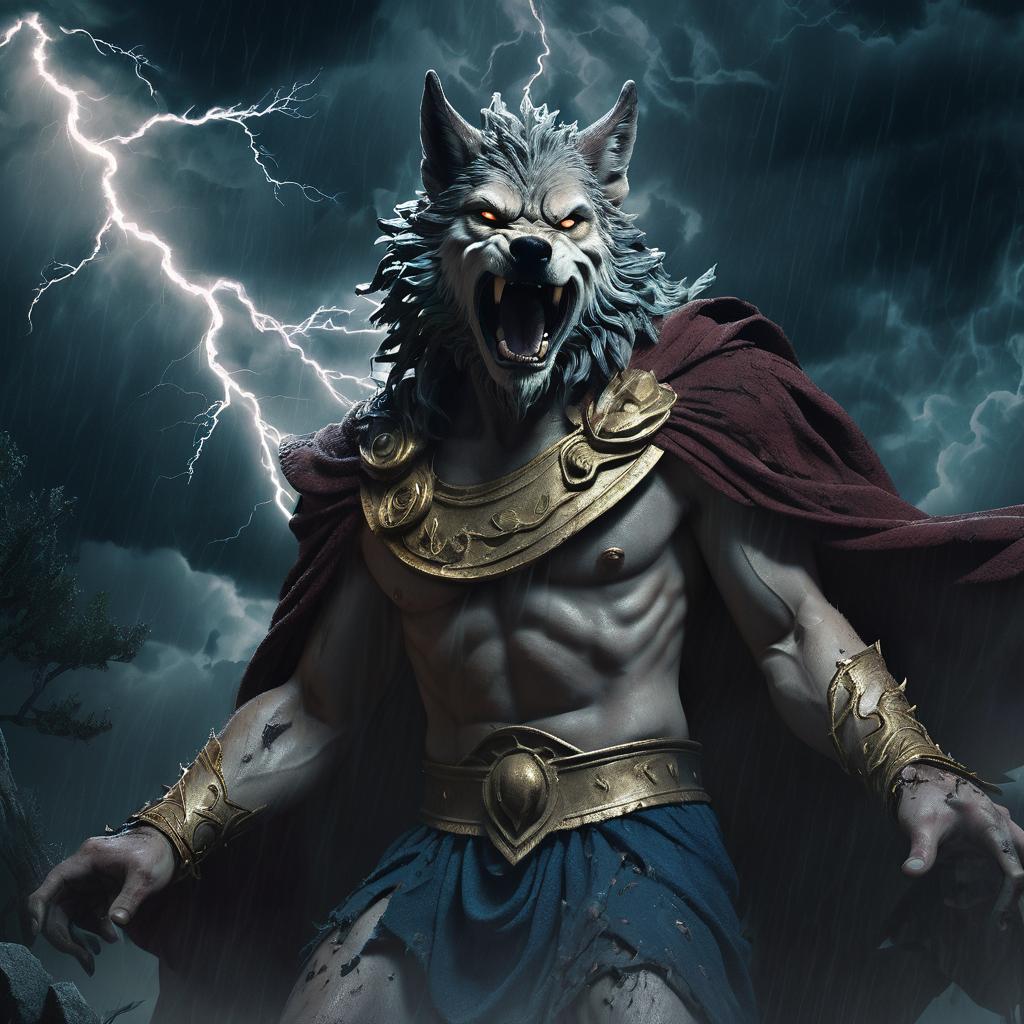
The myth of the werewolf has evolved from a solitary, cursed monster into a complex creature of social hierarchy, largely driven by the popular concept of the wolf pack werewolf. This evolution bridges traditional folklore with modern...
The myth of the werewolf has evolved from a solitary, cursed monster into a complex creature of social hierarchy, largely driven by the popular concept of the wolf pack werewolf. This evolution bridges traditional folklore with modern storytelling, transforming the lone outcast into an organized member of a structured supernatural community.
Contents
The Evolution of the Solitary Curse into a Social Order
For centuries, folklore depicted the werewolf as an isolated figure. In European history and early oral traditions, lycanthropy was typically viewed as an individual affliction—a punishment from gods, a pact with the devil, or the result of wearing a magical wolf pelt. The afflicted individual wandered into the woods alone, completely detached from human society and incapable of forming bonds with other beasts.
The modern reimagining of the werewolf as a pack-oriented creature draws heavily from mid-to-late 20th-century pop culture, most notably through cinematic interpretations and contemporary fantasy literature. By applying biological concepts of real-world wolf behavior to supernatural lore, storytellers created a rigid social structure. This structural shift fundamentally altered how myths represent power, territory, and identity within fantasy narratives.
Instead of a random curse affecting an isolated victim, lycanthropy became a condition that integrates individuals into a parallel society. This shift reflects a broader cultural fascination with tribalism, loyalty, and structured conflict, reshaping the werewolf from a simple symbol of animalistic savagery into a nuanced character study on community and belonging.
Biological Realism Versus Supernatural Folklore
To understand how the wolf pack archetype shapes modern myth, one must examine the intersection of real wolf biology and supernatural fiction. Real-world wolf packs, as studied extensively by behavioral ecologists, are typically family units consisting of an adult breeding pair and their offspring, governed by cooperation rather than the aggressive dominance hierarchies once popularized in mid-century pop culture.
Popular culture, however, adapted an outdated version of wolf behavior—specifically the strict alpha, beta, and omega hierarchy—and magnified it for dramatic effect. In contemporary werewolf myth, this translates to:
- The Alpha: The dominant leader whose strength, tactical cunning, and willpower maintain pack cohesion and territorial control.
- Betas: The sub-commanders and trusted advisors who enforce pack rules and protect vulnerable members.
- The Pack: The body of warriors and hunters who rely on collective strength to survive external threats, such as rival packs or human hunters.
- Omegas: Often portrayed as the low-ranking or outcast members, serving as a narrative device to highlight internal conflict or underdog redemption arcs.
By mapping these social tiers onto shape-shifters, mythology gained a new vocabulary. Writers could now explore political intrigue, leadership challenges, and systemic loyalty within a monster narrative, elevating tales of werewolves from simple horror to complex urban fantasy and drama.
The Alpha Dynamic and Leadership Archetypes
At the center of the wolf pack mythos is the Alpha. This archetype serves as a focal point for exploring themes of absolute power, responsibility, and corruption. Unlike human political leaders, an Alpha's authority is frequently tied to physical dominance and primal magnetism. This creates an immediate source of tension: leadership must be constantly defended against challengers from within the pack.
| Pack Role | Traditional Folklore Counterpart | Modern Mythological Function | Behavioral Dynamic |
|---|---|---|---|
| Alpha | The Cursed Warlock / Sorcerer | Central leader and protector | Maintains order, commands absolute loyalty, risks challenges from rivals. |
| Beta | The Loyal Companion / Second Beast | Strategic enforcer and mediator | Bridges the gap between leadership and general pack members. |
| Lone Wolf | The Solitary Murderer / Outcast | The rebel or outsider | Challenges societal norms; highlights the danger of isolation. |
| Pack Member | Anonymous Monster Horde | Specialized community citizen | Provides collective identity, emotional stakes, and familial bonds. |
This leadership model allows storytellers to examine different forms of governance. An Alpha can be portrayed as a benevolent protector shielding their people from extermination, or as an authoritarian tyrant who rules through fear. Consequently, the pack becomes a microcosm of human political systems, exploring how communities organize, fracture, and survive under pressure.
Territorialism and the Boundaries of Myth
Real wolves are fiercely territorial, patrolling and defending fixed ranges to secure resources for their families. In werewolf lore, territorialism becomes a primary narrative engine. The pack's geographic domain—whether it spans a dense Pacific Northwest forest or the hidden underground of a modern metropolis—defines its safety, economic survival, and political standing.
When werewolf packs interact with human civilization or rival supernatural factions, the conflict almost invariably centers on borders. Crossing an invisible line in the woods or operating within another pack's urban district acts as an immediate catalyst for violence. This spatial awareness introduces several key elements to the myth:
- The Secrecy Covenant: Packs must carefully manage their territory to avoid detection by humans, blending primitive survival instincts with modern stealth.
- Resource Control: Access to hunting grounds, sacred sites, or safe havens dictates the overall power balance between rival groups.
- Boundary Disputes: Territorial violations create immediate narrative stakes, forcing packs into alliances or wars that mirror historical human geopolitical conflicts.
Psychological Impact: Loss of Self Versus Community Identity
A central theme in traditional werewolf lore is the terror of losing one's humanity. The individual transforms against their will, committing atrocities during the full moon, and waking up with blood on their hands and deep psychological trauma. The introduction of the pack dynamic alters this internal conflict significantly.
Within a pack, the individual's identity is subsumed not just by the beast, but by the collective mind of the community. Pack telepathy, shared emotional resonance, and strict obedience to the Alpha mean that a werewolf is rarely ever truly alone with their conscience. This creates a dual psychological burden:
- The Comfort of Belonging: For marginalized humans who feel alienated from normal society, the pack offers unconditional acceptance and a sense of fierce familial protection.
- The Loss of Autonomy: The pressure to conform to pack laws and surrender personal agency to the collective can feel just as oppressive as the curse itself.
By reframing the psychological struggle from a battle against an inner demon to a negotiation with a surrogate family, modern myth explores themes of peer pressure, cultural assimilation, and identity crisis.
Frequently Asked Questions
How did the concept of the wolf pack originate in werewolf myth?
While historical folklore featured solitary cursed individuals, 20th-century fiction and cinema integrated real-world behavioral ecology concepts—specifically wolf pack structures—to add narrative depth, social hierarchy, and political complexity to monster stories.
Why is the Alpha role so central to modern werewolf stories?
The Alpha archetype provides a direct narrative focus for conflicts involving power, leadership, and responsibility. It allows writers to explore how authority is earned, challenged, and maintained within a closed community.
Do real wolf packs behave the way they are depicted in werewolf myths?
Real-world wolf packs are primarily cooperative family groups led by breeding parents, rather than rigid dominance hierarchies based on constant fighting for the alpha spot. Fiction exaggerates these older biological theories for dramatic effect.
How does the pack myth change the traditional horror elements of lycanthropy?
The pack dynamic shifts the genre away from isolated slasher-style horror toward urban fantasy, political drama, and communal survival, emphasizing loyalty, territory, and social organization over mere mindless slaughter.
What does the "lone wolf" represent in contrast to the pack?
The lone wolf typically symbolizes independence, rebellion, or tragic isolation. In mythological terms, operating outside the pack exposes a werewolf to extreme vulnerability, highlighting the protective value of community.
Conclusion and Next Actions
The transformation of the werewolf from a solitary cursed monster into a structured pack member has permanently enriched speculative fiction and folklore. By examining how storytellers use pack dynamics, territorial boundaries, and leadership hierarchies, readers and writers can better appreciate the depth of modern myth-making. To explore this subject further, examine how real-world behavioral science influences contemporary fantasy literature, or analyze the narrative differences between classical folklore texts and modern urban fantasy adaptations.
Image Gallery