Navigating Mark Klimek Lecture Notes PDF: What Nursing Students Need to Know
The Mark Klimek lecture notes PDF refers to transcribed and summarized study materials derived from Mark Klimek’s popular NCLEX review audio lectures, widely utilized by nursing students preparing for the National Council Licensure Exa...
The Mark Klimek lecture notes PDF refers to transcribed and summarized study materials derived from Mark Klimek’s popular NCLEX review audio lectures, widely utilized by nursing students preparing for the National Council Licensure Examination. These unofficial documents supplement audio files by providing structured outlines of core nursing concepts, pharmacology tips, and prioritization strategies.
Contents
Preparing for the National Council Licensure Examination (NCLEX) often leads nursing graduates to seek out supplementary learning tools that break down complex medical-surgical, pediatric, and psychiatric concepts. Among the most enduring resources in the nursing education community are the audio lectures and associated notes by Mark Klimek, a veteran nurse educator. While the physical blue-book lectures and live review courses have a long-standing history, digital derivatives—specifically the Mark Klimek lecture notes PDF—circulate widely as study aids. Understanding what these notes contain, how they fit into a comprehensive study plan, and where copyright boundaries lie is essential for candidates navigating their licensure journey.
Understanding the Origin of Mark Klimek Lectures
Mark Klimek is a registered nurse and educator who gained widespread recognition for designing dynamic, memory-based review courses tailored to the NCLEX-RN and NCLEX-PN examinations. His teaching methodology focuses heavily on core test-taking strategies, fundamental physiological principles, and high-yield mnemonics designed to help students parse difficult multiple-choice questions.
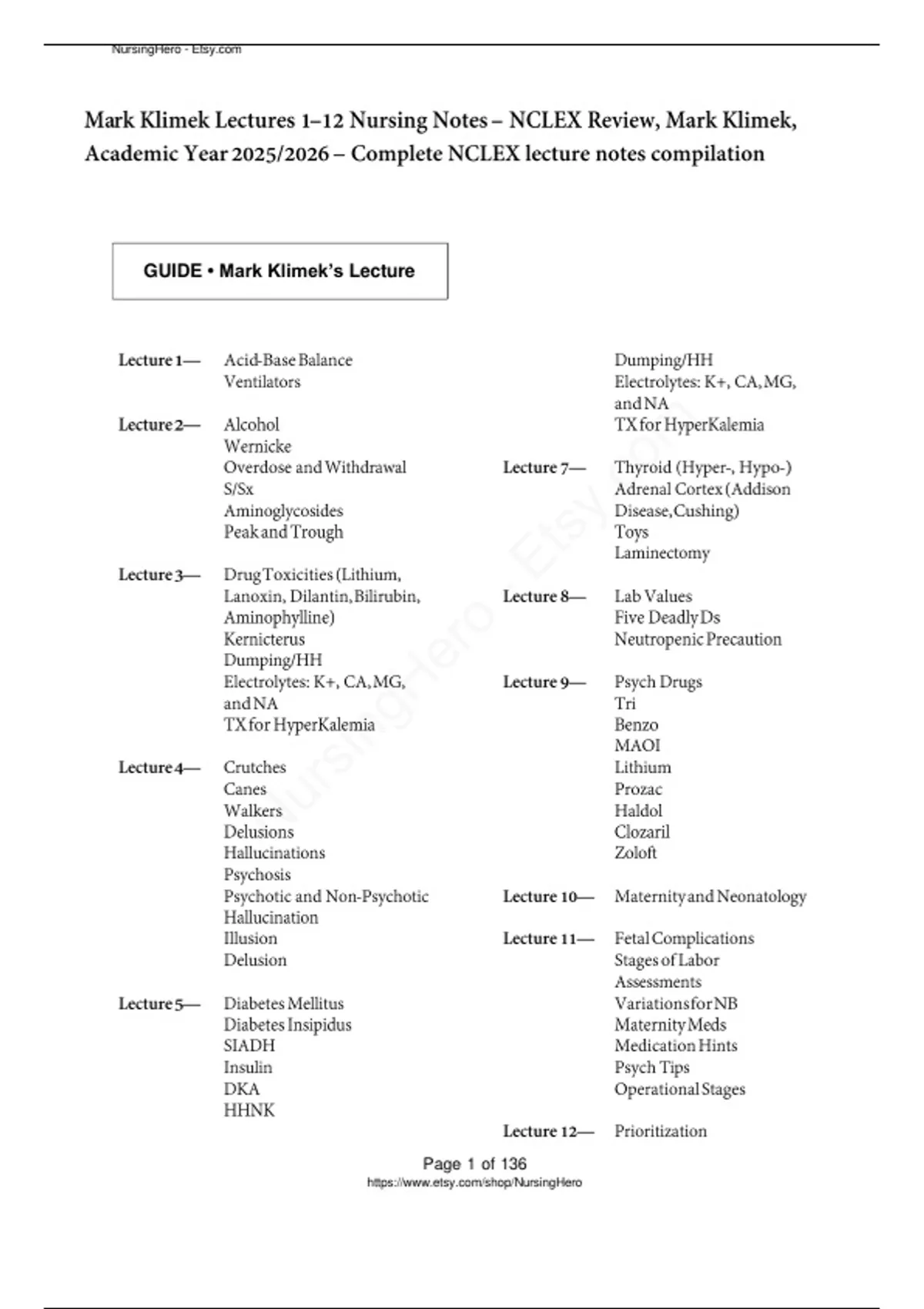
For decades, students have recorded, transcribed, and shared these live or audio-recorded sessions. Over time, these compilations coalesced into typed documents commonly referred to as the Mark Klimek lecture notes PDF. These files typically span several core modules, each dedicated to a distinct clinical specialty or test-taking strategy.
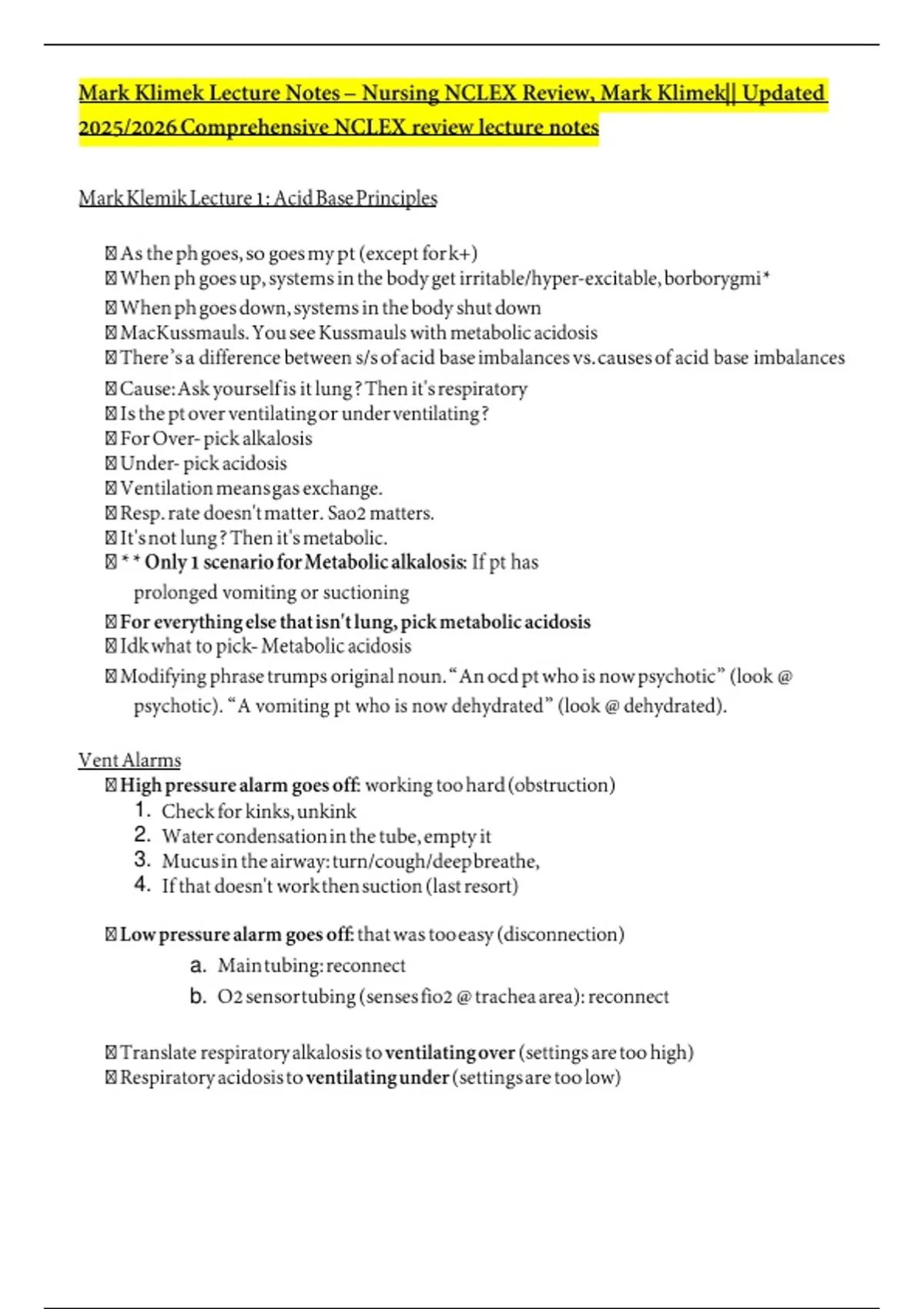
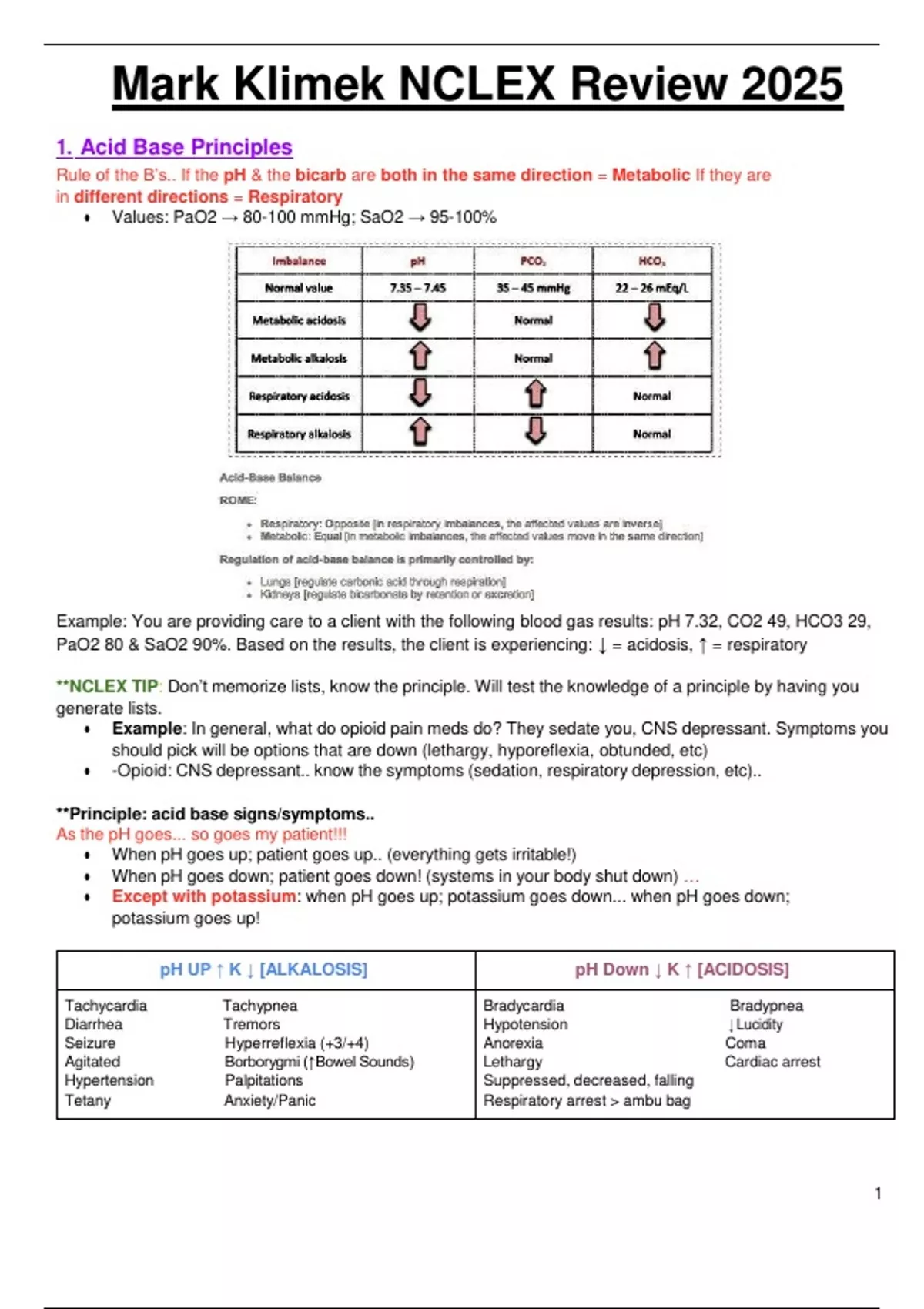
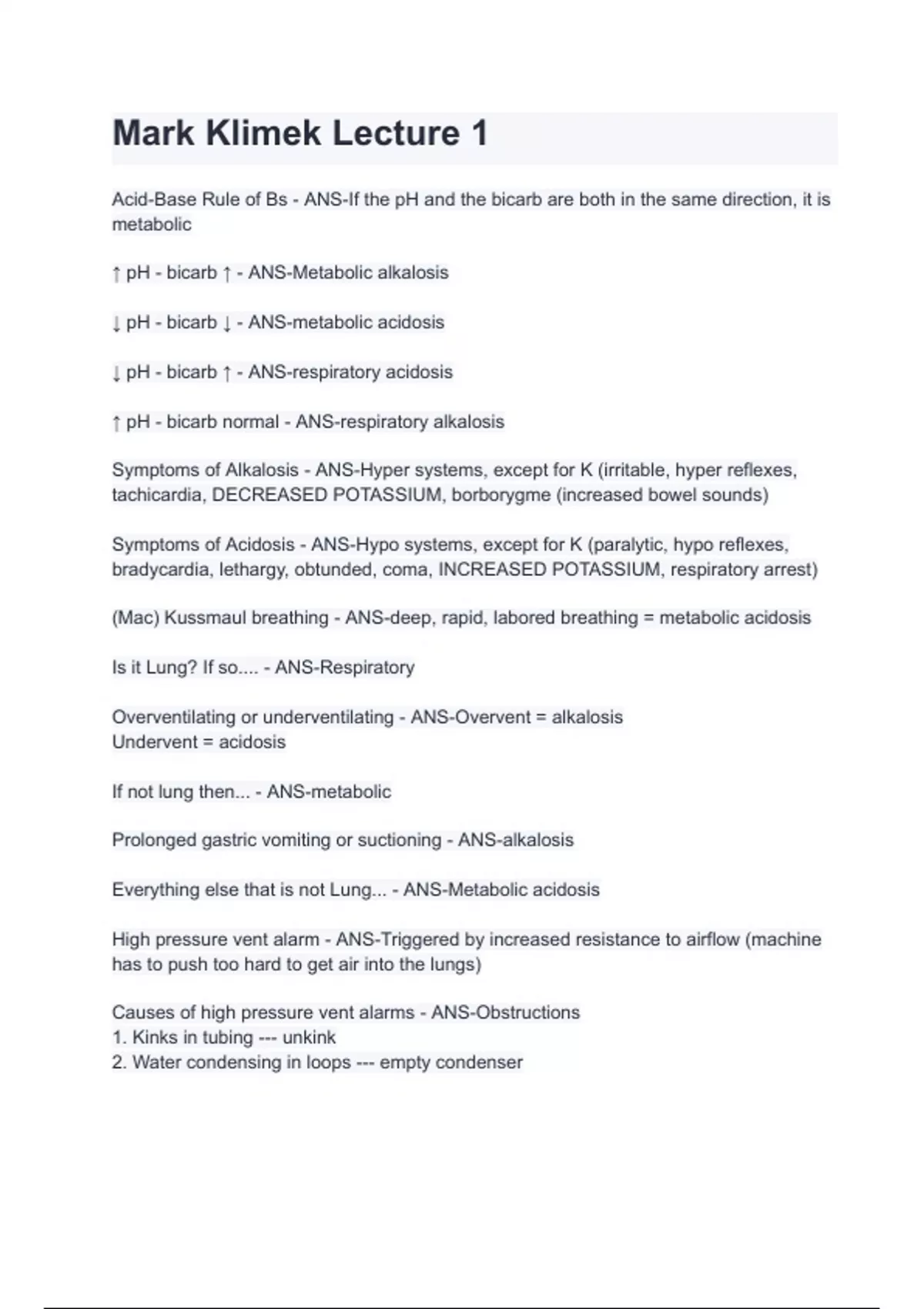
Because these notes originate from live teaching sessions, they capture an informal, highly mnemonic-driven dialogue rather than textbook prose. They emphasize pattern recognition, safety frameworks, and prioritization rules over exhaustive clinical pathology, making them distinct from traditional nursing textbooks.
Breakdown of Core Topics Covered in the Notes
A comprehensive set of lecture notes generally follows the structured modules taught in the official review sessions. While exact wording varies depending on who transcribed the specific PDF version, the core structural topics remain consistent across most iterations.
| Module | Primary Focus |
|---|---|
| Prioritization & Delegation | ABCs, stable vs. unstable clients |
| Labor and Delivery | Fetal heart rate, complications |
| Psychosocial Nursing | Personality disorders, psych meds |
| Pharmacology Mnemonics | Endocrine, cardiac, and renal drugs |
| Pediatrics & Growth | Developmental milestones by age |
Prioritization, Delegation, and Triage
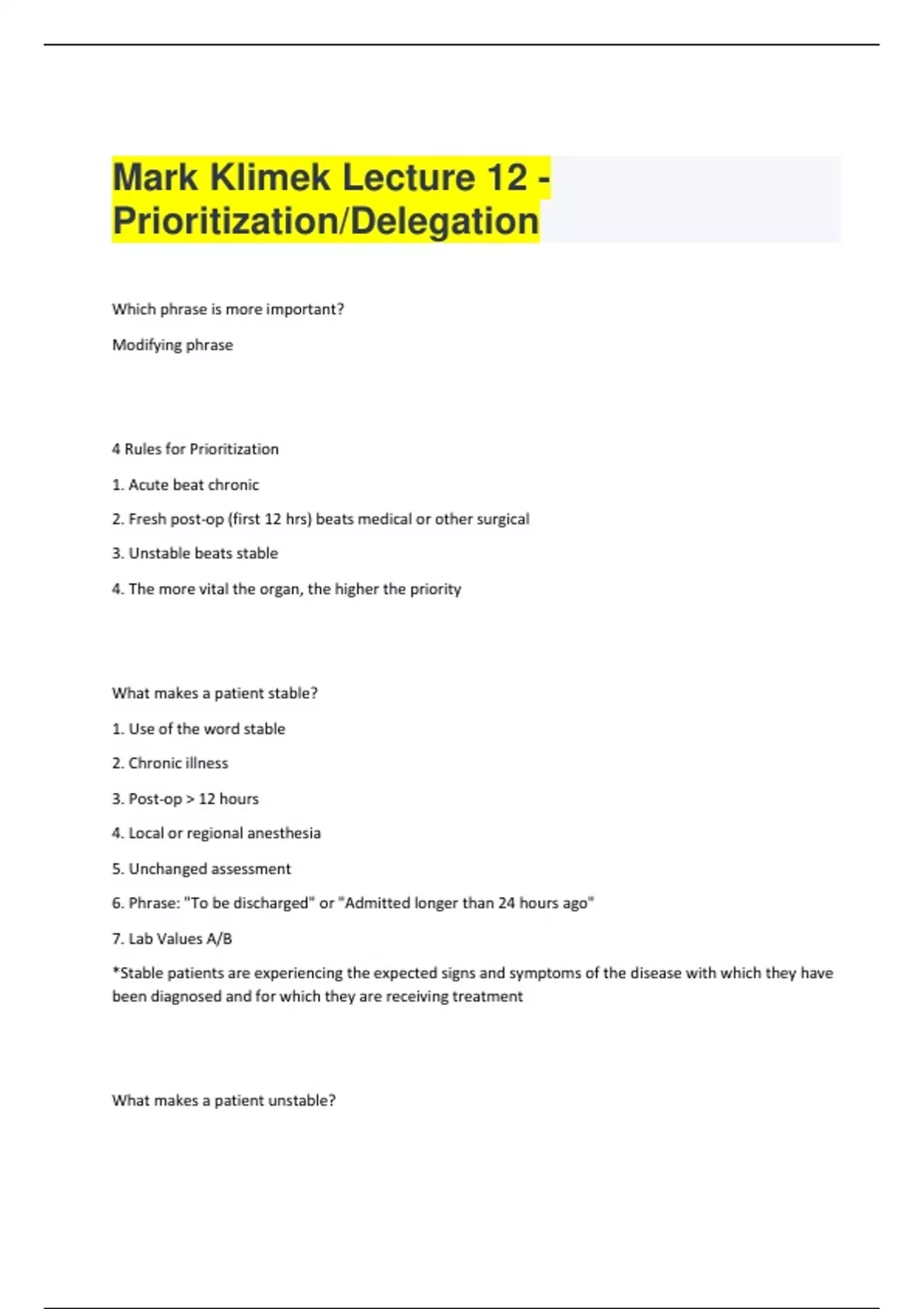
One of the most heavily emphasized sections in the notes covers management of care. Nursing graduates frequently struggle with questions that ask who to see first or which task can be delegated to a Licensed Practical Nurse (LPN) or Unlicensed Assistive Personnel (UAP). The notes outline strict frameworks—such as distinguishing between acute and chronic conditions, unstable versus stable clients, and the absolute boundaries of delegation where clinical judgment is required.
Pharmacology and Drug Classifications
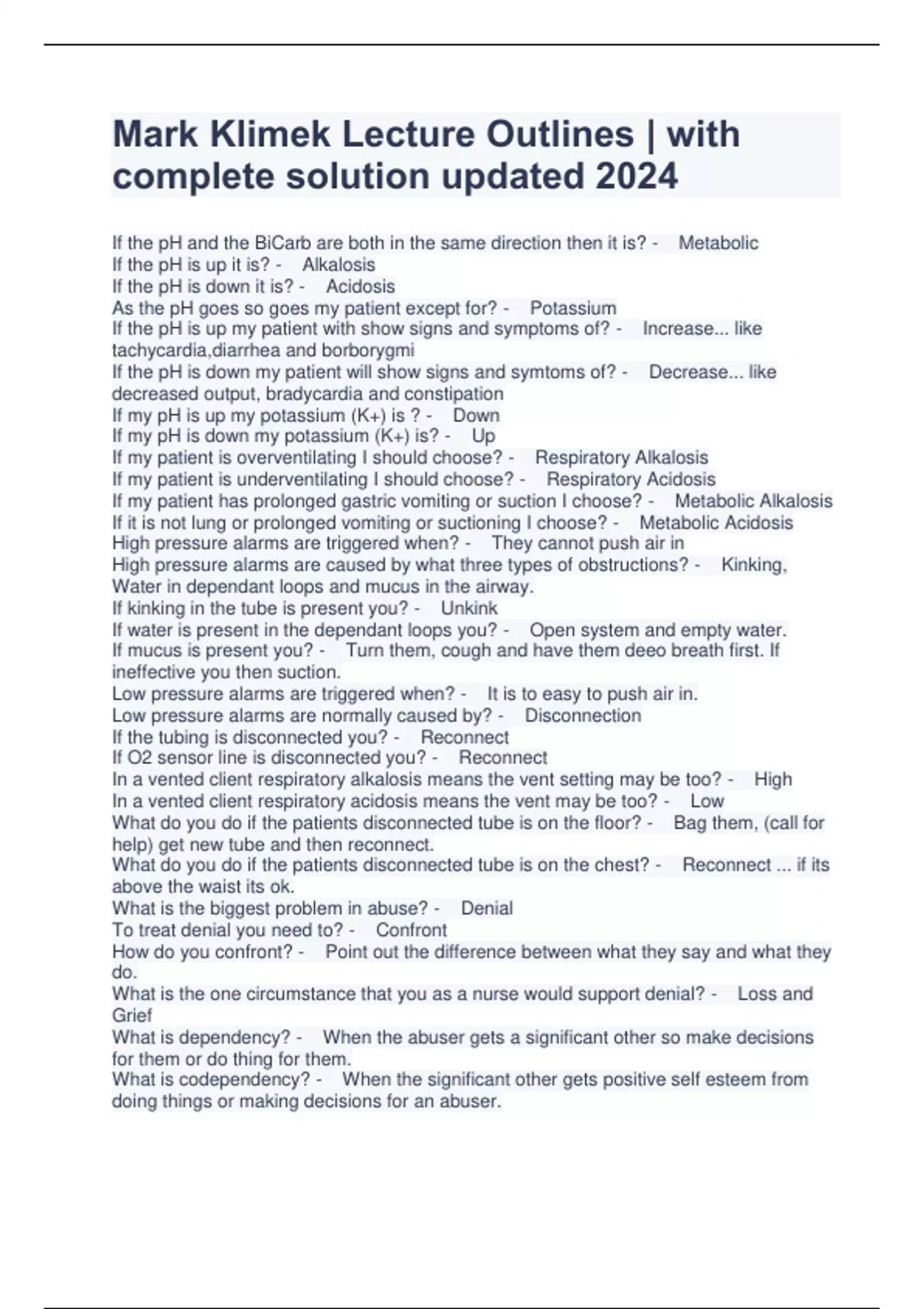
Rather than requiring students to memorize hundreds of individual medications, the notes group drugs by suffix or mechanism of action. They highlight high-risk pharmaceuticals, common toxicities, and critical nursing interventions required before administration. For instance, cardiac medications, psychiatric agents, and endocrine regulators are broken down into recognizable families with associated adverse effects.
Maternal-Newborn and Pediatric Nursing
Obstetrics and pediatrics represent challenging domains for many test-takers. The lecture notes simplify fetal heart rate monitoring patterns using acronyms like VEAL CHOP, outline stages of labor, and categorize pediatric developmental milestones. These summaries provide quick-reference guidelines designed to jog memory during timed practice assessments.
Evaluating the Utility of Unofficial Study Materials
When relying on transcribed notes, candidates must weigh the benefits of condensed, high-yield summaries against the risks of outdated information or transcription errors.
- Advantages:
- Distills vast amounts of clinical data into manageable, high-yield frameworks.
- Emphasizes test-taking intuition and elimination strategies rather than rote memorization.
- Provides memorable mnemonics that assist with rapid recall under exam pressure.
- Limitations:
- Unofficial PDFs may contain typographical errors introduced by transcribers.
- Medical guidelines, pharmacology recommendations, and clinical standards evolve; older lecture notes may not reflect the absolute latest clinical updates.
- Notes lack the interactive context, visual aids, and detailed explanations provided by full audio sessions or verified curricula.
Integrating Lecture Notes Into a Modern NCLEX Study Plan
Relying solely on a PDF document is rarely sufficient for passing the adaptive licensure examination. Modern test preparation requires active engagement with question banks, performance analytics, and comprehensive rationales.
Candidates should use the lecture notes as a foundational review tool rather than a standalone curriculum. A balanced preparation strategy typically unfolds in structured phases.
- Content Review: Read through specific sections of the notes to refresh memory on fundamental disease processes or delegation rules.
- Audio Pairing: Whenever possible, listen to the corresponding audio tracks to hear the rationale and clinical context behind the written points.
- Active Practice: Immediately apply the concepts learned from the notes by completing targeted practice questions in an adaptive question bank.
- Rationales Analysis: Review both correct and incorrect answers on practice tests to bridge gaps identified during the note-reading phase.
Frequently Asked Questions
Are the Mark Klimek lecture notes PDF files official study materials?
No. The official review course is managed through authorized platforms like Klimek Reviews. Documents circulating online as PDFs are typically unofficial transcripts or student-compiled summaries of audio recordings from live or archived lectures.
Do these notes cover the current Next Generation NCLEX (NGN) format?
While the foundational clinical concepts remain relevant, older lecture notes predating the introduction of the Next Generation NCLEX may lack explicit training on complex case studies and multi-part clinical judgment measurement items. Students should supplement notes with NGN-specific practice items.
How can I verify if a downloaded PDF is accurate?
Because these documents are user-generated, verifying absolute accuracy is difficult. The safest approach is to cross-reference any clinical guidelines, lab values, or drug toxicities found in the notes with current, authoritative nursing textbooks or official clinical references.
Can I pass the NCLEX using only Mark Klimek notes and audio?
While many candidates report high satisfaction with the audio reviews, relying exclusively on one resource leaves gaps. Most successful test-takers combine review lectures with thousands of practice questions from recognized software to build stamina and test-taking confidence.
Next Steps for Nursing Graduates
If you have acquired or are reviewing a Mark Klimek lecture notes PDF, use it as a companion guide to reinforce core clinical principles and prioritization logic. Pair your reading with active question practice, ensure your pharmacology knowledge aligns with current clinical safety standards, and prioritize understanding the "why" behind every clinical decision to secure a passing result on your licensure examination.
Image Gallery