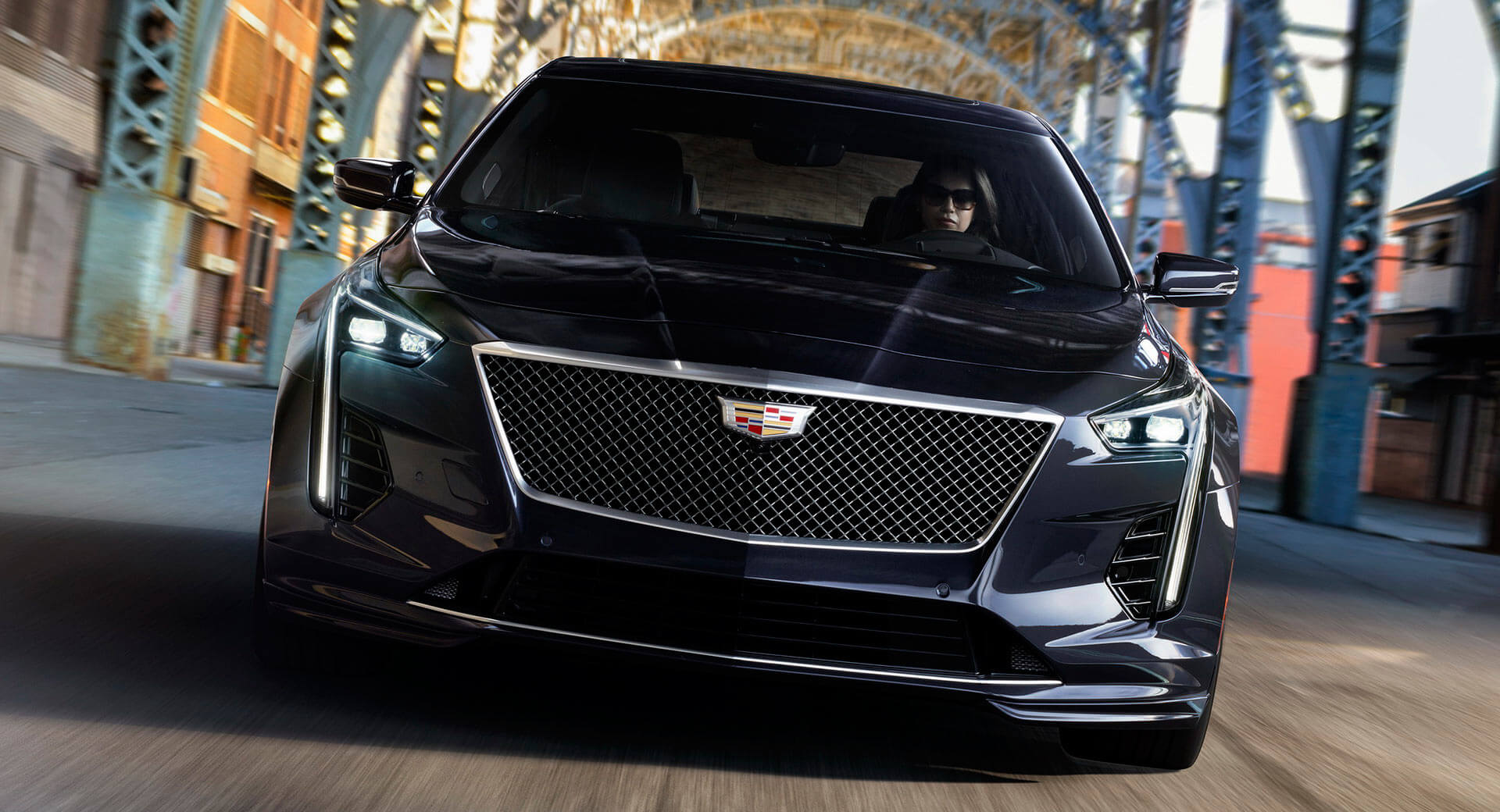
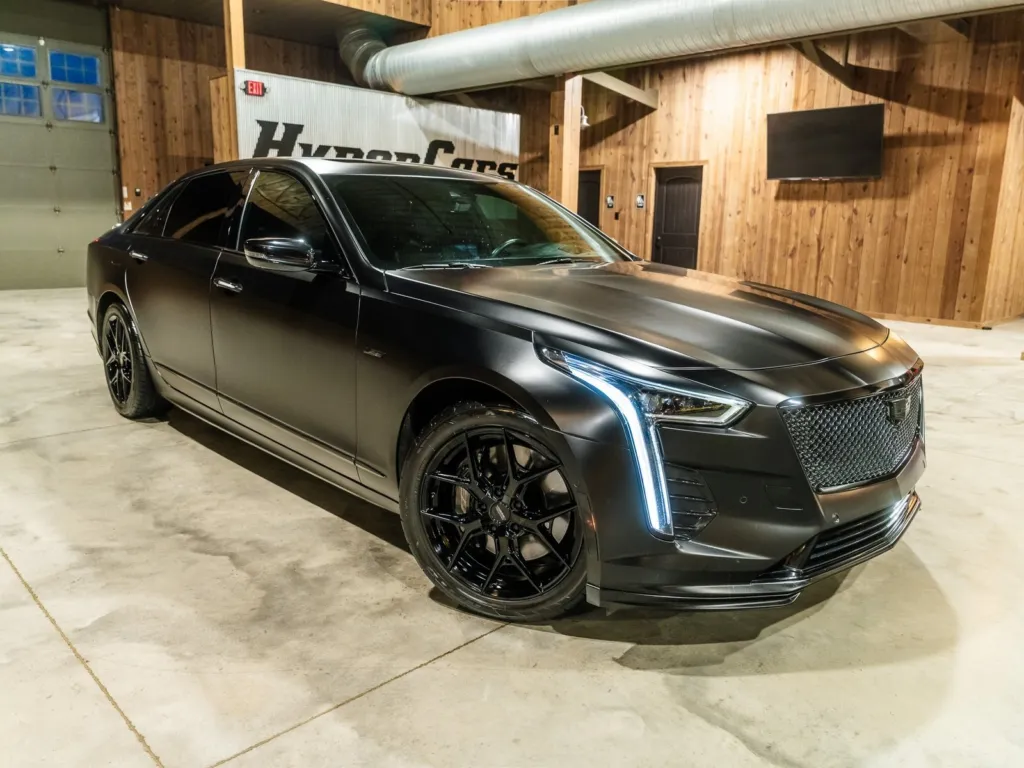
Understanding the 550 HP Performance of the Cadillac CT6-V Blackwing
The 550 hp output associated with the Cadillac CT6-V Blackwing refers to the factory rating of its bespoke 4.2-liter twin-turbocharged V8 engine, known internally as the "Blackwing" engine. This high-performance powertrain served as th...
The 550 hp output associated with the Cadillac CT6-V Blackwing refers to the factory rating of its bespoke 4.2-liter twin-turbocharged V8 engine, known internally as the "Blackwing" engine. This high-performance powertrain served as the centerpiece for the final iteration of Cadillac’s flagship sedan, blending luxury sedan dimensions with supercar-adjacent acceleration and sophisticated all-wheel-drive dynamics.
Contents
The Origin of the 550 Horsepower Specification
When Cadillac introduced the CT6-V for the 2019 model year, it represented a significant departure from previous performance-oriented efforts by the brand. The core of this vehicle's identity is the LTA engine—a 4.2-liter, dual-overhead-cam, twin-turbocharged V8. Unlike the pushrod engines Cadillac typically utilized in its V-Series models, the Blackwing engine was engineered from the ground up to provide immense torque and power density.
The 550 horsepower figure is officially rated at 5,700 RPM. However, the true character of this powertrain is found in its torque delivery. The engine produces 627 lb-ft of torque starting at 3,200 RPM, which allows the relatively large CT6 chassis to accelerate with a sense of urgency usually reserved for smaller, purpose-built sports coupes. This engine utilized "hot-V" architecture, where the turbochargers are positioned between the cylinder banks to minimize exhaust gas travel distance, thereby reducing turbo lag and providing near-instant throttle response.
Technical Architecture and Engineering
To achieve 550 horsepower reliably, Cadillac employed several advanced engineering solutions. The engine block is constructed from aluminum, featuring cast-in iron cylinder liners to ensure durability under the stress of forced induction.
Key technical components include:
- Dual-Scroll Turbochargers: These units are optimized to provide low-end torque while maintaining high-end horsepower. By splitting the exhaust pulses, the system maximizes the energy available to the turbine wheels.
- Active Fuel Management: Despite the high-performance output, the engine includes cylinder deactivation technology, allowing it to run as a V4 under light loads to improve fuel efficiency during cruising conditions.
- Liquid-to-Air Intercooling: To manage the intake air temperatures—which are critical when running high boost levels—the CT6-V utilizes a sophisticated cooling system to condense the charge air before it enters the combustion chamber.
Performance Dynamics: The Driving Experience
The marriage of the 550 hp engine to a 10-speed automatic transmission and an active all-wheel-drive (AWD) system creates a unique driving profile. The AWD system is rear-biased by design, capable of sending varying amounts of torque to the front wheels based on driving mode and traction availability.
In practical terms, this power allows the CT6-V to achieve a 0-60 mph time in approximately 3.8 seconds, a remarkable feat for a luxury sedan of its length. The chassis is supported by Magnetic Ride Control, which reads the road surface 1,000 times per second and adjusts the dampers accordingly. This integration ensures that the 550 horsepower can be deployed effectively, even in less-than-ideal weather or road conditions, as the system constantly manages traction and body roll.
Comparing the CT6-V to Other V-Series Performance
It is essential to distinguish the CT6-V from other Cadillac vehicles that carry the "Blackwing" moniker. While the CT6-V introduced the engine, later models like the CT5-V Blackwing used a supercharged 6.2-liter V8, which produces significantly more power (668 hp).
| Feature | CT6-V Blackwing (4.2L) | CT5-V Blackwing (6.2L) |
|---|---|---|
| Engine Type | Twin-Turbo V8 | Supercharged V8 |
| Horsepower | 550 hp | 668 hp |
| Torque | 627 lb-ft | 659 lb-ft |
| Transmission | 10-Speed Automatic | 6-Speed Manual / 10-Speed Auto |
| Drive System | AWD | RWD |
This comparison highlights that the 550 hp output of the CT6-V was not intended to be the absolute ceiling of the brand's performance, but rather a balanced, sophisticated execution of power meant to complement the luxury-focused flagship status of the CT6.
Maintenance and Ownership Considerations
Ownership of a high-performance twin-turbocharged vehicle requires adherence to strict maintenance schedules. The 4.2L Blackwing engine relies on high-quality synthetic oil to lubricate the turbocharger bearings. Owners should prioritize:
- Oil Quality: Using the manufacturer-recommended viscosity and specification is critical to preventing oil coking within the turbochargers.
- Coolant System Upkeep: Because the engine uses specialized liquid-to-air intercoolers, maintaining the integrity of the coolant system is vital. A failure in this cooling loop can lead to an immediate loss of power as the Engine Control Module (ECM) pulls back timing to prevent detonation.
- Tire Management: Given the 627 lb-ft of torque, the CT6-V is demanding on rear tires. Monitoring tread wear and maintaining correct tire pressure is essential to preserve the traction control system's effectiveness.
Frequently Asked Questions
Is the 550 hp engine available in any other Cadillac models? No, the 4.2-liter twin-turbocharged "Blackwing" engine was exclusive to the CT6-V and certain non-V trims of the CT6 (where it was detuned to 500 hp). It was not shared with the XT6 or the Escalade.
How does the 550 hp output compare to other luxury competitors? At its peak, the CT6-V competed with German rivals such as the BMW 7 Series and Mercedes-Benz S-Class. While those vehicles often offered higher-output V12s or specialized M/AMG variants, the CT6-V was positioned as a "driver's flagship," focusing more on chassis agility and a unique engine character rather than raw displacement.
Can the 550 hp output be safely increased through aftermarket tuning? While software tunes exist for this engine, increasing power significantly beyond the 550 hp factory rating can place excessive stress on the 10-speed transmission and the turbocharger seals. Experts recommend ensuring the cooling and fuel delivery systems are upgraded before attempting to increase boost pressure.
Why is this engine considered rare? The 4.2-liter engine had a very short production run coinciding with the lifecycle of the CT6, which was discontinued in North America after the 2020 model year. Because of this, the engine is sought after by enthusiasts for its unique sound and engineering pedigree.
Does the 550 hp rating include the weight of the car? No, the 550 hp is a measure of the engine's output at the crankshaft, measured on an engine dynamometer under controlled conditions, independent of the vehicle's curb weight.
Recommendation for Owners and Enthusiasts
If you are currently driving or considering the acquisition of a CT6-V, the best way to maintain the 550 hp performance is to prioritize consistent, professional service. Because the engine represents a niche piece of engineering, ensure that the service technician has experience specifically with the LTA engine family. If you are looking to purchase, request service records to confirm that the cooling system and turbo oil lines have been inspected at the recommended intervals, as these are the primary components that sustain the engine's power output.
Image Gallery