Bristol Police Blotter: Accessing Daily Incident Logs, Arrest Records, and Public Reports
To access the official Bristol police blotter, visit the records division or public portal of your specific local jurisdiction, most commonly the Bristol Police Department in Connecticut or Bristol Township and Borough in Pennsylvania....
To access the official Bristol police blotter, visit the records division or public portal of your specific local jurisdiction, most commonly the Bristol Police Department in Connecticut or Bristol Township and Borough in Pennsylvania. Most departments publish daily incident summaries, arrest logs, and dispatch calls online through dedicated municipal portals or regional media logs within 24 to 72 hours of an incident.
Contents
Public police blotters serve as a primary window into daily neighborhood activity, providing summaries of emergency dispatches, misdemeanor citations, felony bookings, and traffic collisions. Because several major municipalities share the name Bristol across the United States, obtaining accurate records requires identifying your specific municipal authority and understanding local open records laws, redaction thresholds, and official access procedures.
Identifying Your Jurisdiction: Bristol Municipalities at a Glance
Public safety records are strictly localized. Requesting a blotter entry from the wrong agency causes administrative delays and statutory filing dead-ends.
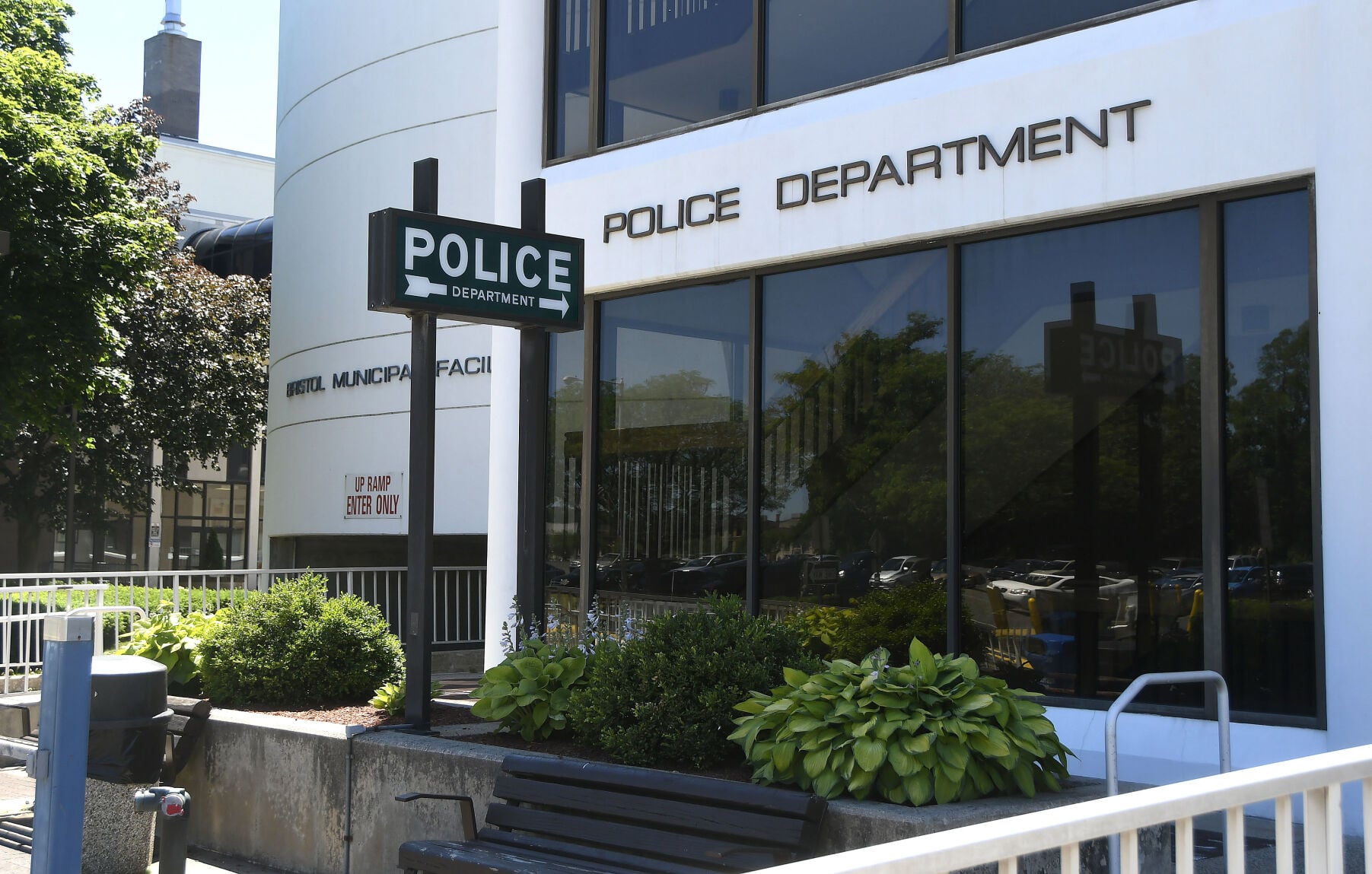
- Bristol, Connecticut (Hartford County): The City of Bristol Police Department oversees municipal enforcement across approximately 26 square miles, maintaining headquarters on North Main Street. Arrest logs and press summaries are published under the requirements of the Connecticut Freedom of Information Act (FOIA).
- Bristol Township, Pennsylvania (Bucks County): Operating independently from Bristol Borough, this department serves the larger township area, providing media releases and incident updates through local county alerts and the Pennsylvania Right-to-Know Law framework.
- Bristol Borough, Pennsylvania (Bucks County): A distinct historic waterfront borough with its own dedicated police agency, handling its own dispatch blotters and local court dockets.
- Bristol, Rhode Island (Bristol County): The town police department maintains regular arrest and incident logs published under the Rhode Island Access to Public Records Act (APRA).
- Bristol, Tennessee / Bristol, Virginia: These independent twin-city agencies straddle the state line, each operating under distinct state statutes (Tennessee Public Records Act vs. Virginia Freedom of Information Act).
The primary focus of this guide covers standard procedures for the largest municipal search intent—the City of Bristol Police Department (Connecticut)—alongside direct filing methods for Bristol Township/Borough (Pennsylvania).
Anatomy of a Modern Police Blotter
A police blotter is not a transcript of legal guilt; it is an administrative log of public safety operations. Understanding what each column or data field signifies prevents common legal misunderstandings and misidentifications.
| NOTE |
|---|
| Standard blotter entries reflect law enforcement initial actions, not judicial outcomes or convictions. |
(The above structural concept is expressed narratively to maintain clean formatting.)
Presumption of Legal Innocence
Every individual named within an initial police blotter, arrest record, or dispatch sheet is presumed innocent until proven guilty in a court of law. Initial charges recorded by arresting officers may be downgraded, amended, or dismissed entirely by prosecuting state attorneys during arraignment or subsequent pretrial proceedings.
Standard Blotter Data Fields
- Incident or Case Number: A permanent alphanumeric tracking string (for example,
26-001234) assigned the moment a call enters the Computer Aided Dispatch (CAD) system. - Date and Timestamp: The precise chronological mark when the call was received or when an officer initiated a field contact.
- General Location: Typically documented by block range (such as "300-block of Farmington Ave") rather than an exact private residence address to protect the privacy of victims and uncharged callers.
- Nature of Incident or Call Type: Standardized dispatch classification codes, such as Disorderly Conduct, Larceny from Motor Vehicle, Breach of Peace, or Suspicious Activity.
- Arresting Officer / Responding Unit: The unique badge or unit identification number for the primary responding officer.
- Disposition: The immediate operational outcome (e.g., Report Filed, Arrest Made, Referred to Other Agency, Field Warning Issued).
Official Methods to View Bristol Police Blotters and Arrest Logs
Access to law enforcement records occurs through three distinct channels: real-time live logs, formal public records requests, and official state court dockets.
| Jurisdictional Agency | Physical Headquarters | Primary Online Portal / Source | Governing Open Records Statute | Typical Publication Cadence |
|---|---|---|---|---|
| Bristol Police Dept. (Connecticut) | 131 N Main St, Bristol, CT 06010 | City of Bristol Municipal Portal & CT Open Data | Connecticut General Statutes § 1-200 et seq. (CT FOIA) | Arrest logs uploaded within 24 to 48 hours |
| Bristol Township Police (Pennsylvania) | 2501 Bath Rd, Bristol, PA 19007 | Crimewatch PA / Bucks County Portal | 65 P.S. §§ 67.101–67.3104 (PA RTKL) | Daily or weekly arrest and press releases |
| Bristol Borough Police (Pennsylvania) | 250 Pond St, Bristol, PA 19007 | Borough Municipal Webpage & Press Summaries | 65 P.S. §§ 67.101–67.3104 (PA RTKL) | Periodic summary updates and weekly releases |
| Bristol Police Dept. (Rhode Island) | 395 Metacom Ave, Bristol, RI 02809 | Town of Bristol Web Portal | R.I. Gen. Laws § 38-2-1 et seq. (RI APRA) | Weekly police dispatch press logs |
Step-by-Step: Requesting Verified Records in Bristol, CT
For records in Bristol, Connecticut, public information is governed by the Connecticut Freedom of Information Act (FOIA). The department's Records Division handles formal copies of complete case reports beyond the basic blotter line-item.
- Gather Identifiers: Retrieve the incident date, approximate time, location, and the involved parties' names or vehicle plate numbers if known.
- Submit Through the Records Division: In-person submissions can be made at the Records Division window located at 131 North Main Street, Bristol, CT. Operating hours typically span standard business days.
- Online Requests: Use the City of Bristol's official FOIA tracking portal to file electronic requests. Include the exact incident number to accelerate retrieval.
- Examine Fee Schedules: While basic digital viewing of public blotter entries carries no fee, physical copies of accident or complete case narrative reports generally cost $0.50 per page pursuant to standard statutory guidelines.
Tracking Cases in Bristol Township and Borough, PA
Pennsylvania law enforcement agencies widely utilize the Crimewatch platform to circulate active warrants, recent arrests, and regional public safety bulletins.
- Access the local Bucks County Crimewatch network online.
- Navigate to the respective Bristol Township or Bristol Borough agency section.
- Filter by "Arrests," "Incidents," or "Warrants."
- For formal case reports not published directly to the public dashboard, complete a standard Pennsylvania Office of Open Records (OOR) Right-to-Know request form and direct it to the municipal Open Records Officer.
State Judicial Dockets vs. Police Blotters: Understanding the Difference
Many citizens confuse a municipal police blotter with a court docket. While they are related, they represent entirely separate branches of the justice system and report information at different procedural stages.
- POLICE BLOTTER (Executive Branch)
- Real-time incident logs
- Initial charges at booking
- Arrest records and citations
- (Case Transferred to Court)
- COURT DOCKET (Judicial Branch)
- Arraignments and bail hearings
- Amended or dropped charges
- Final adjudications, plea deals, or acquittals
Connecticut Judicial Branch Case Look-up
When a suspect is booked by the Bristol Police Department (CT), the municipal blotter records the initial statutory citations. Within several business days, the official case transfers to the Connecticut Judicial Branch docket system, primarily handled under Geographical Area (G.A.) No. 17 at the New Britain Superior Court.
Searching the state's public case lookup system reveals whether bond was posted, whether charges were substituted by state prosecutors, and when scheduled court appearances occur.
Pennsylvania Unified Judicial System (UJS)
For arrests in Bristol Township or Borough (PA), filings move through the Magisterial District Courts within Bucks County before potentially advancing to the Bucks County Court of Common Pleas in Doylestown. The Pennsylvania Unified Judicial System web portal allows free public searches by participant name, docket number, or issuing agency to review active bail amounts, hearing outcomes, and sentencing.
Legal Exemptions, Redactions, and Protected Information
Not all information documented by responding officers is accessible via the public blotter. Both state statutes and federal privacy laws require records custodians to withhold or redact specific data categories prior to public inspection.
1. Juvenile Information
By state mandate across virtually all jurisdictions, the identities, addresses, and identifying records of individuals under the age of 18 taken into custody are shielded from public release, except under strict judicial transfer orders to adult criminal courts.
2. Identifying Details in Sensitive Offenses
Victims of sexual assault, domestic violence, child abuse, and identity theft are legally protected. In blotter publications, these entries will indicate the nature of the emergency call, but names, precise house numbers, and relationship narratives are omitted.
3. Active Investigations and Tactical Notes
Under Connecticut FOIA § 1-210(b)(3) and similar state-level exemptions, law enforcement agencies are authorized to withhold investigatory records if disclosure would:
- Compromise an ongoing undercover investigation or unexecuted arrest warrant.
- Disclose confidential witness or informant identities.
- Reveal tactical or investigative techniques that compromise public safety.
4. Medical and Behavioral Health Calls
Dispatches involving psychiatric crises, medical overdoses, welfare checks without criminal nexus, and juvenile runaways are generally classified as non-criminal administrative events and are excluded from public blotter logs under medical privacy protocols.
Accuracy Verification and Record Expungement Procedures
Police blotters represent raw historical data. They capture an isolated snapshot of an incident as understood by the responding officer at that exact hour. As a result, relying solely on an archived blotter entry can lead to significant real-world errors.
Verification Protocol
Never rely on a third-party commercial website, social media aggregator, or unofficial neighborhood board for blotter data. Always cross-reference initial arrest entries with the official state court portal to confirm whether the charges were prosecuted, dismissed (nolle prosequi), or acquitted.
Handling Outdated or Erroneous Records
If your name appears on a historic blotter for an incident that was subsequently dismissed or erased by the courts, take the following steps:
- Obtain Certified Court Dispositions: Secure an official certificate of disposition from the clerk of the court demonstrating that the case was dropped, dismissed, or resolved via pre-trial diversion.
- Clean Slate Laws and Automatic Erasure: In Connecticut, the Clean Slate Law provides automated record erasure mechanisms for qualifying misdemeanor convictions and non-convictions after statutory waiting periods. Verify through the Department of Emergency Services and Public Protection (DESPP) whether your official state criminal history record reflects this status.
- Requesting Third-Party Redaction: While municipal police departments cannot rewrite historical dispatch logs, commercial background check companies and digital news publishers are legally required under the Fair Credit Reporting Act (FCRA) and relevant state consumer protection statutes to remove expunged records upon receipt of a certified disposition.
Frequently Asked Questions
Where can I view the Bristol, CT police blotter online for free?
Daily public summaries and press releases are posted directly through the City of Bristol official web portal and affiliated local media partners. For detailed case filings, public access terminals located at the Bristol Police Department Records Division (131 N Main St) provide direct public viewing during scheduled operating hours.
How quickly are arrest records added to the Bristol police blotter?
Arrests are typically entered into the internal records management system immediately during booking and released to public-facing blotters within 24 to 72 hours. Weekend arrests are commonly compiled and released on the following Monday or Tuesday morning, excluding official municipal holidays.
Does an entry on a police blotter mean the person has a criminal record?
No. A blotter entry is an administrative record of police response and initial charges, not a judicial conviction. A formal criminal record only occurs if the arrested individual enters a guilty plea, a plea of nolo contendere, or is found guilty following a trial in state or federal court.
How can I remove my name from an online police blotter?
Official municipal records cannot be altered if the entry was accurate at the time of publication. However, if your charges were dismissed, expunged, or pardoned, you can submit certified court clearance documents to private publishers, digital archives, and background check vendors to mandate the removal or updating of outdated records under relevant consumer protection regulations.
What is the difference between a police log and a full accident report?
A police log or blotter provides only top-level data: date, time, location, vehicles involved, and officer ID. A full accident or crash report contains granular collision mechanics, speed estimates, witness statements, property damage assessments, and an official collision diagram required by automotive insurance adjusters.
Accessing Official Records Responsibly
Monitoring local police blotters provides critical insight into neighborhood trends, municipal safety, and civil accountability. When tracking entries, ensure you identify whether your query belongs to the City of Bristol (CT), Bristol Township (PA), Bristol Borough (PA), or another entity. Always cross-examine initial booking reports against official court judicial databases to confirm final legal outcomes, and file formal public records requests directly with the designated records custodian whenever complete case files are required.
Image Gallery