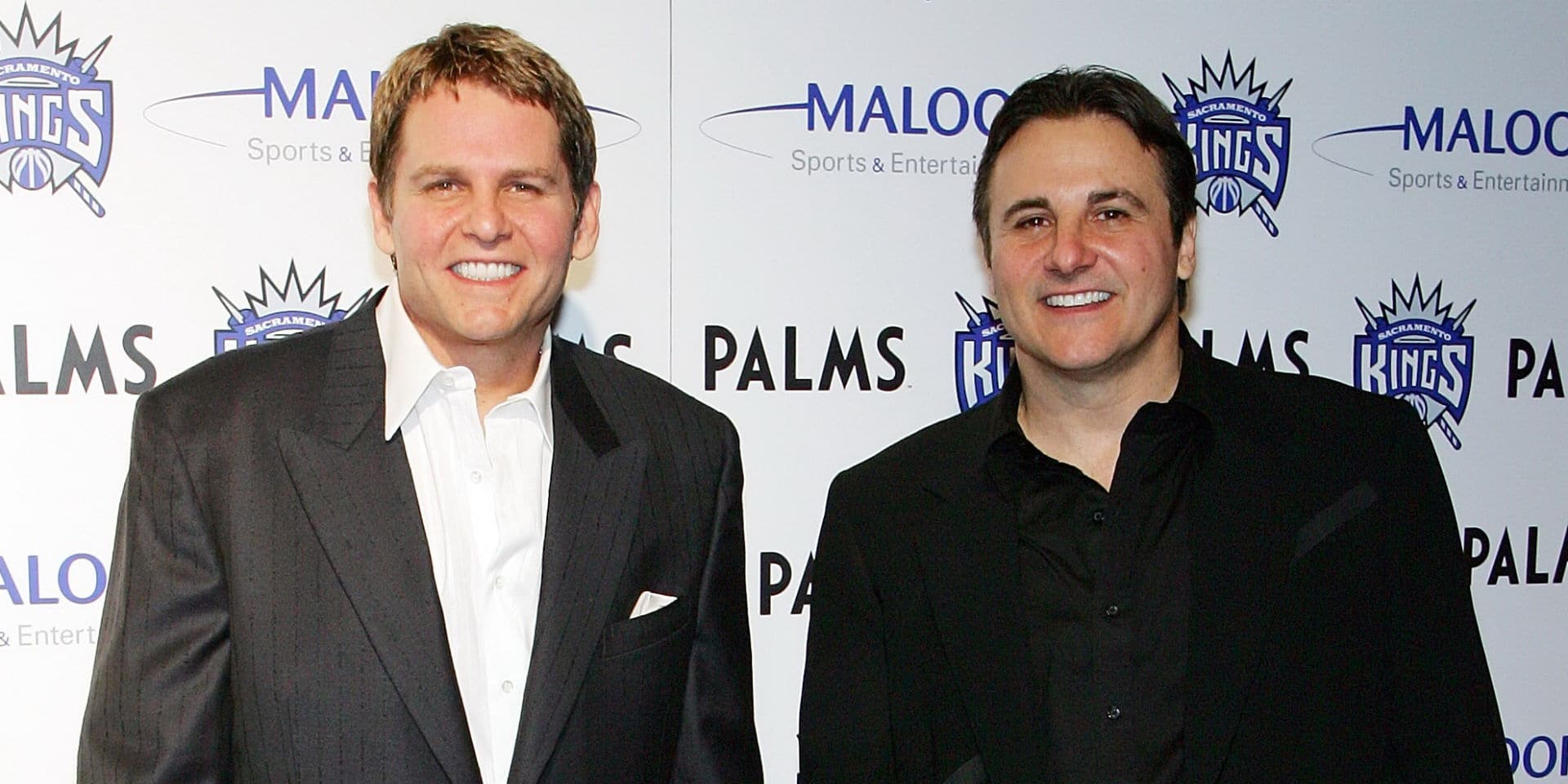
The True Scale of George J. Maloof's Net Worth and Financial Empire
As of 2026, George J. Maloof Jr.’s individual net worth is estimated between $50 million and $100 million, while the combined Maloof family wealth historically peaked at over $1 billion. His fortune stems from real estate development,...
As of 2026, George J. Maloof Jr.’s individual net worth is estimated between $50 million and $100 million, while the combined Maloof family wealth historically peaked at over $1 billion. His fortune stems from real estate development, hospitality, beverage distribution, and major sports franchise ownership.
Contents
The Maloof Family Heritage and Early Enterprise Foundations
To understand the financial scale of George J. Maloof Jr., one must examine the institutional foundation established by his late father, George J. Maloof Sr. The family’s financial ascent began in the mid-20th century in New Mexico, built primarily on exclusive wholesale distribution rights for Coors beer across major regional territories. This cash-generative distribution network provided the liquidity necessary to diversify into commercial banking, real estate acquisitions, hotel operations, and professional sports management.
When George J. Maloof Sr. passed away in 1980, the family business—organized under the umbrella entity Maloof Companies—was directed collectively by matriarch Colleen Maloof and her children: George Jr., Gavin, Joe, Phil, and Adrienne. Rather than liquidating assets, the family expanded their capital deployment strategy under George Jr.’s operational leadership in hospitality and gaming.
George Maloof Jr. earned a degree in business administration from the University of Nevada, Las Vegas (UNLV), which positioned him to lead the family’s entrance into the competitive Southern Nevada gaming market. His initial major project was the development of the Fiesta Park Hotel & Casino in North Las Vegas, which opened in 1994. The Fiesta targeted the local gaming demographic, establishing a high-margin business model that attracted major casino operators. In 2001, the family sold the Fiesta to Station Casinos for approximately $185 million, generating substantial capital that was immediately recycled into flagship developments.
Key Pillars of George Maloof’s Wealth Profile
The wealth of George J. Maloof Jr. cannot be viewed as a static bank balance. Instead, it reflects a dynamic portfolio of leveraged real estate, sports franchise equity, cash reserves from major asset sales, and ongoing venture investments.
Maloof Family Capital Trajectory
- Wholesale Distribution (Coors New Mexico Monopoly)
- First-Generation Gaming (Fiesta Hotel & Casino -> Sold $185M in 2001)
- Flagship Development (Palms Casino Resort -> Opened 2001, Restructured 2011)
- NBA Franchise Equity (Sacramento Kings -> Sold at $534M Valuation in 2013)
- NHL Franchise Equity (Vegas Golden Knights Minority Ownership)
The Fiesta Casino and the Rise of the Palms Resort
Following the successful divestment of the Fiesta, George Jr. spearheaded the development of the Palms Casino Resort, located just off the Las Vegas Strip on Flamingo Road. Opening in November 2001 at a reported construction cost of $265 million, the Palms transformed resort marketing by targeting young professionals, celebrities, and high-profile entertainment productions, including MTV's The Real World: Las Vegas.
At its operational height in the mid-2000s, the Palms generated substantial cash flow through high-volume gaming, luxury suites, and elite nightlife venues like Rain and Ghostbar. However, the business model relied heavily on debt financing.
When the 2008 Great Recession devastated the Las Vegas gaming market, resort revenues plummeted, making the capital structure unsustainable. In 2011, the Maloof family engaged in a debt-for-equity restructuring with private equity firms TPG Capital and Leonard Green & Partners. This transaction reduced the family's ownership stake to a minority percentage in exchange for forgiving hundreds of millions of dollars in outstanding liability. In 2016, Red Rock Resorts (Station Casinos) fully acquired the Palms for $312.5 million, effectively ending the Maloof family's direct operational control over the property.
Sacramento Kings Ownership and Record Sale
One of the most lucrative asset turnarounds for George Maloof Jr. and his family involved the Sacramento Kings of the National Basketball Association (NBA).
- Acquisition Phase: The Maloof family acquired a minority stake in the Kings and their arena, Arco Arena, in 1998, subsequently exercising an option to purchase controlling interest in 1999 for a total reported investment of approximately $247 million.
- Operational Era: Under George Jr. and Gavin Maloof’s management, the Kings experienced their most successful competitive period in franchise history during the early 2000s, consistently selling out home games and reaching the Western Conference Finals.
- Divestment Phase: Facing arena development deadlocks and broader portfolio liquidity needs, the family sold their controlling interest in the team and arena in 2013 to an ownership group led by Vivek Ranadivé. The transaction valued the franchise at a then-record NBA valuation of $534 million.
The cash proceeds from the Kings sale were divided among family members and holding trusts, providing significant personal liquidity that offset losses incurred during the restructuring of the Palms.
Vegas Golden Knights Minority Equity
Recognizing the growth potential of sports entertainment in Las Vegas, George Maloof Jr. and his brothers joined the ownership group led by businessman Bill Foley to bring an National Hockey League (NHL) expansion team to Nevada. The group paid a $500 million expansion fee to the NHL, launching the Vegas Golden Knights for the 2017–2018 season.
While Bill Foley serves as the principal governor, the Maloof family’s minority equity stake has appreciated dramatically. Driven by the Golden Knights' immediate on-ice success, Stanley Cup championship, and the broader escalation of North American sports franchise valuations, the team's enterprise value has risen well past $1 billion, providing George Jr. with a highly valuable illiquid asset on his balance sheet.
Financial Structure Table: Key Transactions and Valuations
The following table outlines the key commercial transactions and asset holdings that have shaped George J. Maloof Jr.'s net worth trajectory:
| Asset / Business Entity | Sector | Transaction Type | Era / Year | Estimated Transaction Value / Peak Valuation | Strategic Financial Impact |
|---|---|---|---|---|---|
| Fiesta Park Hotel & Casino | Gaming / Hospitality | Asset Sale | 2001 | $185 Million | Provided initial liquidity for main gaming ventures |
| Palms Casino Resort | Gaming / Hospitality | Debt Restructure & Sale | 2011 / 2016 | $312.5 Million (2016 Sale) | Equity dilution diluted overall capital holdings |
| Sacramento Kings (NBA) | Professional Sports | Franchise Sale | 2013 | $534 Million Valuation | Generated massive liquidity for family trusts |
| Vegas Golden Knights (NHL) | Professional Sports | Equity Acquisition | 2017–Present | Initial $500M Expansion Fee | Long-term asset value growth |
| Maloof Companies (Beer/Bank) | Distribution & Finance | Operations & Sales | Various | Multi-hundred Millions | Established underlying family base capital |
Analyzing Individual vs. Maloof Family Net Worth
A common point of confusion in financial analysis is the distinction between George J. Maloof Jr.'s individual wealth and the total balance sheet of the Maloof family enterprise.
- Family Trust Structures: The majority of large-scale asset dispositions—such as the Coors distribution rights, Sacramento Kings sale proceeds, and real estate holdings—were held under shared family partnerships and trusts. Distributions are allocated across multiple siblings and beneficiaries.
- Personal Asset Allocation: George Jr.'s personal portfolio includes direct equity in hospitality ventures, private investments, luxury residential real estate holdings in Las Vegas and California, and ongoing entertainment production ventures.
- Debt vs. Gross Asset Value: Historical estimates asserting multi-billion-dollar fortunes frequently confused gross enterprise valuations with net equity positions. The leverage utilized to build large-scale projects like the Palms meant that net liquid payout upon divestment was significantly lower than overall transaction headlines suggested.
Financial disclosures, SEC filings, real estate transfers, and sports purchase disclosures indicate that while the collective family enterprise has handled billions in transaction volume over four decades, George J. Maloof Jr.'s independent net worth stands firmly in the double-digit millions range ($50M to $100M).
Strategic Lessons from the Maloof Portfolio Trajectory
The financial trajectory of George J. Maloof Jr. offers clear insights into real estate capital cycles, leverage management, and sports team equity appreciation.
1. The Risk of High Debt in Capital-Intensive Sectors
The Palms Casino Resort demonstrated how excessive debt leverage can compromise equity control during macroeconomic shocks. While the resort was a cultural success, fixed debt-service obligations during the 2008 downturn forced a structural transfer of ownership to institutional lenders.
2. The Unmatched Growth of Sports Equity
The acquisition and subsequent sale of the Sacramento Kings, followed by early investment in the Vegas Golden Knights, underscored professional sports franchises as superior inflation-hedged growth assets. Sports team valuations often disconnect from underlying annual operating cash flows due to the extreme scarcity of major league franchises.
3. Portfolio Diversification
The Maloof family avoided total concentration risk in hospitality by maintaining non-gaming investments in distribution, entertainment content, and sports management. This asset diversity allowed George Jr. to pivot successfully following the recapitalization of the Palms.
Frequently Asked Questions
What is George J. Maloof Jr.'s estimated personal net worth?
George J. Maloof Jr.’s individual net worth is estimated between $50 million and $100 million. While the Maloof family portfolio has controlled assets worth over $1 billion, individual stakes are divided among multiple family members and holding structures after accounting for historical debt restructurings.
How much did the Maloof family sell the Sacramento Kings for?
The Maloof family sold their controlling stake in the Sacramento Kings in 2013 to an ownership group led by Vivek Ranadivé. The transaction valued the NBA franchise at a then-record $534 million, netting the family significant liquid proceeds.
Does George Maloof still own the Palms Casino Resort in Las Vegas?
No. The Maloof family surrendered majority control of the Palms in 2011 during a debt restructuring with TPG Capital and Leonard Green & Partners. In 2016, Red Rock Resorts (Station Casinos) acquired the resort completely for $312.5 million. It was later sold to the San Manuel Band of Mission Indians in 2021.
How did the Maloof family originally make their money?
The family foundation was established by George J. Maloof Sr. through an exclusive Coors beer distribution business in New Mexico. The profits from beverage wholesaling were reinvested into banking, real estate, hotels, and professional sports teams.
What sports teams does George Maloof currently have a stake in?
George J. Maloof Jr. and his family hold a minority ownership stake in the Vegas Golden Knights, the NHL franchise launched by lead owner Bill Foley in 2017.
What role did George Maloof Jr. play in the family business?
George Jr. served as the main executive overseeing hospitality, gaming, and sports operations. He directly managed the launch of the Fiesta Park Hotel & Casino and the Palms Casino Resort, while co-managing sports operations alongside his brothers Gavin and Joe.
Financial Assessment Summary
George J. Maloof Jr.’s overall financial standing reflects a classic entrepreneurial trajectory defined by high-stakes real estate development, brand creation, and strategic asset sales. While the casino operations faced severe challenges during the 2008 economic contraction, timely exits from professional sports assets like the Sacramento Kings and early investment in the Vegas Golden Knights secured long-term capital stability. Investors, business analysts, and sports enthusiasts looking to track his financial developments should focus on minority equity performance in major league sports franchises and regional real estate holdings across Southern Nevada.
Disclaimer: Net worth figures and asset values discussed in this analysis are estimates derived from public financial reporting, sports transaction summaries, real estate records, and gaming commission regulatory disclosures. They are presented for analytical purposes and do not constitute formal accounting or financial advice.
Image Gallery