The Early Years of Willie Nelson in Music History: From Nashville Songwriter to Outlaw Pioneer
Long before becoming an icon of American roots music, a young Willie Nelson spent over a decade navigating the strict confines of the mid-twentieth-century music industry. During the 1950s and 1960s, Nelson transformed from a clean-cut...
Long before becoming an icon of American roots music, a young Willie Nelson spent over a decade navigating the strict confines of the mid-twentieth-century music industry. During the 1950s and 1960s, Nelson transformed from a clean-cut Texas disc jockey and struggling singer into one of Nashville’s most revered songwriters, composing timeless classics such as "Crazy" and "Hello Walls" before revolting against studio polished norms to pioneer the 1970s Outlaw Country movement.
Contents
Early Roots: From Texas Dancehalls to Radio Airwaves (1933–1959)
Willie Nelson was born in Abbott, Texas, in April 1933, during the height of the Great Depression. Raised by his paternal grandparents, who taught music fundamentals, Nelson was exposed to gospel, ragtime, and traditional country songs early in life. He wrote his first song at age seven and began playing acoustic guitar in local Bohemian polka bands and Texas honky-tonks while still in his early teens. These formative live performances taught him how to command noisy dancehall audiences and adapt his rhythmic backing to match unpredictable ensemble lineups.
Throughout the 1950s, Nelson pursued a dual path as a working musician and radio broadcaster. Moving across Texas, Oregon, and Washington state, he worked as a disc jockey at stations like KVAN in Vancouver, Washington. Broadcasting gave him direct insight into commercial record production and song structure. During this era, Nelson recorded his first commercial single, "No Place for Me" (1957), which he self-financed and promoted on his radio shows.
- 1933: Born in Abbott, TX
- 1957: First Single ("No Place for Me")
- 1960: Moves to Nashville
- 1962: Releases Debut Album
- 1973: Outlaw Breakthrough ("Shotgun Willie")
Despite early local radio airplay, mainstream commercial success remained elusive. His early vocal style—heavily influenced by the phrasing of Frank Sinatra and the gypsy-jazz guitar technique of Django Reinhardt—was considered too unconventional for country radio in the late 1950s. Programmers favored traditional, booming baritones, whereas Nelson sang around the beat, incorporating elastic timing, subtle pitch bends, and conversational pauses.
The Nashville Songwriting Boom: Crafting Hits for Country Legends (1960–1964)
In 1960, Nelson moved to Nashville, Tennessee, intent on securing a recording contract. Short on money, he initially found work as a songwriter for Pamper Music, a publishing company co-owned by country star Ray Price and Hal Smith. To supplement his earnings, Nelson joined Ray Price’s backing group, the Cherokee Cowboys, playing electric bass—an instrument he learned rapidly on the job despite having little prior formal training on it.
- Pamper Music Publishing
- "Crazy" (Patsy Cline, 1961)
- "Hello Walls" (Faron Young, 1961)
- "Night Life" (Ray Price, 1963)
It was during this period that Nelson produced some of the most enduring compositions in popular music history. Rather than adhering to simple three-chord country structures, his songs featured complex harmonic progressions and vulnerable lyrics:
- "Crazy": Made famous by Patsy Cline in 1961, the track featured sophisticated jazz-inflected chord transitions ($I \rightarrow VI^7 \rightarrow ii \rightarrow V^7$) that challenged standard country melody writing. According to historical archives preserved by the Country Music Hall of Fame, Cline’s vocal performance combined with Nelson’s arrangement became a landmark crossover pop success.
- "Hello Walls": Recorded by Faron Young in 1961, this song spent nine weeks at number one on the Billboard country charts, establishing Nelson as a premiere songwriting talent.
- "Funny How Time Slips Away": Recorded by Billy Walker, Jimmy Elledge, and later dozens of pop, soul, and R&B artists, demonstrating the universal appeal of Nelson's songwriting mechanics.
- "Night Life": Inspired by his late-night drives between Texas venues, the song was sold early on to cover basic living expenses and went on to be recorded by over 70 artists, including Ray Price and B.B. King.
In 1962, Liberty Records released Nelson’s debut solo studio album, ...And Then I Wrote. The album showcased Nelson singing his own hit compositions. Visually, the young Nelson of the early 1960s looked nothing like his later public persona; he appeared in promotional materials with short, side-parted hair, a clean-shaven face, tailored suit jackets, and narrow neckties.
The RCA Era and Tension with the "Nashville Sound" (1965–1971)
Recognizing his raw talent, producer and guitarist Chet Atkins signed Nelson to RCA Victor in 1965. Over the next six years, Nelson released more than a dozen studio albums for RCA. However, this era was defined by constant artistic friction between Nelson’s natural instincts and the dominant studio system known as the "Nashville Sound."
| Nashville Sound System | Willie Nelson's Natural Style |
|---|---|
| Heavy orchestral strings | Sparse acoustic arrangements |
| Standardized background vocals | Solo nylon-string guitar ("Trigger") |
| Strict metronomic tempo | Behind-the-beat vocal phrasing |
| Polished, clean studio mix | Raw, conversational delivery |
The Nashville Sound relied on heavily polished production, studio orchestra string sections, and smooth background vocal groups (such as the Anita Kerr Singers). Producers routinely stripped away complex syncopation and muted idiosyncratic instrumental leads to maximize airplay on mainstream AM radio.
This approach ran counter to Nelson's musical signature:
- Vocal Phrasing: Nelson frequently sang behind or ahead of the beat, stretching syllables in a manner reminiscent of jazz vocalists. Studio producers often tried to correct his timing, believing it sounded off-tempo.
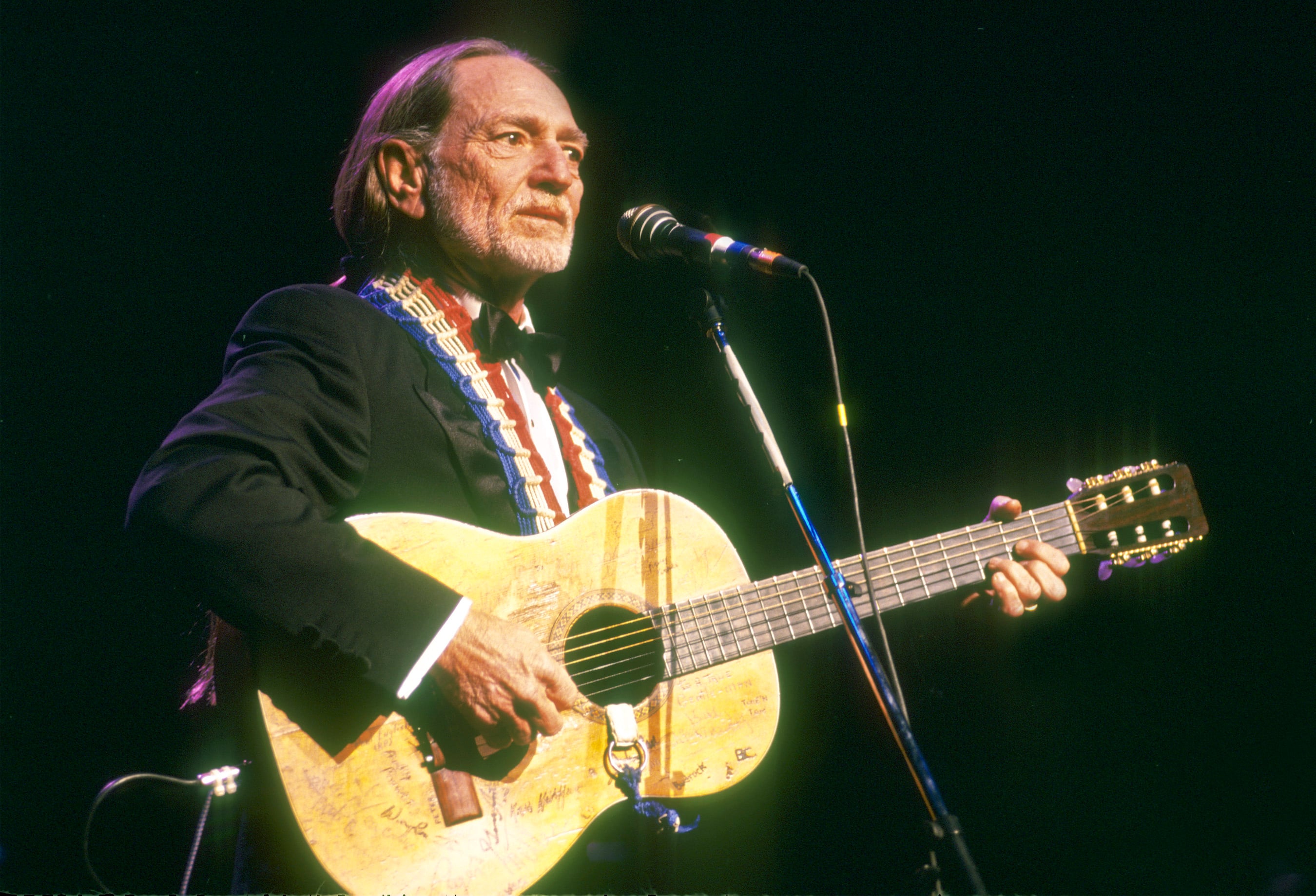
- Instrumentation: In 1969, Nelson acquired a Baldwin N-20 nylon-string acoustic guitar, which he fitted with an internal Prismatone pickup. Dubbing the instrument "Trigger," he used a flatpick on the acoustic body, developing a sharp, percussive tone with swift jazz runs that contrasted with Nashville's standard steel-guitar arrangements.
- Concept Album Design: In 1971, Nelson recorded Yesterday's Wine, a thematic concept album detailing the life and spiritual reflections of an imperfect man. RCA executives initially dismissed the project as unmarketable, though it is now cited by music historians as a pioneer project for early country concept albums.
By late 1971, frustrated by commercial limitations, lack of creative autonomy, and personal setbacks—including a fire that destroyed his Tennessee home—Nelson decided to retire from the Nashville studio system and move back to Texas.
The Transformation: Reinvigorating Music History in Austin (1972–1975)
Relocating to Austin, Texas, in 1972, Nelson encountered a vibrant, countercultural live music environment centered around venues like the Armadillo World Headquarters. Young audiences in Austin were combining classic country roots with psychedelic rock and folk, creating an appetite for unpolished, authentic storytelling.
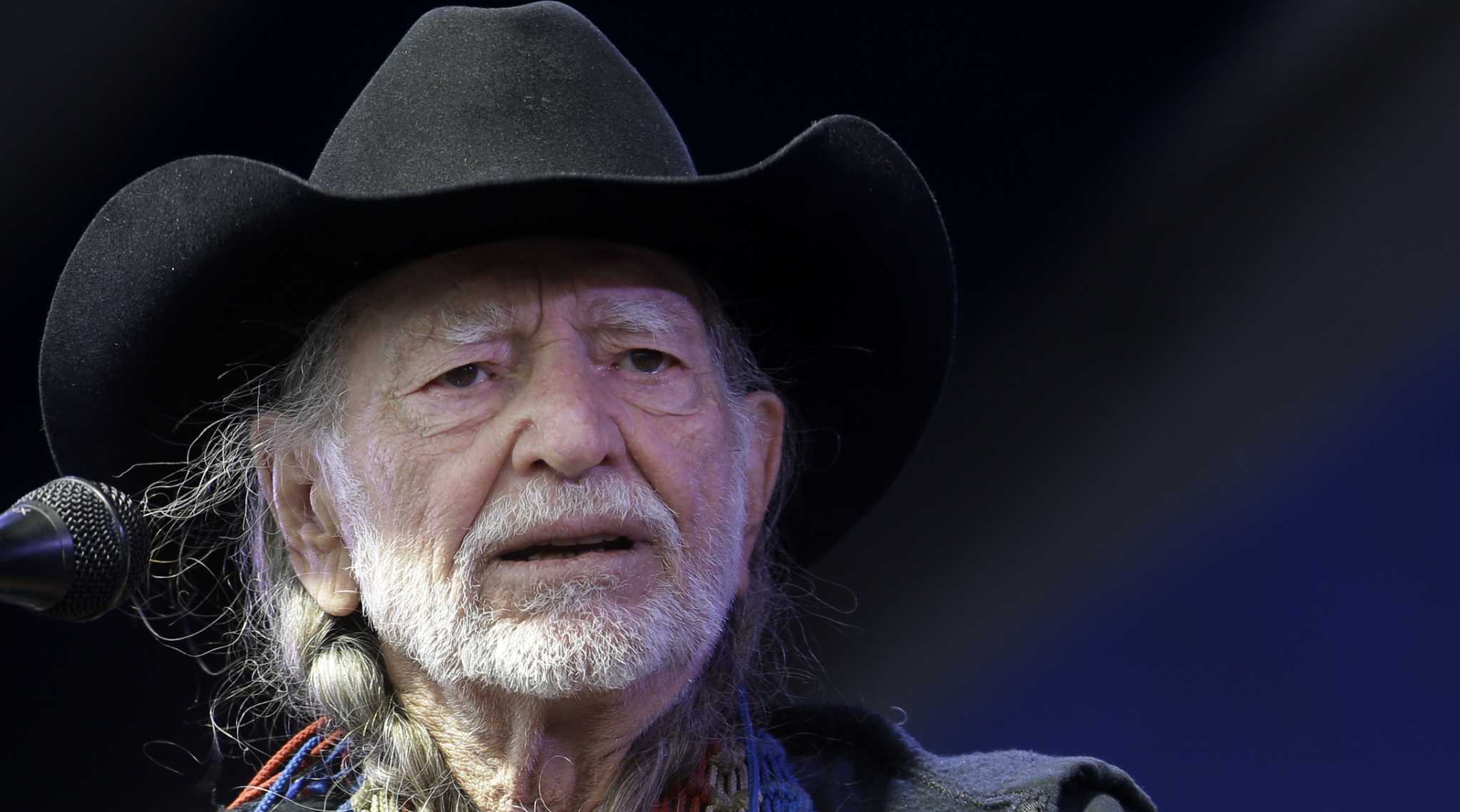
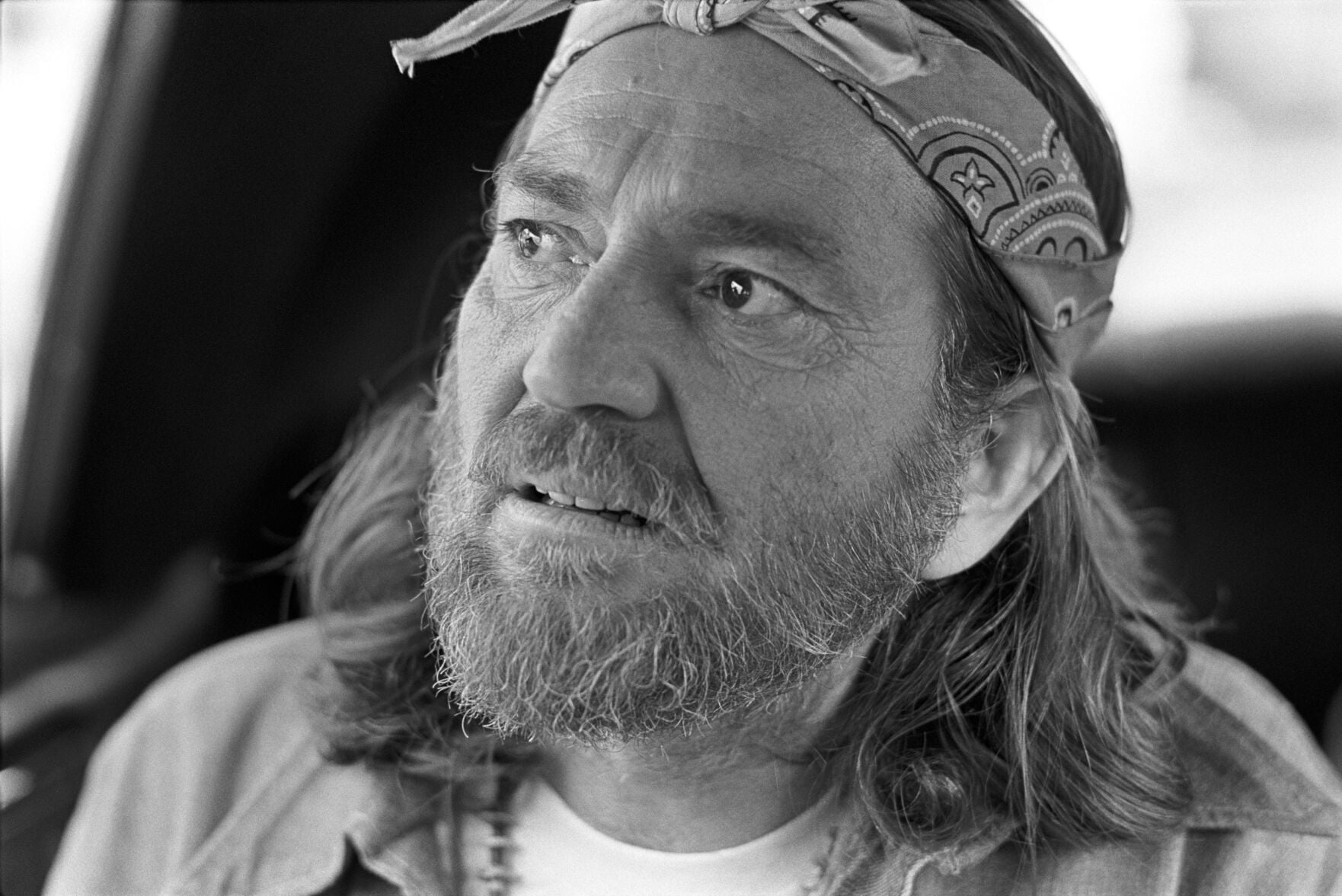
Nelson shed his tailored suits and short haircut, growing out his hair into long braids, wearing denim jackets, and growing a beard. Musically, he demanded complete creative control over his recordings, signing a contract with Atlantic Records' new country division managed by executive Jerry Wexler.
- AUSTIN TRANSFORMATION (1972–1975)
- 1973: "Shotgun Willie"
- Stripped-down rhythm section
- Fusion of blues, Western swing
- Commercial and critical success
- 1975: "Red Headed Stranger"
- Minimalist acoustic storytelling
- Selected for National Recording Registry by Library of Congress
- 1973: "Shotgun Willie"
Nelson’s 1973 album Shotgun Willie marked the formal birth of his new sound. Recorded with his touring band rather than session musicians, the album featured loose, funky rhythms and raw vocals. He followed this with Phases and Stages (1974), a divorce-themed concept record, and Red Headed Stranger (1975), released after moving to Columbia Records.
Red Headed Stranger was produced on a tiny budget and featured minimal instrumentation—often consisting only of Nelson's vocal, Trigger, piano played by his sister Bobbie Nelson, and sparse percussion. Executives at Columbia initially hesitated to release it, claiming it sounded like a rough demo. Instead, the album became a massive commercial hit and a critical masterpiece, eventually preserved by the Library of Congress National Recording Registry for its cultural and historical significance.
Comparative Breakdown of Young Willie Nelson’s Career Eras
The evolution of Nelson’s early career can be segmented into distinct developmental phases:
| Career Era | Visual Aesthetic | Primary Record Label / Venue | Signature Musical Style | Key Songs & Albums |
|---|---|---|---|---|
| Texas & Northwest Roots (1950–1959) | Western wear, traditional pompadour haircut | Local radio stations (KVAN), regional dancehalls | Traditional honky-tonk, early rockabilly influences | "No Place for Me" (1957) |
| Nashville Songwriter Era (1960–1964) | Clean-shaven, tailored business suit and tie | Liberty Records, Pamper Music publishing | Sophisticated chord progressions, narrative songwriting | ...And Then I Wrote (1962), "Crazy", "Hello Walls" |
| RCA Studio Years (1965–1971) | Short crew cut, formal stage attire | RCA Victor (produced by Chet Atkins) | Nashville Sound, lush string arrangements, background vocals | Country Willie (1965), Yesterday's Wine (1971) |
| Outlaw Era Transition (1972–1975) | Long hair, braids, beard, bandanas, denim | Atlantic Records, Columbia Records, Armadillo World HQ | Acoustic-led, sparse, fusion of country, jazz, and rock | Shotgun Willie (1973), Red Headed Stranger (1975) |
Why Young Willie Nelson Matters to Modern Music
Studying Willie Nelson's younger years provides key insights into the mechanics of the twentieth-century American music industry. His early trajectory illustrates how rigid studio structures attempted to standardize artists—and how breaking away from those structures reshaped popular culture.
1. Re-defining Country Songwriting Mechanics
Before Nelson, country songs frequently followed standard verse-chorus patterns built around three basic chords. Nelson introduced jazz-influenced minor variations, unresolved bridges, and conversational lyrics. His compositions proved that country music could express psychological complexity without losing its popular appeal.
2. Vocal and Instrumental Autonomy
Nelson’s persistent use of "Trigger"—a nylon-string classical guitar played with a flatpick—introduced a brand-new lead instrument voice to country music. His syncopated vocal phrasing challenged singers across genres to treat vocal timing as an elastic artistic instrument rather than a rigid metronomic exercise.
3. Establishing Artist Creative Control
The success of Red Headed Stranger in 1975 fundamentally altered contract negotiations for recording artists. By proving that a low-budget, self-produced concept album could out-sell glossy studio productions, Nelson paved the way for future generations of Americana, country, and rock artists to demand complete creative authority over their master recordings.
Frequently Asked Questions
What was Willie Nelson's first major success in the music industry?
Willie Nelson’s first widespread commercial success came as a songwriter in 1961. Faron Young recorded Nelson’s song "Hello Walls," which reached number one on the country charts, and Patsy Cline recorded "Crazy," which became a major crossover hit on pop and country radio.
Why did Willie Nelson leave Nashville in the early 1970s?
Nelson left Nashville due to frustration with the restrictive "Nashville Sound" production style, which relied on polished orchestra strings and background vocals that muted his syncopated vocal phrasing and classical guitar work. After a fire destroyed his Tennessee home in 1970, he returned to Texas to reinvent his sound.
What model of guitar did Willie Nelson use during his early career?
In 1969, Nelson acquired a Baldwin N-20 nylon-string classical guitar after his previous guitar was damaged. He transferred the internal Prismatone pickup to the Baldwin and named the instrument "Trigger." He used this guitar continuously throughout his recording and performing career.
How did Willie Nelson's appearance change during his early career?
In the 1960s, Nelson adhered to Nashville’s corporate dress code, wearing short hair, suits, ties, and remaining clean-shaven. When he moved to Austin, Texas, in the early 1970s, he adopted his iconic look: long hair worn in braids, a full beard, bandanas, and casual denim attire.
What was Willie Nelson's debut solo studio album?
Willie Nelson's debut solo studio album was ...And Then I Wrote, released by Liberty Records in 1962. It featured his own vocal performances of songs he had composed for other artists, including "Crazy," "Hello Walls," and "Funny How Time Slips Away."
Recommended Next Steps for Listening and Research
To fully appreciate the historical evolution of young Willie Nelson, explore his catalog chronologically rather than through randomized compilations:
- Start with Songwriting Foundations (1962): Listen to ...And Then I Wrote to hear Nelson's raw vocal delivery on compositions originally made famous by Patsy Cline and Faron Young.
- Examine the RCA Transition (1971): Stream Yesterday's Wine to hear how Nelson attempted to introduce thematic concept albums within the traditional Nashville studio system.
- Experience the Outlaw Breakthrough (1973–1975): Listen to Shotgun Willie followed immediately by Red Headed Stranger. Compare the minimal, band-driven production of these records to his mid-1960s RCA recordings to understand how his artistic independence transformed modern music history.
Image Gallery