Ring of Fire Utah: Is It Worth Visiting?
Utah's "Ring of Fire"—referring to the state's striking volcanic lava fields, cinder cones, and dark-sky eclipse corridors—is emphatically worth visiting for outdoor enthusiasts seeking unique geological contrasts, fewer crowds, and lo...
Utah's "Ring of Fire"—referring to the state's striking volcanic lava fields, cinder cones, and dark-sky eclipse corridors—is emphatically worth visiting for outdoor enthusiasts seeking unique geological contrasts, fewer crowds, and lower costs than traditional national parks. Combining black basalt flows with red sandstone, sites like Snow Canyon State Park offer extraordinary hiking, caving, and photography opportunities.
Contents
Understanding Utah's Volcanic Landscapes and the "Ring of Fire"
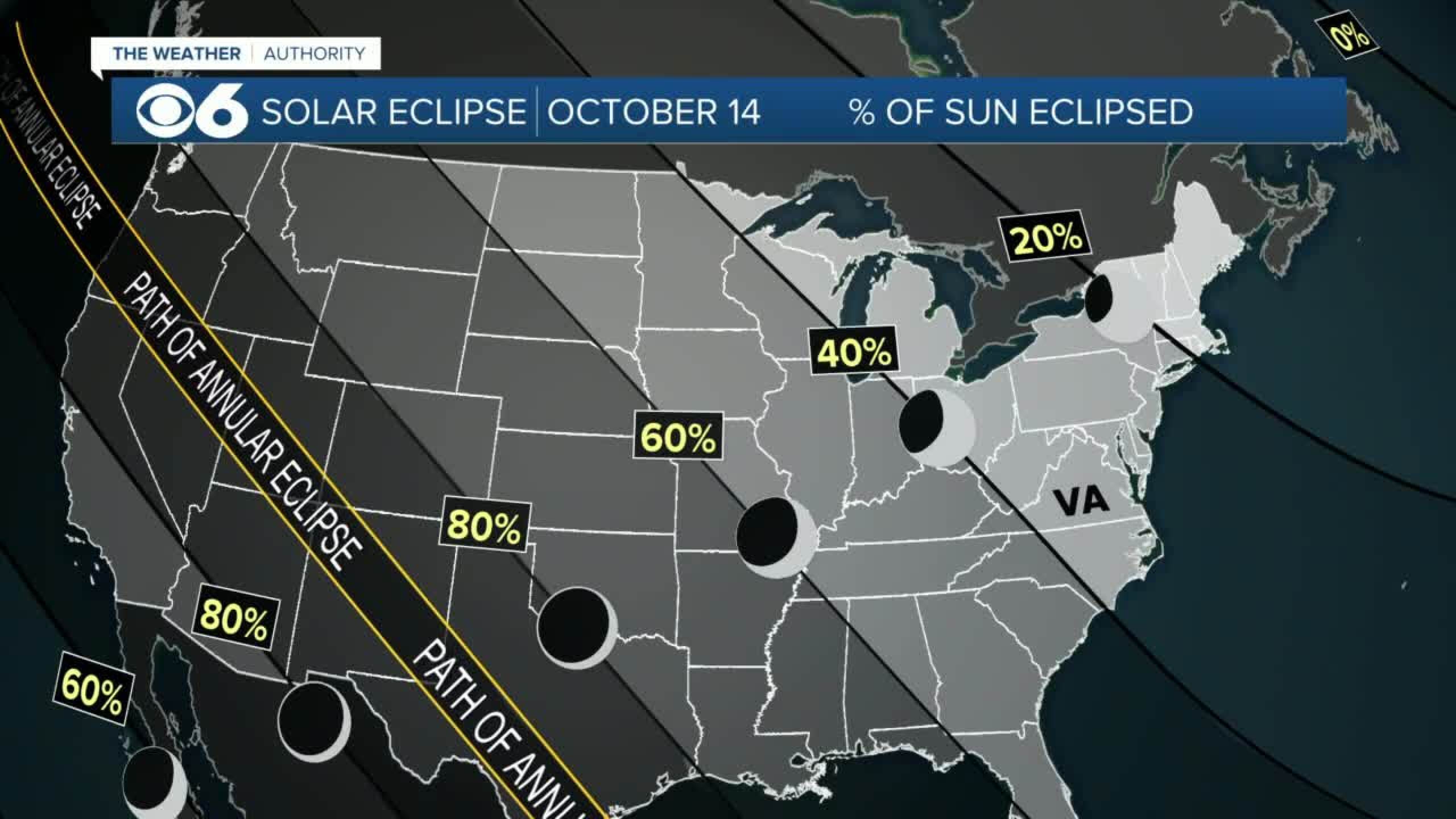
When travelers search for the "Ring of Fire" in Utah, they are generally referring to two distinct yet overlapping phenomena: Utah’s impressive volcanic history and its prime position along major celestial corridors, such as the path of annular solar eclipses that create a visual "ring of fire" over the state's famous dark-sky parks.
Geologically, Utah sits at a dynamic transition zone between the Colorado Plateau and the Basin and Range province. Millions of years of tectonic activity have produced extensive volcanic fields across the state. Instead of massive, snow-capped stratovolcanoes like those found in the Pacific Northwest, Utah’s volcanic landscape is dominated by:
- Cinder Cones: Symmetrical, steep-sided hills formed by explosive eruptions of basaltic lava pellets (such as the Veyo and Diamond Cinder Cones near St. George).
- Basalt Lava Flows: Vast rivers of hardened, black volcanic rock that cut directly across ancient desert sands.
- Lava Tubes and Caves: Subterranean channels formed when the surface layer of a lava flow hardened while molten rock continued to flow underneath, leaving hollow caverns once the magma drained out (such as Mammoth Cave and the Snow Canyon Lava Tubes).
- Volcanic Fields: Extensive regional areas containing dozens of volcanic vents, ash deposits, and basalt structures, notably the Black Rock Desert Volcanic Field and the Markagunt Plateau Volcanic Field.
What makes Utah’s volcanic geography so visually striking is the contrast between deep black basalt rock and the region’s iconic orange and red Navajo sandstone. This dramatic landscape creates an otherworldly backdrop that attracts hikers, photographers, geologists, and off-road explorers.
Is Visiting Utah's Volcanic Sites Worth It? (Pros and Cons)
Deciding whether to add Utah's volcanic features to your travel itinerary depends on your travel style, physical mobility, and expectations. Below is an honest breakdown of the advantages and potential drawbacks of exploring these regions.
- Visual Contrast & Uncrowded Trails [Black Basalt + Red Sandstone Landscapes]
- PROS
- Minimal crowd density
- Budget-friendly state fees
- Year-round access in South
- CONS
- High surface temperatures on black lava
- Sharp, uneven basalt terrain
- Fewer developed visitor amenities
- PROS
Key Advantages (Why It Is Worth Visiting)
- Uncrowded Alternatives to Crowded National Parks: While Utah's "Mighty 5" National Parks (Zion, Bryce Canyon, Arches, Capitol Reef, and Canyonlands) face high visitor volume and reservation requirements, Utah's state-managed lava fields and BLM volcanic sites offer peaceful exploration without major traffic or packed trails.
- Rare Geological Interplay: Few places on Earth showcase black volcanic lava fields resting directly on top of bright red desert sandstone dunes. Snow Canyon State Park is one of the premier locations in North America to witness this phenomena up close.
- Subterranean Adventure: Caves like Mammoth Cave on the Markagunt Plateau allow visitors to hike through hundreds of feet of natural underground lava channels, offering an adventurous self-guided caving experience.
- Lower Overall Costs: Entrance fees for state parks like Snow Canyon are significantly lower than national park vehicle passes, and many BLM-managed volcanic fields (such as the Black Rock Desert) offer free public access.
Key Limitations and Drawbacks
- Extreme Thermal Conditions: Black basalt rock absorbs and radiates intense heat. During summer months (June through August), surface temperatures on lava fields can exceed 110°F (43°C), making daytime hiking dangerous without early starts and copious water.
- Rugged, Uneven Footing: Sharp, loose basalt rocks make trail navigation challenging. Lightweight sneakers or sandals can easily tear or cause ankle rolls; sturdy, high-ankle hiking boots are mandatory.
- Limited On-Site Amenities: Remote volcanic sites, such as the Ice Springs Volcanic Field near Fillmore, lack paved roads, visitor centers, running water, and trash services. Travelers must be entirely self-sufficient.
Top Volcanic Destinations to Visit in Utah
To experience the best of Utah's volcanic landscapes, consider incorporating these top destinations into your itinerary.
- Utah Volcanic Sites
- Snow Canyon State Park (St. George Region)
- Markagunt Plateau (Duck Creek / Lava Tubes)
- Black Rock Desert (Fillmore / Central Utah)
1. Snow Canyon State Park (Ivins / St. George Area)
Located just 20 minutes northwest of St. George, Utah State Parks' Snow Canyon is the single best location in the state to experience volcanic geology. The park features a deep canyon carved into red and white Navajo sandstone, capped by jet-black basalt flows that erupted from nearby cinder cones within the last 20,000 to 1.4 million years.
- Lava Flow Trail: A 2.5-mile round-trip hike that winds through basalt fields, leading visitors directly to the entrances of several deep lava tube openings.
- Petrified Dunes Trail: Offers panoramic views of ancient sand dunes preserved in stone, framed by dark lava flows on the horizon.
- Whiterocks Amphitheater: Highlights the dramatic color transition where white sandstone cliffs meet black volcanic rock.
2. Markagunt Plateau Volcanic Field & Mammoth Cave (Duck Creek Village)
Situated in the Dixie National Forest at an elevation above 8,000 feet, the Markagunt Plateau features dozens of youthful cinder cones and massive basalt fields. Because of its higher elevation, this area provides a cooler alpine summer environment compared to the low desert of St. George.
- Mammoth Cave: One of the largest lava tubes in Utah, offering over 2,200 feet of underground passages. The cave was formed by lava cooling on the outside while molten rock drained from the interior.
- Cascading Lava Flows: Viewpoints along Highway 14 display ancient basalt flows cutting through pine and aspen forests.
3. Black Rock Desert Volcanic Field & Ice Springs (Fillmore Region)
For travelers interested in rugged, off-the-beaten-path exploration, the Black Rock Desert in central Utah covers over 2,000 square miles of young volcanic terrain. Managed primarily by the Bureau of Land Management (BLM), this region represents some of Utah's most recent volcanic activity.
- Ice Springs Lava Flow: A massive basalt flow located west of Fillmore that features volcanic craters (such as Miter Crater), lava tubes, and fissure vents.
- Pavant Butte: A prominent volcanic tuff cone formed when molten lava erupted through an ancient lake bed, creating a dramatic, isolated peak rising above the desert floor.
Comparing Utah's Volcanic Sites with Traditional National Parks
To help decide if adding these volcanic destinations fits your schedule, review the comparative breakdown below:
| Feature / Metric | Snow Canyon State Park | Markagunt Plateau (Mammoth Cave) | Black Rock Desert (Ice Springs) | Zion National Park |
|---|---|---|---|---|
| Primary Attraction | Sandstone/Basalt contrast, Lava Tubes | Underground Lava Caves, Alpine Basalt | Extinct Craters, Remote Lava Fields | Massive Sandstone Canyons |
| Crowd Levels | Moderate | Low to Moderate | Very Low | Extremely High |
| Vehicle Entry Fee | $15–$20 per vehicle | Free (Dixie National Forest) | Free (BLM Public Lands) | $35 per vehicle |
| Required Permits | Standard State Park Pass | None (Seasonal cave closures apply) | None | Shuttle/Angels Landing Permits required |
| Best Season to Visit | October – April | June – October (Alpine climate) | October – April | March – May / Sept – Nov |
| Trail Difficulty | Moderate (Uneven terrain) | Easy to Moderate (Underground navigation) | Strenuous / Unmaintained | Moderate to Strenuous |
| Cell Service / Amenities | Good / Visitor Center available | Limited / Vault Toilets near cave | Minimal to None | Excellent / Full Amenities |
Essential Planning & Logistics for 2026
Planning a trip to explore Utah’s lava flows and volcanic caves requires specific preparation that differs from standard national park sightseeing.
- Trip Logistics Checklist
- Footwear & Gear
- Rigid lug soles
- Dual headlamps/helmets
- Thermal Safety
- 3+ Liters water/person
- Early morning starts
- Cave Etiquette
- White-Nose Syndrome rules
- Closed for bat hibernation
- Footwear & Gear
Best Time of Year to Visit
- Low Desert Volcanic Sites (Snow Canyon & Black Rock Desert): Late autumn through early spring (October through April) is ideal. Daytime temperatures range between 50°F and 70°F, providing optimal conditions for walking on heat-absorbent basalt.
- High-Elevation Volcanic Sites (Markagunt Plateau & Dixie National Forest): Summer and early autumn (June through September) are best. Heavy snowpack keeps high-altitude lava tubes inaccessible during winter and spring.
Recommended Equipment and Gear
Exploring sharp volcanic rock and underground lava tubes requires specialized gear for safety:
- Heavy-Duty Footwear: Basalt features sharp, glass-like edges that quickly wear down soft running shoes. Wear hiking boots with thick rubber outsoles and ankle support.
- Redundant Lighting: If entering lava tubes like Mammoth Cave or Snow Canyon Lava Caves, carry at least two independent light sources per person (e.g., a high-lumen headlamp plus a handheld flashlight). Do not rely solely on smartphone flashlights.
- Protective Headwear: Low ceilings and jagged rock projections in lava tubes present real head-injury hazards. A light climbing helmet or hard hat is strongly recommended for underground exploration.
- Hydration Systems: Carry at least 3 liters of water per person per day. Basalt reflects heat back toward hikers, accelerating dehydration even in mild temperatures.
Safety, Conservation, and Cave Regulations
Utah's volcanic environments are ecologically delicate and contain unique safety hazards. Adhering to leave-no-trace principles ensures these natural features remain intact for future visitors.
Protecting Bat Populations (White-Nose Syndrome Precautions)
Lava tubes and caves across Utah serve as critical roosting habitat for native bat species. To prevent the spread of Pseudogymnoascus destructans, the fungus responsible for White-Nose Syndrome (a disease fatal to bat populations), visitors must follow strict protocols established by state wildlife agencies and the U.S. Geological Survey:
- Gear Restrictions: Do not wear clothing, boots, or gear that has previously been inside a cave or mine outside of Utah without thorough decontamination.
- Seasonal Closures: Respect all posted seasonal closures. For example, parts of Mammoth Cave may be closed periodically to protect hibernating or maternal bat colonies.
Managing Thermal Hazard and Surface Roughness
Basalt rock fields lack natural shade. Hikers should schedule visits for early morning hours during warm months. Additionally, avoid walking dogs on basalt trails during sunny spring or summer days, as the dark rock can quickly reach temperatures high enough to burn paw pads.
Frequently Asked Questions
What is the best volcanic site in Utah for families with children?
Snow Canyon State Park is the top choice for families. It offers paved walking paths, clear signage, structured parking, clean restroom facilities, and manageable hiking routes like the Lava Flow Trail, which allows safe exploration of lava tube entrances under adult supervision.
Are the lava tubes in Utah open year-round?
Snow Canyon lava tubes are generally accessible year-round, subject to temporary safety or wildlife closures. High-elevation caves like Mammoth Cave are snowbound during winter and early spring, making access roads impassable until late spring or early summer. Always verify road and trail status with local rangers before traveling.
Do I need a permit to visit Utah's lava flows or cinder cones?
No special wilderness or entry permits are required for standard day-use at Snow Canyon State Park, Mammoth Cave, or the Black Rock Desert Volcanic Field. Snow Canyon requires standard state park entrance fees, while BLM and Dixie National Forest lands are generally free to enter.
How do Utah's lava fields compare to those in Hawaii or Oregon?
Utah's volcanic fields are much older and drier than active basalt flows in Hawaii. Unlike Oregon's densely forested Newberry National Volcanic Monument, Utah’s volcanic features exist within an arid desert environment, creating a distinct visual contrast between dark basalt flows, red sandstone cliffs, and desert vegetation.
Is off-road vehicle (OHV) driving allowed on Utah's volcanic fields?
Off-road vehicle recreation is strictly restricted to designated routes. While off-roading is prohibited inside Snow Canyon State Park, certain sections of the Black Rock Desert and surrounding BLM lands offer designated motorized trails. Drivers must remain strictly on established roads to protect fragile desert biological soil crusts.
Final Verdict: Should You Visit Ring of Fire Utah?
Utah’s "Ring of Fire" volcanic sites are unquestionably worth visiting if you want to experience dramatic, uncrowded landscapes, explore underground lava caves, or photograph the rare contrast of black basalt on red sandstone.
- Add it to your itinerary if: You enjoy off-the-beaten-path hiking, caving, geological history, and avoiding heavy national park crowds.
- Skip it or shorten your stay if: You have limited mobility, dislike walking on uneven rock, or prefer fully paved, highly developed tourist hubs with extensive indoor amenities.
For an optimal first trip, combine a morning hike along the Lava Flow Trail in Snow Canyon State Park with an afternoon exploring the park's petrified sandstone dunes. If traveling in summer, head up into the higher elevation of the Markagunt Plateau to explore Mammoth Cave and enjoy cooler mountain temperatures.
Image Gallery