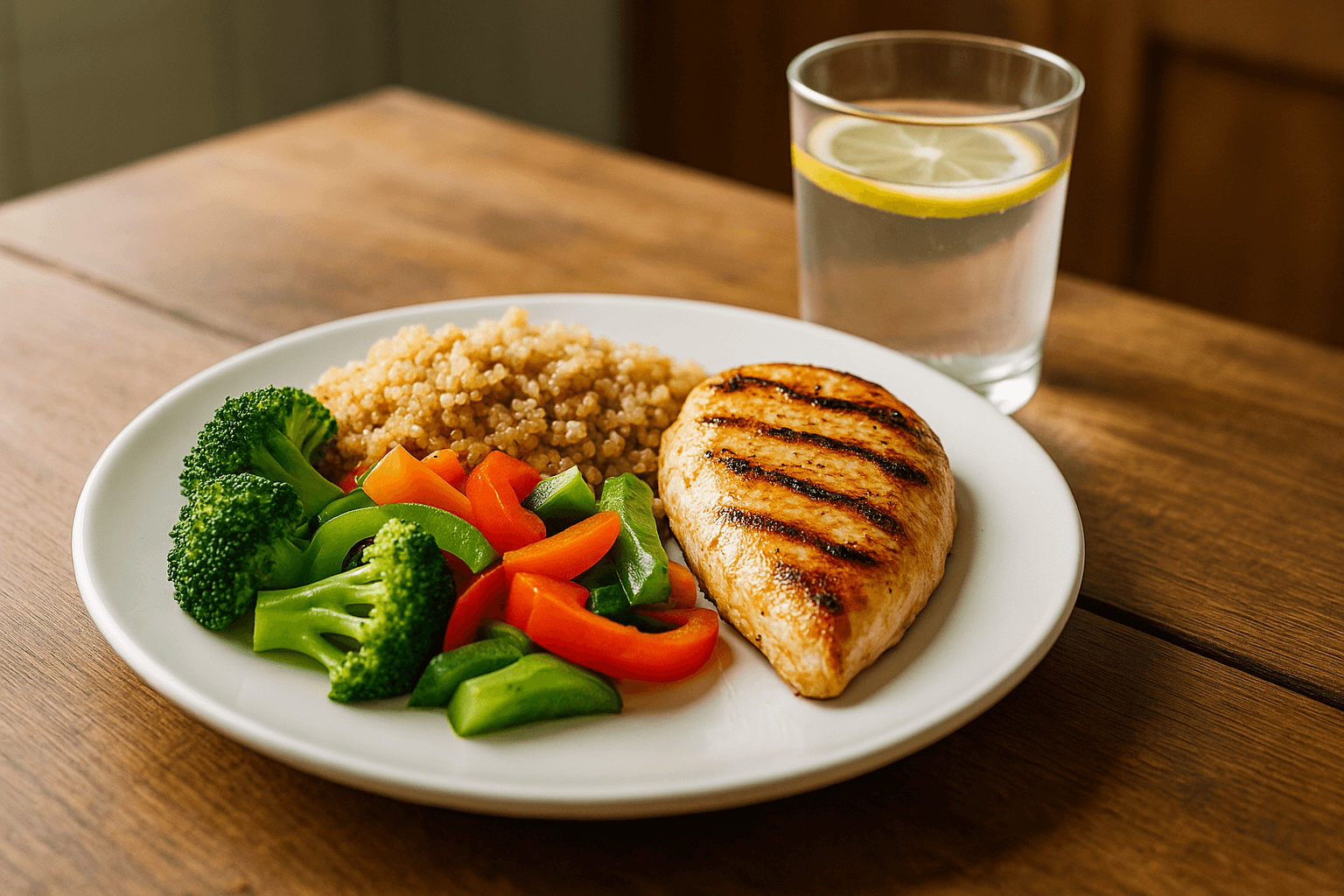
How to Build the 400 Calorie Meal You Need: A Step-by-Step Guide
Building a nutrient-dense 400-calorie meal requires combining lean protein, complex carbohydrates, healthy fats, and high-fiber vegetables in precise proportions. By pairing 25 to 35 grams of protein with fiber-rich carbs and non-starc...
Building a nutrient-dense 400-calorie meal requires combining lean protein, complex carbohydrates, healthy fats, and high-fiber vegetables in precise proportions. By pairing 25 to 35 grams of protein with fiber-rich carbs and non-starchy vegetables, you create a satisfying, low-energy-density meal that stabilizes blood sugar, supports muscle maintenance, and promotes lasting satiety.
Contents
Understanding the Science of a 400-Calorie Target
A 400-calorie meal serves as a foundational building block for many nutritional frameworks. Whether managing total daily energy intake, following a structured meal-frequency plan (such as four 400-calorie meals per day), or creating moderate energy deficits for weight management, 400 calories provides enough volume to deliver necessary micronutrients without excess energy.
The primary challenge of a fixed 400-calorie budget is maximizing satiety per calorie. Satiety—the feeling of fullness and suppression of hunger between meals—is influenced by macronutrient composition, food volume, gastric emptying rate, and hormonal signals such as peptide YY (PYY) and glucagon-like peptide-1 (GLP-1).
- THE SATIETY MATRIX
- High Volume / High Fiber: Stretches stomach wall (Vagal)
- 25-35g Lean Protein: Triggers PYY & CCK release
- 5-10g Healthy Fats: Delays gastric emptying
- Sustained Energy & Fullness on 400 Calories
Dietary energy density measures the calories relative to the weight of the food (kcal/g). High-water and high-fiber foods (such as leafy greens, cruciferous vegetables, and berries) have low energy density. Incorporating low-energy-density foods allows you to consume a physically large meal that fills the stomach, activating stretch receptors that signal fullness to the brain, while staying strictly within your 400-calorie boundary.
Note: Individual caloric requirements vary based on age, sex, weight, height, and physical activity level. Consult a registered dietitian or healthcare provider before initiating significant caloric restriction.
The Core Macronutrient Architecture
To construct a 400-calorie meal that prevents energy crashes, follow a target macronutrient breakdown. While specific fitness goals may alter these ratios, a standard, balanced target for general health and weight management allocates:
- Protein: 30% to 40% of total calories (30–40g / 120–160 kcal)
- Complex Carbohydrates: 35% to 45% of total calories (35–45g / 140–180 kcal)
- Healthy Fats: 20% to 25% of total calories (9–11g / 80–100 kcal)
| Macronutrient | Target Percentage | Caloric Range |
|---|---|---|
| Protein | 30% - 40% | 120 - 160 kcal |
| Carbohydrates | 35% - 45% | 140 - 180 kcal |
| Healthy Fats | 20% - 25% | 80 - 100 kcal |
Lean Protein Baseline
Protein is the most satiating macronutrient. It requires more energy to digest than carbohydrates or fats—a phenomenon known as the Thermic Effect of Food (TEF). Digesting protein consumes roughly 20% to 30% of its usable energy, compared to 5% to 10% for carbohydrates and 0% to 3% for fats.
Aim for 25 to 35 grams of high-quality protein per 400-calorie meal. Complete proteins contain all nine essential amino acids required for muscle protein synthesis and metabolic repair.
Complex Carbohydrates
Carbohydrates are the body's primary energy source. However, refined carbohydrates (such as white flour and added sugars) cause rapid spikes in blood glucose followed by insulin surges and secondary hunger.
Select complex carbohydrates rich in soluble and insoluble fiber. Fiber delays glucose absorption, maintaining steady energy levels. The U.S. Department of Agriculture (USDA) Dietary Guidelines recommend consuming at least 14 grams of fiber per 1,000 calories. Within a 400-calorie meal, target 6 to 10 grams of dietary fiber.
Healthy Fats
Fats yield 9 calories per gram—more than double the 4 calories per gram supplied by protein and carbohydrates. Because of this high energy density, fats must be measured carefully in a 400-calorie meal. However, eliminating fat entirely impairs the absorption of fat-soluble vitamins (A, D, E, and K) and decreases post-prandial satisfaction. Include small amounts of monounsaturated and polyunsaturated fats to slow gastric emptying without exceeding your calorie cap.
Step-by-Step Blueprint to Assemble Your Meal
Building a balanced plate does not require complex culinary skills. Follow this four-step sequence to construct a 400-calorie meal using whole food ingredients.
- Step 1: Protein Base: 4 oz Cooked Breast/Fish (~160 kcal)
- Step 2: Complex Carb: 1/2 Cup Cooked Grain (~110 kcal)
- Step 3: Healthy Fat: 1 tsp Oil or 1 oz Avocado (~45 kcal)
- Step 4: Volume Veggies: 1.5 to 2 Cups Greens (~50 kcal)
Total: ~365 - 400 Calories | 30-35g Protein | High Satiety
Step 1: Select Your Lean Protein Source (~150 to 180 Calories)
Start by picking a primary protein source. Weighing your protein raw vs. cooked causes common measurement errors; standard targets below reflect cooked weight.
- Skinless Chicken Breast: 4 oz (113g) — ~185 kcal | 35g P | 4g F
- Skinless Turkey Breast: 4 oz (113g) — ~153 kcal | 34g P | 2g F
- Cod or White Fish: 5.5 oz (155g) — ~160 kcal | 35g P | 1.5g F
- Canned Light Tuna (in water): 5 oz (140g) — ~150 kcal | 33g P | 1g F
- Extra Firm Tofu: 5.5 oz (155g) — ~160 kcal | 17g P | 9g F
- Liquid Egg Whites: 1 cup (243g) — ~125 kcal | 26g P | 0.5g F
Step 2: Pick a Smart Carbohydrate Anchor (~110 to 140 Calories)
Select slow-digesting, unrefined carbohydrates to populate the second portion of your plate.
- Cooked Quinoa: 1/2 cup (93g) — ~111 kcal | 4g P | 20g C | 2.5g F
- Cooked Brown Rice: 1/2 cup (98g) — ~108 kcal | 2.5g P | 22g C | 1g F
- Baked Sweet Potato (with skin): 4.5 oz (128g) — ~115 kcal | 2g P | 27g C | 0.2g F
- Cooked Black Beans: 1/2 cup (86g) — ~114 kcal | 7.5g P | 20g C | 0.5g F
- Old Fashioned Rolled Oats (dry): 1/3 cup (30g) — ~110 kcal | 4g P | 19g C | 2g F
Step 3: Add Measured Healthy Fats (~45 to 80 Calories)
Because fats are energy-dense, use measuring spoons rather than estimating visually.
- Extra Virgin Olive Oil: 1 teaspoon (5ml) — ~40 kcal | 4.5g F
- Avocado: 1.5 oz (42g, roughly 1/4 average avocado) — ~67 kcal | 6g F | 3g C
- Whole Almonds: 8 to 9 nuts (10g) — ~58 kcal | 2g P | 5g F
- Chia Seeds or Flaxseeds: 1 tablespoon (10g) — ~50 kcal | 2g P | 3g F | 4g Fiber
Step 4: Fill the Remainder with Non-Starchy Vegetables (~30 to 50 Calories)
Non-starchy vegetables provide volume, micronutrients, and water. You can consume large portions of these foods with minimal caloric impact.
- Raw Spinach or Mixed Greens: 3 to 4 cups (90–120g) — ~20–30 kcal
- Steamed Broccoli Florets: 1.5 cups (136g) — ~45 kcal
- Sliced Bell Peppers & Zucchini: 1.5 cups (180g) — ~35 kcal
- Steamed Asparagus: 8 to 10 medium spears (150g) — ~30 kcal
Detailed 400-Calorie Meal Profiles
The table below illustrates five distinct meal configurations optimized for a total energy limit of approximately 400 calories. Nutrient figures are calculated using data from the USDA FoodData Central database.
| Meal Style / Name | Lean Protein Component | Smart Carbohydrate | Healthy Fat Source | Volume Vegetable Component | Total Calories | Total Protein (g) | Total Fiber (g) |
|---|---|---|---|---|---|---|---|
| High-Protein Chicken & Quinoa Bowl | 4 oz Cooked Chicken Breast | 1/2 cup Cooked Quinoa | 1 tsp Olive Oil (for sautéing) | 1.5 cups Steamed Broccoli | 386 kcal | 43g | 6.5g |
| Pescatarian Salmon & Asparagus Plate | 3.5 oz Cooked Wild Salmon | 3.5 oz Baked Sweet Potato | Fat included naturally in salmon | 150g Steamed Asparagus + Lemon | 390 kcal | 28g | 4.8g |
| Plant-Based Tofu & Black Bean Power Bowl | 4 oz Extra-Firm Pan-Seared Tofu | 1/3 cup Cooked Black Beans | 1/4 Medium Avocado (40g) | 2 cups Raw Spinach + 1/2 cup Peppers | 395 kcal | 22g | 11.2g |
| Egg White & Veggie Omelet Bake | 1 cup Liquid Egg Whites + 1 Whole Egg | 1 Slice Whole Grain Toast | 1 tsp Butter (for pan) | 1 cup Mushrooms + 1 cup Spinach | 380 kcal | 37g | 4.0g |
| Turkey & Mediterranean Salad | 4.5 oz Cooked Lean Ground Turkey (93/7) | 1/3 cup Cooked Chickpeas | 5 Calamata Olives (15g) | 2 cups Chopped Cucumber & Tomatoes | 402 kcal | 36g | 5.5g |
Customizing Meals for Specific Dietary Strategies
Low-Carbohydrate / Ketogenic Variations
If you follow a lower-carbohydrate diet, reallocate the calories typically provided by grains and starchy tubers to healthy fats and additional lean protein.
- Adjustment: Replace 1/2 cup of quinoa (~110 kcal) with 1 tablespoon of extra virgin olive oil or 1.5 ounces of avocado combined with additional leafy greens.
- Example Composition: 4.5 oz grilled chicken breast, 2 cups sautéd spinach in 1 tbsp olive oil, and 1 tbsp sliced almonds.
- Nutritional Profile: ~395 kcal | 38g Protein | 4g Net Carbs | 25g Fat.
Plant-Based / Vegan Adaptations
Plant-based proteins often contain naturally occurring carbohydrates. When constructing a vegan 400-calorie meal, account for both macronutrients to ensure you do not inadvertently double your carbohydrate calories.
- Adjustment: Combine isolated plant proteins (such as tempeh, seitan, or firm tofu) with high-fiber legumes.
- Example Composition: 4 oz grilled tempeh, 1/2 cup steamed edamame, and 2 cups roasted cauliflower tossed in 1 tsp sesame oil.
- Nutritional Profile: ~405 kcal | 31g Protein | 18g Fiber | 14g Fat.
Common Meal-Building Mistakes
Even with clear targets, several common oversight errors can unintentionally elevate a 400-calorie meal into a 600-calorie meal or reduce its overall satiety value.
- COMMON CALORIE TRAPS
- Unmeasured Cooking Oils: 1 tbsp oil adds +120 kcal
- High-Calorie Sauces: Creamy dressings add +150 kcal
- Raw vs. Cooked Confusion: 4 oz raw beef != 4 oz cooked
- Skipping Protein: High-carb meals cause rapid hunger
1. Unmeasured Cooking Oils and Condiments
Liquid fats are the most common source of hidden calories. A single tablespoon of cooking oil adds approximately 120 calories. Sautéing protein and vegetables in an unmeasured splash of oil can instantly add 150 to 200 uncounted calories.
- Solution: Use an oil mister or measure cooking oils precisely with measuring spoons. Choose zero-calorie flavor enhancers such as lemon juice, apple cider vinegar, Dijon mustard, hot sauce, herbs, and spices.
2. Confusing Raw vs. Cooked Weights
Meat loses approximately 25% of its weight in water during cooking, whereas rice and pasta absorb water and expand.
- Solution: If a recipe calls for 4 ounces of cooked chicken breast, measuring 4 ounces of raw chicken will yield only about 3 ounces cooked (reducing your intended protein intake). Consistently log food using the weight state specified by your nutritional reference guide.
3. Relying on Low-Protein Convenience Foods
Commercial frozen meals labeled "under 400 calories" often rely heavily on refined starches and sodium for flavor while offering only 10 to 15 grams of protein. These meals digest rapidly, leading to hunger shortly after eating.
- Solution: Prioritize whole-food assembly. Ensure that at least 25% to 30% of the total calories in any packaged meal come directly from dietary protein.
Practical Action Plan
To put this guide into practice immediately:
- Equip your kitchen with basic tools: Purchase a digital food scale and standard measuring spoons. Weighing ingredients yields far more consistent results than volumetric cup estimates.
- Select two protein anchors for the week: Cook a batch of chicken breast, lean turkey, or pan-seared tofu in advance to simplify daily assembly.
- Pre-portion complex carbohydrates: Store cooked brown rice, sweet potatoes, or quinoa in single-serving containers (1/2 cup portions).
- Build using the 4-step sequence: Combine your pre-portioned protein and carbohydrate anchors with measured healthy fats and high-volume greens to construct balanced 400-calorie meals in minutes.
Frequently Asked Questions
Is a 400-calorie meal sufficient for lunch or dinner?
Yes, for many adults seeking weight management or moderate caloric control, a 400-calorie meal provides an adequate balance of volume and nutrition. However, individuals with high physical activity levels, high daily caloric requirements, or substantial lean body mass may need to scale their meals up to 500–700 calories to meet daily target intakes.
How many 400-calorie meals should I eat per day?
Meal frequency depends on your total daily energy requirement. If your target daily intake is 1,600 calories, you could structure your diet around three 400-calorie meals plus two 200-calorie snacks, or four 400-calorie meals spaced throughout the day. Calculate your Total Daily Energy Expenditure (TDEE) to determine your optimal intake.
Can I build a 400-calorie meal without using a food scale?
While a food scale provides the highest precision, you can use hand-based visual portions as a practical guide: one palm-sized portion of lean protein (~3–4 oz), one cupped hand of complex carbohydrates (~1/2 cup), one thumb-sized portion of healthy fats (~1 tsp to 1 tbsp), and two open fists of non-starchy vegetables.
Why do I feel hungry an hour after eating a 400-calorie meal?
Early hunger typically occurs when a meal lacks adequate protein or fiber, or relies too heavily on high-glycemic carbohydrates. Ensure your 400-calorie meal contains at least 25 to 35 grams of protein and 6 to 10 grams of dietary fiber to slow digestion and extend satiety.
How do I adjust a 400-calorie meal for post-workout recovery?
To tailor a 400-calorie meal for post-workout recovery, shift the internal macronutrient balance toward carbohydrates and protein while reducing added fats. Allocating 35g of protein and 45g of carbohydrates helps replenish muscle glycogen and initiate muscle protein repair efficiently.
Image Gallery