Understanding Drug Rehab Treatment Centers in Malaysia: Public vs. Private Options, Legal Pathways, and Care Models
Understanding drug rehab treatment centers in Malaysia requires navigating a dual system of government-operated facilities and private rehabilitation clinics. Governed by strict national drug legislation, recovery options range from st...
Understanding drug rehab treatment centers in Malaysia requires navigating a dual system of government-operated facilities and private rehabilitation clinics. Governed by strict national drug legislation, recovery options range from state-mandated public centers under the National Anti-Drugs Agency (AADK) to confidential, specialized private institutions offering medically supervised detoxification, evidence-based psychotherapy, and tailored aftercare programs.
Contents
The Drug Rehabilitation Landscape in Malaysia
Malaysia’s approach to substance use disorder treatment operates at the intersection of public health policy, law enforcement, and clinical medicine. The country provides two distinct streams of care: state-funded public institutions and private or non-governmental organization (NGO) facilities. Choosing between these systems depends on the legal context of the admission, financial resources, the need for personal privacy, and the severity of the substance dependency.
Government-Run Facilities: AADK and PUSPEN
Public drug rehabilitation in Malaysia is administered primarily by the National Anti-Drugs Agency (Agensi Antidadah Kebangsaan or AADK), an agency under the Ministry of Home Affairs. Government rehab centers are officially termed PUSPEN (Pusat Pemulihan Penagihan Narkotik).
PUSPEN facilities deliver standardized rehabilitation programs designed around the i-Pulih model, an integrated framework incorporating physical detoxification, psychosocial intervention, spiritual education, and vocational training. Public facilities cater primarily to Malaysian citizens. While public care is heavily subsidized by the federal government, admission often occurs through legal channels or formal administrative processing under statutory drug control frameworks.
Private Rehabilitation Centers and NGO Clinics
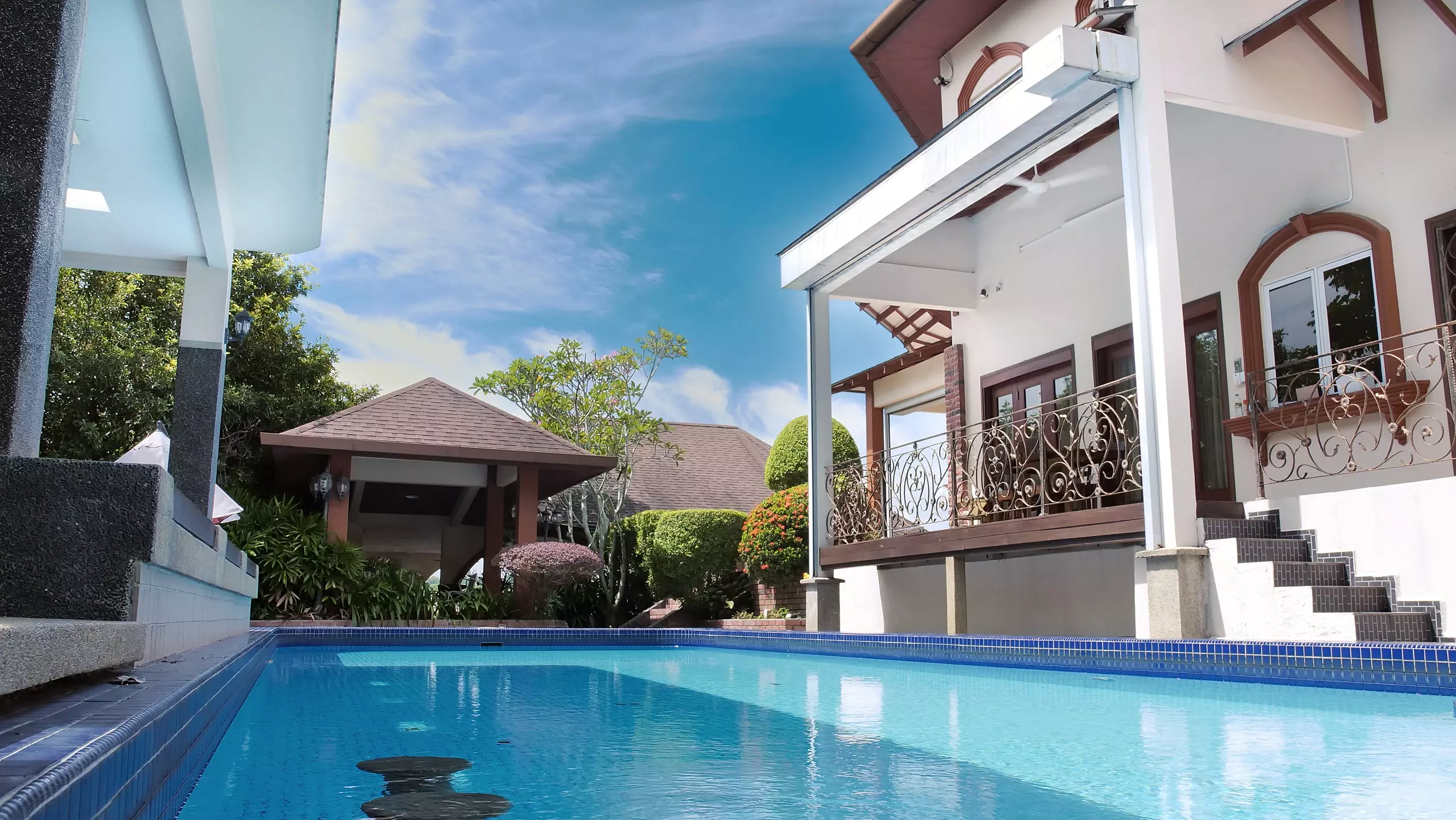
Private drug rehab centers in Malaysia offer a confidential alternative to state-run facilities. These centers range from boutique luxury residential estates catering to domestic and international clients to community-based centers managed by non-governmental organizations, such as PEMADAM-affiliated bodies or religious charities.
Private facilities generally operate under the regulatory oversight of the Ministry of Health (Kementerian Kesihatan Malaysia) or register as private healthcare facilities under the Private Healthcare Facilities and Services Act 1998. Key attributes of private care include:
- Immediate Admission: Eliminates administrative delays or court waiting periods.
- Confidentiality: Patient records remain strictly medical and are protected from criminal justice databases.
- Customized Treatment: Access to low patient-to-staff ratios, international clinical standards, specialized psychiatric care for dual-diagnosis patients, and holistic therapies.
- Flexible Stay Durations: Programs typically range from 28 days to 90 days or longer, tailored to individual therapeutic progress rather than fixed statutory sentences.
Legal Framework Governing Addiction Treatment in Malaysia
Addiction treatment in Malaysia cannot be analyzed independently of the country’s legal environment. Malaysian law maintains severe penalties for drug possession and trafficking under the Dangerous Drugs Act 1952. However, statutory provisions explicitly distinguish between criminal drug offenses and individuals seeking clinical treatment for substance dependence.
Disclaimer: The legal information provided below is for educational purposes only and does not constitute formal legal or medical advice. Individuals facing drug-related legal matters should consult a qualified Malaysian advocate and solicitor.
The Drug Dependants (Treatment and Rehabilitation) Act 1983
The primary statute governing drug rehabilitation in Malaysia is the Drug Dependants (Treatment and Rehabilitation) Act 1983 (Act 283). This law sets out legal mechanisms for both voluntary self-referral and involuntary, court-ordered rehabilitation.
Under Act 283, an individual suspected of being a drug dependant may undergo testing and evaluation by a certified Rehabilitation Officer and a government medical officer. If dependency is confirmed, the magistrate may issue an order for:
- Inpatient Institutional Care: Mandatory residence at a PUSPEN center for up to two years.
- Community Supervision: Mandatory reporting and supervision by an AADK officer within the community for a period of two to three years.
Voluntary Admission vs. Court-Mandated Rehabilitation
Understanding the distinction between voluntary and involuntary entry is vital for individuals and families seeking help:
- Voluntary Admission (Section 8, Act 283): A person suffering from drug dependence may voluntarily apply to an AADK officer or medical officer for treatment. Voluntary applicants to state programs may receive reduced institutional stay requirements or outpatient care. Furthermore, entering a licensed private rehabilitation facility voluntarily avoids criminal court involvement entirely, provided no active criminal charges or police arrests have occurred.
- Court-Mandated Admission (Section 6, Act 283): Involuntary admission occurs when a person is detained by law enforcement or AADK officers during enforcement operations. Following positive urine screenings and medical confirmation, the legal system mandates institutional rehabilitation.
Treatment Modalities and Medical Standards
Effective addiction treatment in Malaysia incorporates structured medical, psychological, and social interventions. Modern treatment facilities move beyond basic containment to provide clinical care aimed at long-term neurobiological and behavioral recovery.
Medical Detoxification and Assessment
The initial phase of addiction recovery involves safely managing physical withdrawal symptoms. Medical detoxification must be supervised by registered medical practitioners to prevent complications associated with severe withdrawal from substances such as opioids, alcohol, benzodiazepines, and synthetic stimulants (e.g., methamphetamine).
- Private Detox Units: Utilize evidence-based pharmacological protocols (such as tapered medication regimes) alongside continuous vitals monitoring, fluid replacement, and psychiatric evaluations to manage dual diagnosis (co-occurring mental health disorders like depression or anxiety).
- Public System Detox: Medical evaluation is conducted at designated government hospitals or PUSPEN medical units prior to integration into general rehabilitation cohorts.
Psychosocial Therapy and Behavioral Rehabilitation
Once physical stabilization is achieved, rehabilitation centers focus on psychological healing and behavioral modification:
- Cognitive Behavioral Therapy (CBT): Helps patients identify irrational thought patterns, manage drug cravings, and build effective coping mechanisms.
- 12-Step Facilitation and Mutual Aid: Utilizes established peer-support frameworks (e.g., Narcotics Anonymous) to promote personal accountability and long-term sobriety.
- Therapeutic Community (TC) Model: Widely utilized in both public (PUSPEN) and private settings, the TC model leverages structured community living to rebuild personal responsibility, social skills, and emotional discipline.
- Spiritual and Cultural Integration: Given Malaysia's multicultural demographic, many programs incorporate faith-based support, mindfulness, or Islamic spiritual practice (Pendidikan Islam dan Moral) as core components of holistic recovery.
Comprehensive Comparison: Public vs. Private Rehab Centers in Malaysia
Evaluating the structural differences between public and private treatment facilities helps families select the appropriate level of care.
| Feature / Criteria | Public Facilities (PUSPEN / AADK) | Private Rehabilitation Centers |
|---|---|---|
| Primary Oversight | National Anti-Drugs Agency (AADK) / Ministry of Home Affairs | Ministry of Health (KKM) / Private Healthcare Act |
| Admission Trigger | Court order (Act 283) or voluntary registration | Voluntary self-pay or family placement |
| Legal Record | Formal administrative/court record under statutory drug monitoring | Confidential medical record (no law enforcement reporting) |
| Program Duration | Typically 12 to 24 months institutional, followed by supervision | Flexible (30, 60, 90 days or extended stay) |
| Medical Supervision | On-site nursing with visiting medical officers / hospital referrals | Dedicated full-time or closely affiliated medical/psychiatric staff |
| Cost to Patient | Fully or heavily subsidized for Malaysian citizens | Self-funded; ranges from RM 5,000 to RM 40,000+ per month |
| Dual Diagnosis Care | Basic psychiatric referral to public hospitals | Integrated inpatient psychiatric and psychological treatment |
| Amenities & Privacy | Dormitory-style living; standardized communal setup | Private rooms, individual therapy, higher staff-to-patient ratio |
| International Eligibility | Restricted almost exclusively to Malaysian citizens | Open to local citizens, expatriates, and international clients |
Key Considerations When Selecting a Rehabilitation Center
Choosing an appropriate drug rehab center requires careful evaluation of clinical capabilities, regulatory credentials, and long-term support infrastructure.
1. Accreditation and Medical Oversight
Ensure the facility employs licensed healthcare professionals, including registered doctors, clinical psychologists, and certified addiction counselors. Private medical clinics must comply with Ministry of Health licensing under the Private Healthcare Facilities and Services Act 1998.
2. Tailored Dual-Diagnosis Capabilities
Substance use disorder frequently co-occurs with psychiatric conditions such as major depressive disorder, generalized anxiety, trauma, or bipolar disorder. Facilities lacking dual-diagnosis expertise may treat the addiction symptoms while leaving underlying psychological triggers unaddressed, significantly raising the risk of relapse.
3. Family Involvement and Family Therapy
Recovery outcomes improve when immediate family members participate in the therapeutic process. Reputable centers provide family education sessions, joint counseling, and boundary-setting workshops to repair domestic relationships and prepare a supportive home environment.
4. Robust Aftercare and Relapse Prevention Planning
Rehabilitation does not end upon discharge from a residential facility. Effective centers create written aftercare plans that specify:
- Scheduled outpatient therapy sessions.
- Participation in local support group meetings (such as Narcotics Anonymous Malaysia).
- Regular drug screening protocols to maintain personal accountability.
- Relapse prevention strategies for high-risk social environments.
Frequently Asked Questions
Can an international citizen or expatriate seek drug rehab in Malaysia?
Yes. Expatriates and international visitors can access private drug rehabilitation centers in Malaysia. Private centers offer confidential programs with English-speaking clinical staff. However, non-citizens are generally ineligible for public government-funded PUSPEN facilities.
Will going to a private drug rehab in Malaysia result in a criminal record?
No. Voluntarily enrolling in a licensed private medical facility or private rehab center for addiction treatment is treated as a private health matter under medical confidentiality standards. Private facilities do not report voluntary patients to the police or law enforcement agencies.
How long does a typical inpatient drug rehab program last in Malaysia?
In the private sector, primary residential programs usually last between 30 and 90 days, depending on patient needs. Public PUSPEN institutional stays mandated under the Drug Dependants Act 1983 typically run for 12 to 24 months, followed by mandatory community supervision.
What is the cost of private drug rehabilitation in Malaysia?
Costs vary significantly depending on the facility's clinical resources and amenities. Budget and NGO-supported residential facilities start around RM 3,000 to RM 6,000 per month, while specialized private medical centers and luxury residential facilities typically cost between RM 15,000 and RM 45,000 per month.
What happens if someone relapses after completing treatment?
Relapse is recognized clinically as a potential setback in the chronic management of substance use disorder. Most reputable rehab centers provide structured aftercare, rapid re-admission protocols, or intensified outpatient counseling to help individuals identify relapse triggers and regain long-term sobriety.
Next Steps for Individuals and Families
If you or a family member are struggling with substance dependency in Malaysia, taking prompt, informed action is essential:
- Conduct a Medical Assessment: Schedule a confidential appointment with an independent medical practitioner or clinical psychologist specializing in addiction medicine to determine the required level of care (detoxification, inpatient, or outpatient).
- Determine Legal and Privacy Requirements: If immediate confidentiality is paramount, focus on licensed private residential facilities or private psychiatric clinics to avoid formal statutory reporting pathways.
- Verify Facility Credentials: Request detailed information regarding medical staffing, accreditation, emergency medical protocols, and clear breakdown of treatment fees before confirming admission.
- Establish an Aftercare Framework: Ensure the chosen facility provides structured post-discharge support and local recovery group connections to maintain long-term recovery.
EDITORIAL CATEGORY METADATA:
Image Gallery