Dominican Golf Courses: Spectacular Views and Elite Competition
Dominican golf courses combine dramatic Caribbean landscapes with world-class course architecture, offering players stunning ocean views alongside rigorous competitive layouts. Home to PGA Tour stops and signature designs by Pete Dye,...
Dominican golf courses combine dramatic Caribbean landscapes with world-class course architecture, offering players stunning ocean views alongside rigorous competitive layouts. Home to PGA Tour stops and signature designs by Pete Dye, Jack Nicklaus, and Tom Fazio, the Dominican Republic has established itself as the premier competitive golf destination in the Caribbean.
Contents
The Dual Appeal: World-Class Views Met with Championship Design
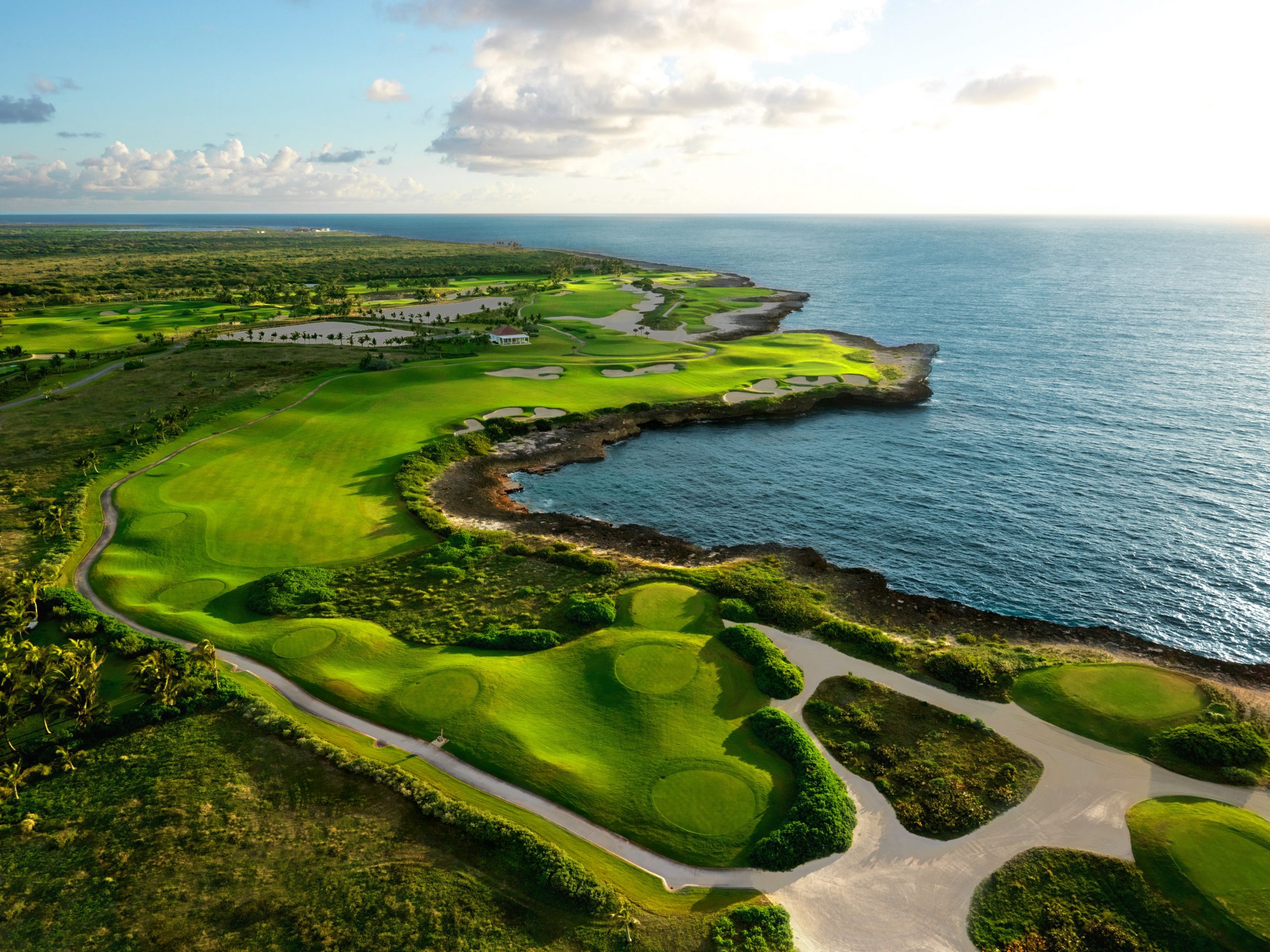
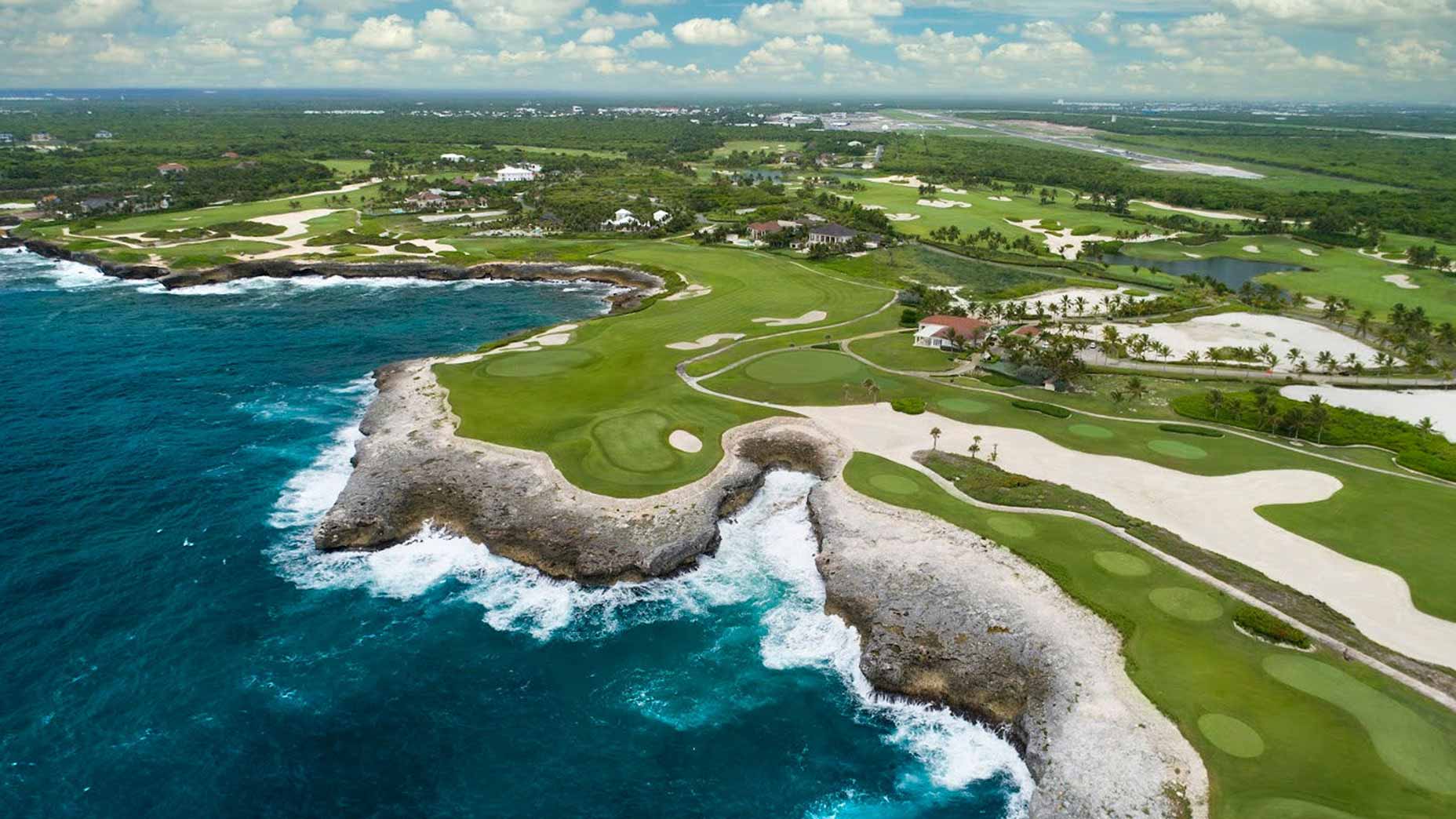
The Dominican Republic's rise to international prominence in golf travel is rooted in a rare geographical advantage: miles of dramatic oceanfront coastline framed by cliffs, coral formations, and rolling tropical topography. Rather than treating oceanfront terrain strictly as a visual backdrop, legendary golf course architects integrated these coastal environments directly into course strategy, shot values, and hazard design.
Players navigating championship layouts in the Dominican Republic face unique tactical decisions where risk-reward tradeoffs are tied directly to water features and cliffside carries. The juxtaposition of turquoise Caribbean waters with tightly manicured paspalum fairways creates visual contrast that can distract even seasoned golfers from critical strategic elements—such as coastal trade winds, subtle green contours, and deceptive waste bunkers.
From a competitive standpoint, the country’s top layouts are engineered to test every dimension of a golfer's game. Tournament tees push total distances beyond 7,400 yards, while multiple tee options make these courses accessible to recreational handicappers. The result is a destination where high-stakes professional events, such as the PGA Tour's Corales Puntacana Championship, coexist with world-class luxury resort golf.
Top Dominican Golf Courses Combining Coastal Views and Tournament Competition
Teeth of the Dog (Casa de Campo)
Designed by Hall of Fame architect Pete Dye and opened in 1971, Teeth of the Dog at Casa de Campo in La Romana is widely considered the flagship course of Caribbean golf. Dye famously quipped that he built eleven holes, but God created seven—referring to the seven iconic holes that play directly along the jagged coral shoreline of the Caribbean Sea.
- Strategic Layout: The oceanfront holes (holes 5 through 8 on the front nine and 15 through 17 on the back nine) require precise iron play into greens perched over crashing waves. The signature par-3 5th hole features a small green surrounded by ocean on three sides and guarded by Dye’s trademark waste bunkers.
- Competitive Depth: With a slope rating reaching 145 from the black tees, Teeth of the Dog tests distance control and wind management. Pete Dye utilized natural coral rock outcroppings as lateral hazards, meaning off-target shots often result in direct loss of ball rather than manageable recovery lies.
- Visual Signature: The contrast of dark green turfgrass against white coral rock and deep blue Caribbean water creates one of the most recognizable vistas in world golf.
Corales Golf Course (Puntacana Resort & Club)
Designed by Tom Fazio and opened in 2010, Corales Golf Course is an exclusive 18-hole championship venue that serves as the home of the PGA Tour's Corales Puntacana Championship. Fazio carved the layout out of natural bluffs, ocean coves, and inland quarry features.
- The Devil’s Elbow: The competitive climax of Corales occurs across holes 16, 17, and 18, collectively known as the "Devil’s Elbow." The par-4 18th hole demands a heroic tee shot carrying over the cliff-lined Bay of Corales to set up an approach into a green framed by ocean hazards.
- Professional Standards: Measuring over 7,670 yards from the championship tees, Corales features broad fairways that allow golfers to hit driver aggressively, but subtle green complexes and sweeping coastal wind currents require precise approach angles.
- Scenic Profile: Six holes play directly along the ocean, offering panoramic elevated views of the Atlantic coastline where massive ocean swells break against natural limestone cliffs.
Punta Espada Golf Club (Cap Cana)
Engineered by Jack Nicklaus and opened in 2006, Punta Espada in Cap Cana was the first of three Nicklaus Signature courses planned for the destination. It hosted the PGA Tour Champions Cap Cana Championship for three consecutive years, solidifying its reputation as a serious tournament venue.
- Integrated Coastal Design: Eight holes play directly along or over the ocean, with 15 of the 18 holes offering clear sea views. Nicklaus incorporated natural beach areas, bluff lines, and coastal inlets into the strategy of nearly every hole.
- Signature Challenge: The par-3 13th hole requires an all-carry shot over an ocean bay to a green perched on a rock point, testing both nerve and distance control. The par-4 17th demands a tee shot parallel to the crashing surf.
- Agronomy & Playability: Paspalum turf throughout the course provides crisp, firm playing conditions that resist salt water air and allow for consistent ball roll on greens and fairways alike.
Playa Grande Golf & Ocean Club
Located on the northern coast near Río San Juan, Playa Grande was originally designed by Robert Trent Jones Sr. in 1997 and later redesigned by his son, Rees Jones, in 2015. Often referred to as the "Pebble Beach of the Caribbean," Playa Grande features ten holes playing along high ocean cliffs.
- Dramatic Elevation Changes: Perched on elevated headlands overlooking the Atlantic Ocean, the course features sheer cliff faces dropping into the sea, providing sweeping ocean vistas on almost every hole.
- Tournament Readiness: Re-sculpted green complexes, deep bunkers, and challenging forced carries over cliffside chasms make Playa Grande a rigorous test for low-handicap golfers, while wide landing areas accommodate recreational players.
Comparative Analysis of Premier Championship Courses
| Course Name | Designer | Year Opened | Ocean Holes | Championship Length (Yards) | Notable Competitive Feature / Event |
|---|---|---|---|---|---|
| Teeth of the Dog | Pete Dye | 1971 | 7 | 7,471 | Host to World Amateur Team Championship; classic Dye coral hazards |
| Corales Golf Course | Tom Fazio | 2010 | 6 | 7,670 | Official PGA Tour Event Host (Corales Puntacana Championship) |
| Punta Espada Golf Club | Jack Nicklaus | 2006 | 8 | 7,396 | Hosted PGA Tour Champions Cap Cana Championship |
| Playa Grande Golf Club | RT Jones Sr. / Rees Jones | 1997 / 2015 | 10 | 7,259 | 10 cliffside ocean holes; dramatic headland carries |
| La Cana Golf Club | P.B. Dye | 2001 | 14 (with sea views) | 7,152 (27-hole facility) | Island green par-3; 27-hole layout flexibility |
Technical & Environmental Factors: Navigating Caribbean Course Dynamics
Playing competitive golf in the Dominican Republic requires distinct tactical adjustments due to regional agronomy, microclimates, and coastal geography. Understanding these technical factors helps players manage their scores when facing challenging conditions.
- COASTAL TRADE WINDS
- TACTICAL ADJUSTMENTS NEEDED
- Club Selection: 1 to 3 clubs difference
- Ball Flight: Lower trajectory control
- Windward vs. Leeward hole strategy
- PASPALUM TURF DYNAMICS
- Density: Ball sits up on fairways
- Grain: Less break impact on greens
Coastal Wind and Microclimates
Trade winds are a primary defensive feature of Dominican coastal courses. On oceanfront holes, wind velocity can alter shot distance by up to two to three club lengths.
- Onshore Winds: Heavy ocean breezes push shots toward inland hazards or dead-end rough. Players must master low-flight punch shots and knockdown irons to control trajectory.
- Crosswinds: Ocean-facing holes like the 18th at Corales or the 13th at Punta Espada turn crosswinds into high-stakes tests, where missing windward can push the ball straight into ocean chasms.
Turfgrass Agronomy: Supreme Paspalum vs. Bermuda
Most modern championship courses in the Dominican Republic utilize Paspe1um turfgrass (specifically Seashore Paspalum), which thrives in tropical climates and salt-spray environments.
- Fairway Playability: Paspalum creates a dense, upright turf canopy. The ball sits up cleanly on fairways, allowing for crisp iron contact, but short-game shots require clean technique as the clubhead can grab in wet conditions.
- Green Surface Performance: Paspalum greens feature significantly less grain than traditional Bermuda grass greens. Putting surfaces roll true and fast, but reading subtle slope dynamics near ocean waters remains vital, as shots often pull toward the sea regardless of visible contour.
Participating in Competitive Events and Tournaments
Golfers seeking competitive play in the Dominican Republic have access to multiple levels of structured competition, ranging from international amateur tournaments to resort pro-ams and charity invitationals.
Pro-Am and Amateur Tournaments
- Corales Puntacana Resort Pro-Am: Held in conjunction with official PGA Tour proceedings, offering amateur partners the opportunity to play alongside professional tour players under tournament conditions.
- Casa de Campo International Pro-Am: Annual multi-day tournament held across Teeth of the Dog, Dye Fore, and The Links, drawing competitive amateur teams from North America and Europe.
- Dominican Golf Federation (FEDOGOLF) Events: National amateur circuit events open to registered players holding verified USGA or WHS handicap indexes.
Logistics, Fees, and Requirements
Playing these high-tier courses involves specific booking considerations, dress codes, and operational guidelines:
- Handicap Requirements: While open to resort guests, courses like Teeth of the Dog and Punta Espada recommend maximum handicap thresholds (typically 24 for men, 36 for women) to maintain pace of play.
- Caddie Services: Experienced local caddies are mandatory or strongly recommended at most premier courses. Caddies provide vital guidance on wind reads, pin positions, and line-of-play over ocean carries.
- Green Fees: Peak season (December through April) rates at top-tier venues generally range from $350 to $650+ per round, including golf cart usage and driving range access. Off-peak rates (May through November) often feature reductions of 20% to 40%.
Frequently Asked Questions
What is the most challenging oceanfront golf course in the Dominican Republic?
Teeth of the Dog at Casa de Campo is widely considered the most challenging course due to its tight coastal tee shots, narrow landing zones, small greens, and signature Pete Dye hazards. From the championship black tees, its 145 slope rating presents a formidable test even for scratch golfers.
Which Dominican golf course hosts an official PGA Tour event?
Corales Golf Course at Puntacana Resort & Club hosts the Corales Puntacana Championship, an official PGA Tour event. The tournament features international tour professionals competing on Tom Fazio’s 7,670-yard coastal design.
What time of year offers the best playing conditions in the Dominican Republic?
The peak golf season runs from December through April, characterized by lower humidity, minimal rainfall, and consistent sunshine. However, coastal trade winds are generally stronger during these winter months, adding tactical difficulty to competitive rounds.
Do I need a caddie to play top-tier courses like Punta Espada or Teeth of the Dog?
Yes, caddies are either mandatory or highly recommended at premier Dominican courses. Caddies offer indispensable insight into wind patterns, ocean-influenced green breaks, blind hazards, and target lines over coastal carries.
Are public or non-resort guests permitted to play these private/resort courses?
Most top Dominican golf courses welcome outside day-pass play, provided tee times are booked in advance. However, priority tee times and preferred green fee rates are typically reserved for guests staying at affiliated luxury resorts (e.g., Casa de Campo, Puntacana Resort, or Cap Cana).
Recommended Next Steps for Players
To plan a competitive golf itinerary in the Dominican Republic:
- Verify Your Handicap Index: Ensure your World Handicap System (WHS) index is up to date, as several top-tier facilities require proof of handicap for tournament tees.
- Book Peak-Season Tee Times Early: Schedule rounds at least 60 to 90 days in advance when traveling between December and April to secure prime morning tee times before afternoon wind velocities peak.
- Prepare for Wind and Turf Variations: Practice low-trajectory iron shots and wedge play off tight, dense turf before arrival to adapt quickly to Seashore Paspalum conditions.
Image Gallery