The High Net Worth Athlete in Focus: Wealth Structuring, Risk Management, and Legacy Planning
High-net-worth athletes face a distinct financial lifecycle characterized by compressed earning windows, intense multi-jurisdictional tax exposure, and sudden capital inflows. Effective wealth management for these individuals requires...
High-net-worth athletes face a distinct financial lifecycle characterized by compressed earning windows, intense multi-jurisdictional tax exposure, and sudden capital inflows. Effective wealth management for these individuals requires specialized entity structuring, rigorous liquidity management, private asset protection, and proactive post-career transition planning to convert short-term athletic earnings into sustainable generational wealth.
Contents
The Distinct Financial Profile of Elite Professional Athletes
Managing wealth for professional athletes differs fundamentally from conventional private client advisory. While standard corporate executives typically experience a progressive income trajectory spanning three to four decades, elite athletes encounter an inverse earnings curve. Peak income is frequently concentrated within a narrow five-to-ten-year window, often occurring between the ages of 20 and 35.
This condensed timeframe creates systemic vulnerabilities if financial strategies rely on traditional long-term dollar-cost averaging without immediate structural protections. Furthermore, the modern high-net-worth athlete operates as a multi-faceted commercial enterprise. Income streams extend far beyond base contract salaries to include:
Endorsement and Sponsorship Contracts: Often structured with performance incentives, clawback clauses, and non-compete stipulations.
Name, Image, and Likeliness (NIL) Monetization: Emerging revenue models that begin during collegiate athletics and require early-stage tax and legal architecture.
Equity Allocations and Venture Investments: Direct startup equity or venture fund participation granted in lieu of cash endorsement fees.
Licensing and Intellectual Property (IP) Rights: Ongoing royalties from gaming, apparel, media, and digital collectibles.
Conventional Executive Earnings (Income by Age): Progressive earnings curve starting in 20s, rising through 30s–40s, peaking in 50s, and declining in 60s.
High-Net-Worth Athlete Earnings (Income by Age): High income concentrated early in 20s–30s, followed by a decline through 40s, leveling off into 50s–60s.
Because an athlete's physical capital is their main revenue-generating asset, sudden career termination due to injury or skill decline represents a constant structural risk. Financial architecture must prioritize capital preservation, high liquidity cushions, and aggressive liability defense early in the athlete's career.
Multi-Jurisdictional Tax Planning and Entity Structuring
Tax mitigation for professional athletes involves navigating complex international, federal, state, and municipal tax laws. Athletes operating across multiple venues are subject to the allocation of earnings based on duty days, commonly referred to as the "jock tax."
Duty Day Allocations and State Tax Compliance
In jurisdictions that enforce state income taxes, professional athletes must file returns in every state (and certain cities) where they calculate official duty days—which include game days, practice sessions, mandatory team meetings, and preseason training camps.
$$\text{State Taxable Allocation} = \text{Total Income} \times \left( \frac{\text{Duty Days in Jurisdiction}}{\text{Total Duty Days in Season}} \right)$$
Miscalculating these metrics can lead to severe audit penalties or double taxation. Advisory teams must implement real-time tracking of physical presence to ensure accurate filings across all applicable authorities.
Corporate Entity Architecture
To isolate liability and optimize tax deductions for non-salary compensation, high-net-worth athletes should establish formal business entities. Contractual salary paid by a sports team must generally be received as individual W-2 income. However, endorsement income, licensing fees, and appearance revenues can often be directed to business entities.
- High-Net-Worth Athlete
- Team Salary (W-2)
- Direct Personal Income
- Asset Protection Trust
- Direct Personal Income
- Endorsements & IP Rights
- Loan-Out / LLC
- Asset Protection Trust
- Loan-Out / LLC
- Team Salary (W-2)
- Loan-Out Corporations (S-Corporations or C-Corporations): These entities contract directly with sponsors and brands. The entity receives gross income, pays valid business expenses (such as agency fees, travel, marketing, and professional coaching), and distributes net income to the athlete via salary and distributions.
- Holding Companies (LLCs): Limited Liability Companies formed in asset-friendly jurisdictions (such as Delaware, Wyoming, or Nevada) can hold intellectual property, trademarks, real estate assets, and private equity stakes, protecting personal assets from business-related liabilities.
Wealth Preservation and Risk Management Strategies
Unforeseen liabilities, predatory lawsuits, financial mismanagement, and catastrophic injury represent substantial threats to an athlete's financial independence. Protecting capital requires an integrated risk management framework built on specialized insurance products and asset protection structures.
Specialized Insurance Coverage
Standard commercial insurance policies are usually insufficient for elite athletes. Wealth protection portfolios must incorporate tailored insurance products:
- Disability Insurance (Permanent Total Disability - PTD): Protects against career-ending injuries or illnesses, offering tax-free lump-sum payouts if the athlete cannot return to their profession.
- Temporary Total Disability (TTD): Provides monthly cash flow during extended recovery periods to cover fixed living expenses and debt service.
- Loss of Value (LOV) Insurance: Frequently utilized by high-performing collegiate or early-contract athletes approaching free agency. LOV policies pay out if an injury or illness causes a subsequent contract offer to fall below a pre-determined threshold.
- Personal Umbrella Liability: High-limit liability coverage (typically ranging from $10 million to $50 million) to protect personal wealth against catastrophic personal injury claims or civil litigation.
Asset Protection Trusts (APTs)
To shield accumulated wealth from potential future creditors, legal judgments, or matrimonial claims, advisors frequently utilize irrevocable Asset Protection Trusts.
- Domestic Asset Protection Trusts (DAPTs): Established in states like South Dakota, Nevada, or Delaware, these self-settled spendthrift trusts allow the athlete to remain a discretionary beneficiary while insulating trust assets from future creditor claims after a statutory contestability period.
- Foreign/Offshore Trusts: Established in jurisdictions such as the Cook Islands or Belize, these offer robust creditor protection due to strict non-recognition of foreign judgments and short statutes of limitations for fraudulent transfer claims.
Capital Allocation and Liquidity Frameworks
High net worth athletes often suffer from illiquidity—holding significant real estate or private equity assets without sufficient liquid reserves to sustain baseline living expenses during contract transitions, lockouts, or sudden early retirement. Capital allocation models must emphasize liquidity management and risk-adjusted capital preservation over speculative growth.
The Core-Satellite Portfolio Structure
A standard high-net-worth athlete portfolio should be segmented into distinct buckets aligned with liquidity needs, time horizons, and risk tolerance:
- Total Athlete Capital
- Liquidity Bucket: Cash, T-Bills, Short-Term Bonds (1-3 Years Flow)
- Core Bucket: Global Equities, Fixed Income, RE (Capital Preservation)
- Satellite Bucket: Private Equity, VC, Direct Deals (Speculative/Illiquid)
- The Liquidity Bucket (1-3 Years of Capital): Holds high-quality cash equivalents, Treasury bills, and short-duration money market instruments. This guarantees that living expenses, mortgage obligations, tax commitments, and management fees are fully funded without forcing the liquidation of long-term investments during market downturns.
- The Core Wealth Preservation Bucket: Comprises globally diversified public equities, fixed income securities, and inflation-hedged assets (such as core real estate investment trusts). The primary goal is capital preservation and long-term purchasing power expansion matching baseline inflation plus a real rate of return.
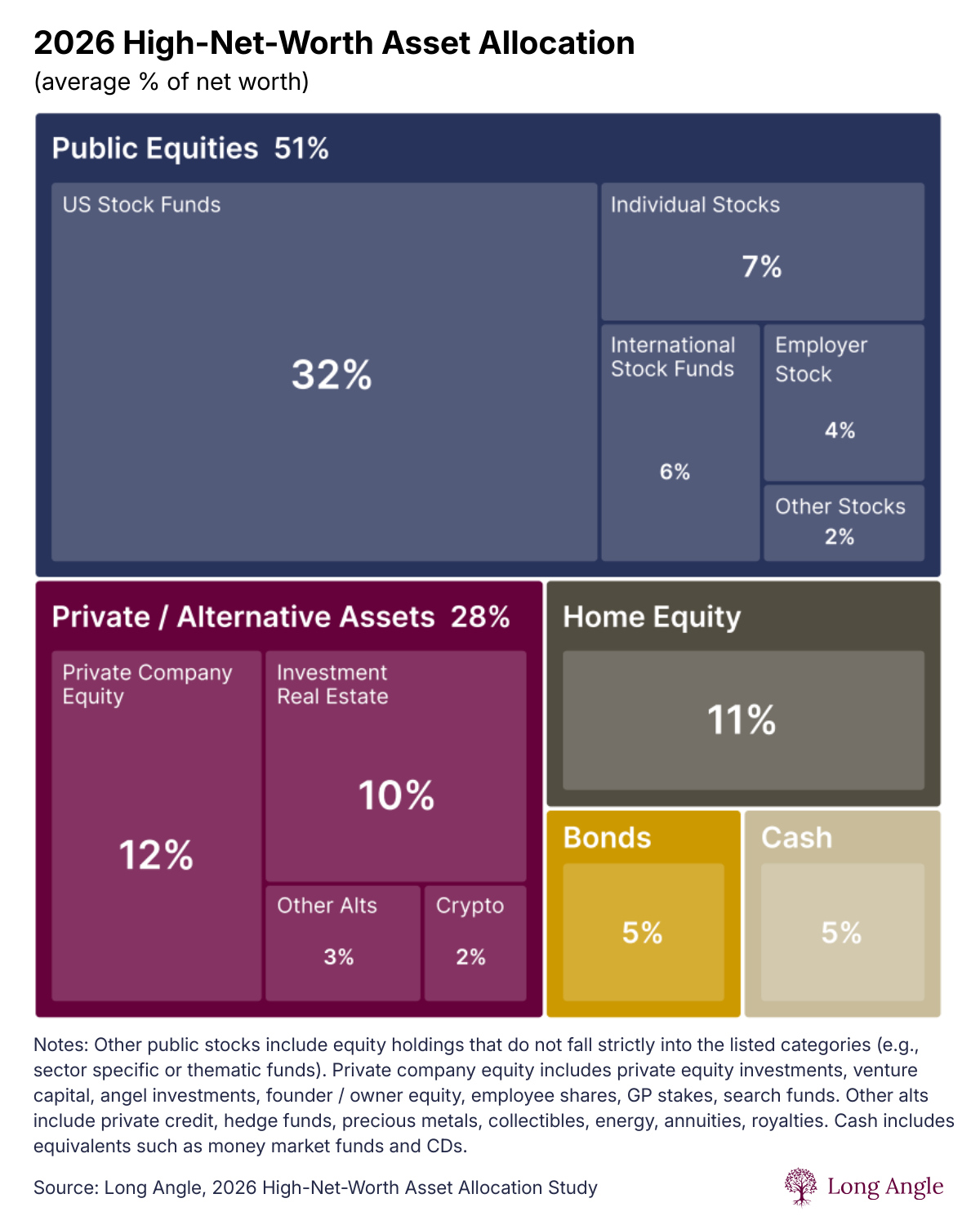
- The Growth/Satellite Bucket: Consists of alternative investments, early-stage venture capital, private real estate syndications, and direct business acquisitions. Allocation to this bucket should strictly be capped at a percentage of overall net worth (typically 10% to 20%) to prevent over-exposure to illiquid, high-risk ventures.
Structural Comparison of Athlete Wealth Protection Tools
The table below evaluates key financial and legal structures deployed in high-net-worth athlete wealth management:
| Wealth Structure | Primary Purpose | Asset Protection Level | Tax Implications | Operational Complexity | Key Risk Factor |
|---|---|---|---|---|---|
| Loan-Out Corporation | Tax deduction of valid business expenses; endorsement management. | Moderate (limited to entity-level contracts) | Enables pass-through deductions; subject to corporate tax rules. | Moderate (requires formal accounting and payroll) | IRS scrutiny over personal vs. business expenses. |
| Domestic Asset Protection Trust (DAPT) | Long-term asset protection from external creditors and claims. | High (after statutory contestability window) | Grantor trust status; tax-neutral relative to individual rates. | High (requires independent institutional trustee) | Varied state law enforcement and potential federal preemption. |
| Offshore Trust | Maximum protection against foreign judgments and catastrophic claims. | Very High (requires litigation in local foreign jurisdiction) | Subject to foreign trust reporting requirements (e.g., IRS Form 3520). | Very High (international legal setup and compliance) | Heightened regulatory oversight and higher maintenance costs. |
| Private Foundation / DAF | Philanthropic execution and brand alignment. | High (assets are permanently gifted to charity) | Provides immediate income tax deductions within statutory limits. | Moderate to High (Foundations require public disclosures) | Loss of personal control over gifted principal assets. |
| Single-Family Office (SFO) | Centralized governance, lifestyle management, and overall coordination. | Integrated across all sub-structures | Neutral; acts as an administrative management vehicle. | Extremely High (significant annual operating overhead) | High operating costs requiring substantial total net worth ($100M+). |
Post-Career Transition and Family Office Integration
The transition out of professional sports is a significant point of financial risk. The sudden drop in active athletic earnings often occurs while living expenses remain at peak levels. Successful wealth planning addresses lifestyle burn rates, career evolution, and structural family governance long before retirement.
Managing the "Burn Rate" and Lifestyle Expectations
Lifestyle inflation is a common driver of post-career financial strain. Financial plans must calculate a sustainable Safe Withdrawal Rate (SWR) based solely on accumulated liquid assets rather than peak historical earnings.
Advisors should establish a post-retirement cash-flow baseline that projects asset longevity through age 90+, assuming zero future active athletic income.
Transitioning to a Family Office Governance Framework
As an athlete's net worth crosses institutional thresholds (typically $25 million to $50 million+), transitioning from fragmented external advisors to a consolidated Multi-Family Office (MFO) or Single-Family Office (SFO) becomes necessary. Centralized governance offers several core advantages:
- Integrated Oversight: Unifies estate attorneys, tax CPAs, investment managers, insurance brokers, and business managers under a single operational strategy.
- Bill Pay and Concierge Services: Centralizes expense tracking, domestic payroll management, and property management to protect against fraud, unauthorized spending, and missed tax deadlines.
- Next-Generation Financial Literacy: Educates family members and dependents on wealth stewardship, trust distributions, and financial discipline to prevent intergenerational wealth destruction.
Common Missteps in Managing High-Net-Worth Athlete Assets
- Over-Concentration in Unvetted Private Equity: Allocating substantial capital to speculative local businesses, real estate developments, or friend-and-family ventures without independent due diligence.
- Neglecting Multi-State Tax Obligations: Failing to accurately track and file duty days, resulting in back taxes, interest charges, and multi-jurisdictional audit penalties.
- Inadequate Contractual Protections in Personal Relationships: Omitting prenuptial agreements, cohabitation agreements, or structured trust distributions prior to significant wealth accumulation.
- Misalignment of Incentive Structures Among Advisors: Relying on advisors who operate on transactional commissions rather than acting as fee-only fiduciaries legally bound to put the athlete's interests first.
Frequently Asked Questions
How does the "jock tax" affect an athlete's total earnings?
The "jock tax" requires professional athletes to pay state and local income taxes in every jurisdiction where they perform services, based on the proportion of duty days spent in that jurisdiction. This results in multi-state tax filings and requires precise state tax credit calculations to prevent double taxation on the same income stream.
Why are standard insurance policies inadequate for elite athletes?
Standard insurance policies usually exclude high-risk professional sports activities and do not offer adequate coverage limits for an athlete's future earning capacity. Specialized policies—such as Permanent Total Disability (PTD) and Loss of Value (LOV) insurance—are customized to protect against career-ending injuries and contractual shortfalls specific to professional athletics.
When should a high-net-worth athlete consider establishing a family office?
An athlete should evaluate a Multi-Family Office (MFO) when their net worth and operational footprint require integrated tax, legal, asset management, and lifestyle support, typically starting around $25 million in liquid assets. Establishing a dedicated Single-Family Office (SFO) generally becomes cost-effective once liquid assets exceed $100 million due to the significant administrative overhead involved.
What is the role of a loan-out corporation for a professional athlete?
A loan-out corporation contracts with third parties for non-salary commercial activities, such as endorsements, public appearances, and intellectual property licensing. It receives this revenue and deducts valid business expenses—such as training, travel, and agent fees—before paying out wages or distributions, reducing overall taxable income compared to receiving direct individual payments.
How do Asset Protection Trusts safeguard an athlete's net worth?
Asset Protection Trusts (APTs) transfer legal ownership of assets to an independent trustee under strict statutory rules. Because the assets are no longer held in the athlete's personal name, they are generally shielded from future creditors, legal judgments, and civil lawsuits, provided the transfer was not made fraudulently prior to a claim.
Strategic Implementation Plan
To secure high-net-worth athletic wealth across every stage of the professional lifecycle, financial teams should execute the following operational sequence:
Step 1: Initial Discovery & Audit: Perform complete audit of existing contracts, policies, & tax exposure
Step 2: Entity & Trust Formation: Establish Loan-Out LLCs, Holding Companies, & Asset Protection Trusts
Step 3: Liquidity & Capital Structure: Fund 1-3 year liquidity bucket; build core preservation portfolio
Step 4: Risk Mitigation & Governance: Bind PTD/LOV insurance policies; mandate multi-advisor fiduciary review
Conduct a Structural Audit: Review all existing team contracts, endorsement deals, current tax filings, and active insurance coverage limits to identify structural vulnerabilities.
Separate Active Operating Income from Accumulated Capital: Immediately insulate personal holdings by establishing limited liability holding structures and domestic or foreign asset protection trusts.
Implement Strict Liquidity Controls: Reserve 12 to 36 months of baseline personal living expenses, tax liabilities, and fixed costs in high-quality cash equivalents before funding illiquid growth investments.
Assemble a Fiduciary Advisory Board: Maintain an independent, fee-only fiduciary team comprising a certified wealth manager, specialized sports tax CPA, legal counsel, and an institutional insurance specialist to ensure objective financial stewardship.
Image Gallery