Meaningful Birthday Blessings in Spanish: Phrases, Translations, and Cultural Etiquette
Expressing birthday blessings in Spanish involves more than translating "Happy Birthday"; it connects to a rich cultural tradition of offering faith-based goodwill, health, and prosperity. The most direct phrase for a birthday blessing...
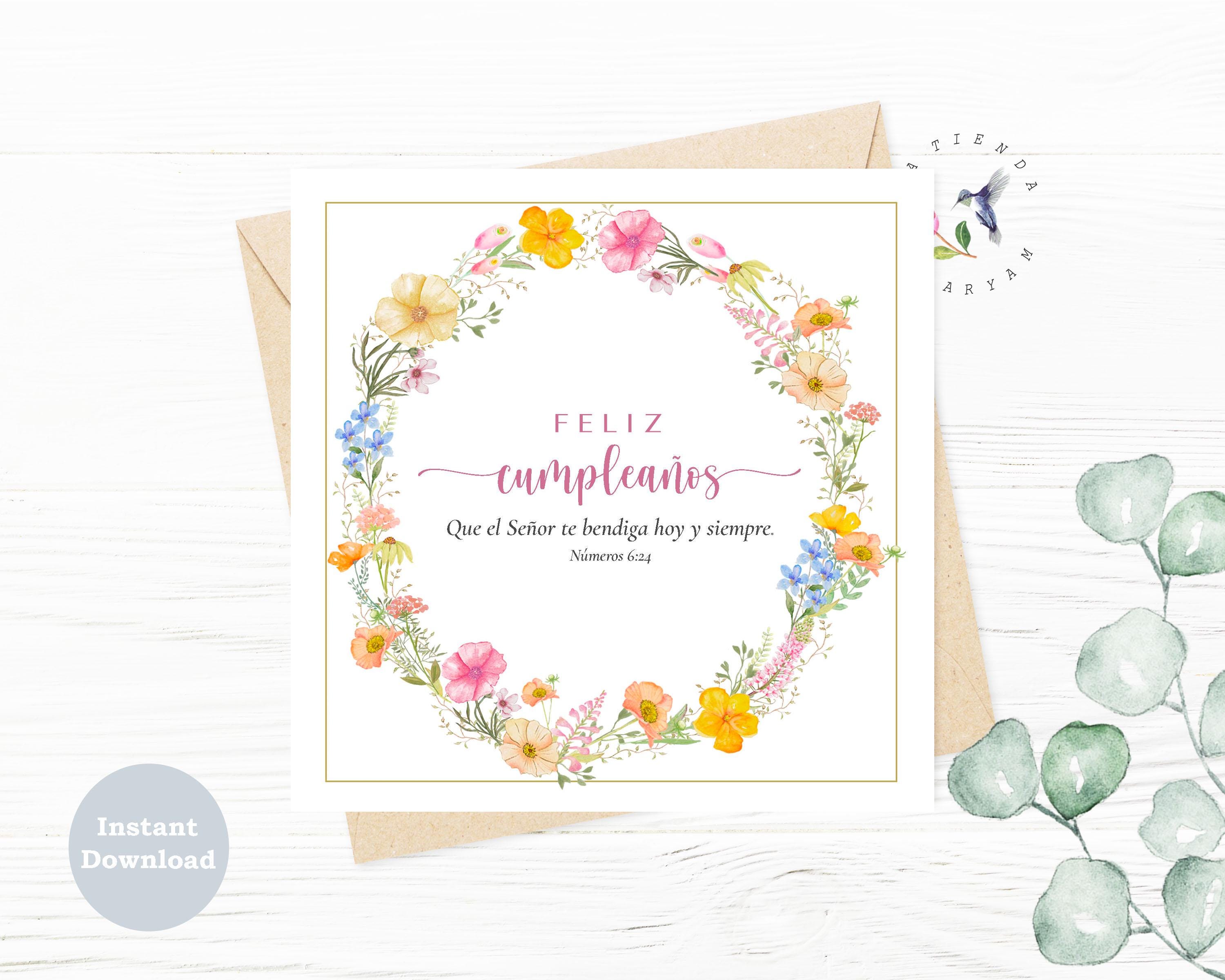
Expressing birthday blessings in Spanish involves more than translating "Happy Birthday"; it connects to a rich cultural tradition of offering faith-based goodwill, health, and prosperity. The most direct phrase for a birthday blessing is "Que Dios te bendiga en tu cumpleaños" ("May God bless you on your birthday"), alongside traditional wishes like "Feliz cumpleaños y muchas bendiciones" ("Happy birthday and many blessings").
Contents
The Cultural Significance of Bendiciones in Hispanic Birthday Traditions
In Spanish-speaking cultures throughout Latin America and Spain, birthday celebrations are viewed as profound milestones marking another year of life—often referred to as "un año más de vida". Unlike standard secular greetings, spiritual and faith-based expressions called bendiciones (blessings) are routinely offered by family members, close friends, and elders, regardless of whether the gathering is strictly religious.
Offering a blessing is a gesture of deep affection, respect, and spiritual protection. Parents and grandparents frequently place their hands on a child's or grandchild's head while saying "Que Dios te bendiga" (May God bless you), establishing a intergenerational tradition of bestowing goodwill. In everyday communication, wishing someone blessings on their birthday acknowledges the sanctity of life, health (salud), and peace (paz).
Understanding the context of these blessings requires recognizing how central the concept of divine favor is in daily Hispanic communication. Even in casual birthday messages sent via text or social media, incorporating a blessing conveys a level of warmth and sincerity that simple congratulations (felicitaciones) cannot replicate on their own.
Faith-Based and Religious Birthday Blessings in Spanish
For individuals who hold Christian or Catholic beliefs, religious birthday blessings carry deep personal resonance. These phrases draw on themes of divine grace, protection, and long life.
Key Vocabulary: - Bendición / Bendiciones: Blessing / Blessings - Dios: God - El Señor: The Lord - Salud y larga vida: Health and long life - Conceder: To grant / bestow
Traditional Faith-Based Birthday Wishes
"Que Dios te bendiga hoy y siempre en este día tan especial. ¡Feliz cumpleaños!"
- Translation: May God bless you today and always on this very special day. Happy birthday!
- Usage: A universally respectful and warm blessing suitable for friends, relatives, and acquaintances.
"Le pido a Dios que derrame infinitas bendiciones sobre tu vida y la de tu familia en este nuevo año."
- Translation: I ask God to pour out infinite blessings upon your life and your family in this new year.
- Usage: Ideal for close friends or family members when writing a heartfelt card.
"Que el Señor guíe cada uno de tus pasos y conceda los deseos más profundos de tu corazón."
- Translation: May the Lord guide each of your steps and grant the deepest desires of your heart.
- Usage: A spiritual message well-suited for godchildren, children, or close spiritual brothers and sisters (hermanos en fe).
"Que la gracia y la paz de Dios te acompañen hoy y todos los días de tu vida."
- Translation: May the grace and peace of God accompany you today and all the days of your life.
- Usage: Formal and elegant, fitting for elder relatives, mentors, or religious leaders.
Relationship-Specific Birthday Wishes and Blessings
Selecting the correct phrasing depends heavily on your relationship with the celebrated individual, as well as the level of formality required.
Blessings for Parents, Grandparents, and Elders
When addressing elders, showing respect is paramount. In many Spanish-speaking regions, elders are addressed using the formal pronoun usted rather than the informal tú.
- "Que Dios le conceda muchos años más de vida llenos de salud, paz y alegría. ¡Feliz cumpleaños, mamá/papá!"
- Translation: May God grant you many more years of life filled with health, peace, and joy. Happy birthday, Mom/Dad!
- "Abuelito/a, que el Señor lo/la bendiga grandemente hoy en su día. Gracias por su amor incondicional."
- Translation: Dear Grandpa/Grandma, may the Lord bless you greatly today on your day. Thank you for your unconditional love.
Blessings for Children, Godchildren, and Youth
When speaking to younger generations or godchildren (ahijados), the tone becomes protective, tender, and encouraging.
- "Que la luz de Dios ilumine siempre tu camino y te proteja a donde quiera que vayas. ¡Feliz cumpleaños, mi niño/a!"
- Translation: May God's light always illuminate your path and protect you wherever you go. Happy birthday, my child!
- "Para mi querido/a ahijado/a: Que Dios te bendiga con sabiduría, salud y mucha felicidad en tu cumpleaños."
- Translation: For my dear godchild: May God bless you with wisdom, health, and much happiness on your birthday.
Warm Birthday Blessings for Close Friends and Partners
Wishes for peers and romantic partners balance emotional depth with personal affection.
- "¡Feliz cumpleaños, mi amor! Le doy gracias a Dios por tu vida y por darme la bendición de caminar a tu lado."
- Translation: Happy birthday, my love! I thank God for your life and for giving me the blessing of walking by your side.
- "Amigo/a de mi alma, que este nuevo año de vida venga cargado de éxitos, salud y abundantes bendiciones."
- Translation: Soul friend, may this new year of life come loaded with success, health, and abundant blessings.
Short Spanish Birthday Blessings for Cards, Texts, and Social Media
When writing in digital formats like WhatsApp, SMS, or social media posts, concise yet impactful phrases are preferred. Short blessings combine ease of reading with meaningful sentiment.
- "¡Feliz cumpleaños! Que Dios te llene de bendiciones hoy y siempre." (Happy birthday! May God fill you with blessings today and always.)
- "Lluvia de bendiciones para ti en tu día. ¡Un fuerte abrazo!" (Shower of blessings for you on your day. A big hug!)
- "Que tengas un día bendecido y un año maravilloso. ¡Felicidades!" (May you have a blessed day and a wonderful year. Congratulations!)
- "Muchas bendiciones, salud y éxito en este nuevo año de vida." (Many blessings, health, and success in this new year of life.)
- "¡Bendecido cumpleaños! Que todos tus sueños se hagan realidad." (Blessed birthday! May all your dreams come true.)
Essential Spanish Grammar and Pronunciation for Birthday Blessings
To deliver birthday blessings correctly, non-native speakers must navigate three key grammatical considerations: the subjunctive mood, pronoun formality, and region-specific vocabulary.
1. The Subjunctive Mood for Wishes (Que + Subjunctive)
Most Spanish blessings start with the conjunction "Que" followed by a verb in the present subjunctive. This construction functions as an implicit wish, short for "Deseo que..." (I wish that...) or "Pido a Dios que..." (I ask God that...).
| Verb (Infinitive) | Subjunctive Form | Example Phrase | Meaning |
|---|---|---|---|
| Bendecir (To bless) | bendiga | Que Dios te bendiga | May God bless you |
| Conceder (To grant) | conceda | Que Dios te conceda salud | May God grant you health |
| Derramar (To pour out) | derrame | Que derrame sus bendiciones | May He pour out His blessings |
| Iluminar (To illuminate) | ilumine | Que ilumine tu camino | May He illuminate your path |
| Llenar (To fill) | llene | Que te llene de paz | May He fill you with peace |
2. Formal vs. Informal Pronouns (Te vs. Le)
Matching the pronoun to your relationship with the recipient ensures cultural correctness:
- Informal (Tú): Use te when speaking to friends, siblings, peers, or children.
- Example: "Que Dios te bendiga."
- Formal (Usted): Use le (or lo/la) when speaking to elders, grandparents, superiors, or people you address with formal respect.
- Example: "Que Dios le bendiga."
- Plural (Ustedes): Use los or las when addressing more than one person celebrating.
- Example: "Que Dios los bendiga a ambos en su cumpleaños."
Comprehensive Comparison Guide: Spanish Birthday Blessings by Tone and Context
The table below outlines common Spanish birthday blessings categorized by formality, intended recipient, and primary channel of communication.
| Spanish Phrase | English Translation | Formality Level | Ideal Recipient | Recommended Format |
|---|---|---|---|---|
| "Que Dios te bendiga en este nuevo año de vida." | May God bless you in this new year of life. | Semi-Informal | Friends, Cousins, Colleagues | Greeting Card / Text |
| "Que Dios le conceda mucha salud y muchos años más." | May God grant you good health and many more years. | Formal | Parents, Grandparents, Elders | In-Person / Written Card |
| "Lluvia de bendiciones en tu cumpleaños. ¡Un abrazo!" | A shower of blessings on your birthday. Big hug! | Casual / Warm | Close Friends, Peers | WhatsApp / SMS / Social |
| "Que el Señor guíe tus pasos y cumpla tus anhelos." | May the Lord guide your steps and fulfill your desires. | Devotional | Godchildren, Church Members | Personal Letter / Card |
| "Doy gracias a Dios por tu vida. ¡Bendecido cumpleaños!" | I give thanks to God for your life. Blessed birthday! | Intimate / Faith-Based | Spouse, Partner, Best Friend | Verbal / Personal Card |
| "¡Feliz cumpleaños! Deseándote salud, paz y bendiciones." | Happy birthday! Wishing you health, peace, and blessings. | Neutral | Professional Contacts, Neighbors | Email / Text Message |
Frequently Asked Questions
What is the difference between Feliz cumpleaños and Felicidades?
While both mean "happy birthday" in practice, "Feliz cumpleaños" specifically translates to "Happy birthday." "Felicidades" means "Congratulations" or "Best wishes." Felicidades can be used for birthdays, anniversaries, graduations, and other celebrations, whereas Feliz cumpleaños is strictly used for birthdays.
How do I reply when someone wishes me Que Dios te bendiga on my birthday?
The most polite and culturally customary responses are "Amén, muchas gracias" (Amen, thank you very much), "Igualmente" (Likewise), or "Muchas gracias, que Dios te bendiga a ti también" (Thank you very much, may God bless you too).
Is it acceptable to send a religious blessing to someone who is not deeply religious?
In most Spanish-speaking regions, offering a blessing such as "Que Dios te bendiga" is culturally understood as a general expression of deep goodwill, care, and warm wishes. However, if you prefer a non-religious warm wish, phrases like "Te deseo mucha salud, paz y felicidad en tu día" (I wish you health, peace, and happiness on your day) work perfectly.
What is the significance of Las Mañanitas during a Spanish birthday celebration?
Las Mañanitas is the traditional Mexican birthday song sung in many parts of Latin America before cutting the birthday cake. The lyrics ask King David to sing to the celebrated individual and express wishes for divine favor, morning blessings, and joy, reinforcing the spiritual aspect of birthday traditions.
How do I say "Shower of blessings" in Spanish?
The phrase for "shower of blessings" is "Lluvia de bendiciones" or "Torrente de bendiciones". It is commonly used in handwritten birthday cards and short text messages to convey abundant good fortune.
Final Guidance for Offering Spanish Birthday Blessings
When delivering a birthday blessing in Spanish, authenticity and warmth matter far more than flawless grammatical execution. If you are writing a physical greeting card, pair your spiritual wish with a personal memory or expression of gratitude for the person's presence in your life. If speaking in person, a warm embrace—known culturally as un abrazo—typically accompanies the spoken phrase "¡Que Dios te bendiga!"
By matching your phrasing to your relationship with the recipient and selecting the appropriate level of formality (tú versus usted), your message will convey genuine affection and respect across cultural and linguistic boundaries.
EDITORIAL CATEGORY METADATA:
TOPIC METADATA:
Image Gallery