The Gel Nail Reviews You Need to Understand: A Complete Buyer and User Guide
Navigating gel nail reviews requires looking beyond surface-level star ratings to evaluate formula chemistry, curing mechanics, and long-term nail health. Reliable reviews analyze how specific gel formulas—such as soft gels, hard gels,...
Navigating gel nail reviews requires looking beyond surface-level star ratings to evaluate formula chemistry, curing mechanics, and long-term nail health. Reliable reviews analyze how specific gel formulas—such as soft gels, hard gels, and builder gels—interact with dedicated LED or UV light wavelengths (typically 365 to 405 nanometers) to ensure complete polymerization without causing thermal spikes or allergic contact dermatitis.
Contents
Decoding Gel Nail Reviews: Why Standard Star Ratings Fail
A high star rating on an e-commerce platform rarely tells the entire story of a gel nail system's performance. Gel manicures rely on complex chemical reactions rather than simple solvent evaporation. Consequently, a consumer review claiming a product is "terrible because it peeled off in one day" often reflects poor nail surface preparation or improper lamp curing rather than a defective product formula. Conversely, a five-star review written immediately after application fails to inform buyers about two-week wear resistance, yellowing, or how difficult the product is to remove without damaging the natural nail plate.
When reading gel nail product reviews, discerning users must filter feedback based on diagnostic metrics rather than emotional reactions. Key indicators of a trustworthy, high-quality gel review include:
- Detailed Nail Preparation Context: The reviewer specifies whether they used an isopropyl alcohol dehydrator, an acid-free primer, or buffed the natural nail plate before base coat application.
- Exact Lamp Specifications: The reviewer details the wattage, light-emitting diode (LED) layout, and dominant wavelength output of the curing lamp used.
- Application Viscosity and Self-Leveling: Feedback that notes how the gel behaves during application, including whether it floods the cuticles or levels smoothly over natural ridge imperfections.
- Wear-Time and Edge-Capping Performance: Observations on whether chipping occurs at the free edge, which often indicates inadequate edge sealing during topcoat application.
- Soak-Off Efficiency: Clear reports on how easily the gel breaks down in 99% pure acetone, including the time required and whether scrape tools damage the keratin layer.
Understanding Gel Nail System Chemistries
To evaluate gel nail reviews accurately, you must understand the distinct chemical categories of gel products available on the market. Manufacturers formulate gel systems using different monomer structures and cross-linking densities, which dictate flexibility, strength, and removal methods.
1. Soft Gel (Soak-Off Gel Polish)
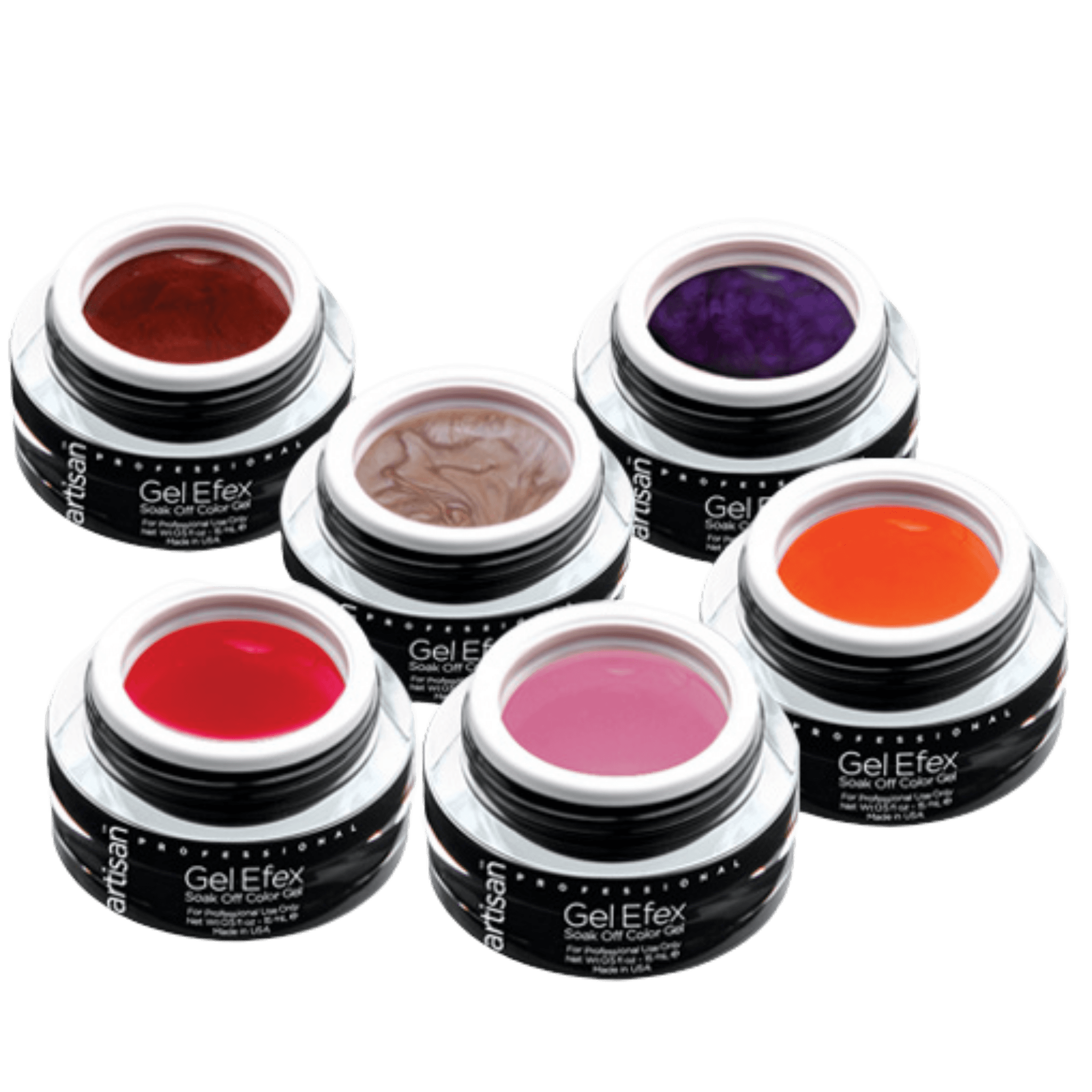
Soft gels feature a lower cross-linking density, making them flexible and easily dissolved by acetone. Reviews for soft gel polishes typically focus on color opacity, self-leveling speed, and flexibility. Because soft gels flex alongside the natural nail plate, they are less prone to snapping under tension, though improper edge capping can lead to early lifting at the tips.
2. Builder in a Bottle (BIAB) and Structure Gels
Builder gels offer a higher viscosity than standard gel polishes, allowing users to create Apex support structures, reinforce weak natural nails, or build short extensions. When analyzing BIAB reviews, look for comments regarding heat spikes (exothermic reactions during curing), structural rigidity, and whether the formula requires a dedicated base coat for adhesion.
3. Hard Gel (Non-Soak-Off Gel)
Hard gels possess a tight chemical matrix resistant to acetone penetration. They can only be removed by mechanical filing or electric nail files (e-files). Reviews for hard gels cater primarily to professional technicians or experienced users, evaluating structural longevity, pinch-ability for C-curves, and resistance to heavy impacts.
4. Polygel and Acrylic-Gel Hybrids
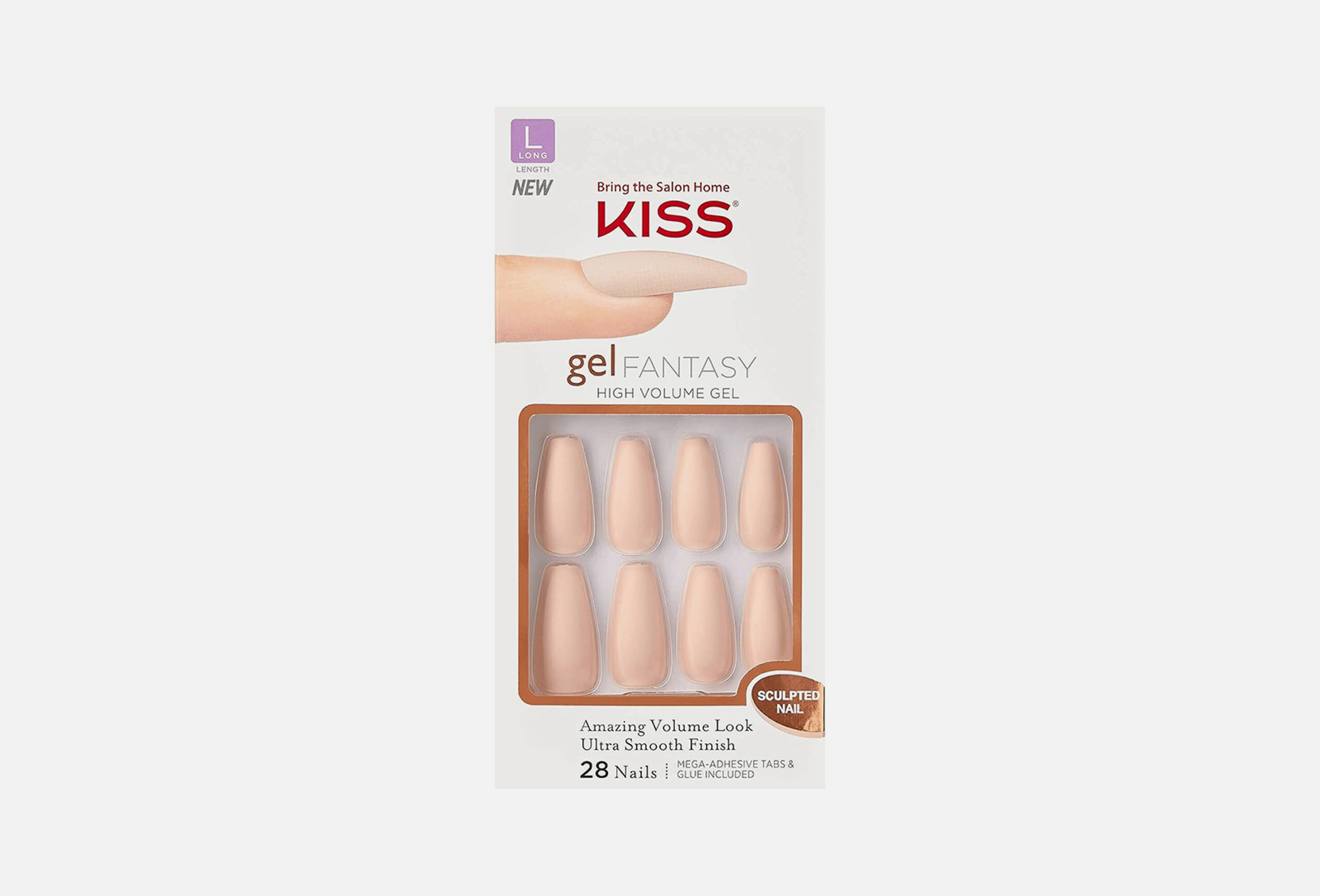
Polygel combines acrylic powder polymers with hard gel oligomers in a pre-mixed paste. It remains malleable until cured under a lamp. Honest reviews of polygel systems focus on paste tackiness, the type of slip solution required (typically 70% to 90% isopropyl alcohol), and ease of shaping using dual forms or paper nail forms.
The Science of Curing: Light Wavelengths and Lamp Specs
Incomplete curing is the leading cause of early gel failure and, more critically, chemical sensitization. Gel products contain photoinitiators—chemical compounds that absorb light energy and trigger the cross-linking of oligomers into a solid plastic matrix.
Light Energy (365–405 nm) + Photoinitiators -> Cross-Linked Monomer/Oligomer Polymer Matrix
If a review mentions that a gel coat remains gummy under the inhibition layer or lifts within 48 hours, the issue is frequently lamp mismatch. Gel formulations depend on precise light wavelengths:
- 365 Nanometers (UV Spectrum): Traditionally targeted by fluorescent UV lamps and dual-wave LED lamps to cure classic UV photoinitiators.
- 405 Nanometers (LED Spectrum): Targeted by modern LED lamps to trigger rapid-curing photoinitiators (such as TPO or TPO-L derivatives).
According to research published by the American Academy of Dermatology, ensuring full cure under the correct light source is vital to preventing skin irritation and structural breakdown. High wattage alone does not guarantee a proper cure. A 48-watt lamp with poor LED chip placement or incorrect nanometer output will under-cure gel faster than a well-engineered 24-watt lamp with uniform optical lenses. Under-cured gel leaves unreacted acrylates resting directly against the nail plate, drastically increasing the risk of allergic contact dermatitis over time.
Comprehensive Gel System Comparison
The table below breaks down the primary gel categories to help you weigh review claims against technical reality:
| Gel System Category | Flexibility & Rigidity | Primary Removal Method | Typical Longevity | Best Suited For | Key Review Factors to Monitor |
|---|---|---|---|---|---|
| Soft Gel Polish | High flexibility; bends with natural nail | Acetone soak-off (10–15 mins) | 14 to 21 Days | Natural nail color, short nails | Pigmentation density, self-leveling, tip-chipping resistance |
| Builder in a Bottle (BIAB) | Moderate flexibility with structural support | Acetone soak-off (15–25 mins) or file-down | 21 to 28 Days | Weak nails, Apex building, natural overlays | Exothermic heat spikes, viscosity control, soak-off speed |
| Hard Gel | Zero flexibility; high rigidity and impact resistance | E-file or hand file only (Acetone resistant) | 4+ Weeks (Requires refills) | Long extensions, extreme shaping, heavy-duty wear | Clarity/yellowing resistance, filing dust texture, structure hold |
| Polygel Hybrid | Balanced flexibility and high compressive strength | Acetone soak-off (extended) or filing | 21 to 30 Days | Extension dual-forms, custom sculpting | Stickiness during shaping, durability at sidewalls, filing speed |
Health, Safety, and Acrylate Sensitizations
A critical element missing from superficial product reviews is an analysis of ingredient safety. The cosmetic industry uses monomer building blocks like HEMA (hydroxyethyl methacrylate), HPMA (hydroxypropyl methacrylate), and Isobornyl Acrylate (IBOA) to ensure adhesion and flexibility. However, these uncured acrylates are known skin sensitizers.
Guidance provided by the U.S. Food and Drug Administration emphasizes that nail products containing unreacted monomers must be handled carefully to avoid direct skin contact. When evaluating gel reviews, look for discussions around HEMA-free formulations, particularly if you have sensitive skin or a history of skin allergies.
Uncured Acrylates + Skin Contact + Incomplete UV/LED Cure -> Risk of Allergic Contact Dermatitis
Signs that a review is evaluating safety properly include:
- Detection of Exothermic Heat Spikes: Polymerization generates heat. A sudden burning sensation inside the lamp indicates rapid chemical bonding, often caused by applying coats that are too thick or using a lamp with excessive output power.
- Skin Contact Warnings: High-quality reviews note whether a formula's viscosity prevents it from running into the cuticle lateral folds, reducing allergen exposure.
- Dust and Fume Safety: Reviews for hard gels and polygels should emphasize using a dust collector during filing to avoid inhaling fine particulate acrylates.
Step-by-Step Framework for Evaluating Gel Brands
Before purchasing a gel brand based on online reviews, apply this standardized evaluation testing framework:
- Examine the Prep Requirements: Check if the brand requires a proprietary dehydrator and primer. Cross-brand mixing can sometimes cause premature lifting due to chemical incompatibility between base coats and natural oil barriers.
- Verify Lamp Compatibility: Match the nanometer requirements listed on the gel bottle (e.g., 365nm + 405nm) against your curing lamp's output spec sheet.
- Assess Viscosity and Application: Test how thin a layer can be spread without pooling. High-pigment formulas require ultra-thin coats to allow light penetration all the way to the base layer.
- Perform a Cure Test: Apply a swatch layer onto an index card or clear tip, cure for the recommended seconds, cut the sample in half, and check if the core is fully solid or uncured and runny.
- Evaluate Removal Impact: Note how easily the gel breaks down under acetone without requiring heavy scraping that strips the dorsal layer of the natural nail plate.
Frequently Asked Questions
Why does gel polish peel off in one whole piece shortly after application?
Peeling off in large sheets usually points to surface preparation errors rather than a bad gel product. If natural oils, moisture, or invisible cuticle tissue (pterygium) remain on the nail plate, the gel base coat cannot form a mechanical bond. It can also occur if the gel was cured directly onto the skin or cuticle boundary, breaking the perimeter seal.
Are HEMA-free gel polishes better than standard gel formulations?
HEMA-free formulas replace hydroxyethyl methacrylate with larger monomer molecules that are less prone to penetrating the skin barrier, significantly reducing the risk of developing an acrylate allergy. However, HEMA-free gels may require more meticulous surface preparation or specific proprietary base coats to achieve the same level of long-term adhesion as standard formulas.
Can I use any LED lamp with any brand of gel polish?
No. Gel formulas are chemically tuned to cure under specific light wavelengths and intensity thresholds (irradiance). Using a low-power lamp or a lamp with mismatched nanometer outputs can leave the lower layers of gel uncured, exposing your nail bed to active monomers and causing early peeling or allergic reactions.
How do I stop the burning sensation (heat spike) when curing builder gel?
Heat spikes occur when photoinitiators react rapidly under high-intensity light, releasing an exothermic reaction. To mitigate this, apply thinner layers of builder gel, use your lamp's low-heat setting (which ramps up wattage gradually), or pull your hand out of the lamp for a few seconds at the first sign of warmth before completing the full cure cycle.
What is the difference between soak-off gel and hard gel?
Soak-off gels (soft gels and most builder gels) have a looser molecular structure that allows acetone to break down the polymer bonds for safe removal. Hard gels feature a densely cross-linked chemical structure that acetone cannot penetrate; they must be reduced mechanically using an e-file or hand file.
Final Recommendations for Evaluating Gel Products
When reading through gel nail reviews, disregard one-sentence ratings and look for technical feedback detailing surface preparation, lamp matching, and long-term nail health. Prioritize brands that list their full chemical ingredients, specify required curing wavelengths (365–405 nm), and provide clear instructions for thin application layers.
For the safest and most durable results, invest in a high-quality, dual-wavelength LED lamp, strictly follow proper mechanical and chemical prep procedures, and choose HEMA-free or low-allergen builder and color systems whenever possible.
Image Gallery