State Farm General Liability Insurance: A Comprehensive 2026 Business Protection Guide
State Farm general liability insurance provides essential financial protection for business owners against third-party claims of bodily injury, property damage, and personal or advertising injury. In 2026, this coverage remains a funda...
State Farm general liability insurance provides essential financial protection for business owners against third-party claims of bodily injury, property damage, and personal or advertising injury. In 2026, this coverage remains a fundamental requirement for securing commercial leases and client contracts, ensuring that legal defense costs and settlements do not jeopardize your company's operational solvency or personal assets.
Contents
The landscape of small business risk in 2026 has evolved with increased litigation costs and shifting regulatory environments. For entrepreneurs and established enterprises alike, State Farm continues to leverage its massive captive agent network to provide localized, high-touch service that digital-only insurers often struggle to match. Understanding the nuances of a State Farm General Liability (GL) policy is the first step toward building a resilient risk management framework.
The Core Pillars of State Farm General Liability Coverage
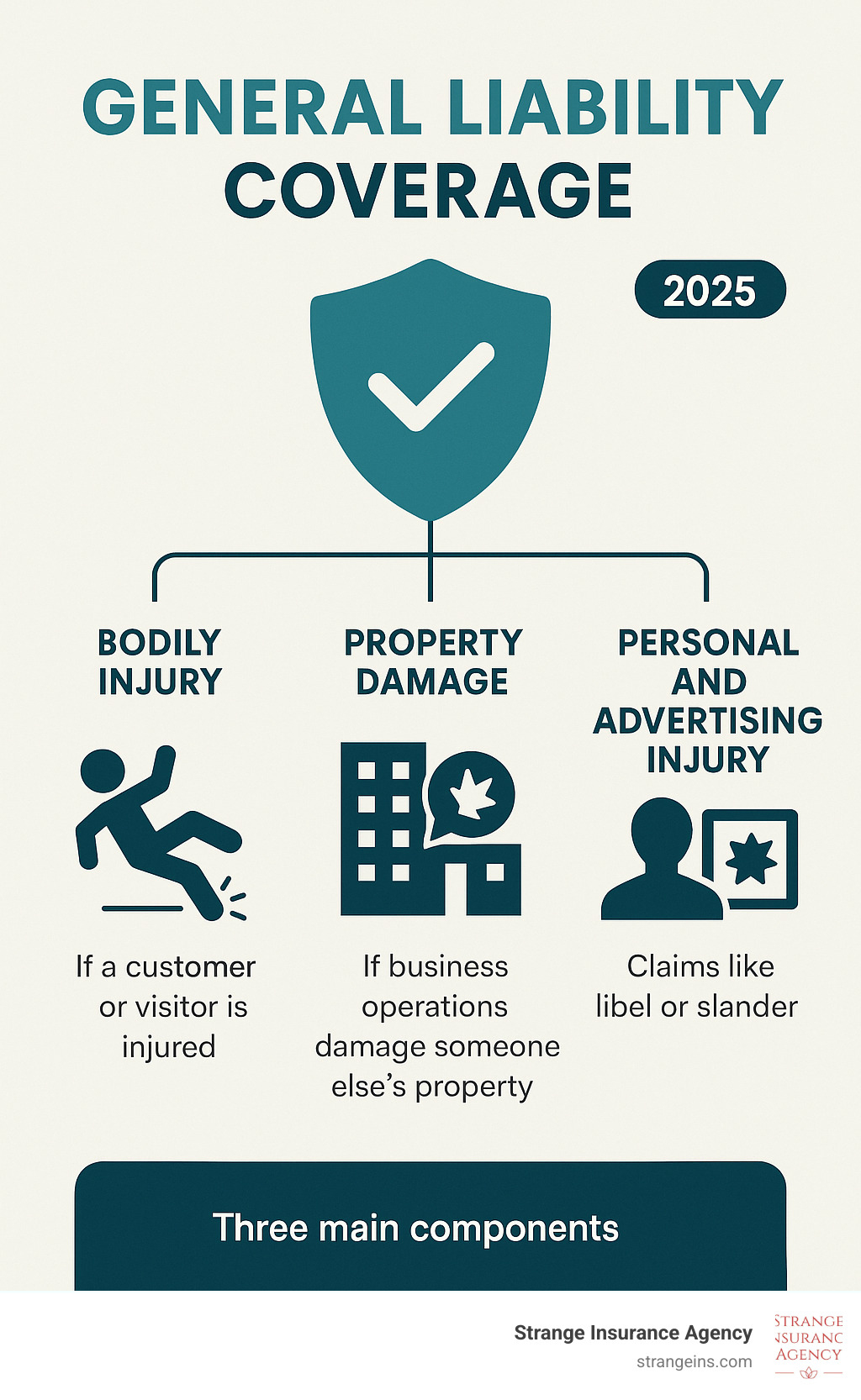
General liability insurance is often referred to as "slip-and-fall" insurance, but its scope is significantly broader. State Farm’s 2026 policy forms are designed to address the multifaceted risks of modern commerce.
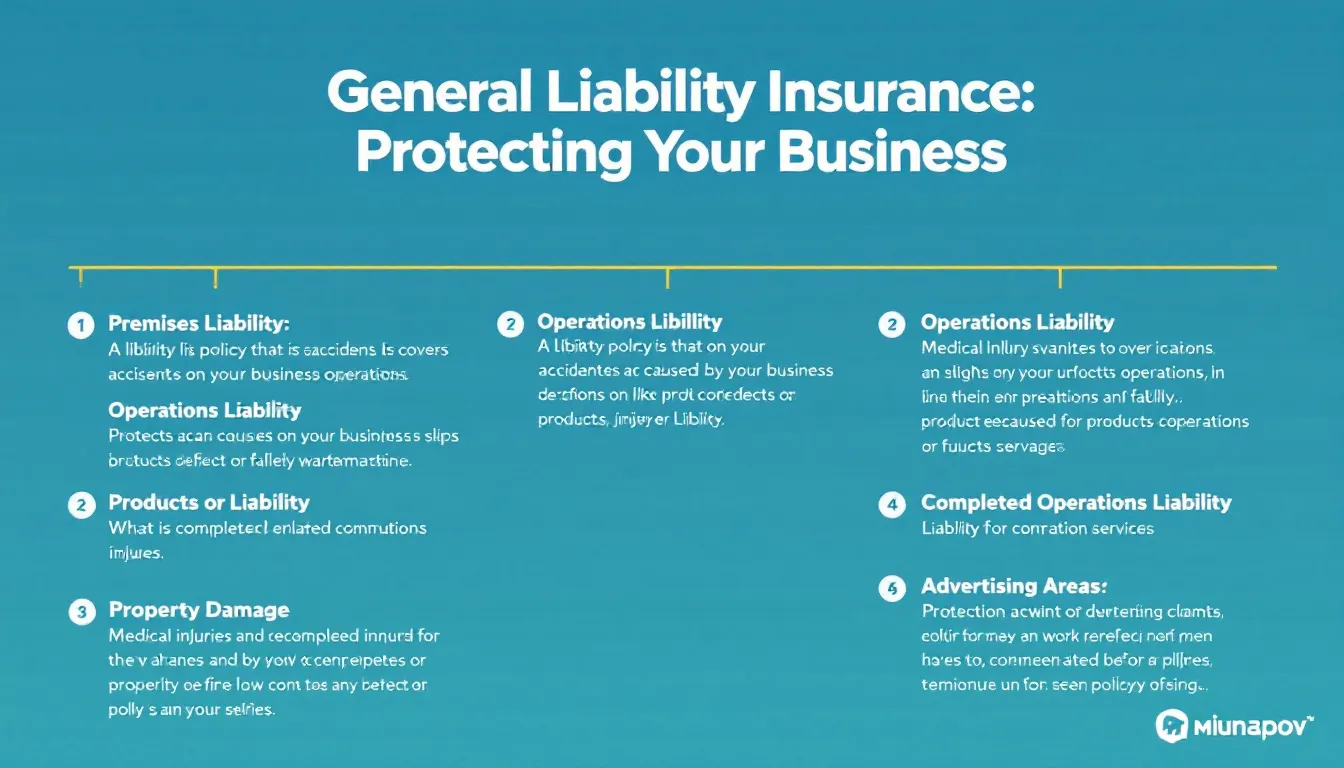
1. Bodily Injury and Property Damage Liability
This is the most frequent trigger for GL claims. If a customer trips over a loose rug in your retail space or an employee accidentally damages a client's server rack while performing on-site maintenance, State Farm provides coverage. This includes:
- Medical Expenses: Immediate medical care for injured parties, regardless of legal fault, up to the medical payments limit (typically $5,000 to $10,000).
- Compensatory Damages: Payments for the victim's lost wages, pain and suffering, and long-term care as determined by a court or settlement.
- Property Repair or Replacement: Costs to fix or replace third-party assets damaged by your business operations.
2. Personal and Advertising Injury
In a hyper-connected digital economy, claims related to communication are on the rise. State Farm’s GL policy protects against:
- Libel and Slander: Written or spoken statements that defame a competitor or individual.
- Copyright Infringement: Using an image or slogan in your marketing without proper licensing.
- Invasion of Privacy: Accidental disclosure of a client's non-public information.
3. Products-Completed Operations
For contractors and manufacturers, the risk doesn't end when the job is done. If a deck you built collapses six months later or a product you sold causes an injury, this portion of the GL policy covers the resulting liability. State Farm evaluates these risks based on your specific industry classification (NAICS or SIC codes).
State Farm 2026 Pricing Analysis and Cost Factors
The cost of general liability insurance is not uniform. State Farm utilizes sophisticated actuarial models in 2026 to price risk based on several key variables. While State Farm is known for competitive rates in the small business sector, your specific premium will depend on your risk profile.
| Industry Sector | Risk Category | Estimated Annual Premium (2026) | Primary Risk Factor |
|---|---|---|---|
| Professional Services (IT, Consulting) | Low | $450 – $800 | Data privacy and errors |
| Retail and Boutique Shops | Moderate | $600 – $1,200 | Foot traffic and slip-and-fall |
| Artisan Contractors (Plumbers, Electricians) | High | $1,200 – $3,500 | Job site accidents/completed ops |
| Small Manufacturers | Moderate/High | $1,500 – $4,000 | Product failure and safety |
| Restaurants and Cafes | Moderate | $800 – $2,000 | Foodborne illness and premises liability |
Determinants of Premium Costs
- Gross Sales/Revenue: Higher revenue often indicates a higher volume of interaction with the public, increasing the statistical likelihood of a claim.
- Payroll and Employee Count: For certain industries, particularly construction, payroll is used as a proxy for the scale of operations.
- Geographic Location: Businesses in litigious jurisdictions or high-cost urban areas like New York City or Los Angeles typically face higher premiums than those in rural settings.
- Claims History: A "clean" loss run (history of insurance claims) for the past three to five years is the most effective way to secure lower rates with State Farm.
Technical Specifications: Understanding Policy Limits
When reviewing a State Farm quote in 2026, you must understand the difference between occurrence limits and aggregate limits. These figures dictate the maximum amount State Farm will pay on your behalf.
Occurrence Limit vs. Aggregate Limit
Per Occurrence Limit This is the maximum amount State Farm will pay for a single claim or event. A standard small business limit is $1,000,000. If a judgment is rendered for $1.2 million, you would be responsible for the $200,000 excess unless you have an Umbrella policy.
General Aggregate Limit This is the total amount the policy will pay during the entire one-year policy term. If you have two separate $600,000 claims in one year and your aggregate is $2,000,000, both are covered. However, once the $2,000,000 is exhausted, you have no remaining coverage for that year.
State Farm typically offers common limit structures such as $1M/$2M (one million per occurrence, two million aggregate) or $2M/$4M for higher-risk industries. In 2026, many commercial landlords and government contracts strictly require a minimum of $1M/$2M.
The State Farm Business Owners Policy (BOP) Advantage
For most small businesses, State Farm recommends a Business Owners Policy (BOP) rather than a standalone general liability policy. A BOP is a bundled package that is almost always more cost-effective than purchasing separate policies.
- General Liability: Protects against third-party lawsuits.
- Commercial Property Insurance: Protects your building, equipment, and inventory from fire, theft, and windstorms.
- Business Interruption Insurance: Replaces lost income if your business is forced to close temporarily due to a covered property loss.
In 2026, State Farm’s BOP is particularly flexible, allowing for specific endorsements tailored to unique needs, such as Data Breach coverage or Equipment Breakdown coverage. By bundling these, business owners often see a 15-25% reduction in total premium costs compared to monoline (individual) policies.
Specialized Endorsements for Modern Businesses
Standard GL policies have exclusions. To ensure comprehensive protection, State Farm offers several key endorsements that can be added to your 2026 policy:
- Hired and Non-Owned Auto (HNOA): If you or an employee uses a personal vehicle for business errands (like picking up supplies) and causes an accident, your personal auto insurance may deny the claim. HNOA provides liability protection for the business in these scenarios.
- Contractual Liability: Many client contracts require you to "indemnify and hold harmless" the client. This endorsement ensures your GL policy supports these contractual obligations.
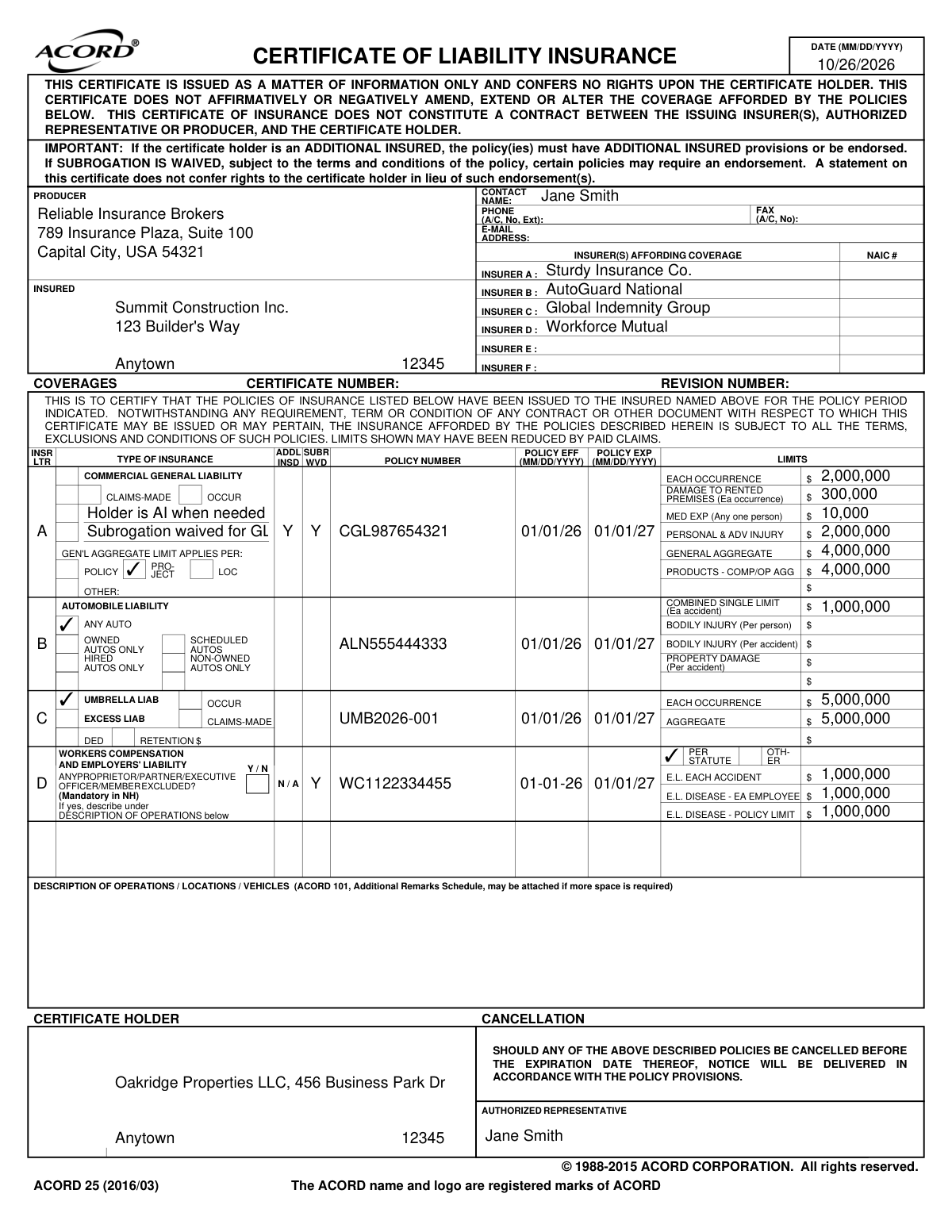
- Additional Insured Endorsements: Clients often require being named as an "Additional Insured" on your policy. State Farm agents can typically issue these certificates (COI) quickly, which is vital for starting new projects.
Why Choose State Farm in 2026?
State Farm holds a dominant position in the US insurance market, and its financial strength is a critical factor for business owners.
- Financial Stability: State Farm consistently maintains high ratings from AM Best (typically A++ Superior). This ensures they have the capital reserves to pay out claims even during widespread economic downturns or catastrophic events.
- The Agent Model: Unlike direct-to-consumer insurers, State Farm operates through local agents. These agents act as risk consultants who understand the local regulations and economic climate of your specific city.
- Claims Handling: State Farm’s claims department is one of the largest in the world, providing 24/7 support. In 2026, their digital portal allows for rapid photo and document submission, speeding up the adjudication process.
Step-by-Step Guide: How to Obtain State Farm GL Insurance
Getting insured with State Farm involves a structured underwriting process to ensure the coverage matches your actual risk exposure.
- Documentation Gathering: Before contacting an agent, have your Federal Tax ID (FEIN), estimated annual revenue, total payroll, and a description of your primary business activities ready.
- Agent Consultation: Visit the official State Farm website to find a local agent. A brief 15-minute discovery call is usually necessary to clarify your operational risks.
- Underwriting Review: State Farm’s underwriters will evaluate your business against their risk appetite. Some high-risk industries (like pyrotechnics or heavy demolition) may be referred to specialized markets.
- Quote Comparison: Review the quote for specific exclusions. Ensure the "Classification Code" accurately reflects what you do, as an incorrect code can lead to claim denials later.
- Binding and COI: Once you pay the initial premium, the policy is "bound." You can immediately request a Certificate of Insurance (COI) to send to landlords or clients.
Common Exclusions: What State Farm GL Does NOT Cover
It is a common mistake to assume General Liability covers every business mishap. In 2026, State Farm policies explicitly exclude:
- Professional Errors: GL does not cover "bad advice" or professional negligence. For this, you need Professional Liability (Errors & Omissions) insurance.
- Employee Injuries: This is covered exclusively by Workers’ Compensation insurance, which is legally mandated in most states.
- Business Vehicles: Accidents involving company-owned vehicles require a Commercial Auto policy.
- Intentional Acts: Damages caused by intentional wrongdoing or illegal acts are never covered.
Frequently Asked Questions
Does State Farm general liability cover my employees?
State Farm’s general liability insurance covers the actions of your employees while they are performing work-related duties that result in third-party injury or property damage. However, it does not cover injuries sustained by the employees themselves; that requires a separate Workers’ Compensation policy, which State Farm also provides in most jurisdictions.
How do I get a Certificate of Insurance (COI) from State Farm?
In 2026, you can obtain a COI by logging into the State Farm mobile app or business portal, or by contacting your local agent directly. Most agents can generate a standard COI within an hour, though complex "Additional Insured" wording requested by some contractors may take 24-48 hours for underwriting approval.
Is State Farm business insurance available in all states?
State Farm provides business insurance, including general liability, across the vast majority of the United States. However, availability for specific industries and certain coverage types can vary based on state-level regulations and State Farm’s current regional risk appetite. It is best to check with a local agent for state-specific availability.
Can I cancel my State Farm GL policy if I close my business?
Yes, you can cancel your policy at any time. State Farm typically issues a pro-rata refund for the unused portion of your premium. However, it is advisable to maintain a "tail" or keep the policy active until all completed operations risks have passed the statute of limitations in your state.
How does State Farm handle claims in 2026?
State Farm utilizes a combination of dedicated commercial claims adjusters and digital tools. Claims can be reported 24/7 via their hotline or online. For general liability, an adjuster will investigate the incident, interview witnesses, and determine if the business is legally liable before proceeding with a settlement or defense.
Final Recommendation for 2026 Business Owners
For small to medium-sized businesses, State Farm remains a premier choice for general liability insurance due to its institutional stability and the personalized guidance of its agent network. While digital startups may offer slightly faster online checkouts, the complexity of business liability often requires the expert oversight that a State Farm agent provides. Ensure you review your policy limits annually as your business grows to avoid being underinsured in an increasingly expensive legal environment.
Image Gallery