How a VA Loan Works After Chapter 13 Bankruptcy: Guidelines, Timelines, and Approval Requirements
Eligible veterans, active-duty service members, and surviving spouses can qualify for a VA loan after—or even during—a Chapter 13 bankruptcy reorganization. Official U.S. Department of Veterans Affairs (VA) guidelines enforce no waitin...
Eligible veterans, active-duty service members, and surviving spouses can qualify for a VA loan after—or even during—a Chapter 13 bankruptcy reorganization. Official U.S. Department of Veterans Affairs (VA) guidelines enforce no waiting period after a Chapter 13 discharge, while active repayment plans require 12 consecutive months of on-time plan payments and bankruptcy court or trustee approval.
Contents
Understanding Chapter 13 Reorganization and VA Home Loans
A Chapter 13 bankruptcy differs fundamentally from a Chapter 7 liquidation. Under Chapter 13, a debtor enters into a court-supervised repayment plan lasting three to five years to pay off a portion or all of their structured debts. Because Chapter 13 represents a proactive, court-managed debt restructuring rather than a total liquidation of assets, the VA views borrowers in Chapter 13 far more favorably than those recovering from Chapter 7.
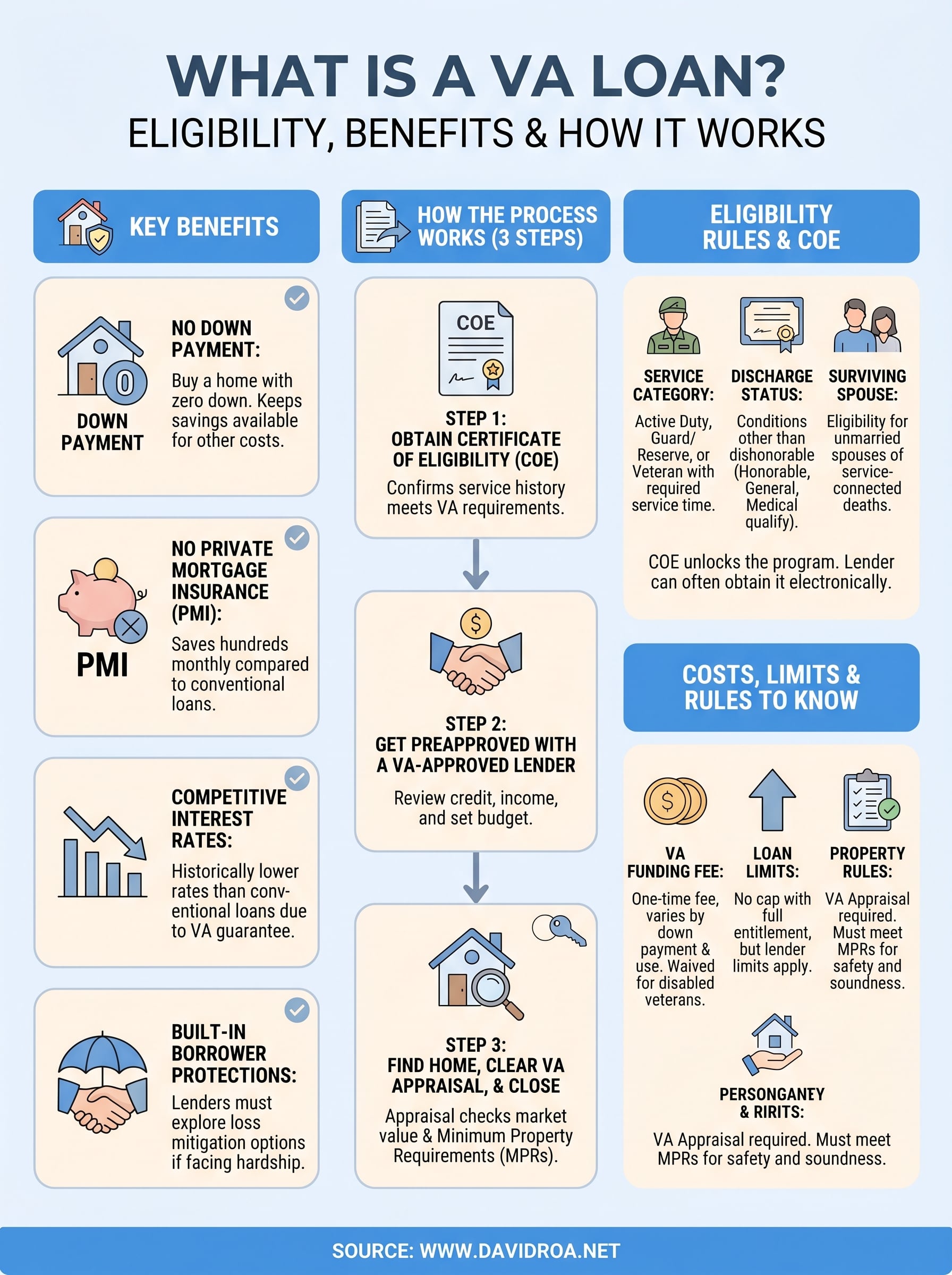
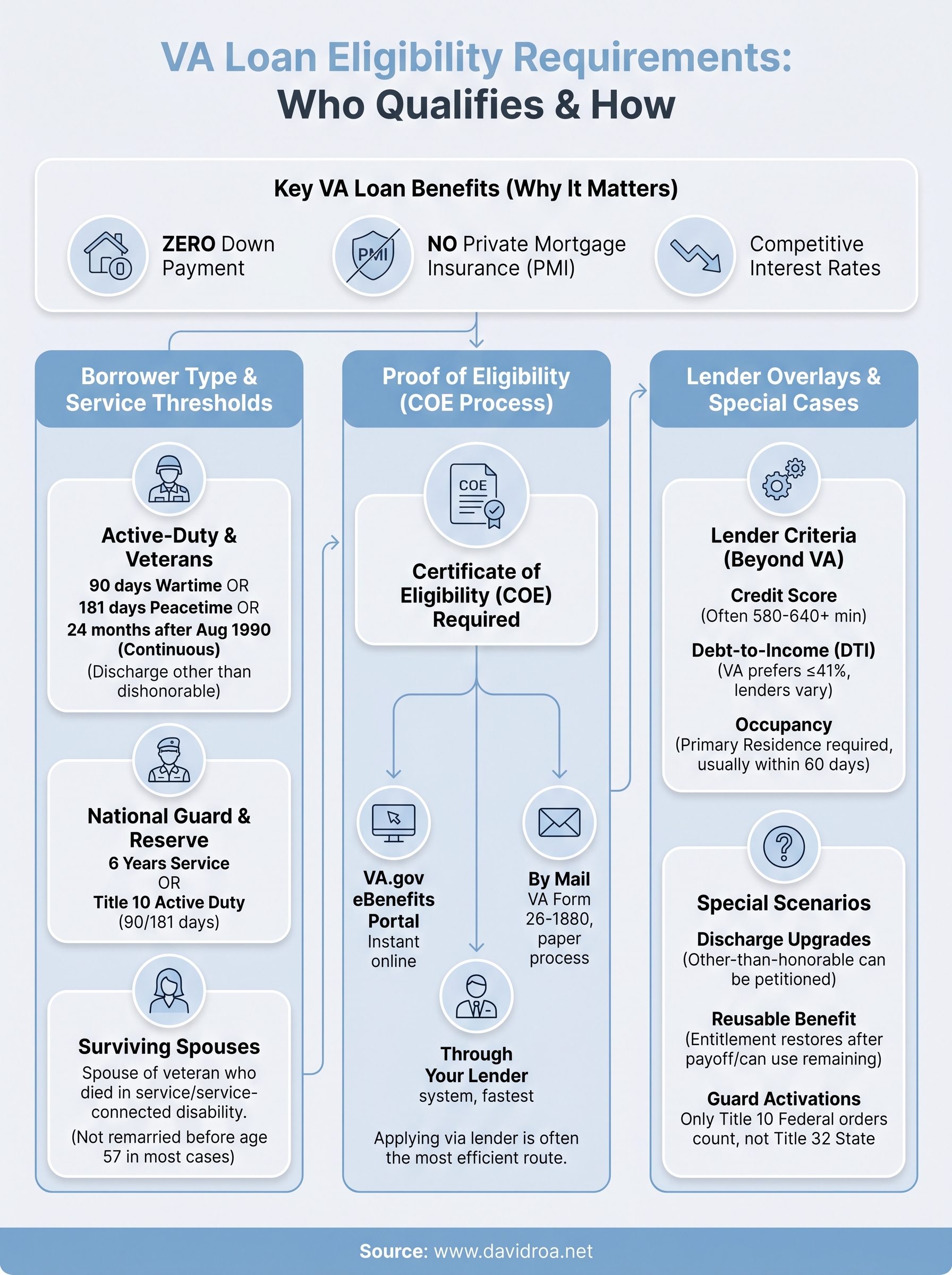
The VA loan program exists to help veterans secure housing with favorable terms, including competitive interest rates, no down payment requirements, and no private mortgage insurance (PMI). However, while the VA sets the baseline regulatory guidelines for loan guarantees, private mortgage lenders originate, underwrite, and fund the actual loans. Understanding how official VA regulations intersect with private mortgage lender requirements is critical for navigating the mortgage approval process during or after Chapter 13.
Disclaimer: Mortgage guidelines and legal interpretations of bankruptcy proceedings vary by jurisdiction and individual financial circumstances. Borrowers should consult with a qualified bankruptcy attorney and a knowledgeable VA-approved loan officer before initiating real estate transactions.
Timelines for VA Loan Approval: Open vs. Discharged Chapter 13
The timeline for securing a VA mortgage depends entirely on whether the Chapter 13 bankruptcy is currently active or has already been formally discharged or dismissed by the court.
- Active Chapter 13 Plan
- Minimum Requirement: 12 months of on-time plan payments
- Documentation: Payment history ledger from Chapter 13 Trustee
- Court Requirement: Written Trustee Approval / Motion to Incur Debt
- Underwriting: Manual Underwriting required in nearly all cases
- Discharged Chapter 13
- VA Guideline Waiting Period: 0 Days post-discharge
- Lender Overlays: May require 0 to 12 months depending on lender
- Underwriting: Automated Underwriting System (AUS) or Manual Underwriting
- Dismissed Chapter 13
- Status: Reorganization was canceled without full repayment
- Standard Impact: Treated similarly to Chapter 7 or severe credit derogation
- Waiting Period: Generally requires 2 years of re-established clean credit
1. Qualifying During an Active Chapter 13 Repayment Plan
Borrowers do not have to wait until their three-to-five-year repayment plan finishes to purchase or refinance a home with a VA loan. Under VA Pamphlet 26-7 (Lenders Handbook), a veteran can qualify for a VA-guaranteed home loan while actively making plan payments, provided the following conditions are met:
- 12 Months of On-Time Payments: The borrower must have completed at least 12 consecutive months of satisfactory, on-time payments under the court-mandated Chapter 13 repayment structure. A single late payment to the trustee during this 12-month window can result in an immediate loan denial.
- Trustee or Court Approval: The borrower must obtain written permission from the bankruptcy court or the assigned Chapter 13 Trustee. This document is often called a Letter of Consent or a court-approved Motion to Incur Debt. The court evaluates whether taking on a new mortgage payment fits within the debtor's overall budget without endangering the performance of the bankruptcy repayment plan.
2. Qualifying After a Chapter 13 Discharge
Once the court completes the bankruptcy administration and issues a formal Order of Discharge, the official VA waiting period is zero days. In theory, a veteran can apply for a VA loan the day after their Chapter 13 discharge is finalized.
However, practical application often differs from baseline guidelines due to individual credit profiles and lender overlays (additional strictness imposed by private mortgage companies beyond VA minimums).
3. Impact of a Chapter 13 Dismissal
A discharge is not the same as a dismissal. A discharge occurs when the debtor successfully completes all plan payments. A dismissal occurs when the court closes the bankruptcy without discharging debts—often because the debtor missed payments or failed to submit required filings.
If a Chapter 13 case is dismissed rather than discharged, mortgage lenders typically treat the borrower's credit history as if the bankruptcy was a Chapter 7 or an unmanaged default. In this situation, lenders usually enforce a strict two-year waiting period with requirement for re-established satisfactory credit.
Key Underwriting Processes: AUS vs. Manual Underwriting
When applying for a mortgage, loan applications are evaluated either through an Automated Underwriting System (AUS) or via Manual Underwriting. Understanding the difference is crucial for Chapter 13 applicants.
Automated Underwriting System (AUS)
AUS software (such as Fannie Mae's Desktop Underwriter or Freddie Mac's Loan Product Advisor) analyzes a borrower's credit score, income, assets, and debt structure to issue an automated decision—typically "Accept/Eligible" or "Refer/Eligible."
- For discharged Chapter 13 bankruptcies, an AUS might yield an "Accept/Eligible" rating if the discharge has cleared and the borrower's credit score has bounced back sufficiently.
- For active Chapter 13 bankruptcies, the presence of an open court proceeding usually causes the system to issue a "Refer" decision, triggering a mandatory shift to manual underwriting.
Manual Underwriting
Manual underwriting requires a human underwriter to analyze every detail of the borrower's file under specific, stringent risk guidelines. Almost all VA loans originated during an active Chapter 13—and many originated shortly after discharge—must be manually underwritten.
Manual underwriting imposes stricter operational limits on key financial metrics:
- Debt-to-Income (DTI) Ratios: While automated approvals sometimes allow DTI ratios exceeding 50%, manual underwriting benchmark targets are typically capped at 31% for housing expenses (front-end) and 43% for total debt obligations (back-end). Higher DTI ratios up to 45% or 50% can be approved, but only with substantial compensating factors, such as high residual income or verified cash reserves.
- Residual Income Standards: The VA emphasizes residual income—the amount of net effective income remaining each month after paying taxes, monthly housing expenses, and all consumer debt payments. Under manual underwriting rules, if a borrower's DTI exceeds 41%, the borrower must exceed the regional VA residual income requirement by at least 20%.
- Cash Reserves: Manual underwriting guidelines frequently mandate that borrowers possess liquid cash reserves after closing. Reservable assets typically must equal at least 1 to 2 months of PITI (Principal, Interest, Taxes, and Hazard Insurance) for single-family homes.
Comparing VA Loan Rules Across Credit Event Types
To understand how a Chapter 13 bankruptcy impacts loan approval compared to other major credit events, review the structural differences enforced by VA underwriting protocols:
| Requirement / Scenario | Active Chapter 13 | Discharged Chapter 13 | Discharged Chapter 7 |
|---|---|---|---|
| VA Waiting Period | 12 months of plan payments | 0 days post-discharge | 2 years from discharge date |
| Court / Trustee Permission | Required (Motion to Incur Debt) | Not Required | Not Required |
| Underwriting Method | Manual Underwriting (Almost always) | AUS or Manual Underwriting | AUS or Manual Underwriting |
| Payment Verification | Trustee payment ledger required | Discharge paperwork required | Discharge paperwork & schedules |
| Lender Overlays | Moderate to High (620+ credit score typical) | Low to Moderate (600–620+ credit score) | Moderate (620+ credit score typical) |
| Post-Closing Reserves | Typically 1–2 months PITI required | Preferred, but varies by AUS result | Preferred, but varies by AUS result |
Step-by-Step Guide: How to Secure a VA Loan After or During Chapter 13
Executing a successful VA home loan purchase or refinance while navigating Chapter 13 involves a specific, sequential process to prevent costly delays or court rejections.
- Step 1: Obtain COE
- Step 2: Partner with Specialized Lender
- Step 3: Establish Payment Ledger
- Step 4: Execute Purchase Agreement
- Step 5: File Court Motion
- Step 6: Underwriting & Closing
Step 1: Obtain Your Certificate of Eligibility (COE)
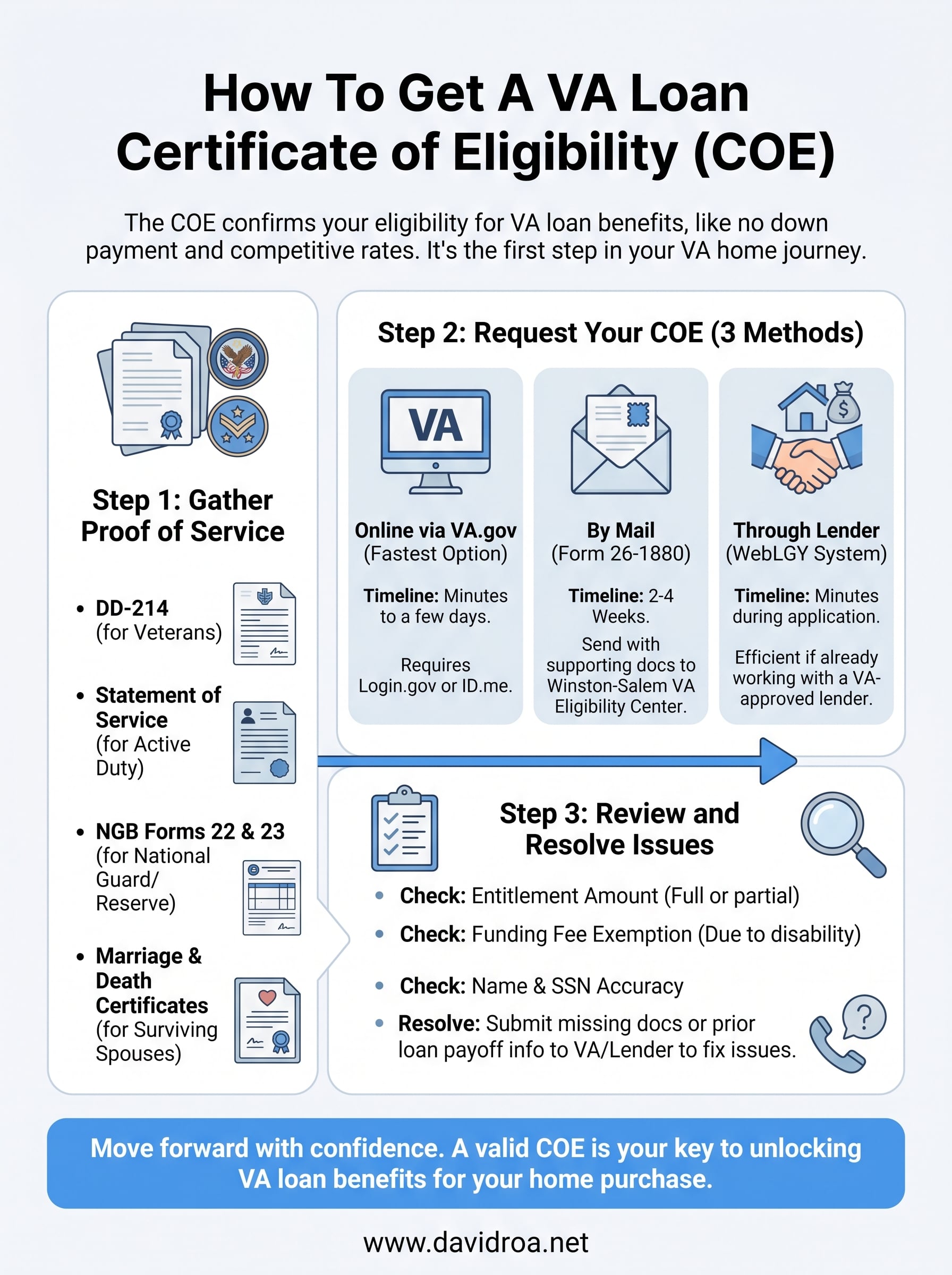
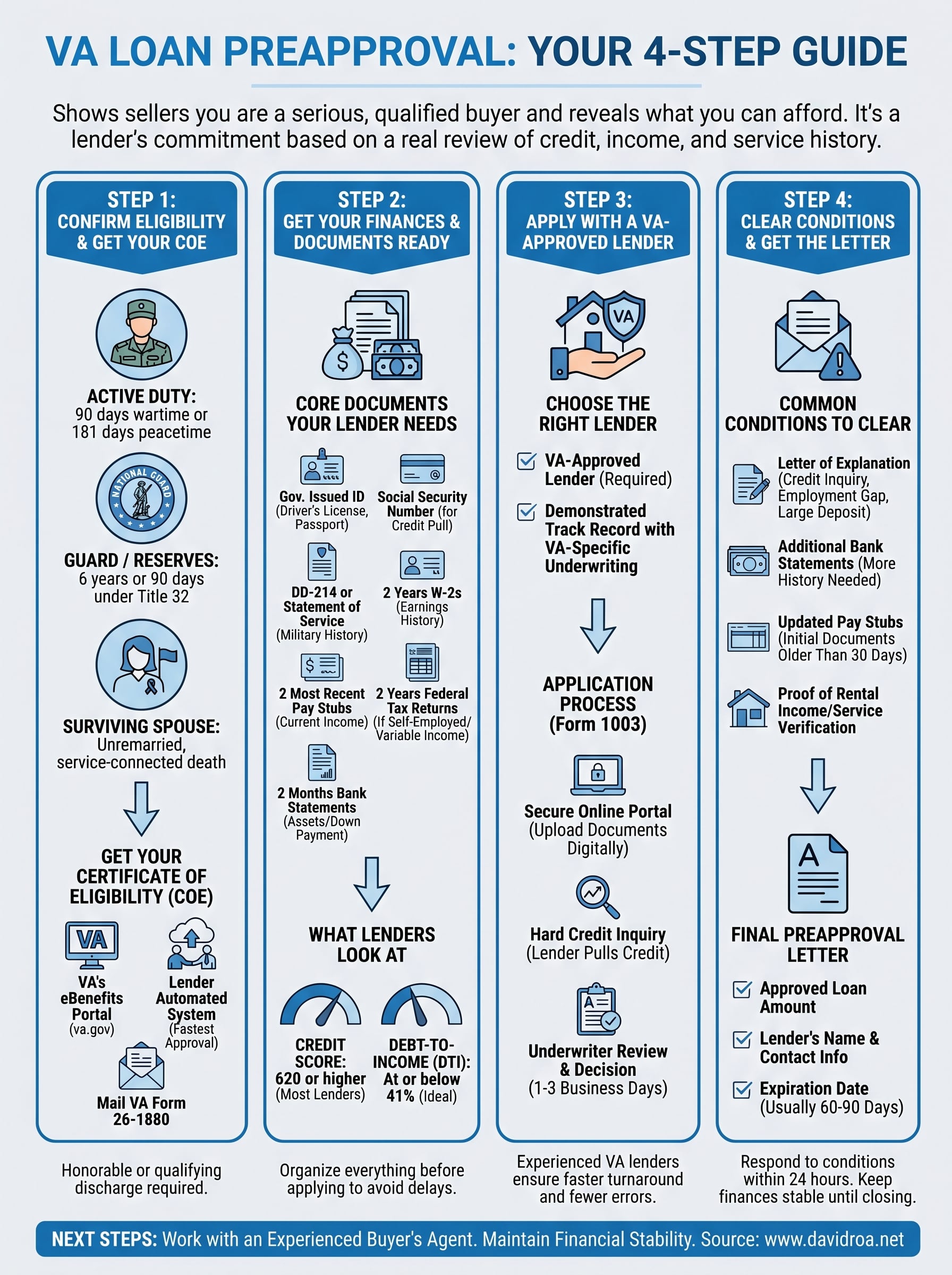
Before engaging with lenders, verify your VA loan entitlement by requesting your Certificate of Eligibility (COE) through the official VA eBenefits Portal or having a lender pull it electronically. The COE confirms whether you possess sufficient entitlement to qualify for a zero-down-payment loan.
Step 2: Select a Lender Experienced in Manual Underwriting
Not all mortgage lenders handle manual underwriting or active Chapter 13 files. Many retail banks enforce strict lender overlays—internal rules that prohibit lending to anyone in an active bankruptcy or requiring a 12-to-24-month delay post-discharge regardless of VA rules. Seek out VA-specialized lenders and mortgage brokers who explicitly perform manual underwriting without punitive overlays.
Step 3: Gather Proof of On-Time Payment Performance
If your bankruptcy is active, request an official court ledger from your Chapter 13 Trustee demonstrating that every plan payment over the preceding 12 months was submitted on time. If your bankruptcy is discharged, obtain complete copies of your Chapter 13 Filing Schedules, Schedules of Debts, and the official Discharge Order signed by the bankruptcy judge.
Step 4: Include Contingency Clauses in the Purchase Agreement
When making an offer on a home while in an active Chapter 13 plan, ensure your real estate agent includes appropriate financing and court-approval contingencies in the purchase contract. The contract should explicitly grant sufficient time (typically 30 to 45 days) to secure formal court authorization.
Step 5: File a Motion to Incur Debt (Active Chapter 13 Only)
Once a purchase contract is executed and pre-approved by the lender, your bankruptcy attorney must file a formal Motion to Incur Debt with the court. The motion outlines:
- The target purchase price and loan amount.
- The estimated monthly housing payment (PITI).
- Evidence that the new housing expense is comparable to or manageable within your current court-approved living expense budget.
Once the trustee and judge review the details and confirm the loan will not destabilize your repayment obligations, the court issues an official order approving the home purchase.
Step 6: Complete Manual Underwriting and Final Closing
The mortgage underwriter verifies the court order, reviews income documentation (W-2s, tax returns, pay stubs), re-checks residual income calculations, and clears the file for closing.
Critical Factors That Influence Approval
Even when basic eligibility rules are satisfied, loan originators evaluate several key risk factors before issuing final approval:
1. Clean Credit Re-establishment
The VA requires evidence that the credit problems leading to the bankruptcy filing are behind you. You must demonstrate clean credit since the Chapter 13 filing date.
- Zero late payments on post-bankruptcy accounts.
- No collections, charge-offs, or tax liens incurred after the bankruptcy petition date.
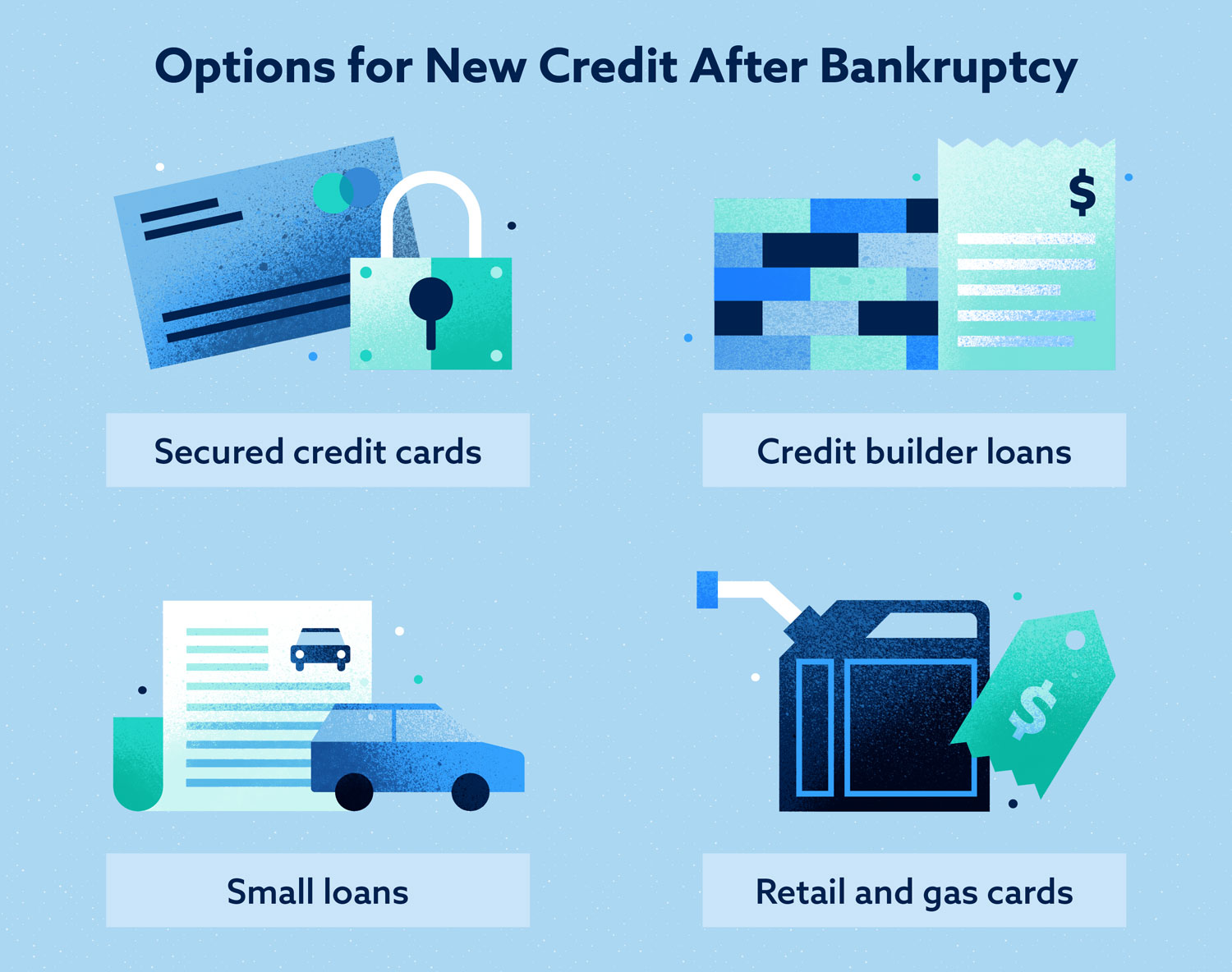
- Responsible management of any re-established credit cards or secured personal loans.
2. Rent and Housing Payment History
If you are currently renting during or after Chapter 13, underwriters require a clear, documented Verification of Rent (VOR) covering the previous 12 months. This is typically proven via canceled checks or direct bank transfer records confirming zero late payments. Private landlord letters alone are rarely accepted in manual underwriting without bank-verifiable proof.
3. Compensating Factors
Because manual underwriting applies strict ceiling limits on debt ratios, robust compensating factors significantly improve your probability of approval:
- Demonstrated ability to save money while making bankruptcy payments.
- Minimal or zero consumer debt obligations outside the bankruptcy plan.
- Long-term job stability with the same employer or within the same line of work.
- High residual income exceeding minimum VA benchmark tables by substantial margins.
Frequently Asked Questions
Can I refinance an existing mortgage with a VA loan during Chapter 13?
Yes. Eligible veterans can execute an Interest Rate Reduction Refinance Loan (IRRRL) or a VA Cash-Out Refinance during an active Chapter 13, provided they have made 12 consecutive months of on-time plan payments and obtain written trustee or court approval. IRRRLs generally require less documentation, but court authorization remains mandatory while the bankruptcy case remains open.
What credit score do I need for a VA loan after Chapter 13?
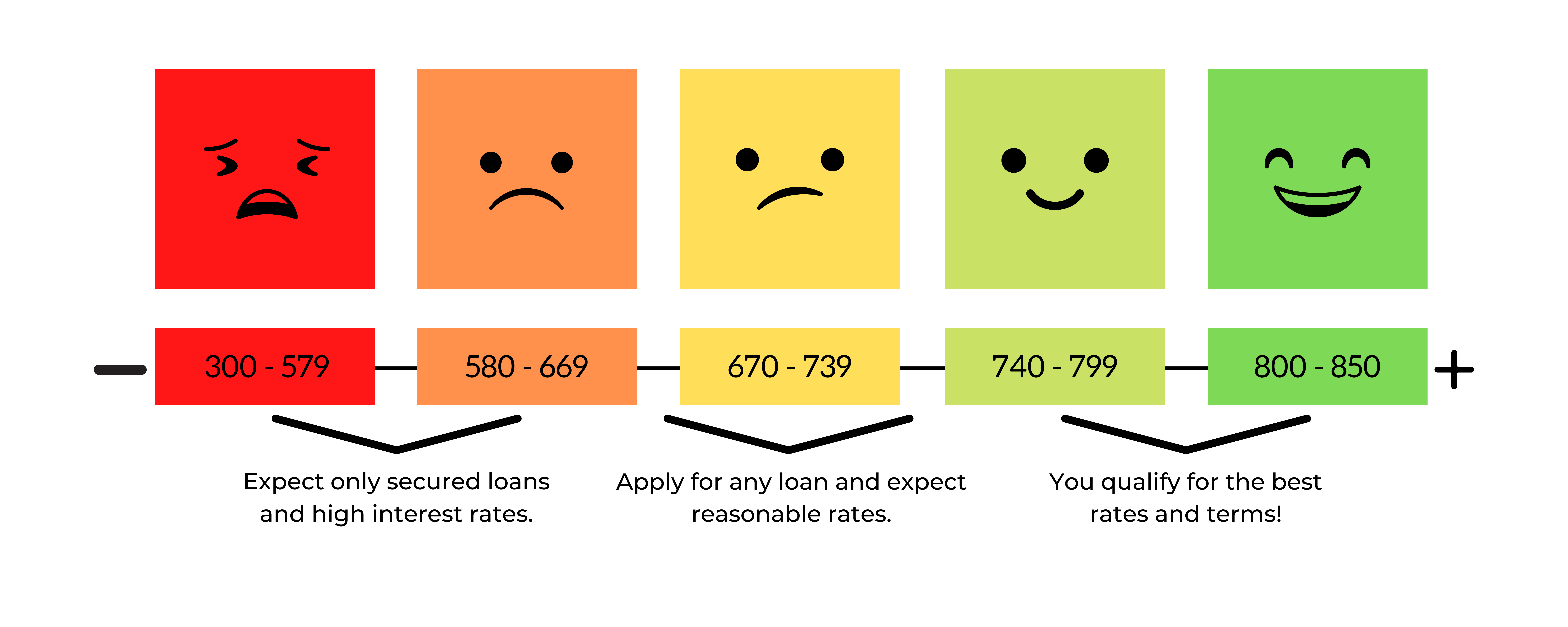
The VA itself does not establish a statutory minimum credit score requirement. However, most private VA lenders enforce internal minimum credit score thresholds (lender overlays). For manually underwritten files or active/discharged Chapter 13 applicants, lenders commonly require a minimum FICO score between 580 and 620.
What happens if I make a late bankruptcy payment during my Chapter 13 plan?
A late payment to your Chapter 13 Trustee within the preceding 12 months is generally considered a fatal flaw for mortgage approval. Manual underwriting guidelines require a strict 12-month history of flawless, on-time performance. A missed or late trustee payment typically resets the 12-month clock.
Do I need a down payment for a VA loan after Chapter 13?
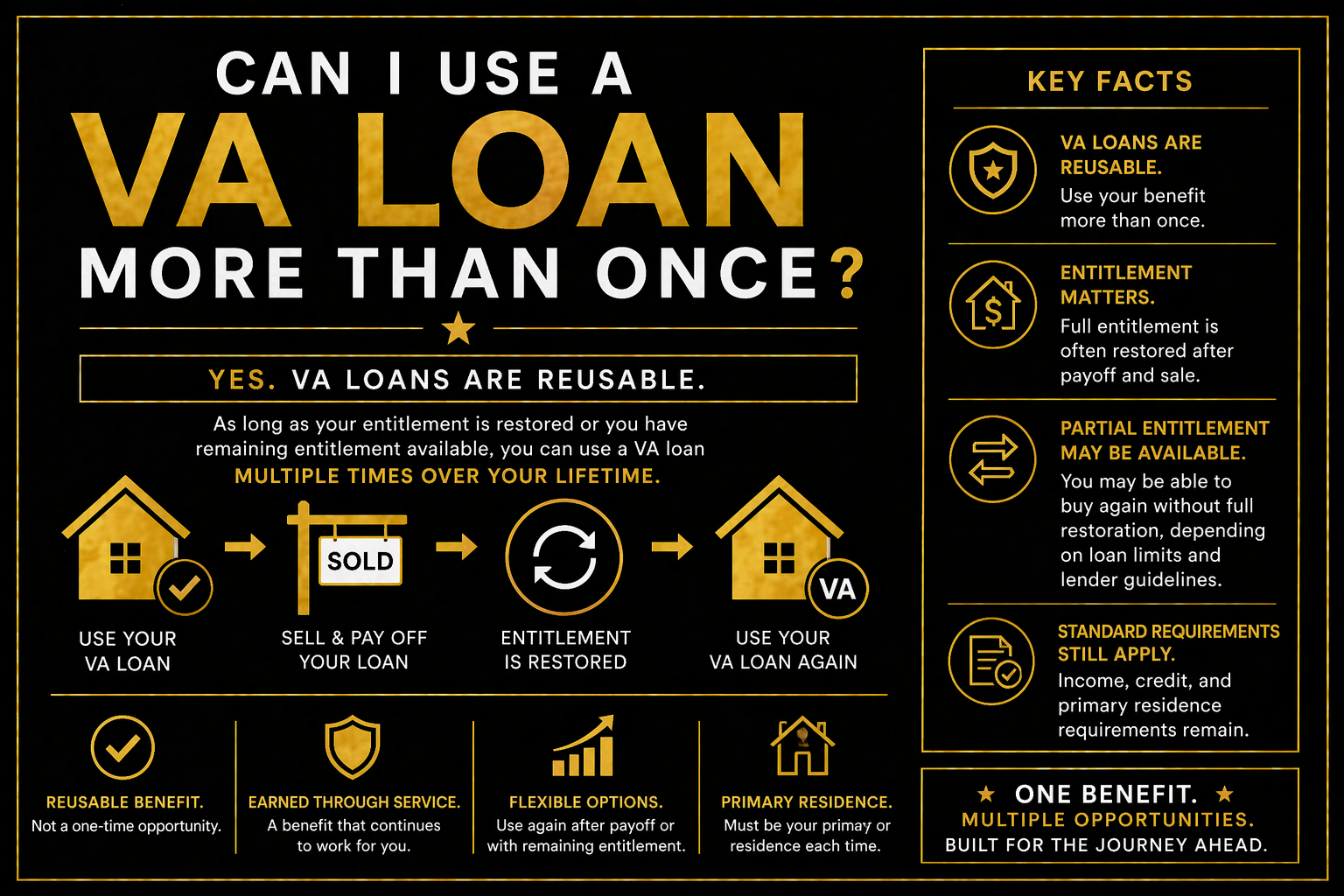
No. Standard VA entitlement rules still apply. Eligible veterans with full entitlement can pursue 100% financing with zero down payment, provided the purchase price does not exceed the appraised value of the property and the underwriter confirms income and residual requirements are satisfied.
Does the VA loan funding fee change after Chapter 13 bankruptcy?
No. The VA Funding Fee schedule is based on service type, down payment amount, and whether the borrower has previously used their VA loan entitlement. A history of Chapter 13 bankruptcy has no legal or financial bearing on the funding fee percentage. Veterans with service-connected disability ratings may remain completely exempt from the funding fee.
Practical Action Steps for Homebuyers
- Review Your Credit Profile: Pull official credit reports from all three major bureaus (Equifax, Experian, and TransUnion). Confirm that pre-bankruptcy accounts included in your Chapter 13 are correctly reported as included in bankruptcy with a zero balance, rather than active delinquent accounts.
- Consult Your Bankruptcy Attorney Early: Before searching for homes, notify your attorney of your intention to buy a home. Ask about local trustee preferences, typical timelines for court approval, and attorney fees required to file a Motion to Incur Debt.
- Prequalify with a Manual-Underwriting VA Lender: Partner with a loan officer who routinely handles manually underwritten VA loans and actively works with open Chapter 13 files to avoid unnecessary credit inquiries with non-participating institutions.
Image Gallery