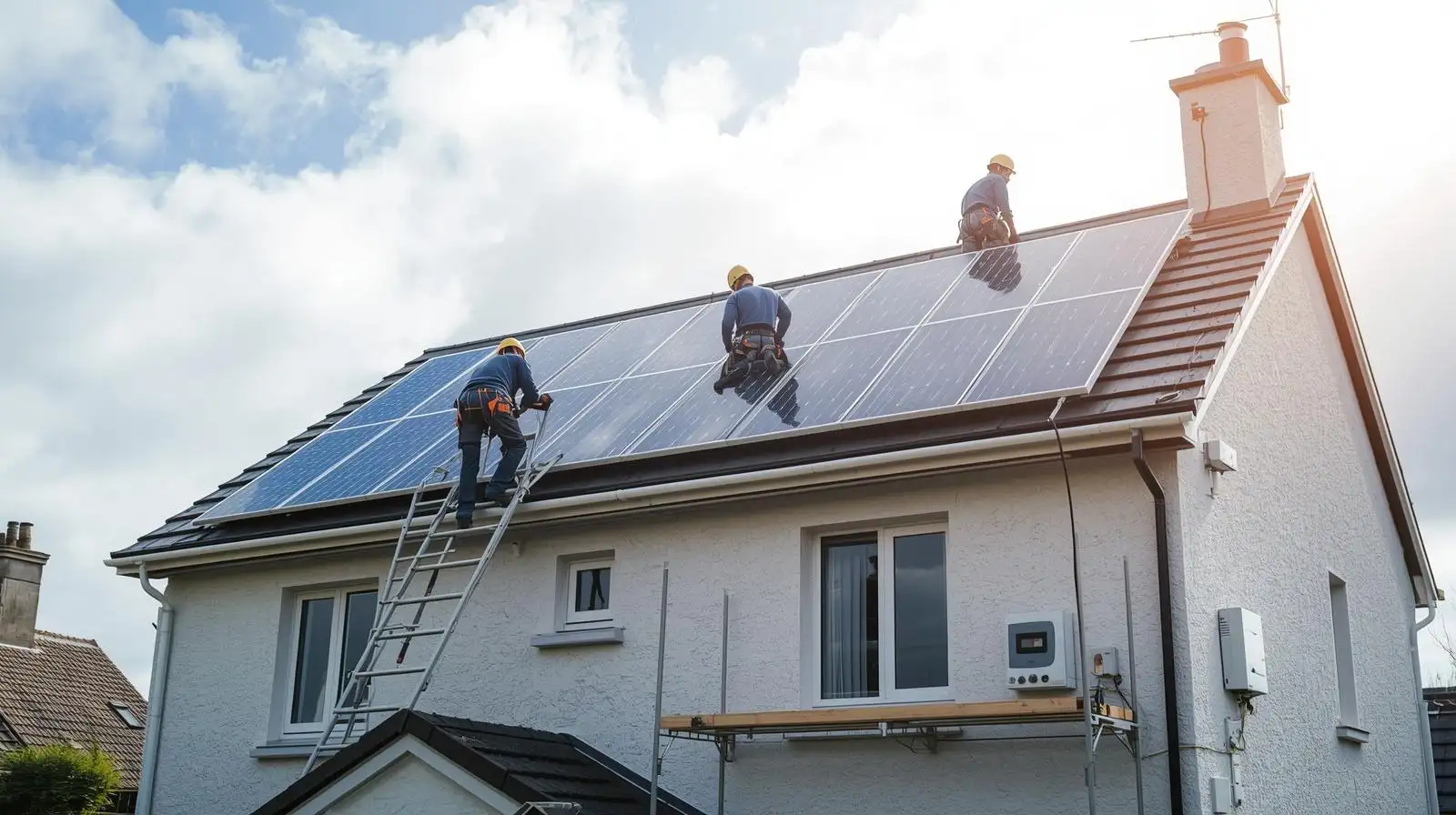
How to Choose an Appealing and Safe Solar Panel Install
Choosing an appealing and safe solar panel install requires balancing high-efficiency hardware with strict adherence to the latest National Electrical Code (NEC) safety standards. To achieve this, homeowners must prioritize all-black m...
Choosing an appealing and safe solar panel install requires balancing high-efficiency hardware with strict adherence to the latest National Electrical Code (NEC) safety standards. To achieve this, homeowners must prioritize all-black monocrystalline modules for aesthetics, ensure the system includes rapid shutdown functionality for fire safety, and vet installers for NABCEP certification and structural engineering expertise.
Contents
Understanding the Intersection of Solar Aesthetics and Safety
In 2026, the residential solar market has moved beyond purely functional designs. Homeowners no longer have to choose between a system that looks good and one that operates securely. An appealing installation is characterized by a low-profile design, concealed wiring, and uniform panel coloring. Conversely, a safe installation is defined by its ability to withstand extreme weather, prevent electrical fires, and provide emergency crews with a way to de-energize the system instantly.
The integration of these two priorities starts at the design phase. A "safe" system that uses bulky, outdated racking might be structurally sound but will diminish the curb appeal of the home. Similarly, an "appealing" system that ignores proper ventilation or uses sub-standard mounting to keep the profile low can lead to overheating or roof damage. Achieving the ideal installation requires a nuanced understanding of modern photovoltaic (PV) technology and local building codes.
Prioritizing Visual Appeal: Beyond the "Blue Grid" Look
The visual impact of solar panels is often the primary concern for homeowners in residential neighborhoods or those governed by Homeowners Associations (HOAs). In 2026, several hardware choices define the aesthetic standard for high-end installs.
Monocrystalline All-Black Modules
The most significant shift in solar aesthetics has been the dominance of all-black monocrystalline panels. Unlike traditional polycrystalline cells, which have a speckled blue appearance and silver frames, all-black modules use black backsheets and black anodized aluminum frames. This allows the array to blend more seamlessly with dark asphalt shingles or modern roofing materials. When choosing an appealing install, look for "N-type" monocrystalline cells, which offer both a sleek look and higher efficiency ratings, often exceeding 22%.
Rail-less and Low-Profile Mounting
Traditional racking systems use long aluminum rails that can protrude from the sides of the solar array. For a more appealing look, consider rail-less mounting systems or "shared-rail" configurations. These systems reduce the amount of visible hardware and allow the panels to sit closer to the roof surface. However, it is vital to maintain at least a 3-to-4-inch gap to allow for airflow, as excessive heat can degrade panel efficiency and lifespan.
Front Skirting and Array Sizing
Installers can add "skirts" or trim pieces to the bottom edge of the array. These components hide the mounting hardware and wiring from street view, providing a finished, integrated appearance. Furthermore, an appealing design usually avoids "stray" panels. A symmetrical rectangular or square layout is more visually pleasing than a scattered arrangement necessitated by complex roof planes.
Critical Safety Standards and Certifications
A solar installation is a power plant on your roof. Safety is non-negotiable and is governed by strict manufacturing and installation standards. In 2026, several key certifications and features must be verified before proceeding with a contract.
Rapid Shutdown Compliance (NEC 690.12)
Safety for first responders is a primary driver of modern solar regulations. Rapid shutdown requirements ensure that the DC voltage in the solar array can be reduced to safe levels (usually below 30 volts) within 30 seconds of the system being deactivated. This is typically achieved through the use of microinverters or DC optimizers located at each individual panel. When choosing an install, confirm that the system meets the latest NEC standards relevant to your jurisdiction to ensure fire crews can safely work on your roof during an emergency.
UL Listing and Hardware Safety
All major components—panels, inverters, and racking—should be tested and listed by Underwriters Laboratories (UL). Specifically, look for UL 1741 for inverters and power converters, and UL 61730 for PV module safety. These certifications ensure the equipment can handle electrical surges, environmental stress, and fire risks without failing catastrophically.
Structural Integrity and Roof Loading
A safe install must account for the added weight (dead load) and the wind/snow loads specific to your geographic location. A professional installer should conduct a structural analysis of your roof rafters or trusses. In areas prone to hurricanes or heavy snow, the racking system must be rated for specific "uplift" forces. Using "flashed" attachments is the industry standard for preventing roof leaks; these ensure that every point where the rack enters the roof is mechanically sealed against water intrusion.
Comparing Technology for Aesthetics and Safety
Different hardware configurations offer varying benefits for both the look and the security of the system. The following table compares the most common options available in 2026.
| Feature | Microinverters (e.g., Enphase) | String Inverters with Optimizers | Building-Integrated PV (BIPV) |
|---|---|---|---|
| Aesthetic Impact | Clean; no large inverter on the side of the house. | Requires a central inverter unit near the main panel. | Extremely high; replaces roofing material (shingles). |
| Safety Level | Highest; converts DC to AC at the panel level. | High; includes panel-level rapid shutdown. | Moderate to High; depends on specific integration. |
| Space Efficiency | Ideal for complex roofs with multiple angles. | Best for large, simple roof planes. | Replaces the roof; no "add-on" look. |
| System Visibility | Standard panels; low-profile mounting possible. | Standard panels; requires some conduit runs. | Virtually invisible from the street. |
| Failure Safety | Single panel failure does not stop the system. | Optimizer failure can be isolated; central inverter is a single point of failure. | Varies by manufacturer; often complex to repair. |
Vetting the Installer: The Human Element of Safety
The safest and most beautiful hardware in the world can be undermined by poor installation practices. Choosing the right contractor is the most important step in the process.
Professional Credentials
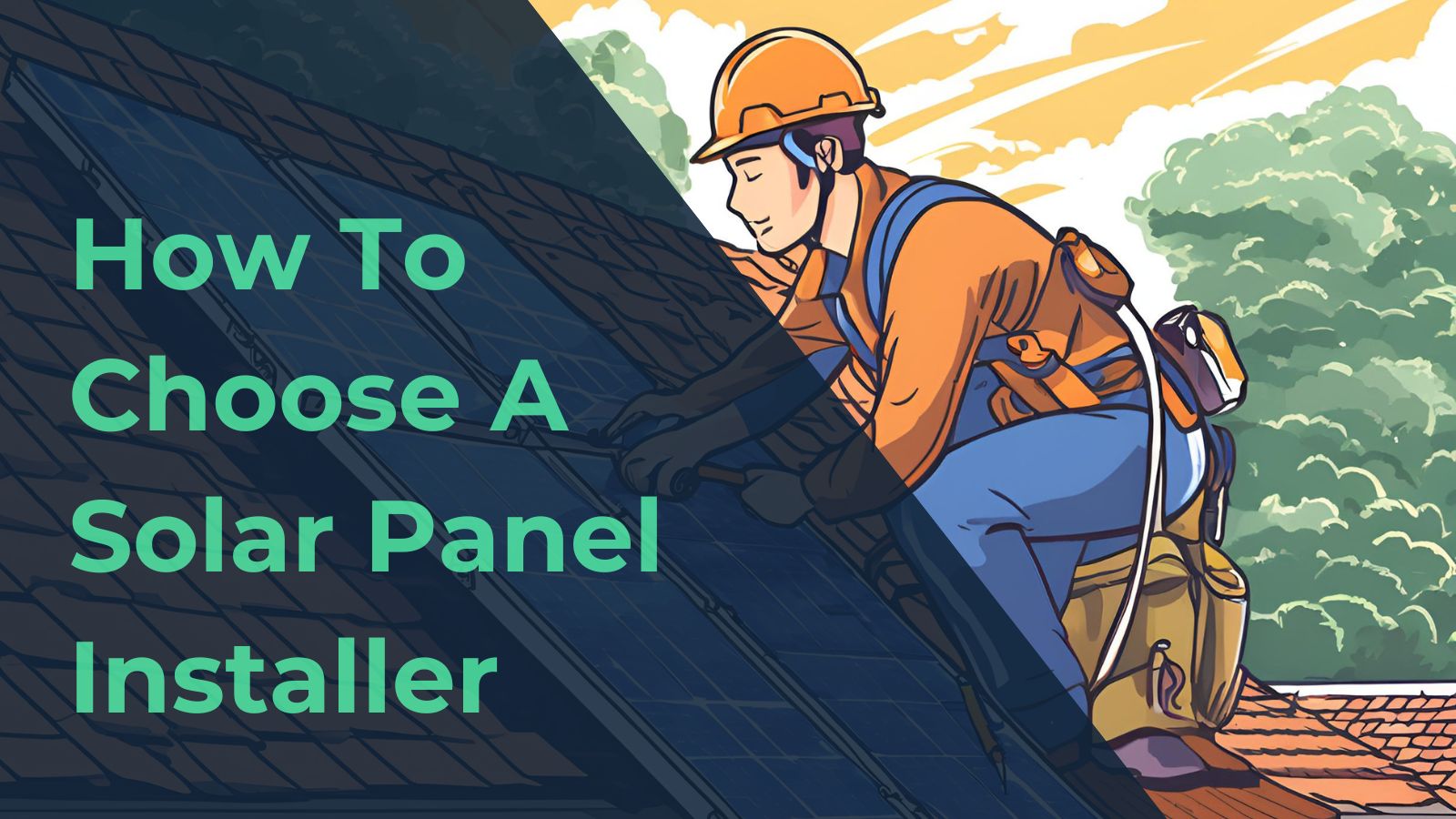
Check for NABCEP (North American Board of Certified Energy Practitioners) certification. This is the gold standard for solar professionals. A NABCEP-certified lead installer ensures that the team understands the technical nuances of electrical safety and structural requirements. Additionally, ensure the company holds a valid electrical contractor’s license and general liability insurance.
Electrical and Cable Management
An appealing install is a tidy one. Ask the installer how they handle "cable management." Loose wires hanging under the panels are not just an eyesore; they are a safety hazard. Over time, wind can cause wires to rub against the roof or racking, leading to insulation failure and potential arc faults. A high-quality installer will use stainless steel wire clips and UV-rated conduit to keep all cabling secured and protected from the elements.
The Site Assessment Process
Avoid companies that provide quotes solely based on satellite imagery without a physical site visit. A safe install requires a technician to enter your attic to inspect the roof structure and your electrical room to verify the capacity of your main service panel. In 2026, many homes require a "Main Lug Interconnect" or a service panel upgrade to safely handle the bidirectional flow of electricity.
Costs and Financial Safety in 2026
Safety also extends to your financial investment. In 2026, the Federal Investment Tax Credit (ITC) remains a significant factor, providing a 30% credit on the total cost of the system, including battery storage. However, an "appealing" install using BIPV or premium all-black panels will generally cost 15-25% more than a standard utility-grade installation.
When evaluating quotes, look at the Levelized Cost of Energy (LCOE) rather than just the upfront price. A cheaper system that uses low-quality mounting brackets may lead to roof leaks and costly repairs five years down the line, destroying the initial savings. Ensure the quote includes a comprehensive warranty:
- Performance Warranty: Usually 25 years, guaranteeing the panels will still produce a certain percentage of their original power.
- Product/Workmanship Warranty: Usually 10-25 years, covering defects in the panels and the labor of the installation itself.
FAQs
What is the most "appealing" solar option for a luxury home?
For maximum curb appeal, Building-Integrated Photovoltaics (BIPV), such as solar shingles or solar tiles, are the premier choice. They replace traditional roofing materials entirely, creating a uniform look that is virtually indistinguishable from a standard roof. While more expensive, they offer a sleek, modern aesthetic that adds significant property value.
How do I know if my roof can safely support solar panels?
A professional installer will perform a structural calculation. Most modern roofs are designed to handle 20-30 pounds of "dead load" per square foot. Solar arrays typically add only 3-4 pounds per square foot. However, the "wind load" (the force of wind trying to lift the panels) is the more critical factor. The installer must verify that the roof's internal bracing is sufficient for your local wind zone.
Are all-black panels less efficient because they get hotter?
Historically, black surfaces absorb more heat, and solar cells become less efficient as they get hot. However, 2026-era N-type monocrystalline cells have much better temperature coefficients than older technology. This means they maintain their efficiency even at higher temperatures, making the "aesthetic penalty" of all-black panels negligible for most homeowners.
Why is "Rapid Shutdown" mentioned so often in solar safety?
Rapid Shutdown is a life-safety requirement. In the event of a house fire, firefighters need to cut power to the building. Without rapid shutdown, the solar panels would continue to generate high-voltage DC power as long as the sun is shining, creating a shock hazard for anyone cutting into the roof or walls. This technology makes solar homes as safe for emergency responders as non-solar homes.
Can I install solar panels myself to ensure they meet my aesthetic standards?
While DIY kits exist, it is generally discouraged for residential grid-tied systems. A safe install requires high-voltage electrical work, specialized roofing penetrations, and permits from the local AHJ (Authority Having Jurisdiction). Improper installation can void your home insurance policy and pose a significant fire risk.
Final Recommendation
To achieve an appealing and safe solar panel install, prioritize a system design that utilizes all-black monocrystalline modules and microinverter technology. This combination provides a sleek, uniform appearance while ensuring the highest level of electrical safety through panel-level rapid shutdown. Always verify that your chosen contractor is NABCEP-certified and provides a detailed plan for cable management and flashed roof attachments. By investing in premium hardware and certified labor, you ensure a system that enhances your home's value and protects its structural integrity for decades.
Image Gallery