Neighbors Credit Union Auto Loan Rates: Complete Guide to APRs, Terms, and Approval
Neighbors Credit Union auto loan rates are competitive annual percentage rates (APRs) offered on new, used, and refinanced vehicles to eligible members. Interest rates vary based on credit score, vehicle age, loan term length, and enro...
Neighbors Credit Union auto loan rates are competitive annual percentage rates (APRs) offered on new, used, and refinanced vehicles to eligible members. Interest rates vary based on credit score, vehicle age, loan term length, and enrollment in automatic payment discounts. Members secure lower financing costs through non-profit credit union margin structures and pre-approval rate locks.
Contents
Understanding Neighbors Credit Union Auto Loan Rates and Structure
When evaluating auto financing, understanding how credit unions structure their Annual Percentage Rate (APR) is critical to calculating total cost of ownership. Unlike commercial retail banks that operate for corporate shareholders, member-owned financial cooperatives like Neighbors Credit Union return surplus revenues to account holders through lowered borrowing rates, reduced fee schedules, and higher deposit yields.
Auto loan rates at credit unions are fixed-rate instruments, meaning your monthly principal and interest payment remains constant throughout the entire amortization schedule. The advertised "as low as" APR represents the baseline rate reserved for borrowers with top-tier credit profiles purchasing eligible vehicles over shorter financing windows (typically 36 to 48 months).
It is important to note that multiple regional institutions share similar branding. The two primary financial institutions operating under this identity are:
- Neighbors Credit Union (Headquartered in St. Louis, Missouri): Serving members across the St. Louis metropolitan area, including eastern Missouri and southwestern Illinois counties.
- Neighbors Federal Credit Union (Headquartered in Baton Rouge, Louisiana): Serving residents and workers across the Greater Baton Rouge region and nine surrounding Louisiana parishes.
While both credit unions utilize similar tier-based credit underwriting and offer competitive vehicle financing, specific baseline APRs, promotional discounts, and geographic membership rules vary between the two charters. Borrowers should verify their local credit union's specific rate sheet before submitting a formal credit application.
Total Monthly Payment = (Principal + Interest) + Optional Debt Protection APR = Base Interest Rate + Applicable Administrative Fees (expressed annually)
Primary Factors Determining Your Auto Loan Rate
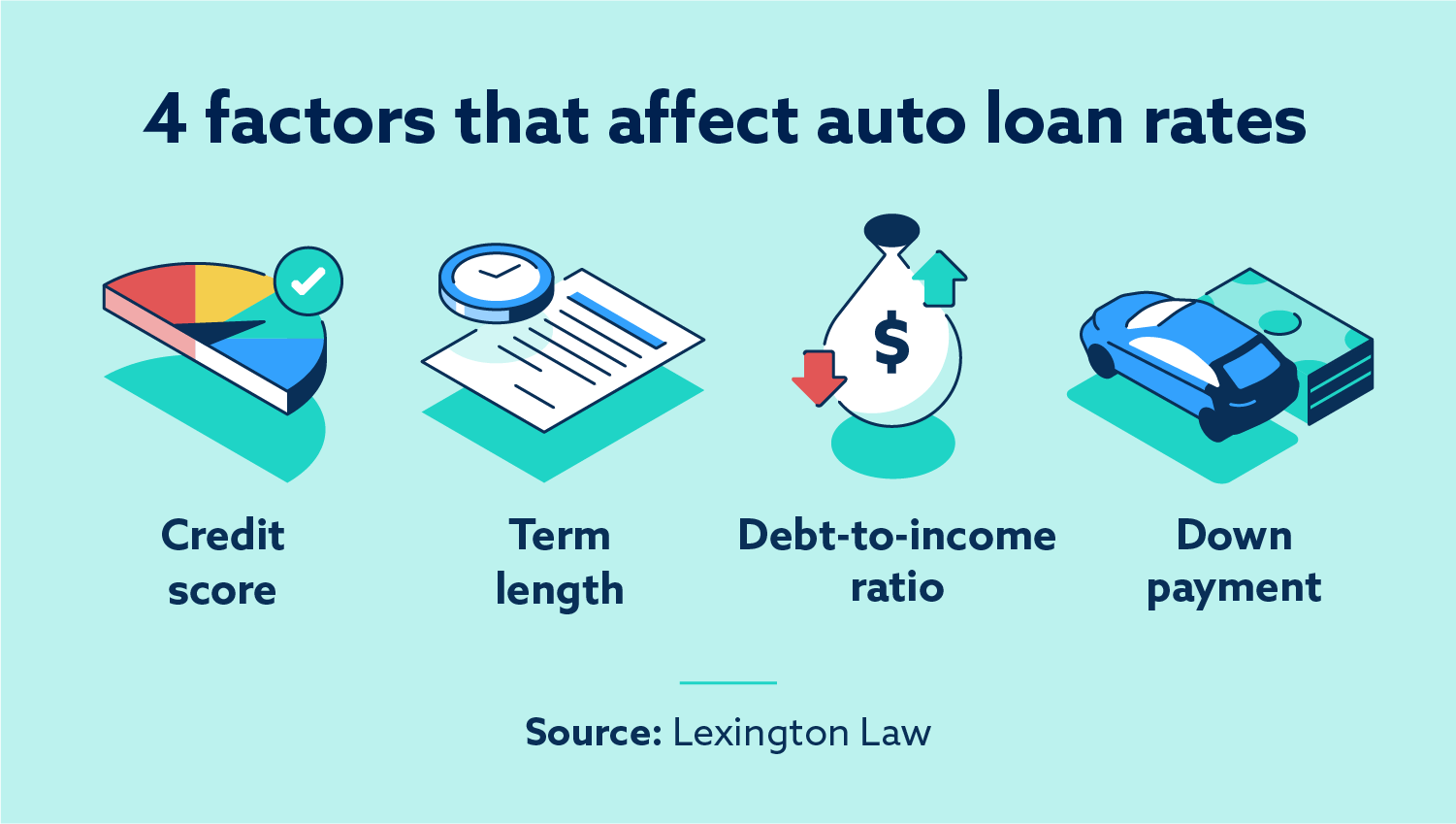
Credit unions do not offer a single flat rate to all applicants. Instead, underwriters utilize risk-based pricing matrices to assign a personalized interest rate to each borrower. Understanding these underwriting variables allows applicants to optimize their financial profile prior to applying.
1. Credit Score Tiers and History
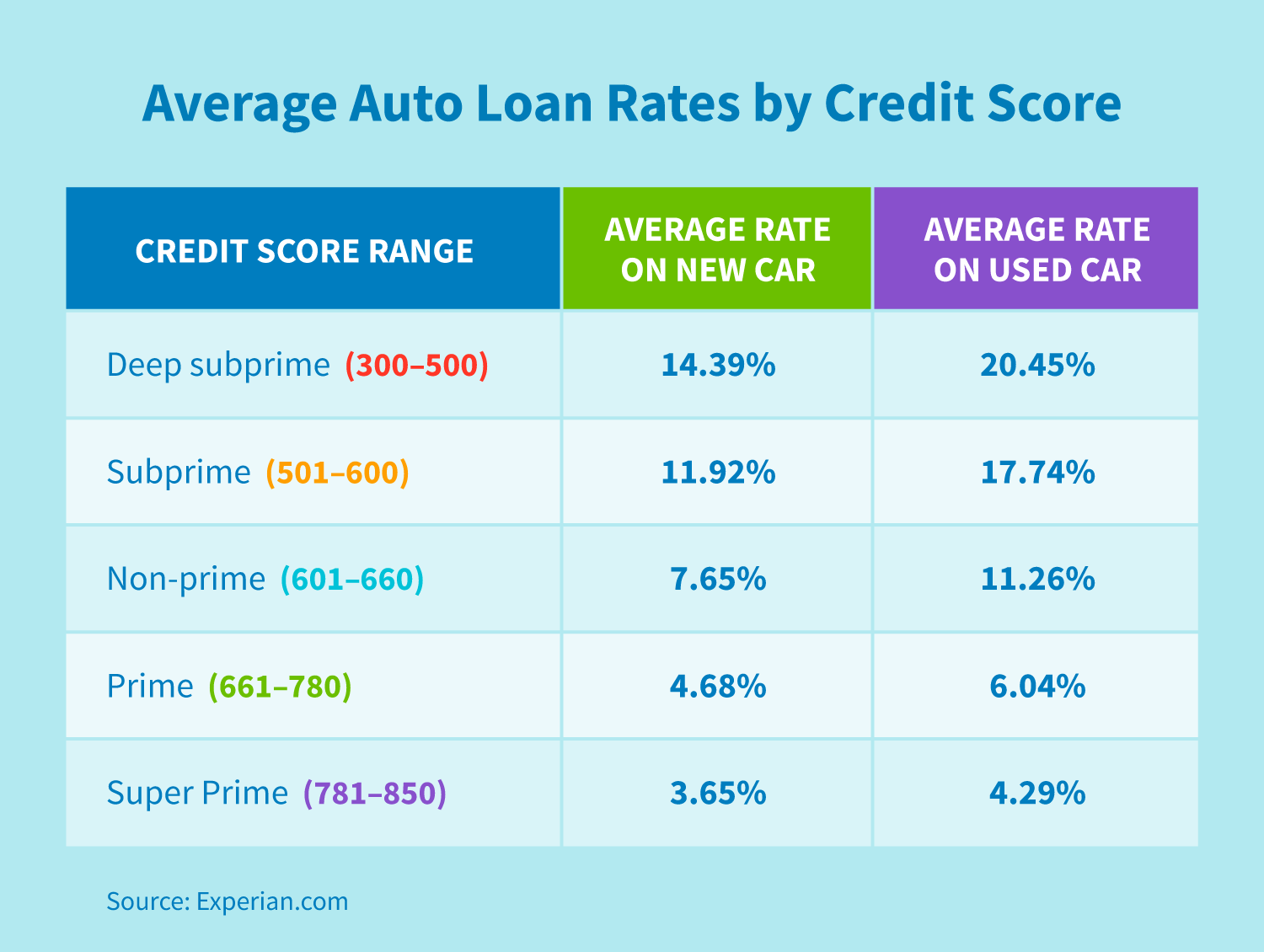
Your FICO® score or VantageScore® is the single most influential factor driving your baseline interest rate. Credit unions typically categorize applicants into five standard risk tiers:
- Super-Prime (780 and above): Qualifies for the lowest advertised APRs, maximum loan-to-value (LTV) ratios, and flexible term lengths.
- Prime (720 – 779): Receives highly competitive rates slightly above baseline, with minimal collateral restrictions.
- Near-Prime (660 – 719): Subject to moderate rate adjustments; underwriting evaluates debt-to-income stability.
- Non-Prime (600 – 657): Higher interest rates apply; may require down payments to reduce lender risk.
- Subprime (Below 600): Requires specialized underwriting, proof of steady income, co-signers, or substantial cash equity.
Beyond the numerical score, credit decisioning algorithms review payment history, severe delinquencies, bankruptcy filings, and current credit utilization ratios.
2. Loan Length and Repayment Term
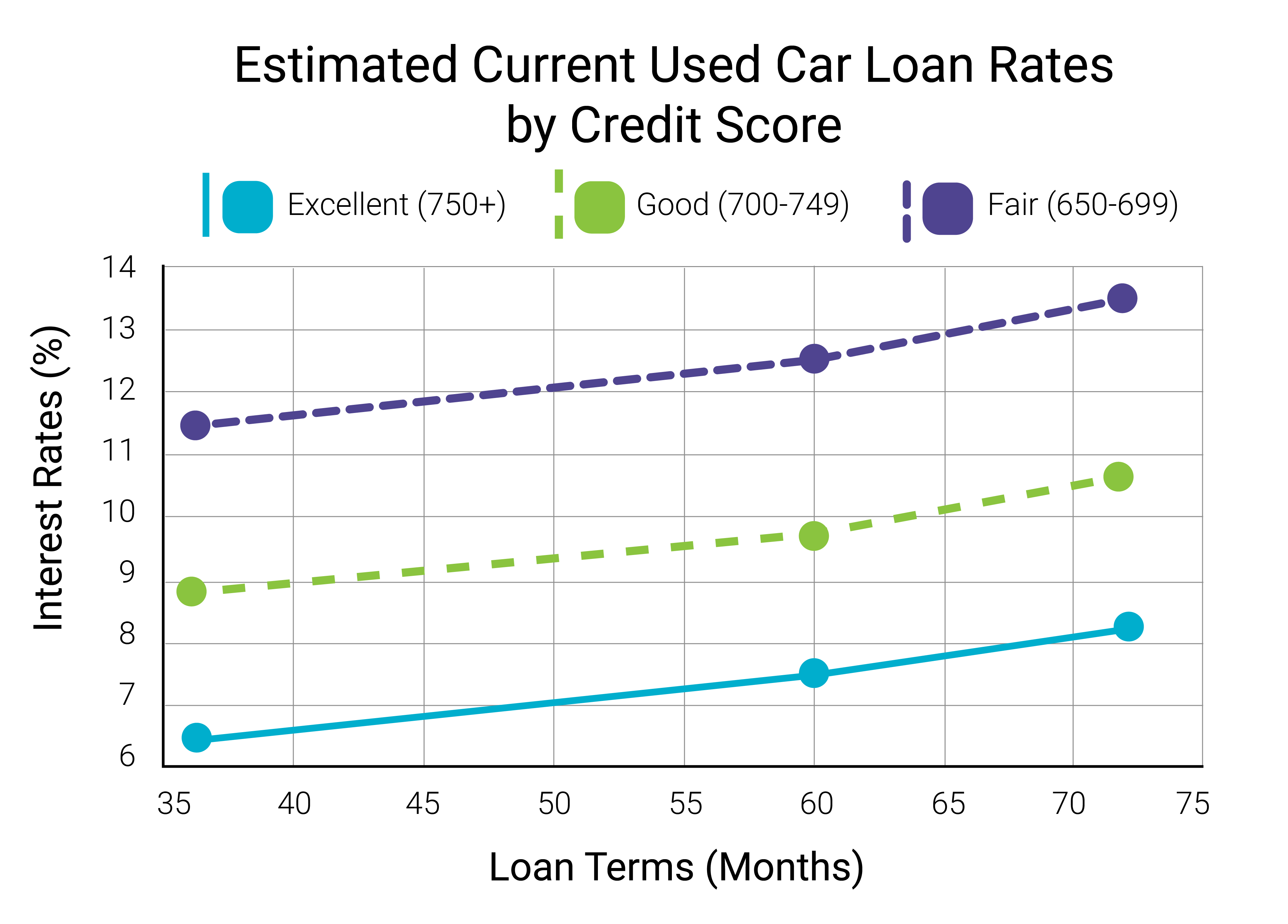
Loan terms typically range from 36 to 84 months. While extended terms (72 or 84 months) reduce the immediate monthly dollar outflow, they carry elevated risk for lenders due to vehicle depreciation and extended exposure to default. Consequently, credit unions charge higher baseline APRs on longer terms.
| Loan Term | Primary Benefit | APR Impact | Total Interest Paid |
|---|---|---|---|
| 36 – 48 Months | Lowest interest cost; rapid equity build | Lowest APR Tier | Minimal |
| 60 Months | Industry standard balance of payment & cost | Standard APR Baseline | Moderate |
| 72 Months | Lower monthly payment burden | Elevated (+0.50% to 1.50% APR) | Substantial |
| 84 Months | Lowest monthly payment | Highest APR Tier (+2.00%+ APR) | Maximum |
3. Vehicle Age, Mileage, and Condition
Lenders classify collateral into distinct underwriting categories based on asset valuation and mechanical risk:
- New Vehicles: Unregistered current or previous model-year vehicles with minimal odometer mileage. These receive the lowest available interest rates because their market valuation is predictable and covered by original manufacturer warranties.
- Used Vehicles (Recent Models): Vehicles up to 5–7 model years old. Rates are slightly higher than new car financing but remain highly competitive.
- Older Used Vehicles (7+ Years / High Mileage): Vehicles exceeding specific age or mileage thresholds (such as 100,000 miles) trigger higher risk tiers, shorter maximum loan terms, and increased interest rates.
4. Loan-to-Value (LTV) and Debt-to-Income (DTI) Ratios
The Loan-to-Value (LTV) ratio compares the requested loan amount against the official vehicle value (determined via Kelley Blue Book, NADA, or official dealer invoice). An LTV under 100% means you are borrowing less than the vehicle is worth, which minimizes lender loss if repossession occurs. Borrowers seeking 115% to 125% LTV (to roll in sales tax, registration fees, or negative equity from a trade-in) face higher interest rates.
Similarly, your Debt-to-Income (DTI) ratio measures your total monthly recurring debt payments against your gross monthly income. Most credit unions prefer a total DTI below 45%, including the prospective new vehicle payment.
Rate Comparison Framework across Loan Types
To evaluate how interest rates impact your total borrowing costs, consider the structural differences between standard auto financing arrangements offered at credit unions.
| Auto Loan Category | Average APR Range Target | Maximum Term | Typical Vehicle Requirements | Key Underwriting Focus |
|---|---|---|---|---|
| New Auto Loan | Prime Baseline (Lowest) | Up to 84 Months | Unregistered / Current Model Year | Credit score, low LTV, verifiable income |
| Used Auto Loan | Prime Baseline + 0.50%–1.50% | Up to 75 Months | Under 10 Years Old / Under 120,000 Miles | Title history, vehicle book value |
| Auto Refinance | Equals Used Rate Tier | Up to 72 Months | Existing external loan; vehicle meets used criteria | Payoff amount, consistent payment history |
| Lease Buyout | Standard Used Rate Tier | Up to 72 Months | Off-lease vehicle purchased from lessor | Residual purchase value, vehicle condition |
Note: Interest rate ranges shift based on broader financial market conditions, federal benchmark rate updates, and individual credit scores. Always verify real-time rate sheets directly with the lender.
How Relationship Discounts Impact Your APR
Many credit unions offer interest rate discounts to members who deepen their financial relationship with the institution. A standard rate incentive is the Relationship APR Discount, typically structured as a 0.25% to 0.50% rate reduction.
To qualify and maintain these auto-loan rate reductions, members usually must fulfill specific criteria:
- Automatic Payment Setup: Authorizing automated monthly loan deductions directly from a checking or savings account held at the credit union.
- Direct Deposit Alignment: Receiving qualifying monthly direct deposits (such as payroll, pension, or social security payments) into a connected credit union deposit account.
- Active Account Maintenance: Maintaining an account in good standing without uncollected fees, overdrafts, or extended negative balances.
Example of Rate Reduction Impact: On a $30,000, 60-month auto loan, a 0.25% APR discount saves approximately $200 to $250 in net interest payments over the life of the loan while simplifying monthly payment management.
Step-by-Step Guide: How to Apply and Secure the Best Rates
Following a structured application path prevents common financing mistakes, protects your credit profile from unnecessary hard inquiries, and maximizes your bargaining leverage at auto dealerships.
- Review Credit Profile
- Confirm Membership
- Obtain Pre-Approval
- Shop & Negotiate
- Finalize Funding
Step 1: Prepare Your Credit Profile
Obtain official copies of your credit reports from the major credit bureaus (Equifax, Experian, TransUnion) via AnnualCreditReport.com. Inspect the records for erroneous collection entries, inaccurate late payments, or incorrect balance reporting. Dispute errors immediately, as clearing incorrect negative marks can lift your score into a higher qualification tier.
Step 2: Establish Membership Eligibility
Credit unions require borrowers to become members prior to or at the time of loan funding. Eligibility for Neighbors Credit Union institutions typically relies on:
- Geographic Residency: Living, working, attending school, or worshiping within designated counties or parishes.
- Employment & Select Employee Groups (SEGs): Working for participating employers, government entities, school districts, or postal service branches.
- Family Membership: Having an immediate family member who is an existing credit union account holder.
Establishing membership requires opening a share savings account with a minimum opening deposit (usually $5 to $25).
Step 3: Secure Pre-Approval Before Dealership Shopping
Apply for auto loan pre-approval directly online or at a credit union branch before entering a car dealership. Pre-approval provides critical advantages:
- Locks in an official interest rate for 30 to 60 days.
- Establishes a firm, realistic budget based on approved principal limits.
- Transforms you into a "cash buyer" at the dealership, preventing finance office pressure to accept marked-up dealership loan rates.
Step 4: Gather Necessary Documentation
Speed up approval and disbursement by compiling required verification paperwork in advance:
- Proof of Income: Recent pay stubs (last 30 days), W-2 forms, or two years of tax returns for self-employed applicants.
- Proof of Identity: Valid state driver’s license, military ID, or passport.
- Proof of Residence: Current utility bill or lease agreement if your address differs from your credit file.
- Vehicle Documentation: Dealer purchase order/spec sheet for new cars, or vehicle identification number (VIN), exact mileage, and current title status for used cars or refinances.
- Insurance Verification: Comprehensive and collision insurance policy documents meeting credit union deductible requirements (typically maximum $500 or $1,000 deductibles).
Step 5: Finalize Documentation and Funding
Once you select a vehicle, send the final buyer's order to your loan officer. The credit union verifies the vehicle's retail value against the purchase price, issues the loan documents for signature, and disburses funds via a direct check to the seller or wire transfer.
Refinancing an Existing Auto Loan with Neighbors Credit Union
If you previously financed a vehicle through a dealership or commercial bank at a high interest rate, refinancing through a credit union can significantly lower your interest costs or reduce your monthly payment.
When Auto Refinancing Makes Financial Sense
- Your Credit Score Has Improved: If your credit score has increased by 30 to 50+ points since purchasing the vehicle, you likely qualify for a lower interest rate tier.
- Interest Rates Have Dropped: Broader market rate cuts open opportunities to refinance older, high-interest contracts.
- You Took Dealer Financing for Quick Delivery: Dealers often mark up interest rates through indirect financing networks. Refinancing replaces dealer-arranged debt with competitive credit union pricing.
- Monthly Budget Cash Flow Needs: Extending the loan term can lower your required monthly obligation, though total interest costs over time should be calculated carefully.
Refinancing Eligibility Restrictions
Most credit unions enforce strict rules regarding auto loan refinancing:
- Existing Institution Restrictions: Credit unions rarely refinance auto loans already held internally unless combined with cash-out options or major structural loan modifications. Refinancing typically applies to external loans held at other banks, credit unions, or captive finance companies (e.g., Toyota Financial Services, Ford Credit).
- Vehicle Age and Mileage: The vehicle must meet current collateral safety guidelines (e.g., under 10 years old and under 125,000 miles).
- Minimum Loan Balance: Most institutions require a minimum remaining balance (often $5,000) to justify loan processing.
Voluntary Protection Products and Fee Structures
When finalizing your auto loan, credit unions offer optional protection products that can be rolled into monthly payments. Evaluating these choices helps protect your loan balance while avoiding unnecessary add-ons.
Guaranteed Asset Protection (GAP)
If your vehicle is total-loss damaged or stolen, insurance payouts cover only the current market valuation of the car. If your remaining loan balance exceeds that market value, you remain responsible for paying the difference ("the gap").
Credit union GAP coverage typically costs significantly less ($350 – $600 flat fee) than identical policies purchased through auto dealerships ($800 – $1,200+). Many credit union GAP policies also include deductible assistance programs that cover a portion of your primary auto insurance deductible in total-loss scenarios.
Mechanical Repair Coverage (Extended Warranty)
Mechanical Repair Coverage (MRC) or extended vehicle service contracts protect against unexpected mechanical breakdown costs after factory warranties expire. Credit union warranties generally offer national repair network access, rental car reimbursement, and roadside assistance at lower premiums than retail dealership service contracts.
Credit Life and Disability Insurance
This voluntary coverage pays off your remaining loan balance or covers monthly payments if you experience fatal injury, qualifying total disability, or extended illness. Review existing personal life and disability coverage before purchasing this add-on to avoid duplicating protection.
Comparing Credit Unions to Dealership and Bank Financing
Evaluating auto financing options requires understanding how credit unions differ from captive manufacturer lenders and commercial retail banks.
| Credit Unions | Dealerships / Captive Lenders |
|---|---|
| • Lower average interest rates• Fixed rate integrity• Lower fee structures• Member-focused underwriting | • Promotional 0% APR (Strict credit tiers, trades off cash rebates)• Rate markups via finance office• High-cost add-on products |
Credit Union vs. Dealership Promotional APRs (0% Financing)
Automobile manufacturers frequently advertise promotional financing options, such as 0% APR or 1.9% APR, through their captive finance divisions. While appealing, these promotions carry structural caveats:
- Strict Credit Thresholds: Promotional zero-percent financing is typically restricted to top-tier credit profiles (750+ FICO scores).
- Rebate Forfeiture: Manufacturers often require buyers to choose between promotional low-interest financing or substantial cash-back rebates (e.g., a $3,000 customer cash rebate).
Evaluating the Trade-off: Taking a $3,000 cash rebate and financing through a credit union at a competitive rate (e.g., 5.50% APR) often yields a lower total purchase cost than foregoing the rebate to secure a 0% APR deal on a higher starting principal balance.
Credit Union vs. Commercial Retail Banks
Commercial banks report to private shareholders, creating pressure to maximize profit margins on consumer loans. Consequently, traditional bank interest rates on auto loans average 1.00% to 2.50% higher than credit union rates across identical credit tiers. Furthermore, banks charge higher processing fees and offer less flexibility during temporary financial hardship.
Frequently Asked Questions
What credit score do I need for a Neighbors Credit Union auto loan?
There is no absolute minimum credit score required to apply, as credit unions utilize comprehensive underwriting that evaluates income, employment stability, debt-to-income (DTI) ratio, and payment history. However, securing the lowest advertised "as low as" rates generally requires a FICO® score of 740 or higher. Applicants with fair or lower credit scores (below 660) can still qualify, but will receive higher interest rates or may require down payments or co-signers.
Can I get an auto loan from a credit union if I am not yet a member?
Yes, you can initiate an auto loan application before becoming an official member. However, full loan approval, rate lock finalization, and fund disbursement require completing a membership application and establishing a primary savings account prior to closing the loan.
Is there a penalty for paying off a credit union auto loan early?
No, standard credit union auto loans feature no prepayment penalties. Borrowers can make extra principal payments or clear their entire loan balance ahead of schedule without incurring fee penalties. Early payoff reduces the total interest paid over the life of the loan.
What is the maximum vehicle age and mileage for auto loan eligibility?
While exact collateral guidelines vary, credit unions generally offer standard auto rates for vehicles up to 7 to 10 model years old with under 100,000 to 125,000 miles. Vehicles exceeding these limits may still qualify for financing under specialized used car or personal loan rate tiers, which typically feature shorter maximum repayment terms and higher interest rates.
How long does an auto loan pre-approval rate lock last?
Auto loan pre-approvals from credit unions typically remain valid for 30 to 60 days from the issue date. During this window, your qualified interest rate tier remains locked while you shop for a vehicle. If the pre-approval period expires before purchase, the credit union may need to refresh your credit file and income documentation to issue an extension.
Summary and Recommended Next Steps
Securing an advantageous auto loan rate requires preparation long before visiting a dealership showroom. By securing pre-approval through a member-owned credit union, you establish clear budget limits, gain leverage during pricing negotiations, and avoid marked-up financing terms.
Recommended Action Steps:
- Check Your Credit File: Pull your credit reports to clear discrepancies and verify your score range.
- Determine Your Regional Charter: Confirm whether your local branch is Neighbors Credit Union (St. Louis Metro region) or Neighbors Federal Credit Union (Greater Baton Rouge region) to review the correct membership criteria and rate sheets.
- Gather Required Documents: Collect recent pay stubs, tax documents, identity verification, and insurance details.
- Submit a Pre-Approval Application: Apply online or in-branch to lock in your rate tier and establish your total borrowing ceiling.
- Evaluate Promotional Offers: Compare manufacturer rebate-versus-rate incentives against your pre-approved credit union financing terms to select the option that minimizes total lifetime loan costs.
Image Gallery