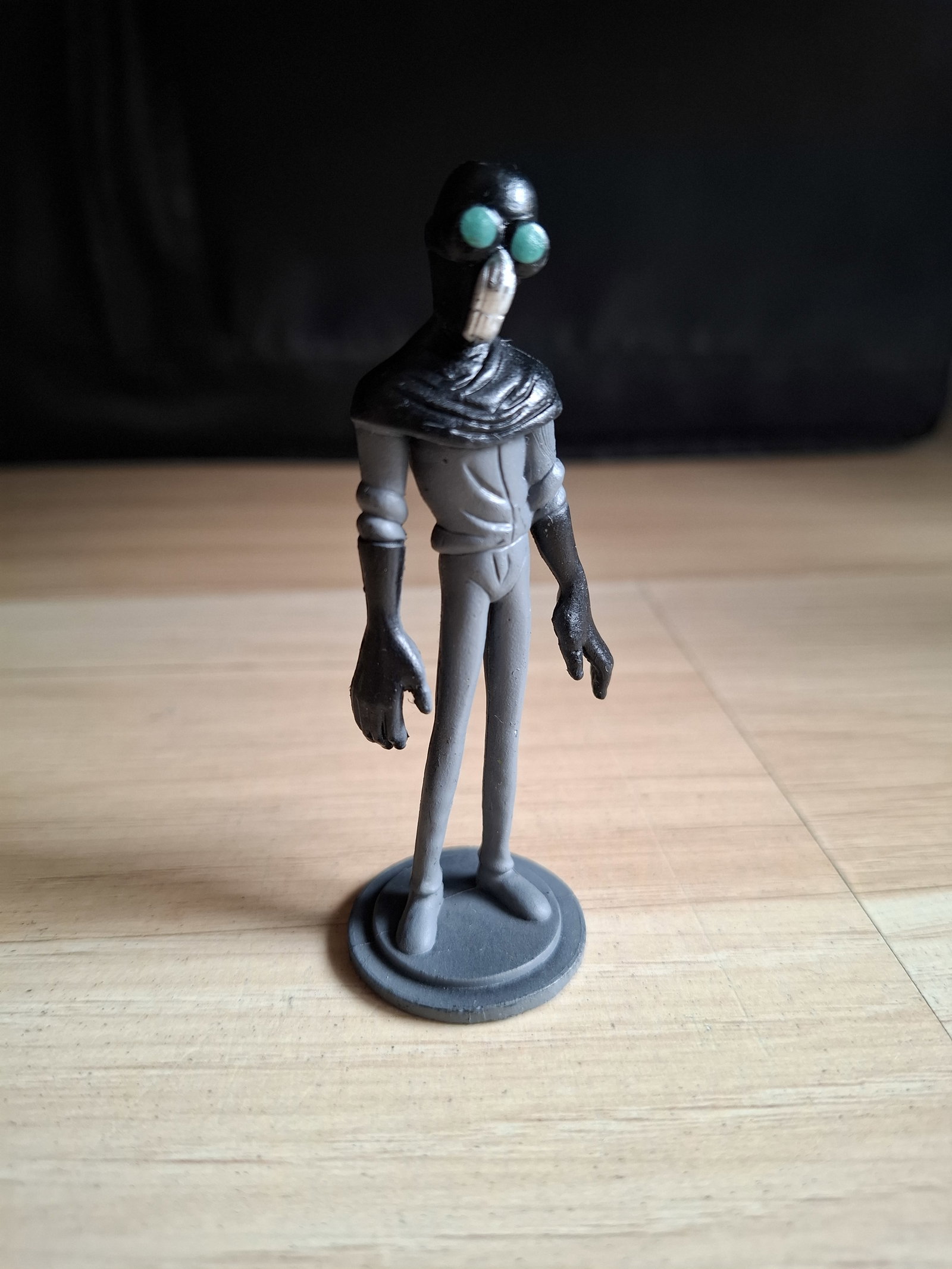
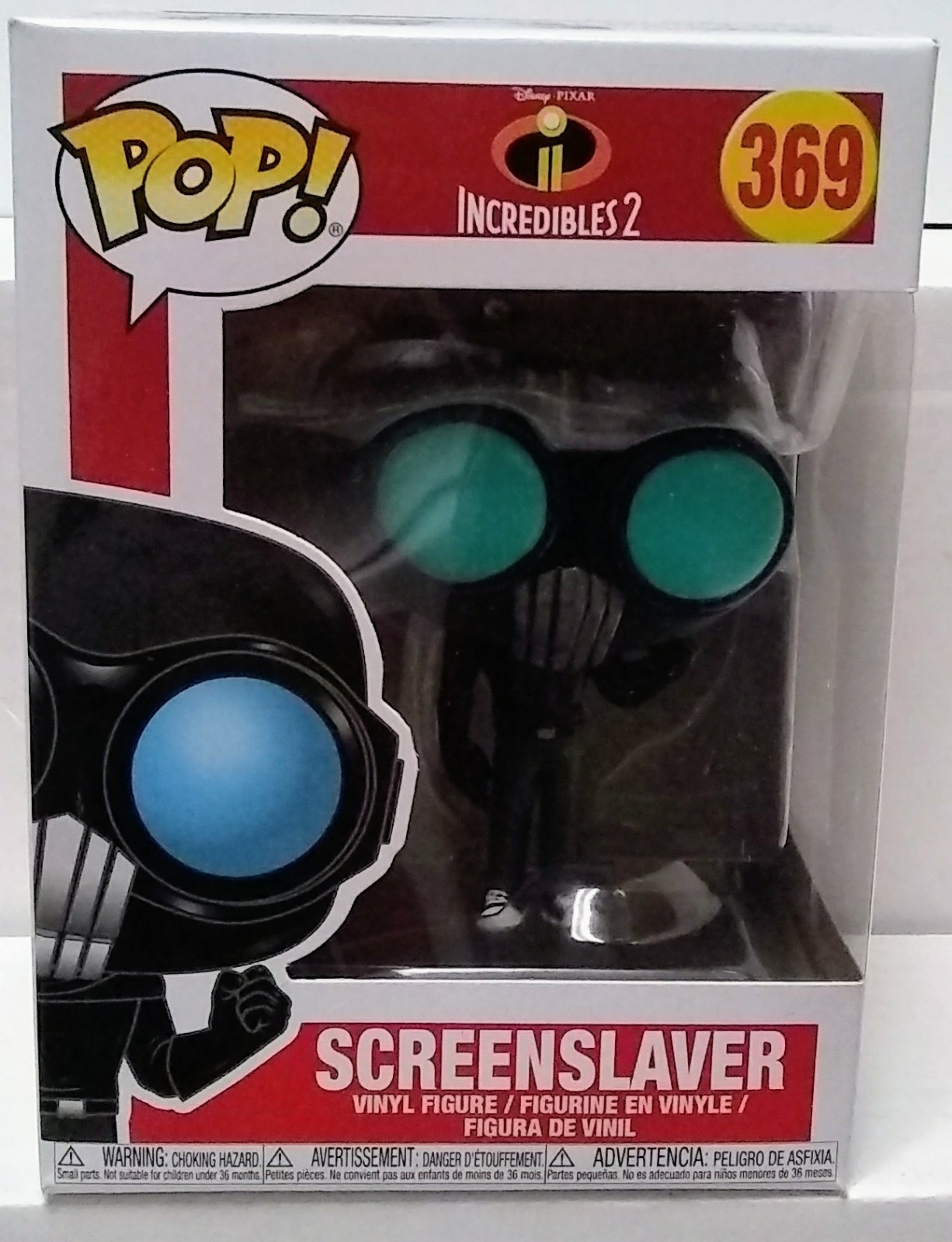
The Voice Behind Screenslaver in Incredibles 2: Character Identity and Cast Details
The voice behind Screenslaver in Pixar’s Incredibles 2 (2018) belongs to veteran voice actor Paul Eiding, who performs the lines for the hypnotized pizza delivery driver used as the decoy villain. However, the intellectual mastermind o...
The voice behind Screenslaver in Pixar’s Incredibles 2 (2018) belongs to veteran voice actor Paul Eiding, who performs the lines for the hypnotized pizza delivery driver used as the decoy villain. However, the intellectual mastermind operating the Screenslaver persona from behind the scenes is Evelyn Deavor, voiced by Oscar-nominated actress Catherine Keener.
Contents
Unmasking Screenslaver: Dual Identities in Pixar’s Sequel
Understanding who voices Screenslaver requires separating the physical decoy shown on television screens from the narrative architect behind the plot. Written and directed by Brad Bird, Incredibles 2 uses Screenslaver as a commentary on media consumption, screen addiction, and society's reliance on superheroes to solve systemic problems.
To execute this storyline, the film presents Screenslaver as a mysterious, masked figure who hacks broadcast signals, hypnotizes viewers through hypnotic light patterns, and delivers cynical manifestos about consumer passivity.
SCREENSAVER DUALITY
| THE DECOY / MASK | THE REAL MASTERMIND |
|---|---|
| Character: Pizza Delivery Driver | Character: Evelyn Deavor |
| Voice Actor: Paul Eiding | Voice Actor: Catherine Keener |
| Role: Hypnotized pawn used as a fall guy to hide the true culprit | Role: Tech innovator who created the hypnotism tech and manifesto |
During the middle act of the film, Elastigirl (Helen Parr) tracks the broadcast signal of Screenslaver to a cramped apartment and captures a masked individual wearing the suit. This individual is an unwitting pizza delivery driver forced into the role through hypnotic eyewear. Paul Eiding provides the voice for this character, both during his distorted television broadcasts and after his unmasking when he is questioned by authorities.
Meanwhile, Catherine Keener voices Evelyn Deavor, the chief tech designer of DevTech, who engineered the hypnotic transmission technology and wrote the anti-superhero manifestos. While Evelyn relies on automated voice filters and Paul Eiding's character to front the persona in public, she is the sole creator of the Screenslaver threat.
Who Is Paul Eiding? The Voice Actor Behind the Mask
While casual viewers might not immediately recognize his name, Paul Eiding is one of the most prolific voice actors in American animation, video games, and dubbing. Born in 1957, Eiding has accumulated hundreds of credits across a career spanning over four decades.
Major Roles in Eiding’s Filmography
- Metal Gear Solid Series: Eiding is widely recognized for voicing Colonel Roy Campbell, the trusted military commander and advisor to Solid Snake across the iconic Konami video game franchise created by Hideo Kojima.
- Ben 10: He provided the voice of Grandpa Max (Max Tennyson), the wise, alien-fighting grandfather in Cartoon Network’s Ben 10 franchise.
- Overwatch: He voiced the character Aldus McGray and provided additional voice work for Blizzard Entertainment.
- Diablo & Fallout Series: Eiding has lent his distinctive baritone to major gaming franchises, including playing Mephisto in Diablo II and various characters in Fallout 3, Fallout 4, and The Elder Scrolls V: Skyrim.
- Pixar Voice Work: Prior to Incredibles 2, Eiding contributed loop group and additional voice performances to several Pixar features, including Monsters, Inc., Finding Nemo, Cars, and WALL-E.
In Incredibles 2, Eiding’s vocal performance as Screenslaver required a blend of detached monotone delivery and panic. When speaking through the mask on broadcast monitors, his voice is processed to sound mechanical, cold, and menacing. Once unmasked, Eiding shifts his tone to express confusion, distress, and memory loss, reflecting his character's status as an innocent pawn controlled by Evelyn Deavor's hypnotic goggles.
The Audio Engineering Behind Screenslaver’s Distorted Voice
The distinctive, eerie sound of Screenslaver's voice was not created by vocal performance alone. Pixar’s sound team, overseen by Academy Award-nominated sound designer Ren Klyce (frequent collaborator of David Fincher and Brad Bird), utilized specialized audio processing techniques to turn human speech into a unsettling broadcast distortion.
- Raw Vocal Recording (Paul Eiding)
- Equalization & Bandpass Filtering
- Strips low/high frequencies for phone/TV effect
- Pitch Shifting & Layering
- Adds low-end sub-harmonics for threat
- Ring Modulation & Vocoding
- Injects static, hum, and digital artifacting
- Final Mix: Screenslaver Broadcast Voice
Key Audio Techniques Used for the Character
- Bandpass Filtering: To simulate an illegal low-frequency television broadcast hack, the sound design team stripped away high and low frequencies, isolating the mid-range speech frequencies. This recreates the effect of vintage CRT television speakers or drive-in theater transmissions.
- Ring Modulation: A classic synthesis effect where the audio signal is multiplied by a sine wave, adding a harsh, metallic quality to the voice. This gives Screenslaver’s dialogue a robotic, otherworldly edge.
- Sub-Harmonic Pitch Shifting: To increase the threat level of the monologue, lower octaves of Eiding’s vocal track were mixed subtly beneath the primary voice track, creating a gut-rumbling resonant effect.
- Analog Static and Compression: Crackles, electrical hums, and heavy audio compression were applied to mimic signal interference, reinforcing the idea that Screenslaver is hijacking public communication channels.
This sound design choices ensure that even though the voice belongs to an ordinary delivery driver, the audience senses an artificial, calculated terror whenever Screenslaver speaks.
Narrative Role: Misdirection and Monologue Analysis
The character of Screenslaver serves as the narrative catalyst in Incredibles 2. By placing an unsettling, villainous figure at the center of the film's promotional campaign and early action sequences, Brad Bird set up a classic misdirection.
The Screenslaver Manifesto
The monologue delivered by Screenslaver during his broadcast hacks contains some of the most mature thematic content in Pixar’s filmography. Rather than demanding money or world domination, Screenslaver critiques the audience's dependence on media entertainment:
"The Screenslaver interrupts this program for an important announcement. Don't bother watching the rest. Superhero allies don't complement humanity; they replace it. You don't play games; you watch them on a screen. You don't solve problems; you talk about them on a screen..."
This speech serves two structural purposes in the script:
- Philosophical Justification: It establishes Evelyn Deavor's core grievance. Following the death of her father—who died calling a superhero hotline that had been deactivated rather than seeking shelter—Evelyn developed a hatred for public reliance on heroes.
- Red Herring Execution: By having the pizza delivery driver repeat parts of this philosophy while under hypnosis, the narrative misleads both Elastigirl and the audience into believing the villain has been captured halfway through the story.
Cast Comparison: Voice Talent in Incredibles 2
To contextualize Paul Eiding and Catherine Keener’s roles within the broader production, the table below highlights the principal voice cast of Incredibles 2, their respective characters, and their function within the plot.
| Character Name | Voice Actor | Role in Plot | Notable Prior / Concurrent Roles |
|---|---|---|---|
| Screenslaver / Pizza Guy | Paul Eiding | Decoy antagonist, hypnotized pawn | Colonel Campbell (Metal Gear), Max Tennyson (Ben 10) |
| Evelyn Deavor | Catherine Keener | Primary antagonist, tech mastermind | Get Out, Being John Malkovich, Capote |
| Helen Parr / Elastigirl | Holly Hunter | Lead superhero protagonist | The Piano, Broadcast News, O Brother, Where Art Thou? |
| Bob Parr / Mr. Incredible | Craig T. Nelson | Co-lead protagonist, stay-at-home dad | Coach, Parenthood, Poltergeist |
| Winston Deavor | Bob Odenkirk | Telecommunications mogul, pro-hero advocate | Better Call Saul, Breaking Bad, Nobody |
| Lucius Best / Frozone | Samuel L. Jackson | Ally superhero | Pulp Fiction, The Avengers, Star Wars |
| Edna Mode | Brad Bird | Superhero costume designer | Director of The Iron Giant, Ratatouille, Incredibles |
Critical Reception of the Character and Performance
Upon the release of Incredibles 2 in June 2018, critics singled out the Screenslaver sequence as one of the film's visual and auditory highlights.
Film reviewers noted that the sequence where Elastigirl fights Screenslaver in an apartment filled with flashing monitors delivered an homage to classic noir thrillers and cyber-punk aesthetic.
While some commentary pointed out that Evelyn Deavor's eventual villain reveal was predictable for adult viewers, the vocal delivery of the initial Screenslaver speeches—anchored by Paul Eiding's modulated performance and Catherine Keener's cynical writing—was praised for introducing complex thematic elements into an animated family blockbuster.
The character remains one of Pixar’s most distinct antagonists due to the real-world critique embedded in his speeches, contrasting with more traditional fantastical villains in the studio's catalog.
Frequently Asked Questions
Who physically voiced the Screenslaver monologues in Incredibles 2?
Paul Eiding performed the vocal tracks for Screenslaver's broadcast speeches and the pizza delivery driver. His voice was subsequently modified with sound effects by sound designer Ren Klyce.
Was Screenslaver voiced by Samuel L. Jackson or Bob Odenkirk?
No. Neither Samuel L. Jackson (who voices Frozone) nor Bob Odenkirk (who voices Winston Deavor) voiced Screenslaver. Paul Eiding voiced the pawn character, and Catherine Keener voiced the true mastermind behind the persona.
Why does Screenslaver’s voice sound different from Evelyn Deavor’s?
Evelyn Deavor engineered a digital voice distorter and used a hypnotized surrogate (the pizza delivery driver played by Paul Eiding) to broadcast her messages. This protected her true identity as the co-head of DevTech while allowing her to manipulate public perception.
What other famous roles has Paul Eiding done?
Paul Eiding is widely known for voicing Colonel Roy Campbell in the Metal Gear Solid video game series, Grandpa Max in Cartoon Network's Ben 10, and Mephisto in Diablo II, along with extensive voice contributions to Bethesda RPGs like Fallout and Skyrim.
Is Screenslaver's voice synthesized entirely by a computer?
No. The audio performance was recorded by human actor Paul Eiding and then altered using digital audio workstation effects, including equalization, ring modulation, and sub-harmonic pitch alteration.
Summary and Key Takeaway
When identifying the voice behind Screenslaver in Incredibles 2, the answer depends on whether you look at the cast list or the narrative twist:
- Paul Eiding is the credited voice actor who recorded the vocal tracks for the masked Screenslaver and the pizza delivery driver.
- Catherine Keener voices Evelyn Deavor, the character who created the persona, wrote the speeches, and controlled the screens.
For fans of voice acting and animation, Screenslaver stands out as an example of how vocal performance and post-production sound engineering combine to create a sinister, memorable cinematic antagonist.
Image Gallery