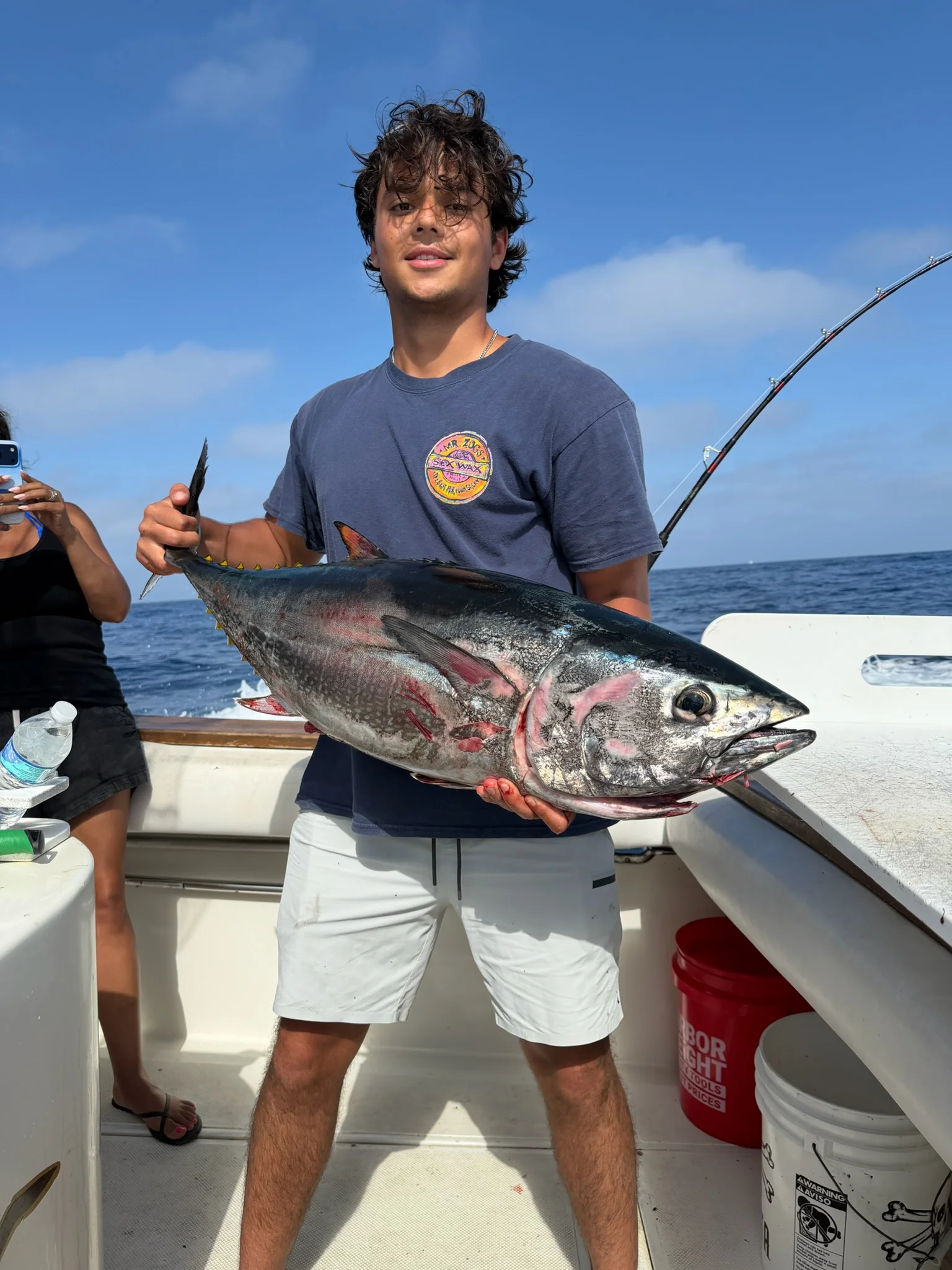
Newport Beach Fishing Report: Catch Numbers, Seasonal Trends, and Marine Debates
Recent Newport Beach fishing reports reflect dynamic seasonal transitions across Southern California's coastal waters, highlighted by steady half-day calico bass counts, seasonal bluefin tuna offshore runs, and productive deep-water ro...
Recent Newport Beach fishing reports reflect dynamic seasonal transitions across Southern California's coastal waters, highlighted by steady half-day calico bass counts, seasonal bluefin tuna offshore runs, and productive deep-water rockfish hauls. However, local sportfishing landings and recreational anglers face evolving California Department of Fish and Wildlife (CDFW) regulations, shifting depth closures, and ongoing debates surrounding Marine Protected Area management.
Contents
Newport Beach Sportfishing Infrastructure and Coastal Waters
Newport Beach serves as one of Southern California's primary access points for saltwater sportfishing. Operating predominantly out of Newport Harbor, major landing operations—including Newport Landing Sportfishing and Davey’s Locker—deploy a fleet of vessels ranging from open-party half-day boats to multi-day offshore charters.
The regional fishery relies on a diverse network of marine habitats across the Southern California Bight. Nearshore trips target the Huntington Flats, the shallow kelp beds stretching toward Laguna Beach, and local structure points. Three-quarter-day and full-day charters extend operations to Catalina Island and San Clemente Island, where migratory pelagics and kelp-canopy predators cluster. Offshore vessels explore oceanic structure such as the 14-Mile Bank (Las Senoritas), the 267 Spot, and the San Clemente Basin.
Understanding Newport Beach fishing reports requires analyzing three operational zones:
- Nearshore Waters (0–3 Miles): Characterized by soft-bottom flats, submarine canyons (such as Newport Submarine Canyon), and kelp forests. Primary targets include California halibut (Paralabrax clathratus), calico bass, sand bass, and white seabass.
- Island Fisheries (12–50 Miles): Rocky pinnacles, kelp curtains, and steep drop-offs around Santa Catalina and San Clemente Islands. Primary targets include yellowtail (Seriola lalandi), white seabass, and shallow-water groundfish.
- Offshore Banks (15–60+ Miles): Deep oceanic currents and thermal fronts. Primary targets include Pacific bluefin tuna (Thunnus orientalis), yellowfin tuna, skipjack, and dorado (mahi-mahi).
Analysis of Recent Catch Numbers Across Fleet Segments
Catch numbers in Newport Beach fluctuate based on water temperature anomalies, swell conditions, and seasonal migration patterns. Daily landing logs published by local sportfishing hubs provide a clear metric for evaluate fish availability and target efficiency.
- [Nearshore / Kelp Beds]: Calico Bass, Sand Bass, Halibut, Barracuda
- [Island / Pinnacles]: Yellowtail, White Seabass, Sheephead
- [Offshore Banks]: Bluefin Tuna, Yellowfin Tuna, Mahi-Mahi
- [Deep Offshore / Floor]: Vermilion Rockfish, Bocaccio, Lingcod
Half-Day and 3/4-Day Coastal Fleet
The half-day fleet focuses primarily on coastal shelf habitats. Spring and summer reports consistently show high numbers of calico bass and barred sand bass, with single-vessel half-day tallies frequently exceeding 100 to 200 released or kept fish depending on seasonal minimum size limits.
California halibut counts spike during late spring along the sandy stretches of the Huntington Flats and near the canyon edge off Balboa. While numerical yields for halibut are lower than bass—typically ranging from 5 to 20 legal fish per vessel day—their high edible weight makes them a target species. White seabass landings remain opportunistic; overnight and 3/4-day reports highlight periodic spikes during full moon phases near shallow island squid beds.
Offshore Pelagic Trips
Offshore catches are dominated by Pacific bluefin tuna. The Southern California bluefin fishery has experienced a sustained renaissance over recent seasons, with fish ranging from 20-pound schoolies to specimens exceeding 200 pounds.
Catch logs from 1.5-day and overnight trips out of Newport Harbor routinely record limits of bluefin during peak summer and autumn pushes. High-performance sonar and night-trolling tactics using heavy jigs at depths of 200 to 500 feet have altered catch composition, shifting peak landing windows from daylight surface bites to overnight deep-water feeds.
Bottom-Fishing and Groundfish Landings
When water temperatures cool or pelagic species move offshore, fleet pressure shifts to groundfish. Landing reports during open rockfish seasons show maximum angler limits on species such as vermilion rockfish (Sebastes miniatus), bocaccio (Sebastes paucispinis), and lingcod (Opaliodon elongatus).
Counts in this sector are exceptionally stable, often yielding full 10-fish rockfish bag limits per angler. However, overall catch volume is directly constrained by annual CDFW depth modifications designed to protect sensitive bottom-dwelling stocks.
Summary of Target Species, Catch Rates, and Regulations
The table below outlines primary sportfishing targets in Newport Beach waters, expected seasonal catch trends, regulatory limits, and key operational factors.
| Species | Primary Location / Depth | Seasonal Peak | Bag & Size Limits (SoCal Management Area) | Key Regulatory & Operational Context |
|---|---|---|---|---|
| Pacific Bluefin Tuna | Offshore Banks (15–60 miles) | May – November | 2 fish per angler per day (max 6 in possession on multi-day) | Strictly monitored via federal quotas; required landing reporting |
| Yellowtail | Catalina Island, Coastal Reefs | June – October | 10 fish per day (minimum 24" fork length for up to 5 fish) | Heavily reliant on live-bait supply (anchovies/sardines) |
| Calico Bass (Kelp Bass) | Nearshore Kelp Beds (10–80 ft) | May – September | 5 fish per day (minimum 14" total length) | Conservation focus; strong catch-and-release practices among private boaters |
| California Halibut | Sandy Flats, Canyon Edges | April – July | 5 fish per day south of Pt. Conception (minimum 22" total length) | Strict size compliance enforced by CDFW harbor patrols |
| Vermilion / Shelf Rockfish | Deep Reefs & Banks (100–300+ ft) | Varies by CDFW season | 10 fish groundfish aggregate limit (sub-limits apply to specific species) | Subject to annual depth-boundary shifts and mandatory descending device use |
| White Seabass | Island Kelp Beds, Coastal Structures | May – July | 3 fish per day (minimum 28" total length; 1 fish limit during spring spawn) | Targeted during squid spawns; highly sensitive to noise and boat pressure |
Major Regulatory and Environmental Debates
The fisheries surrounding Newport Beach operate at the intersection of heavy urban population density, recreational marine use, and intensive conservation management. Several key policy debates actively shape access, harvest rules, and operational strategies for local captains and private boaters.
Key Newport Beach Fishery Debates:
- Groundfish Depth Limits & Species Protections (CDFW Shelf Adjustments)
- Marine Protected Area (MPA) Network Reviews & Boundary Enforcement
- Pinniped Depredation & Fleet Interactions (Sea Lion Competition)
- Lead Tackle Phase-Outs & Environmental Impact Policy
1. Groundfish Depth Modifications and Descending Device Rules
The management of Pacific groundfish remains a continuous debate between recreational angling associations and environmental regulators. The California Department of Fish and Wildlife (CDFW) routinely adjusts depth constraints for the Southern Management Area. These adjustments are driven by catch estimates of sensitive nearshore species, specifically copper rockfish (Sebastes caurinus) and quillback rockfish (Sebastes maliger).
To prevent overfishing of these vulnerable stocks without shutting down bottom-fishing entirely, regulators have implemented split-season models. These models restrict angling to shelf waters (deeper than 50 or 75 fathoms) during specific months while prohibiting nearshore bottom-fishing.
Anglers argue that offshore depth mandates increase fuel costs, elevate safety risks for smaller craft, and worsen barotrauma in deep-caught fish. To mitigate barotrauma mortality, state regulations require all recreationally fished vessels carrying groundfish to possess functional, weighted descending devices ready for immediate deployment.
2. Marine Protected Area (MPA) Network Evaluations
The implementation of the Marine Life Protection Act (MLPA) established a network of Marine Protected Areas along the Orange County coastline, including State Marine Reserves (SMRs) and State Marine Conservation Areas (SMCAs) near Crystal Cove and Laguna Beach.
Ongoing performance evaluations of these reserves spark contentious debate:
- Proponents' Perspective: Marine conservation groups and coastal scientists present data showing increased fish density, older and larger female spawners, and spillover benefits into adjacent fished waters.
- Commercial/Recreational Fleet Perspective: Local boat captains point out that rigid coastal closures concentrate fishing pressure into smaller non-protected zones, creating localized depletion near Newport Harbor's entrance. Debate persists regarding potential boundary adjustments and adaptive management strategies.
3. Pinniped Depredation and Fleet Friction
Interaction between recreational vessels and California sea lions (Zalophus californianus) represents a persistent operational challenge in Newport Beach. Pinniped populations have grown substantially under federal protections granted by the NOAA Fisheries Marine Mammal Protection Act (MMPA).
Sea lions target sportfishing vessels, habitually taking hooked yellowtail, bass, and bottom-fish directly off lines—a practice known as depredation. Commercial passenger fishing vessels (CPFVs) report increased gear loss, damaged catches, and altered fish behavior. While boat crews use non-lethal deterrents approved by federal guidelines, anglers advocate for enhanced active management strategies, while marine mammal protection groups urge strict reliance on passive techniques and gear modifications.
4. Transition Away from Lead Fishing Tackle
Environmental debate in California sportfishing extends to tackle composition. Legislation and regulatory inquiries targeting lead sinkers and jigs aim to minimize wildlife exposure to toxic heavy metals.
Proponents highlight the secondary poisoning risks faced by diving birds and marine mammals that ingest discarded tackle. Conversely, tackle manufacturers and fishing organizations point out that alternative high-density materials—such as tungsten, bismuth, and stainless steel—cost significantly more. Anglers contend that rapid, non-subsidized lead bans disproportionately burden low-income anglers and small tackle shops along Newport Harbor.
Practical Angler Guide: Permits, Access, and Best Practices
Navigating the Newport Beach fishery requires strict adherence to California ocean sportfishing laws, spatial awareness of marine boundaries, and proper tackle setup.
- Step 1: Check License Requirements (CDF&W Sport License + Ocean Enhancement)
- Step 2: Review Marine Boundaries & Active MPAs (Crystal Cove / Laguna)
- Step 3: Confirm Groundfish Depth & Gear Regulations (Descending Devices)
- Step 4: Select Launch Site (Newport Harbor / Public Piers / Charters)
Licensing and Permit Requirements
Before casting a line in Newport Beach, anglers aged 16 and older must acquire a valid California Ocean Sport Fishing License.
- Ocean Enhancement Validation: Required for all sportfishing south of Point Arguello, including all waters off Orange County.
- Report Cards: Mandatory for specific target fisheries such as spiny lobster (Panulirus interruptus) during the autumn/winter trap and dive season.
- Public Pier Exception: Under California Fish and Game Code § 7145, anglers fishing from public piers—such as the Newport Beach Pier and the Balboa Pier—do not require a sportfishing license. However, all species size limits, daily bag limits, gear restrictions, and season closures remain strictly enforced.
Navigating Local MPAs
Anglers departing from Newport Harbor must ensure their gear is stowed and no active fishing occurs when transiting through protected zones.
- Crystal Cove State Marine Conservation Area (SMCA): Extends along the coast southeast of Newport Harbor. Specific recreational hook-and-line fishing for certain species is limited; anglers must verify current spatial maps using the CDFW Ocean Sport Fishing web portal or marine GPS overlays.
- Laguna Beach State Marine Reserve (SMR): A complete no-take zone covering the coastline further south. No marine life may be taken, damaged, or possessed while gear is deployed.
Barotrauma Mitigation Protocol
When fishing in deep water, fish pulled from depth experience barotrauma—a condition where internal gases expand, pushing the stomach out of the mouth and damaging eyes and internal organs. Returning fish to their capture depth rapidly compresses these gases, allowing successful release.
- Preparation: Attach a weighted descending device (e.g., inverted barbless hook clip or weighted cage) to a dedicated heavy rod before bottom-fishing.
- Attachment: Secure the device to the lip or jaw tissue of the distended fish without puncturing internal organs.
- Deployment: Lower the fish immediately back to its target capture depth (or a minimum of 60 feet) before disengaging the weight.
Frequently Asked Questions
Do I need a fishing license to fish from the piers in Newport Beach?
No. Anglers fishing from established public structures built directly over the ocean—specifically the Newport Pier and Balboa Pier—are exempt from purchasing a California Ocean Sport Fishing License. However, all legal minimum size limits, daily bag limits, species closures, and gear maximums (such as using no more than two lines) still apply.
What are the current bluefin tuna regulations for boats out of Newport Beach?
The daily recreational bag limit for Pacific bluefin tuna off Southern California is 2 fish per angler per day, with a maximum limit of 6 fish in possession for multi-day trips involving multi-day permits. Anglers and boat operators are required to submit accurate catch records to aid NOAA Fisheries and CDFW in monitoring sustainable harvest quotas.
Why do groundfish depth rules change throughout the year?
The CDFW and Pacific Fishery Management Council adjust groundfish depth boundaries to balance harvest opportunities for healthy rockfish stocks (such as vermilion and bocaccio) while minimizing incidental bycatch of sensitive species (such as copper and quillback rockfish). These depth closures force fishing activity into deeper offshore shelf waters where protected nearshore species are less prevalent.
How do Newport Beach charters handle sea lion interference?
Charters use non-lethal management practices compliant with the Marine Mammal Protection Act. Strategies include changing fishing locations when pinnipeds aggregate, employing heavy weights to drop baits quickly past the surface layer, using artificial lures instead of live bait when sea lions are dense, and deploying specialized fish-shield devices over hooked catches during retrieval.
What is the peak season for offshore tuna fishing off Newport Beach?
The offshore pelagic season typically peaks from June through October, when warm, nutrient-rich currents bring bluefin tuna, yellowfin tuna, skipjack, and dorado within range of day and multi-day charters. However, depending on water temperature anomalies, bluefin tuna schools can remain within range of Newport operations well into late autumn and early winter.
Strategic Takeaways for Anglers and Fleet Operations
To maximize success and stay compliant in Newport Beach’s ocean waters, follow these standard operational procedures:
- Verify Real-Time CDFW Ocean Regulations: Groundfish depth limits, sub-bag limits, and seasonal closures change based on in-season catch tracking. Always consult the official CDFW Southern Management Area guidelines prior to departure.
- Carry Mandatory descending Equipment: Ensure your boat has an approved descending device rigged and accessible. Proper barotrauma mitigation is required by law and essential for conserving groundfish stocks.
- Cross-Reference Marine Protected Area Boundaries: Program current MPA coordinates into marine chartplotters or download digital maps onto mobile devices to prevent unintentional drift into no-take reserves near Crystal Cove and Laguna Beach.
- Monitor Sportfishing Catch Logs Daily: Use daily landing reports published by local operations (such as Newport Landing and Davey's Locker) to track current target trends, water temperatures, and bait preferences before planning trips.
Image Gallery