What the Dating Scene Looks Like Today: Modern Romance, Apps, and Evolving Expectations
The contemporary dating scene is characterized by a hybrid ecosystem where digital-first app interactions intersect with a growing desire for intentional, offline connection, shifting cultural attitudes toward relationship milestones,...
The contemporary dating scene is characterized by a hybrid ecosystem where digital-first app interactions intersect with a growing desire for intentional, offline connection, shifting cultural attitudes toward relationship milestones, and new frameworks for emotional accountability.
Contents
Navigating the contemporary romantic landscape requires understanding how technology, shifting social norms, and changing economic pressures have transformed how people meet, evaluate partners, and build relationships. The romantic landscape has undergone structural shifts over the past decade. While digital platforms remain the primary entry point for modern courtship, user fatigue, algorithm adjustments, and shifting social expectations have fundamentally changed how singles approach finding a partner.
Understanding the mechanics of today's romance ecosystem involves looking past the surface of swipe culture to examine the operational realities, psychological impacts, and practical strategies required to build meaningful connections.
The Digital Infrastructure of Modern Courtship
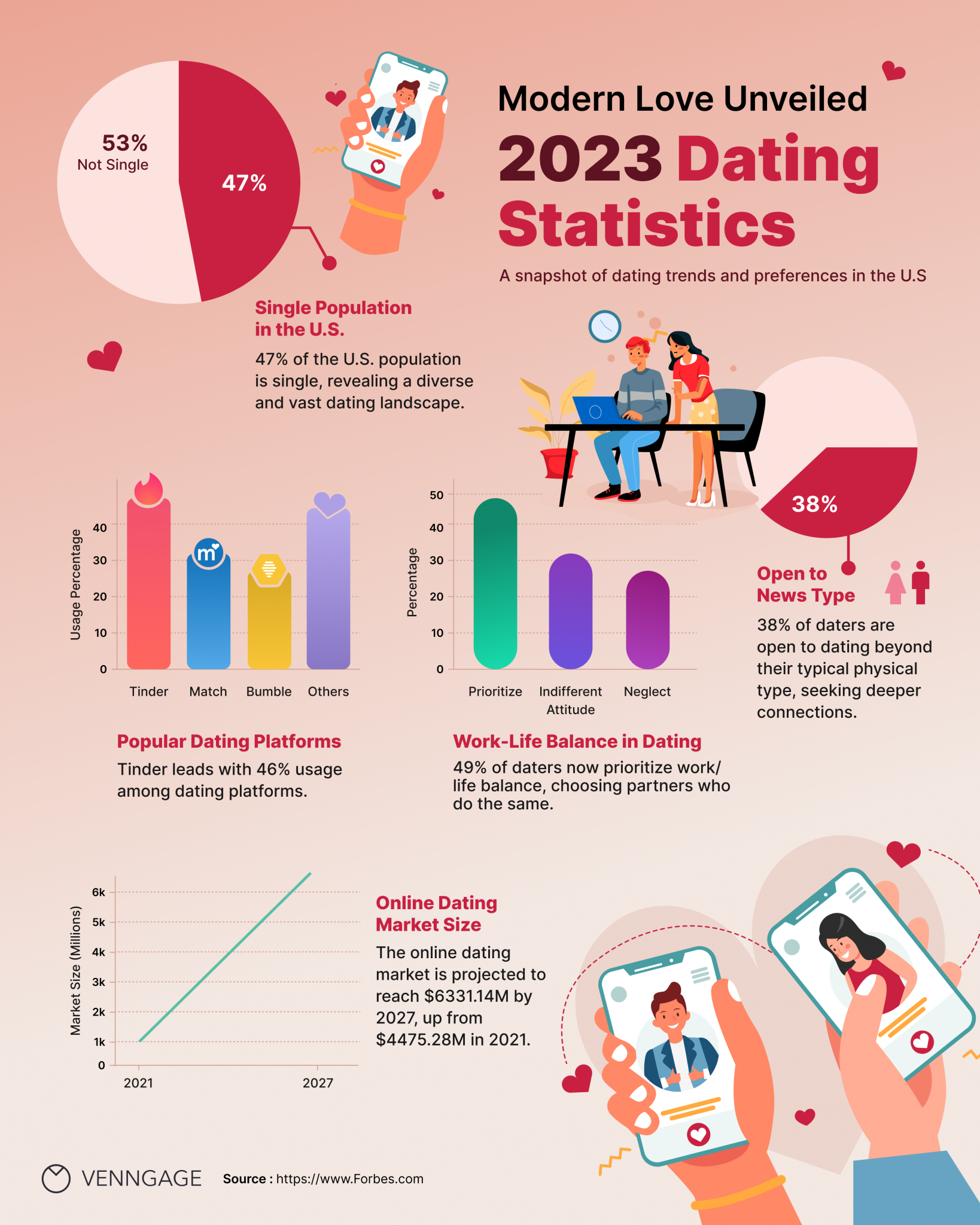
Dating applications no longer represent a fringe alternative to traditional meeting methods; they are the dominant infrastructure of modern romance. Platforms such as Tinder, Bumble, Hinge, and specialized niche apps handle the initial discovery phase for millions of users worldwide. However, the mechanics of these platforms have evolved significantly from their early iterations.
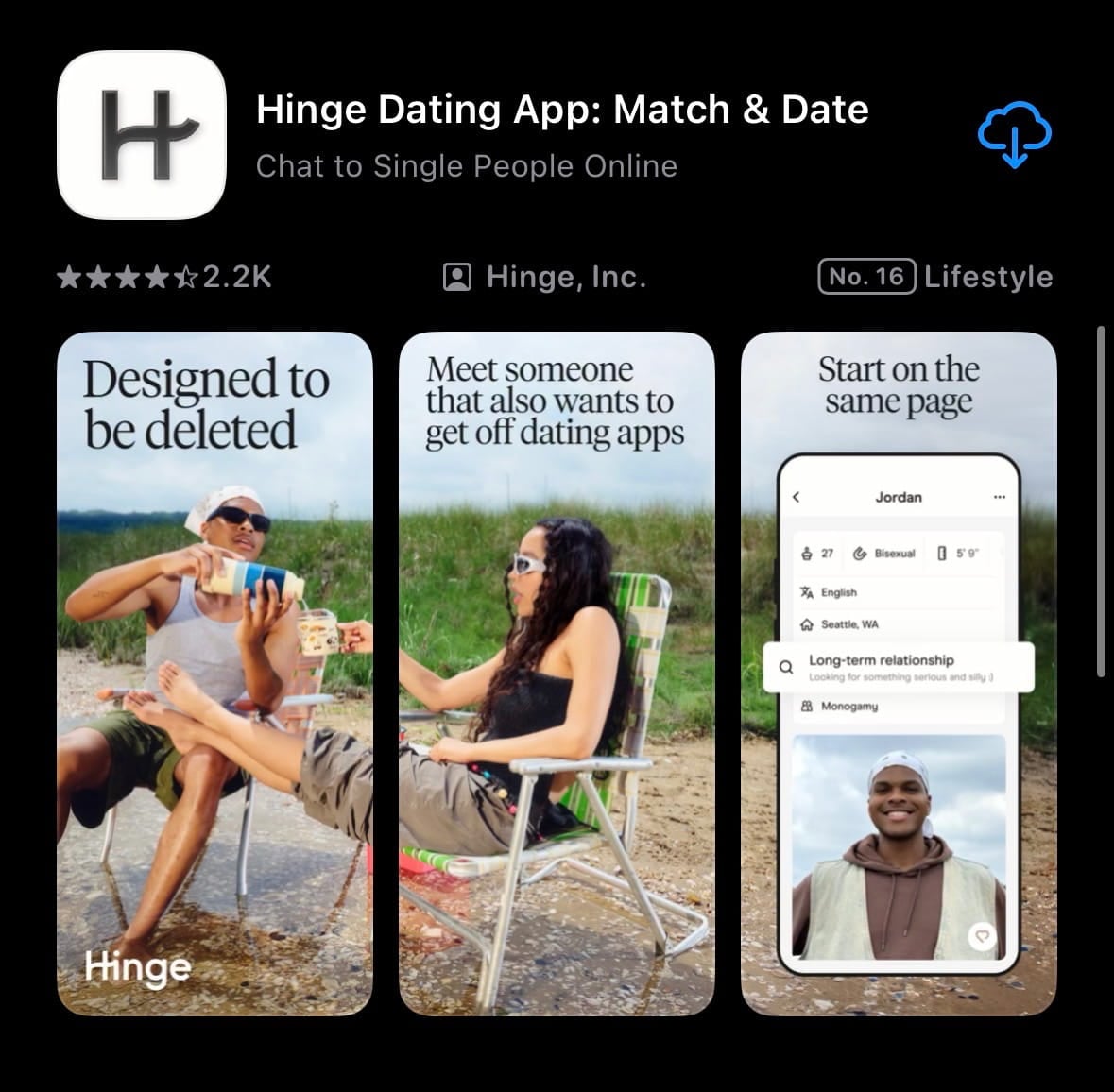
Modern algorithms have largely moved away from simple proximity-based matching toward engagement-driven and compatibility-weighted systems. Hinge’s focus on prompt-based profiles and Bumble’s female-first messaging model set a precedent for higher-friction onboarding designed to filter out low-effort interactions. Despite these design iterations, users frequently report structural fatigue. The infinite choice paradox—the psychological phenomenon where an abundance of options leads to decision paralysis and reduced satisfaction—remains a defining feature of app-based dating.
To combat app fatigue, the industry has seen a pivot toward specialized and hyper-targeted communities. Rather than casting a wide net on generalist platforms, users increasingly migrate toward applications tailored to specific shared values, political alignments, professional backgrounds, or lifestyle choices, such as verified-identity networks and subscription-based exclusivity models that prioritize intent over volume.
The Rise of Intentional Dating and Slow Romance
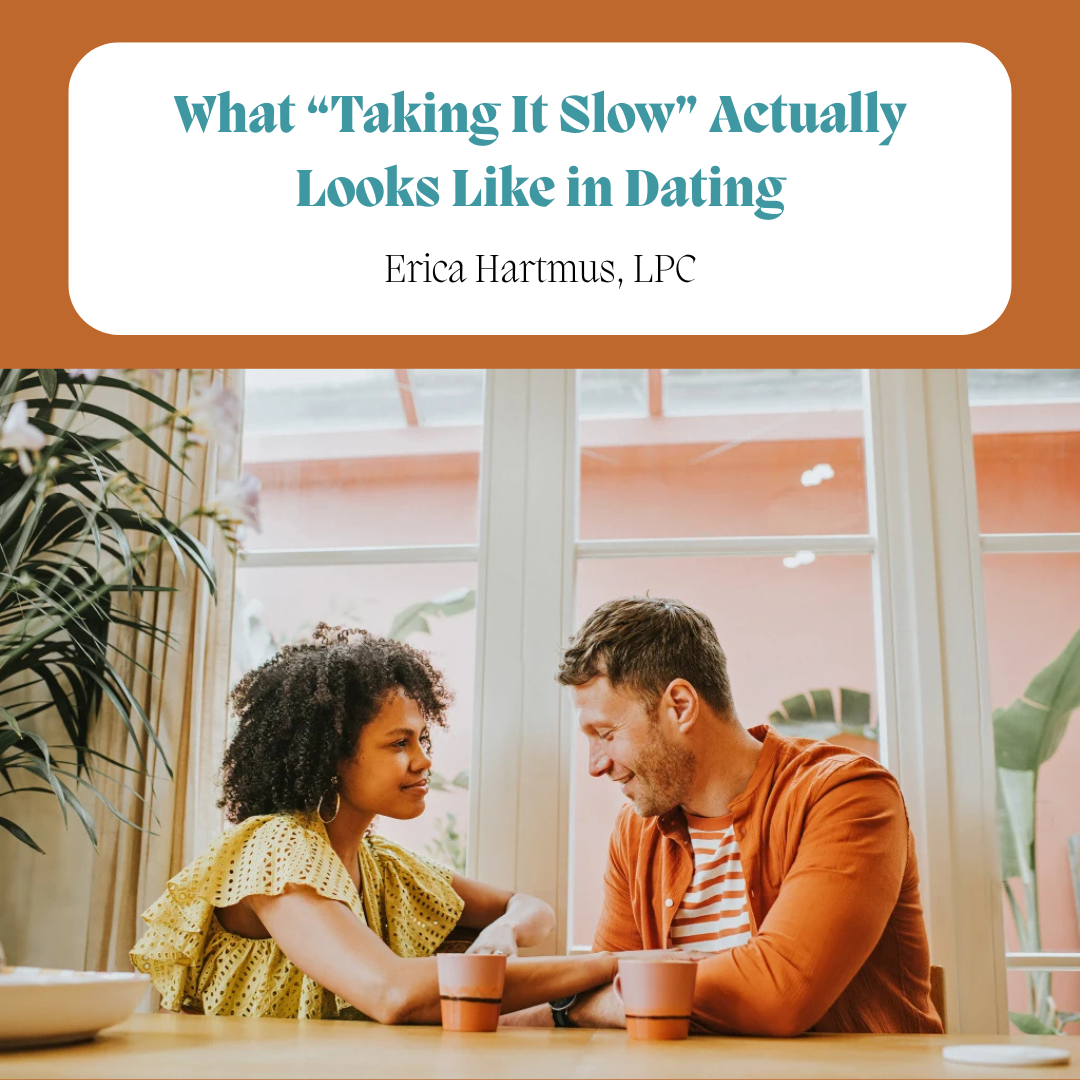
A defining counter-movement against endless swiping is the rise of intentional dating, often referred to as "slow romance." Singles across various demographics are explicitly signaling their relationship goals earlier in the interaction cycle, moving away from ambiguous setups toward clear definitions of what they are looking for—whether that is casual companionship, long-term partnership, or marriage.
This shift is driven by a broader cultural prioritization of emotional wellness and time management. Modern daters are increasingly protective of their bandwidth, leading to several notable behavioral trends:
- Front-Loaded Communication: Extended text-based vetting is being replaced by prompt transitions to video calls or real-world meetings to verify mutual chemistry and reduce the phenomenon of catfishing or idealized projection.
- Values-Based Alignment: Politics, financial literacy, family planning, and mental health management are introduced earlier in the vetting process than in previous decades, serving as foundational compatibility filters.
- Relationship Architecture: There is greater acceptance of non-traditional relationship structures and customized timelines, where milestones like cohabitation, marriage, and child-rearing do not necessarily follow a rigid historical sequence.
Safety, Verification, and Trust Building
As digital interactions carry inherent risks ranging from financial scams (such as pig butchering and romance fraud) to physical safety concerns, trust-building has become a critical technical component of modern dating.
Major applications have integrated identity verification tools, including biometric facial scans, government ID matching, and linked social media accounts, to combat fraudulent profiles. Concurrently, users have adopted independent safety protocols:
- Digital Footprint Checks: Conducting reverse image searches or cross-referencing public professional directories before a first date.
- Public Meeting Standards: Insisting on initial dates in high-traffic public venues and managing independent transportation arrangements.
- Real-Time Location Sharing: Utilizing smartphone features to share live location data with trusted friends during early meetups.
The economic cost of dating has also evolved. Inflationary pressures have impacted the logistics of courtship, making traditional dinner-and-drinks dates financially burdensome for frequent daters. This economic reality has popularized low-stakes, low-cost initial meetings—such as morning coffee, a walk in a public park, or a museum visit—which align with both safety precautions and budget realities.
Comparing Traditional vs. Modern Dating Dynamics
To understand the scope of change in the romance ecosystem, it is helpful to examine how core elements of courtship have shifted from historical models to the current standard.
| Feature | Traditional Dating | Modern Dating |
|---|---|---|
| Primary Discovery Channel | Organic introduction through mutual friends, work, school, or community events. | Digital applications, algorithm-driven matching, and targeted online communities. |
| Pacing of Introduction | Gradual vetting through shared social circles over weeks or months. | Accelerated initial contact often culminating in rapid in-person meetings. |
| Scope of Options | Limited to immediate geographic and social network proximity. | Access to thousands of potential matches within a designated geographic radius. |
| Risk Profile | Social vetting via mutual acquaintances provides baseline security. | Technical verification tools required; independent safety protocols necessary. |
| Defining Cultural Norms | Adherence to standardized relationship milestones and timelines. | High customization; explicit communication of individual intentions and boundaries. |
Common Pitfalls and Strategic Adjustments
Navigating the contemporary dating scene introduces unique psychological and operational challenges. Recognizing these pitfalls allows individuals to protect their mental health and optimize their efforts.
The Trap of Premature Intimacy
Texting and messaging apps create a false sense of deep connection before two people have met in person. This "epistolary intimacy" leads to idealized projections that real-world meetings frequently fail to match. Correction: Limit text-based conversations to logistical arrangements and basic rapport-building, prioritizing in-person interaction within one to two weeks of matching.
Burnout and Engagement Management
Treating dating apps like a full-time job quickly depletes emotional reserves. The constant cycle of swiping, matching, brief conversation, and ghosting triggers social fatigue. Correction: Implement strict time limits on app usage per day, or take scheduled digital detoxes to reset perspective.
Mismanaged Expectations of Abundance
The illusion that an endless supply of alternative partners is just a swipe away can prevent individuals from investing the necessary effort to resolve minor interpersonal conflicts or build deep intimacy. Correction: Focus on quality of engagement rather than volume of matches, treating single-connection exploration with intentionality.
Frequently Asked Questions
Why do people experience so much fatigue with modern dating apps?
App fatigue primarily stems from the paradox of choice and the gamified mechanics of swiping interfaces. When users are presented with an endless stream of potential profiles, the brain treats human connection like consumer goods, leading to decision paralysis, superficial evaluation, and emotional exhaustion from repetitive, superficial interactions.
Are people still meeting organically outside of apps?
Yes. While apps provide a high volume of introductions, organic meetings through hobbies, fitness communities, professional networking, and social gatherings remain robust. Many modern daters actively seek "third places"—environments outside of home and work where community interaction occurs naturally—as an antidote to digital burnout.
How has inflation impacted modern dating habits?
Economic pressures have driven a shift away from expensive, formal dinner dates toward low-stakes, affordable alternatives like coffee dates, afternoon walks, or casual drinks. This economic shift has coincided nicely with a cultural preference for low-pressure first encounters that allow for quick exits if mutual chemistry is absent.
What is the best way to vet someone safely before a first date?
Safety experts recommend utilizing platform-native verification badges, conducting basic digital footprint checks (such as verifying professional profiles on LinkedIn), insisting on meeting in a well-lit public venue, and sharing your live location with a trusted friend or family member for the duration of the meetup.
How early should someone state their relationship intentions?
Current dating norms encourage signaling intentions early—often within the app bio or during the first conversation. Transparency regarding whether one is looking for casual dating, a long-term relationship, or marriage saves time, prevents emotional misalignment, and filters out incompatible matches efficiently.
Next Actions for Navigating Today's Scene
Approaching the modern dating scene successfully requires a balanced strategy that combines technological literacy with firm personal boundaries. To optimize your romantic pursuits: audit your current platform usage to eliminate low-yield apps, prioritize real-world or video validation over extended text-based rapport, clearly articulate your relationship goals to prospective partners, and maintain robust personal safety protocols for all initial meetings. By treating dating as an intentional practice rather than an endless game, you can navigate the ecosystem with clarity and purpose.
Image Gallery