Understanding the Financial Standing of Peter Criss: An Overview of His Career and Assets
Peter Criss, the original drummer and co-founder of the legendary rock band KISS, has maintained a significant, albeit fluctuating, financial profile throughout his decades-long career. As of 2026, his estimated net worth is widely cit...
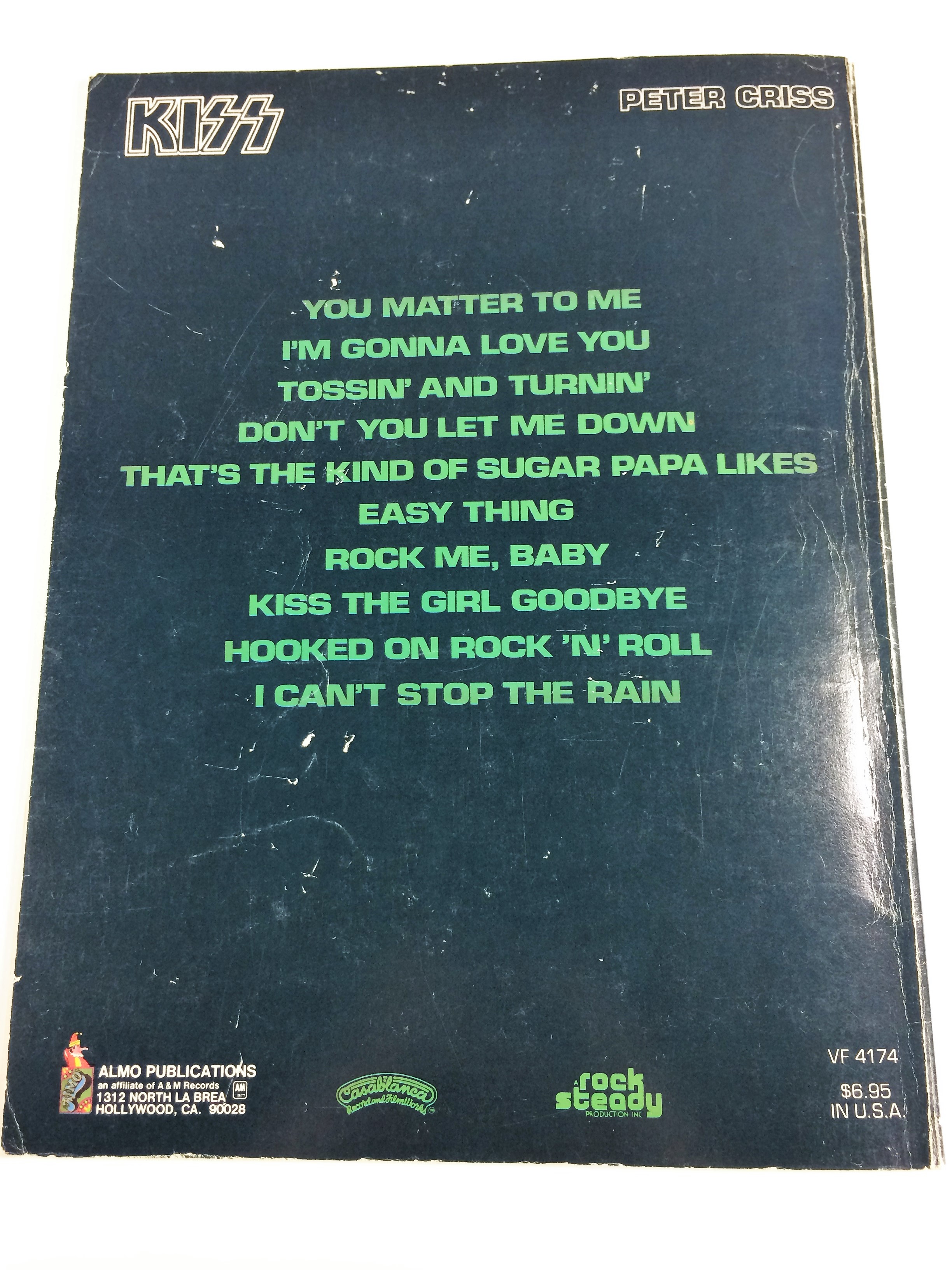
Peter Criss, the original drummer and co-founder of the legendary rock band KISS, has maintained a significant, albeit fluctuating, financial profile throughout his decades-long career. As of 2026, his estimated net worth is widely cited by financial analysts and entertainment industry trackers to be approximately $5 million. This valuation accounts for his foundational contributions to rock history, his songwriting royalties, his tenure with KISS, and his subsequent solo projects and personal investments.
Contents
The Foundation of Wealth: The KISS Legacy
To understand Peter Criss’s financial trajectory, one must first look at the meteoric rise of KISS in the 1970s. As the "Catman," Criss was integral to the band's identity, providing both the rhythmic backbone and a distinct vocal presence on hits like "Beth," which remains the band's highest-charting single.
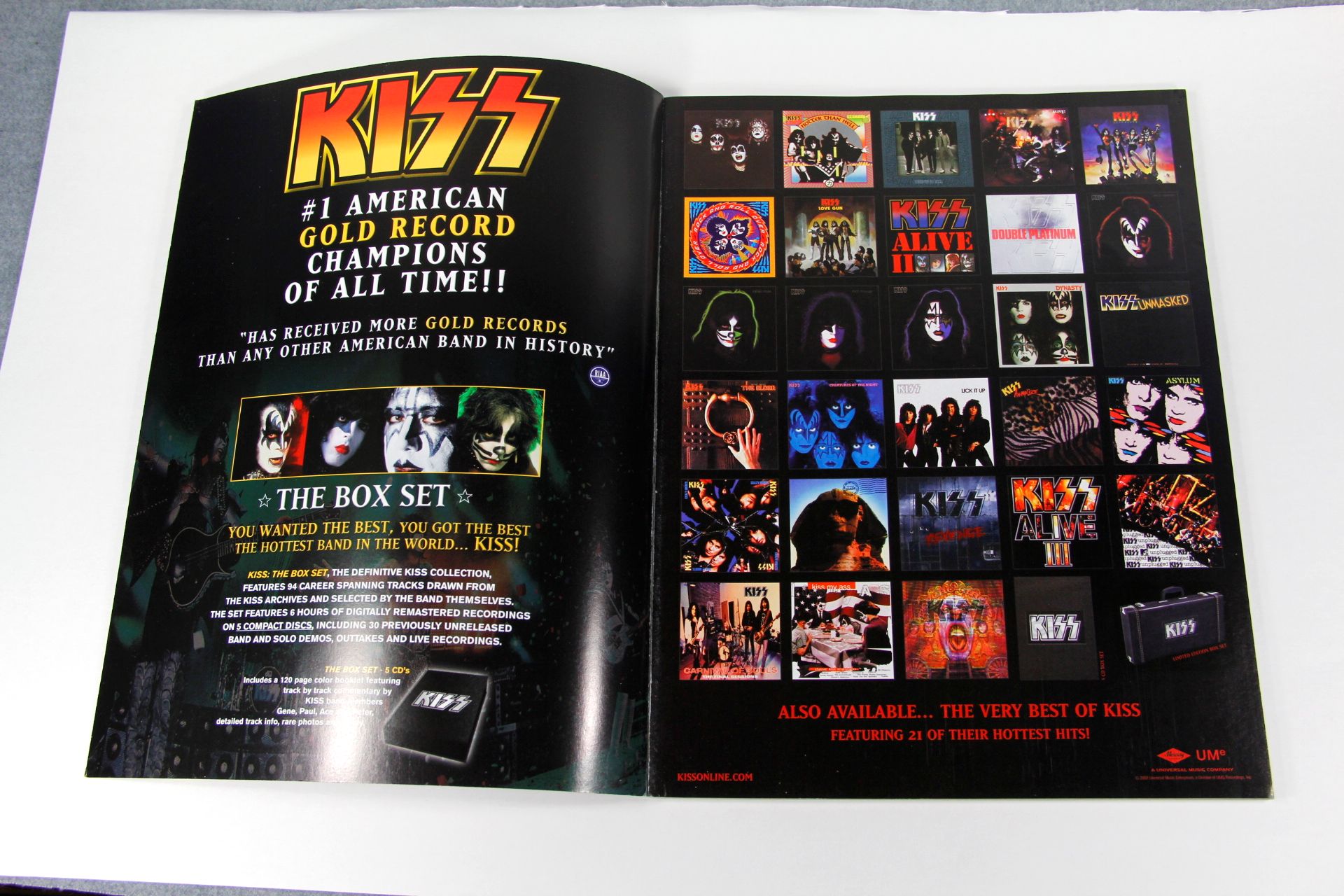
The financial model of KISS was revolutionary. Unlike many of their contemporaries, the band members prioritized the brand as much as the music. Through merchandise, comic books, action figures, and high-production-value touring, the members of KISS accumulated substantial wealth. However, it is essential to note that wealth in the music industry—particularly for bands formed in the early 1970s—is subject to complex legal agreements, management fees, and historical shifts in royalty structures. Criss’s stake in the band’s commercial empire, while significant during his peak years, has been influenced by his departures and returns to the group, as well as the eventual buyout of his original interest in the band’s intellectual property.
Revenue Streams Beyond the Stage
While his tenure with KISS forms the core of his public financial identity, Peter Criss’s income has been derived from several distinct sources over the years. Understanding these layers explains why his net worth is reported at its current level despite the massive commercial success of his former band.
- Songwriting Royalties: As a co-writer of several KISS tracks, Criss receives ongoing performance royalties. These earnings depend heavily on the continued usage of these songs in media, radio, and streaming services.
- Solo Career and Collaborations: Post-KISS, Criss released several solo albums. While these did not reach the commercial heights of his 1978 solo release (which went Platinum), they provided steady, albeit smaller, revenue streams through touring and record sales.
- Appearances and Licensing: Like many classic rock icons, Criss has participated in various conventions, autograph signings, and documentary features. These ventures allow legacy artists to monetize their name and image recognition independently of original label contracts.
- Investments and Asset Management: Like most high-net-worth individuals in the entertainment sector, Criss has historically balanced his music income with personal investments. Details of these portfolios are typically private; however, the stability of his net worth suggests a conservative approach to asset management following his retirement from large-scale global touring.
Historical Context and Economic Factors
When assessing the worth of a musician from the 1970s, it is important to account for the "classic rock era" economic landscape. Artists from this period often operated under contracts that heavily favored record labels. Many legendary rock stars did not see the vast majority of their wealth until the advent of the merchandise-heavy business model or through the renegotiation of their historical rights.
For Peter Criss, the mid-1990s "Alive/Worldwide" reunion tour was a significant financial catalyst. This period allowed him to capture a portion of the modern touring market, which had expanded exponentially compared to the 1970s. However, the costs associated with maintaining a high-lifestyle standard, coupled with legal and managerial overhead, are factors that often result in a net worth figure that seems conservative relative to the total gross revenue generated by the band’s collective history.
Comparative Analysis of Band Member Financials
It is a common point of curiosity among fans how individual members of a band fare financially compared to their peers. While Peter Criss holds a net worth estimated at $5 million, his bandmates—particularly Gene Simmons and Paul Stanley—have pursued aggressive business expansion strategies, including reality television, restaurant chains, and venture capital, which have pushed their individual net worths much higher.
| Factor | Peter Criss | Primary Focus |
|---|---|---|
| Primary Income | Legacy Royalties / Appearances | Music / Personal Brand |
| Touring Status | Retired from Large-Scale Touring | Legacy Artist |
| Revenue Model | Passive and Performance-based | Royalty-centric |
| Financial Trend | Stable | Consistent with post-touring phase |
Managing Financial Legacy and Public Perception
The figures provided for celebrity net worth are often estimates based on public records, property filings, and reported earnings. These calculations do not account for private debt, legal expenses, or specific tax liabilities. For a figure like Peter Criss, who has experienced multiple cycles of fame and relative obscurity, the "worth" is a reflection of his endurance in the music industry rather than an indicator of the total gross value of the brand he helped build.
It is also vital to distinguish between "net worth" and "cash on hand." Net worth includes the value of real estate, personal possessions, and long-term investments, which may not be liquid. For many legacy artists, the most valuable asset is often the intellectual property rights to their name, image, and music, which can fluctuate in value based on market interest and licensing deals.
Frequently Asked Questions
How is a musician's net worth calculated? Analysts typically estimate net worth by calculating total lifetime earnings, deducting taxes, management fees, and living expenses, and adding the value of current assets such as real estate, investments, and estimated future royalty income.
Do legacy band members still receive royalties from 1970s albums? Yes, providing they retained their songwriting credits and negotiated royalty shares in their original or revised contracts. However, the percentage of earnings from streaming platforms is significantly lower than that of physical media sales in the 1970s and 80s.
Why is Peter Criss's net worth different from other KISS members? Individual wealth is driven by post-band business ventures. While Criss focused on his musical legacy and personal life, other members like Gene Simmons expanded into diversified business portfolios, which accounts for the discrepancy in their reported wealth.
Is Peter Criss still earning from the KISS brand? Criss receives royalties for his contributions to the music recorded during his time with the band. However, he does not participate in the modern revenue generated by current KISS branding, merchandise, or tour profits, as those interests were largely bought out or concluded when he left the band.
What is the best way to verify an artist's net worth? There is no "official" record of personal wealth. Estimates from sources like celebrity financial trackers are based on public information and should be viewed as approximations rather than audited financial statements.
Recommendation for Further Research
For those interested in the financial history of rock artists, it is highly recommended to review industry trade publications such as Billboard or Pollstar. These outlets often provide detailed analysis of touring revenues and industry shifts. If your interest lies specifically in the legalities of music royalties, resources from the U.S. Copyright Office or the Mechanical Licensing Collective provide factual insight into how song revenue is legally managed and distributed to creators in the modern age.
Image Gallery