The Windscale Fire of 1957: Analyzing the UK’s Most Significant Nuclear Accident and Its Lasting Aftermath
The 1957 Windscale Fire remains the United Kingdom's most severe nuclear accident, categorized as a Level 5 event on the International Nuclear Event Scale (INES). It involved a fire within a graphite-moderated reactor that released sig...
The 1957 Windscale Fire remains the United Kingdom's most severe nuclear accident, categorized as a Level 5 event on the International Nuclear Event Scale (INES). It involved a fire within a graphite-moderated reactor that released significant radioactive isotopes, leading to a regional milk ban and fundamental changes in global nuclear safety and decommissioning protocols that remain influential in 2026.
Contents
The Genesis of the Windscale Piles and the Cold War Context
To understand the 1957 accident, one must look at the geopolitical climate of the late 1940s and early 1950s. Following the end of World War II and the exclusion of Britain from American nuclear research via the McMahon Act, the UK fast-tracked its own independent nuclear weapons program. The Windscale site, located on the Cumbrian coast and now part of the Sellafield complex, was chosen to produce plutonium for Britain's first atomic bombs.
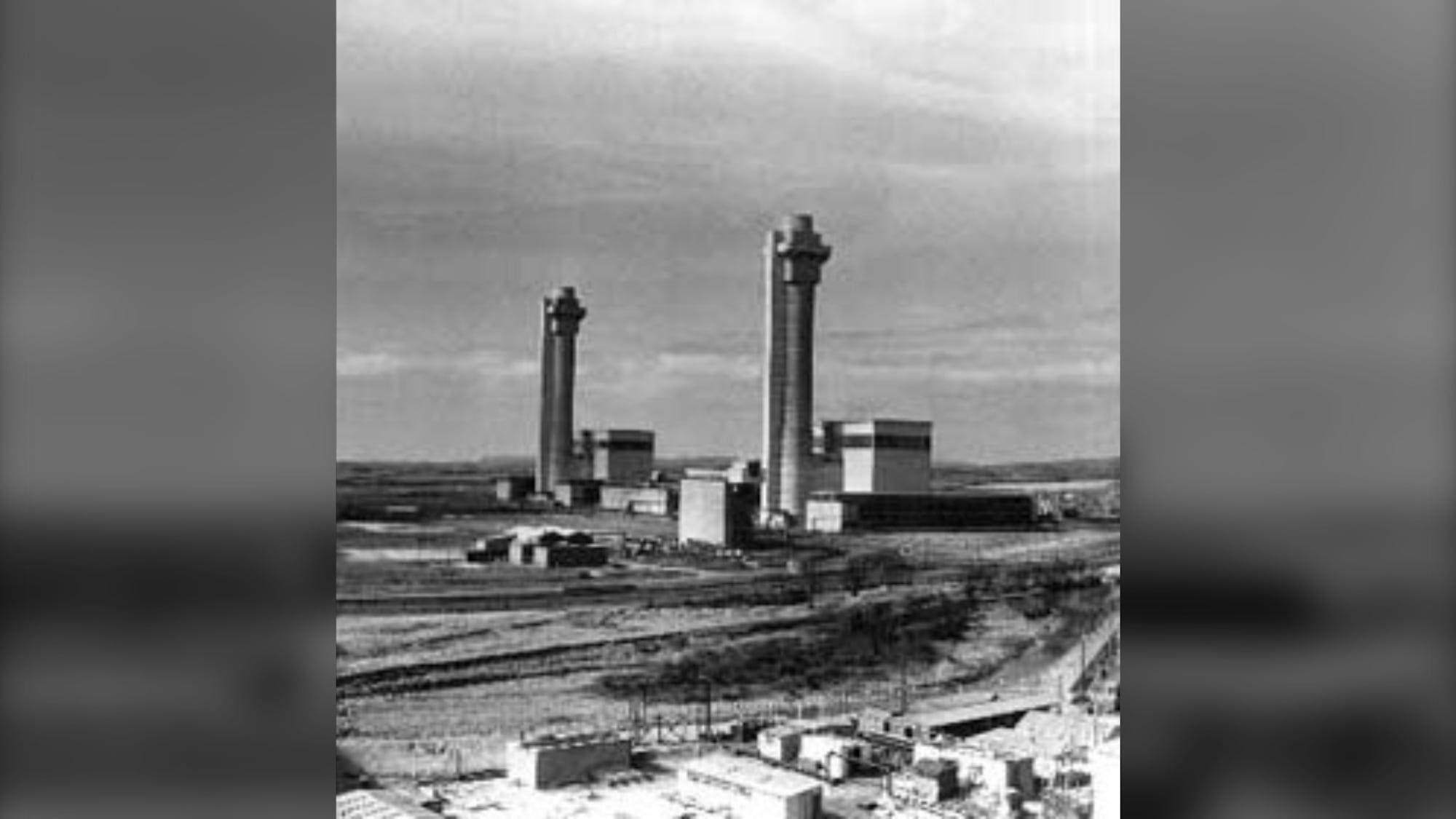
The facilities, known as Pile 1 and Pile 2, were air-cooled, graphite-moderated reactors. Unlike modern pressurized water reactors, these "piles" were massive blocks of graphite with horizontal channels through which uranium fuel and isotope cartridges were inserted. Cooling was achieved by blowing massive quantities of air through the core and out of 125-meter-high chimneys. This design, while functional for rapid plutonium production, lacked many of the redundant safety features and containment structures that became standard in later decades.
The primary technical challenge of these reactors was the Wigner Effect. This phenomenon involves the displacement of atoms in the graphite crystal lattice by neutron bombardment, which causes potential energy to be stored within the material. If this energy is allowed to build up unchecked, it can release spontaneously as a sudden, intense burst of heat. To prevent this, engineers performed a process called "annealing," which involved heating the core in a controlled manner to release the stored energy safely.
The 1957 Accident: Sequence of Events
The disaster began on October 7, 1957, during a routine annealing cycle on Pile 1. Operators noticed that the release of Wigner energy was not progressing across the entire core, and they attempted to boost the process by applying a second heating cycle. This decision proved fatal for the reactor's integrity.
The Onset of the Fire
On October 8, the second heating cycle caused an excessive rise in temperature. Unbeknownst to the operators, a fuel canister had likely burst, causing uranium and graphite to oxidize. Because the reactor’s instrumentation was positioned to monitor normal operations rather than the specific localized hotspots generated during annealing, the crew remained unaware of the fire for nearly two days.
By October 10, radioactivity monitors at the top of the discharge chimney indicated a significant release. Initially, staff suspected a simple burst cartridge, but visual inspection through an inspection plug revealed the horrifying reality: the front of the reactor core was glowing cherry-red.
Attempts at Containment
The firefighting efforts were unprecedented and dangerous. Operators first tried to cool the core using high-speed fans, but this only provided more oxygen to the fire, intensifying the blaze. They then considered using carbon dioxide, but the temperatures were so high that they feared a catastrophic chemical reaction.
Ultimately, the decision was made to use water—a move that carried the risk of a hydrogen explosion if the water reacted with the molten metal. On the morning of October 11, hoses were coupled to the top of the pile. After several hours of high-volume water injection, the fire was suppressed, and the core was finally brought to a cold state by October 12.
The Radioactive Release and Public Health Response
The Windscale fire released a cocktail of radioactive isotopes into the atmosphere, most notably Iodine-131, Cesium-137, and Polonium-210. Because the air-cooling system vented directly through the stack, the "filters" installed at the top (known as "Cockcroft's Follies" after Sir John Cockcroft, who insisted on them) were the only line of defense. While they captured a significant amount of particulate matter, they could not stop the radioactive gases.
The Milk Ban
The most immediate public health action was the suspension of milk distribution. Iodine-131 settles on grass, which is then consumed by cows and concentrated in their milk. If ingested by humans, especially children, it accumulates in the thyroid gland, significantly increasing the risk of thyroid cancer.
The ban eventually covered an area of approximately 200 square miles across West Cumberland and Lancashire. Millions of liters of milk were diluted and dumped into the Irish Sea. This remains one of the most proactive and effective large-scale radiological protection measures in British history.
Health Impact Studies
Determining the exact death toll from the Windscale accident is complex. Unlike the immediate casualties seen at Chernobyl, the impacts of Windscale were long-term and statistical. In the decades following the incident, various epidemiological studies have attempted to model the excess cancer deaths.
- A 1983 report by the National Radiological Protection Board (NRPB) estimated that the release may have caused roughly 30 additional deaths from thyroid cancer.
- Later analyses in the early 2000s, which accounted for the release of Polonium-210 (a detail suppressed in 1957), suggested that the total number of excess cancer deaths across the UK and Northern Europe could be closer to 240.
Political Aftermath and the "Macmillan Cover-up"
The political fallout was as intense as the radiological release. Prime Minister Harold Macmillan was deeply concerned that the accident would damage the UK’s reputation and, more importantly, jeopardize the burgeoning nuclear cooperation with the United States.
The official inquiry, led by Sir William Penney, was brutally honest about the technical failings and organizational errors. However, Macmillan ordered that the full report be suppressed. A sanitized version was released to the public, shifting much of the blame onto the reactor operators rather than the systemic pressures for plutonium production or the inherent flaws in the reactor design. It was not until 1988 that the full Penney Report was finally declassified, revealing the extent to which the government had managed the narrative to protect the "Special Relationship" with the US.
Comparison of Major Nuclear Events
To understand the scale of the Windscale accident, it is helpful to compare it with other global nuclear incidents.
| Event | Year | INES Level | Primary Cause | Main Isotope Released |
|---|---|---|---|---|
| Windscale Fire | 1957 | 5 | Wigner energy release/Fire | Iodine-131, Polonium-210 |
| Three Mile Island | 1979 | 5 | Partial meltdown (Mechanical/Human error) | Xenon-133, Iodine-131 (minimal) |
| Chernobyl | 1986 | 7 | Design flaw/Explosion during test | Cesium-137, Iodine-131, Strontium-90 |
| Fukushima Daiichi | 2011 | 7 | Natural disaster (Tsunami/Power loss) | Cesium-137, Iodine-131 |
The Legacy of Sellafield in 2026
By 2026, the Windscale site—now integrated into the larger Sellafield complex—has become a global center of excellence for nuclear decommissioning. The lessons learned from the 1957 fire have fundamentally shaped how the UK manages high-hazard legacies.
Decommissioning the Piles
The two Windscale piles remain some of the most challenging structures to decommission in the world. Pile 1 still contains a significant amount of damaged nuclear fuel and debris from the fire. As of 2026, the Nuclear Decommissioning Authority (NDA) has made significant strides in using robotic systems to map the interior of the core and begin the slow process of waste retrieval. The "Chimney" structures, long a symbol of the accident, have undergone staged demolition to reduce the seismic risk to the rest of the site.
Regulatory Evolution
The accident led to the creation of the Office for Nuclear Regulation (ONR) (and its predecessors). UK nuclear policy shifted from a culture of production at all costs to one of "safety cases" and rigorous independent oversight. Modern projects like Hinkley Point C and Sizewell C operate under a regulatory framework that was born from the ashes of the 1957 fire.
Frequently Asked Questions
Was anyone killed during the Windscale fire?
There were no immediate deaths caused by the fire or the firefighting efforts. The health impacts are measured in long-term increases in cancer rates across the population exposed to the radioactive plume, with estimates ranging from dozens to hundreds of statistical fatalities over several decades.
Why was the name changed from Windscale to Sellafield?
In 1981, British Nuclear Fuels Ltd (BNFL) rebranded the site as Sellafield. While officially stated as an organizational restructure, it is widely recognized as an attempt to distance the site from the negative connotations and "stigma" associated with the 1957 Windscale accident and subsequent smaller leaks in the 1970s.
Is the area around Sellafield safe to visit in 2026?
Yes. The Sellafield site is heavily monitored, and the surrounding Cumbrian countryside is safe for residents and tourists. Background radiation levels in the area are consistently within safe limits, though the site itself remains a high-security industrial facility undergoing complex cleanup operations.
What happened to Pile 2?
Following the fire in Pile 1, Pile 2 was also shut down immediately. Although it did not suffer a fire, the design was deemed inherently unsafe for continued operation given the new understanding of the Wigner effect and the risks of air-cooled graphite reactors. It is currently being decommissioned alongside its damaged twin.
How did the accident affect the US-UK relationship?
Contrary to Macmillan’s initial fears, the accident eventually led to closer ties. Once the UK demonstrated its transparency regarding the technical causes (privately to the US), it helped pave the way for the 1958 US-UK Mutual Defence Agreement, which allowed for the sharing of nuclear weapon designs and materials.
Recommendations for Further Action
For those interested in the technical or historical aspects of the UK’s nuclear legacy, several actions are recommended:
- Review Official Archives: The declassified Penney Report is available through the UK National Archives and provides the most accurate technical breakdown of the incident.
- Monitor NDA Progress: For updates on the current status of the cleanup as of 2026, the Nuclear Decommissioning Authority provides annual progress reports on the Windscale Pile decommissioning.
- Educational Resources: The Sellafield Story exhibition (where available) offers a comprehensive look at the site’s transition from a weapons factory to a decommissioning hub.
- Health Consultations: Individuals who lived in the Cumbria or Lancashire regions during the 1950s and have concerns about thyroid health should consult with medical professionals, as modern screenings can address long-term risks associated with historical isotope exposure.
Image Gallery