Does the Customer Pay the Life Insurance Premium? Understanding Your Obligations and Options
Yes, the customer—specifically the policy owner—is responsible for paying the life insurance premium to keep the policy in force. These payments are the consideration given to the insurance company in exchange for the promise to pay a...
Yes, the customer—specifically the policy owner—is responsible for paying the life insurance premium to keep the policy in force. These payments are the consideration given to the insurance company in exchange for the promise to pay a death benefit to beneficiaries upon the insured individual's passing.
Contents
Life insurance is a unilateral contract where the insurer is legally bound to pay the benefit as long as the policy owner fulfills the requirement of timely premium payments. In 2026, while payment methods have become almost entirely digital and automated, the underlying legal obligation remains with the individual or entity that owns the policy. Understanding the nuances of who pays, how they pay, and what happens when payments stop is critical for maintaining financial security.
The Distinction Between Policy Owner, Insured, and Payor
In most consumer life insurance arrangements, the person who applies for the policy (the customer) is the same person whose life is being covered (the insured) and the one who writes the check (the payor). However, these roles can be split among different parties, which is common in estate planning and business insurance.
The Policy Owner’s Responsibility
The policy owner holds the legal rights to the contract. This includes the right to name beneficiaries, borrow against cash value (in permanent policies), and cancel the policy. Crucially, the owner is the party legally responsible for ensuring premiums are paid. If a parent buys a policy on their adult child, the parent is the owner and the customer responsible for the premium, even though the child is the "insured."
Third-Party Payors
It is possible for a third party to pay the premium on behalf of the owner. For example, a corporation may pay the premiums for a "Key Person" policy, or a grandparent might fund a policy owned by a trust for a grandchild. Regardless of who physically sends the funds, the insurance company looks to the policy owner to satisfy the debt. If the third-party payor stops contributing, the policy owner must find alternative funds or the policy will lapse.
Standard Payment Structures and Frequencies
As of 2026, insurance carriers offer various "modes" of payment. The frequency with which a customer pays the premium can impact the total cost of the insurance over time. Most carriers allow for annual, semi-annual, quarterly, or monthly payments.
- Annual Payments: This is typically the most cost-effective method. Most insurers provide a discount for paying the full year upfront because it reduces administrative overhead and allows the company to invest the full amount sooner.
- Monthly Pre-Authorized Withdrawals: This is the most common method for modern customers. Funds are automatically deducted from a checking or savings account. While convenient, some companies apply a "modal loading" fee, which is essentially a small interest charge for splitting the annual premium into 12 installments.
- Single Premium: In specific types of permanent life insurance, a customer may pay one large lump sum at the beginning. This "Single Premium Life" (SPL) policy remains in force for the rest of the insured's life without further payments, though it may be classified as a Modified Endowment Contract (MEC) with specific tax implications.
What Happens if the Customer Stops Paying?
If a customer fails to pay the premium by the due date, the policy does not necessarily vanish immediately. State insurance regulations and contract law provide several safeguards, though they are temporary.
The Grace Period
Every life insurance policy includes a grace period, typically lasting 30 or 31 days. During this window, the coverage remains fully active even if the premium is overdue. If the insured person dies during the grace period, the insurer will still pay the death benefit, though they will subtract the overdue premium from the final payout.
Policy Lapse and Reinstatement
Once the grace period expires without payment, the policy "lapses." This means the contract is terminated, and the insurer no longer has an obligation to pay a death benefit. In 2026, most digital-first insurers send automated alerts via SMS, email, and mobile apps to prevent accidental lapses.
If a policy lapses, the customer can often apply for reinstatement. This process usually requires:
- Paying all back premiums plus interest.
- Providing "evidence of insurability," which may involve a new medical exam to prove the insured is still in good health.
- Completing the reinstatement within a specific timeframe, often three to five years from the lapse date.
Automatic Premium Loans (APL)
Many permanent life insurance policies (Whole Life or Universal Life) include an "Automatic Premium Loan" provision. If the premium is not paid by the end of the grace period, the insurance company will automatically take a loan against the policy's accumulated cash value to pay the premium. While this prevents a lapse, it creates a debt against the policy that accrues interest and reduces the eventual death benefit.
Exceptions: When the Customer Does Not Have to Pay
There are specific scenarios and policy riders where the customer is legally excused from paying premiums while maintaining full coverage.
Waiver of Premium Rider
This is one of the most common additions to a life insurance contract. If the insured person becomes "totally disabled" (as defined by the policy) and is unable to work for a period usually exceeding six months, the insurance company waives all future premiums. The policy stays active, and the cash value continues to grow as if the customer were still making payments. This protection remains in place until the disability ends or, in some cases, until the insured reaches age 65.
"Paid-Up" Status
In permanent life insurance, a policy can become "paid-up" through several mechanisms:
- Dividends: In participating whole life policies, the customer may choose to use annual dividends to "purchase" paid-up additions. Over decades, these additions can eventually cover the cost of the base premium.
- Reduced Paid-Up Insurance: If a customer can no longer afford premiums but has significant cash value, they can opt for a "reduced paid-up" non-forfeiture option. The insurer uses the existing cash value to buy a smaller death benefit that requires no further premiums for life.
Comparison of Payment Methods and Impact (2026 Standard)
| Payment Mode | Typical Frequency | Cost Impact | Best For |
|---|---|---|---|
| Annual | Once per year | Lowest total cost; often 5-8% cheaper. | Customers with high liquidity and budgeting discipline. |
| Monthly (EFT) | 12 times per year | Moderate; may include small modal fees. | Salaried employees matching payments to paychecks. |
| Single Premium | Once, at inception | Highest upfront; no future payments. | Estate planning and high-net-worth wealth transfer. |
| Automatic Premium Loan | Only upon missed payment | Accrues interest; reduces death benefit. | Emergency protection against accidental lapse. |
| Waiver of Premium | During total disability | No cost to customer during disability. | Protection against loss of income due to injury/illness. |
Factors Influencing the Premium Amount in 2026
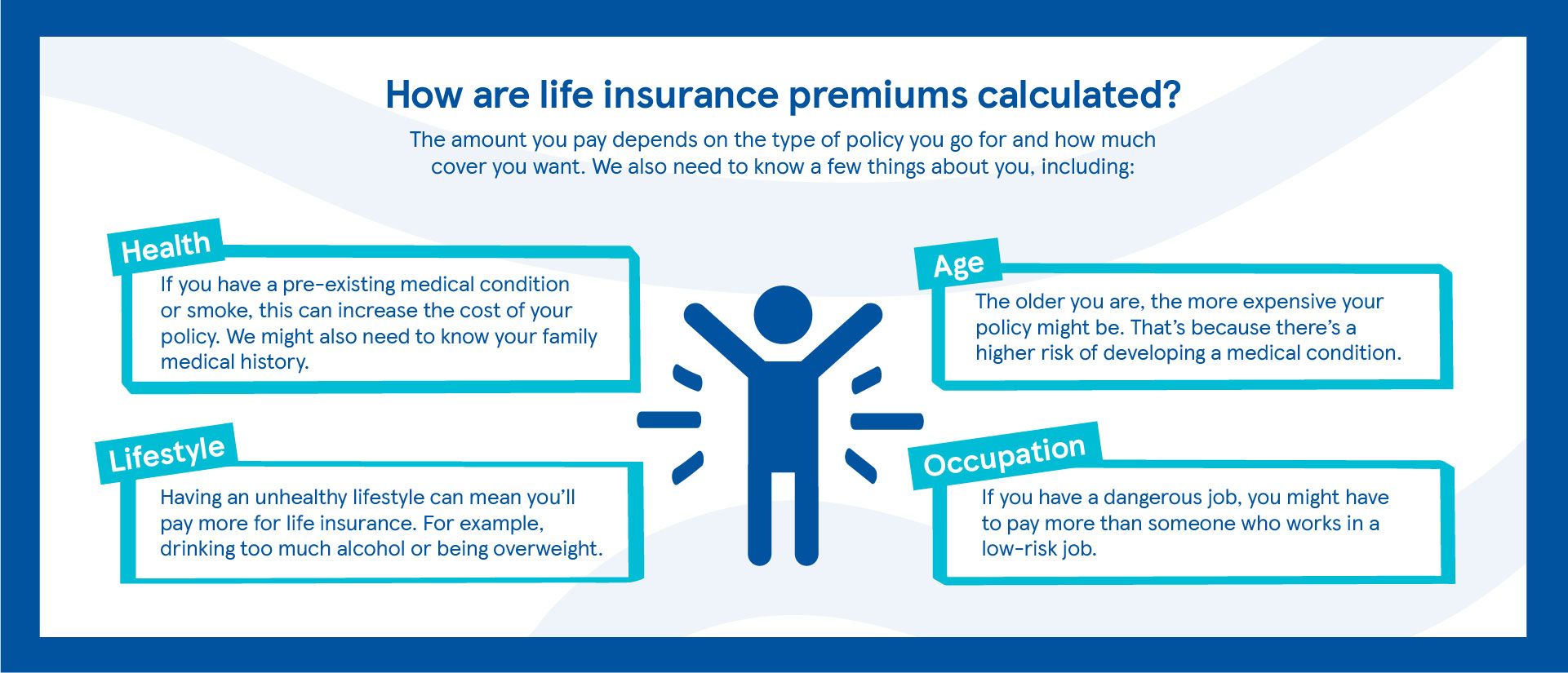
The amount a customer pays is determined during the underwriting process. In 2026, this process has become highly sophisticated, using a combination of traditional medical data and "accelerated underwriting" algorithms.
- Age and Gender: Statistically, younger individuals and females have longer life expectancies, leading to lower premiums.
- Health History: Chronic conditions like diabetes, heart disease, or high blood pressure increase the risk to the insurer.
- Lifestyle Factors: Smoking, vaping, and high-risk hobbies (like scuba diving or private aviation) significantly increase premium costs.
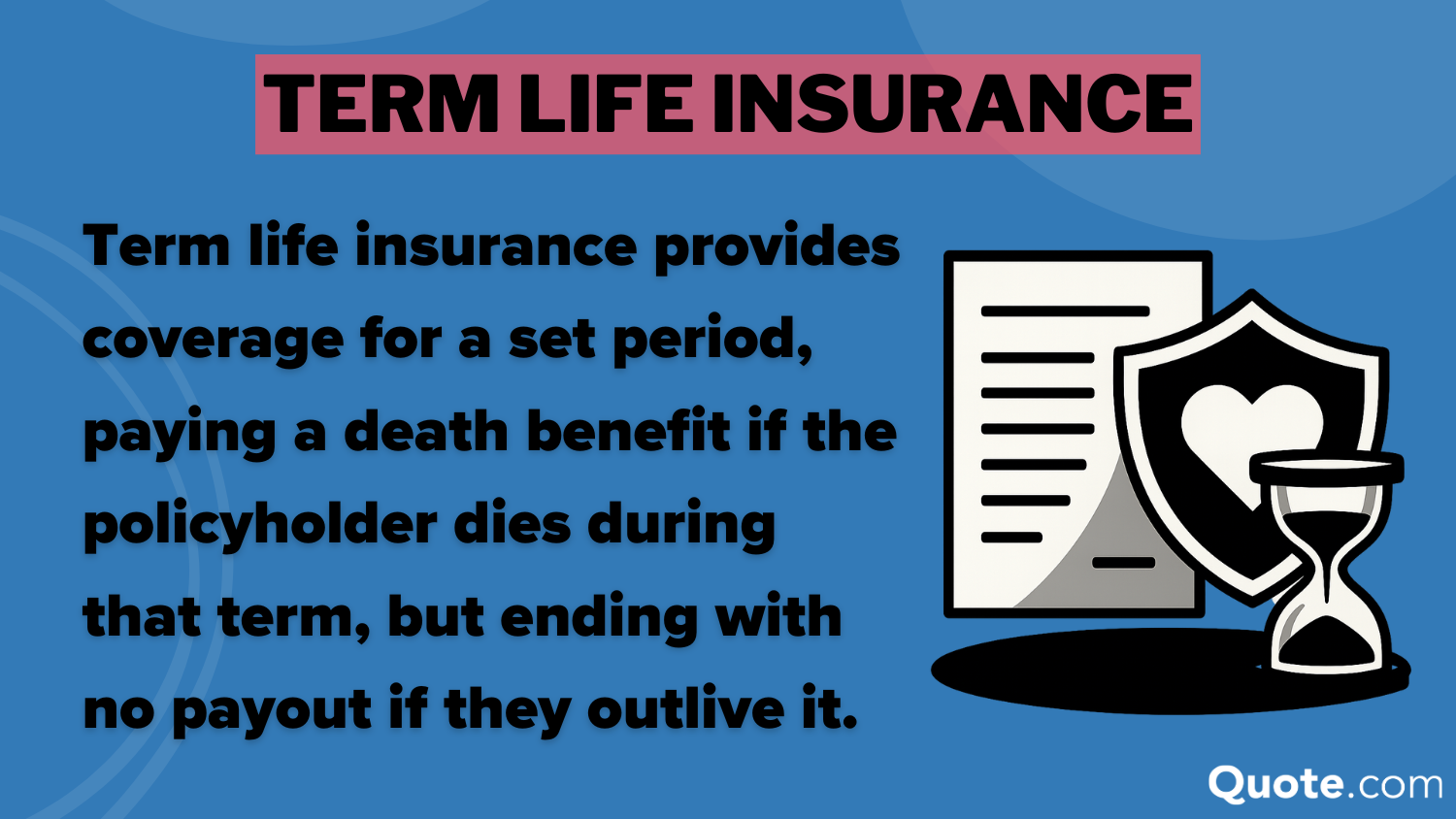
- Policy Type: Term life insurance is the least expensive because it only covers a specific period (e.g., 20 years). Permanent life insurance is more expensive because it is guaranteed to pay out eventually and includes a savings component.
- Death Benefit Amount: Naturally, a $1 million policy will require a higher premium than a $100,000 policy.
Tax Implications of Premium Payments
It is a common misconception that life insurance premiums are tax-deductible for individuals. Under current 2026 tax codes (consistent with historical IRS standards), life insurance premiums are considered a personal expense and are not deductible for individual taxpayers.
However, there are corporate exceptions. If a business pays premiums for insurance that benefits its employees (as part of a group plan), those premiums may be deductible as a business expense. Conversely, the death benefit of a life insurance policy is generally received by beneficiaries tax-free, which is the primary tax advantage of the arrangement.
Frequently Asked Questions
Can someone else pay my life insurance premium?
Yes. Anyone can physically pay the premium (a spouse, a child, or a business partner), but the legal obligation to ensure the policy stays active remains with the policy owner. Most insurance companies accept payments from third parties as long as the policy number is correctly identified.
What happens to my premiums if I cancel the policy?
If you have Term Life Insurance, the premiums are gone; they paid for the "protection" you received while the policy was active. If you have Permanent Life Insurance (like Whole Life), a portion of your premiums went into a cash value account. Upon cancellation (surrender), you will receive the "cash surrender value," which is the accumulated savings minus any fees or loans.
Can the insurance company increase my premium after I buy the policy?
This depends on the policy type. In a Level Term or Whole Life policy, the premiums are guaranteed to remain the same for the life of the policy. In Universal Life or Variable Universal Life policies, premiums can fluctuate based on interest rates, market performance, or the internal cost of insurance, meaning the customer might need to pay more in later years to keep the policy active.
Is there a "waiting period" after I pay my first premium?
Generally, no. Once the first premium is paid and the policy is "delivered" and accepted, coverage begins immediately. However, most policies have a two-year "contestability period" during which the insurer can investigate claims for fraud or material misrepresentation on the application.
Professional Advice Limitation
This article provides general information regarding life insurance premiums and should not be construed as legal, financial, or tax advice. Laws and regulations regarding insurance vary significantly by jurisdiction (such as by state in the U.S. or by country). Customers should consult with a licensed insurance agent or a qualified financial advisor before making decisions about life insurance contracts.
Summary and Next Steps
The customer is the primary driver of the life insurance contract through the payment of premiums. To ensure your coverage remains secure in 2026, consider the following actions:
- Audit your payment mode: Switch to annual payments if you have the liquidity, as this can save you significant money over the life of the policy.
- Set up redundancy: Ensure your policy is linked to a secondary notification method (like a secondary email or a spouse’s phone) to avoid missing a payment due to a changed bank account or expired credit card.
- Review "Waiver of Premium": Check if your current policy includes this rider; if not, ask your agent if it can be added to protect you in the event of disability.
- Monitor Cash Value: If you own a permanent policy, review your annual statement to see if your cash value is sufficient to cover premiums through an Automatic Premium Loan should you face a temporary financial hardship.
Image Gallery