How to Cancel Auto Insurance After a Total Loss
When your vehicle is declared a total loss by your insurance carrier, your immediate focus often shifts to the claims settlement process and securing transportation. However, taking the necessary steps to cancel or adjust your auto ins...
When your vehicle is declared a total loss by your insurance carrier, your immediate focus often shifts to the claims settlement process and securing transportation. However, taking the necessary steps to cancel or adjust your auto insurance policy is a critical final task to prevent unnecessary premium payments and ensure your financial records are accurate. While the process is generally straightforward, it requires coordination between your claims adjuster, your insurance agent, and the state department of motor vehicles to ensure you remain legally compliant and financially protected.
Contents
Understanding the Total Loss Declaration
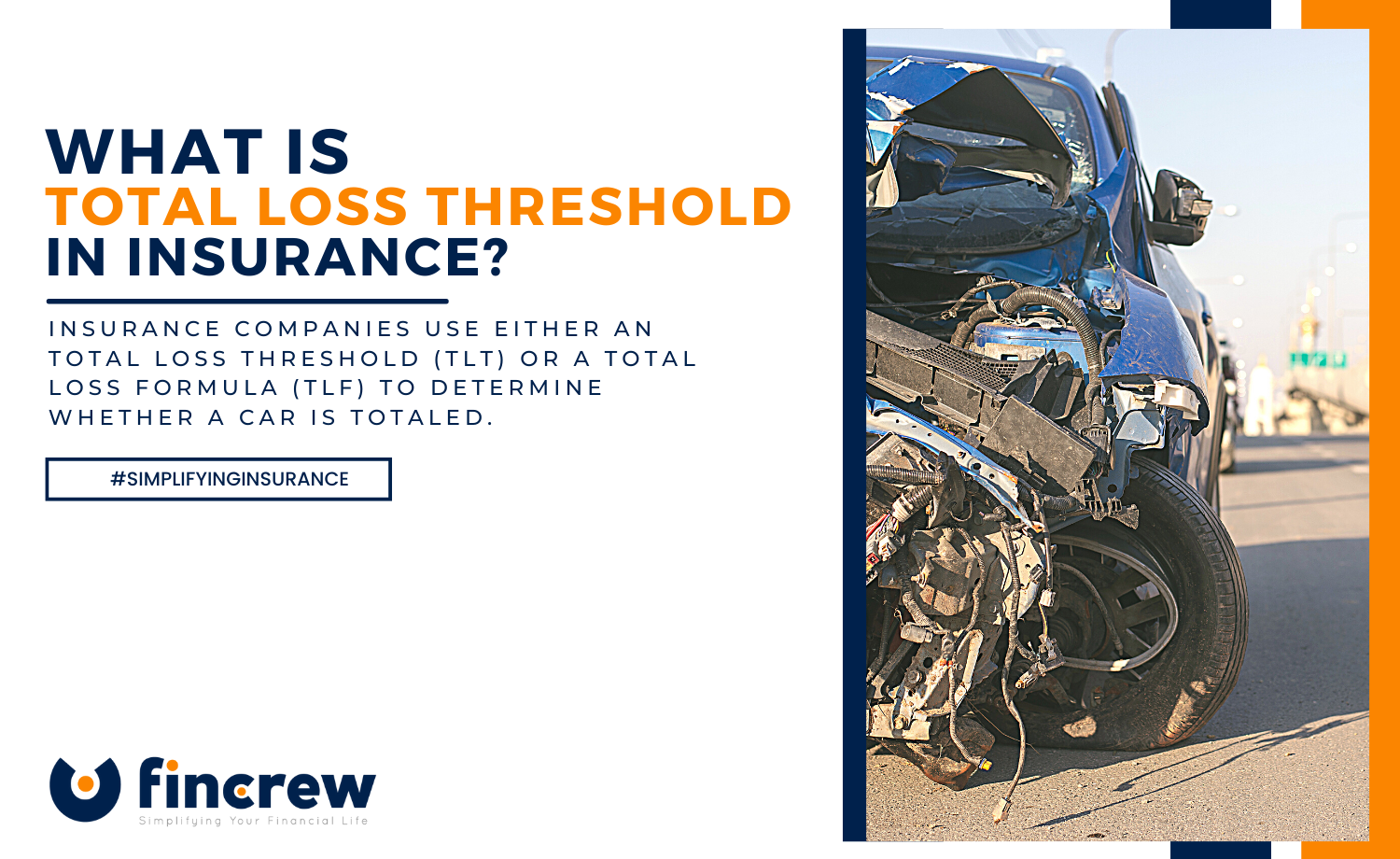
A "total loss" is an insurance designation assigned when the cost to repair a vehicle exceeds a specific percentage of its actual cash value (ACV), or when the damage is so severe that the vehicle is deemed unsafe for the road. Once the insurer confirms the vehicle is a total loss, the ownership of the salvage typically transfers to the insurance company upon the settlement payment.
It is a common misconception that the insurance policy terminates automatically the moment an accident occurs. In reality, the policy remains active until you formally request a cancellation or modification. If you have already replaced the vehicle, you may be transitioning the policy rather than cancelling it entirely. If you are not replacing the vehicle immediately, you must act to avoid paying for coverage on a vehicle that no longer exists in your possession.
Prerequisites for Policy Cancellation
Before initiating the cancellation, ensure you have gathered the following documentation to expedite the process:
- Claim Number: Your insurance provider will need this to cross-reference the settlement status with your policy records.
- Date of Loss: This is the specific date the accident occurred, which often serves as the effective date for premium prorations.
- Proof of Settlement: A letter or statement from your insurer confirming that the claim is closed and the salvage has been transferred.
- License Plate Surrender Receipt: If you are not replacing the car, many states require you to surrender your plates to the Department of Motor Vehicles (DMV) to avoid fines for maintaining "lapsed" insurance on a registered vehicle.
- New Vehicle Information (if applicable): If you are keeping the same policy but switching the covered vehicle, have your new VIN (Vehicle Identification Number) ready.
Step-by-Step Guide to Canceling or Adjusting Your Policy
Once your claims process is finalized, follow these steps to conclude your insurance obligations.
1. Confirm the Claim is Closed
Do not attempt to cancel your policy while the claim is still in the "active" or "pending" status. The insurer needs the policy to remain active to process the total loss payout. Wait until you have received the settlement funds and the insurance company has taken title to the vehicle.
2. Decide Between Cancellation and Replacement
If you are buying a replacement vehicle, you should contact your agent to replace the totaled vehicle on your existing policy. This is usually more cost-effective than cancelling your policy and starting a new one, as you may maintain your continuous coverage history, which is a factor in calculating future premiums.
3. Formalize the Cancellation
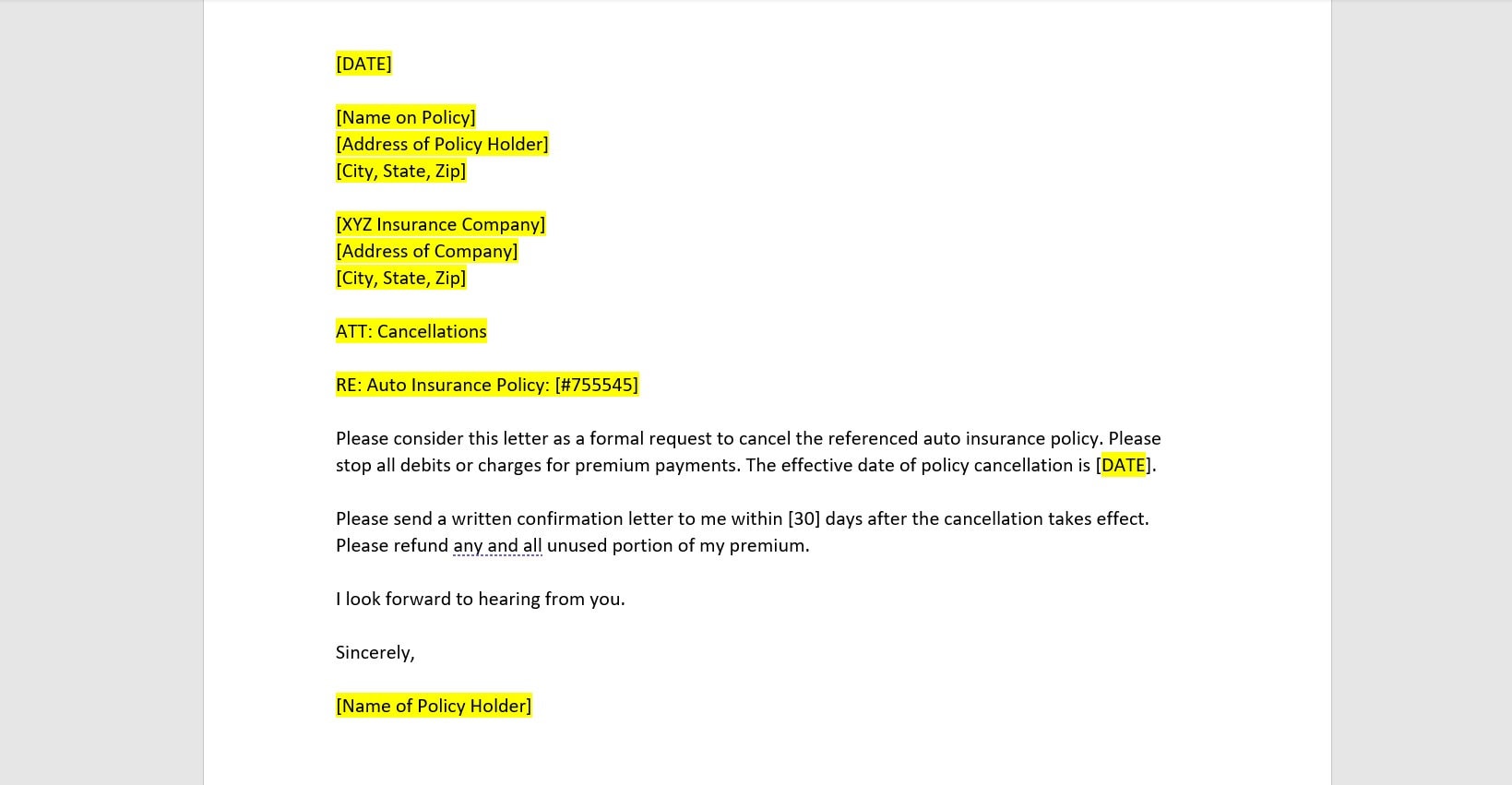
If you do not plan to own another vehicle, contact your insurance agent or the company's customer service department directly. Request a "cancellation due to total loss." Provide the date the vehicle was removed from your possession. Ask for a written confirmation or an email reflecting the effective date of the cancellation.
4. Address Unused Premiums
Most auto insurance policies are prepaid. If you pay your premiums on a six-month or annual basis, you are entitled to a prorated refund for the time remaining on the policy. Ensure you verify the amount the company intends to refund to confirm it matches the time remaining after your date of loss.
5. Notify the DMV
This is the most frequently overlooked step. If you cancel your insurance before the state is notified that the vehicle is off the road, the DMV may trigger an automatic fine for an insurance lapse. Once the insurance is cancelled, surrender your plates to the state, and verify if you need to submit a specific "Notice of Transfer or Release of Liability."
Comparison of Actions After a Total Loss
| Action Type | Objective | When to Use |
|---|---|---|
| Policy Modification | Substitute old vehicle with new vehicle | When buying a replacement car immediately. |
| Full Cancellation | Close the account entirely | When you no longer own a vehicle. |
| Temporary Suspension | Hold coverage without cancelling | When you have a gap between cars (if allowed). |
| Policy Assignment | Transfer coverage to another driver | Rarely used, usually requires a new policy. |
Financial Considerations and Potential Pitfalls
When you cancel your policy, be aware of the "short-rate" vs. "pro-rata" cancellation methods. Most standard insurers use pro-rata, meaning you are refunded exactly for the time remaining. However, some policies—particularly those with specific state variations—may charge a small administrative cancellation fee.
Furthermore, if you had a loan on the vehicle, the "Gap Insurance" (if you carried it) would have paid the difference between the ACV and your loan balance. Ensure that the total loss settlement has been fully processed by your lienholder before cancelling the policy, as you may need that coverage active during the final settlement reconciliation between the insurer and the bank.
Frequently Asked Questions
Will my insurance rates increase if I cancel my policy after a total loss? Not necessarily. While the accident itself may be recorded as a claim, the act of cancelling your policy due to a total loss is a standard administrative procedure. However, if the total loss was caused by an at-fault accident, your future premiums could rise regardless of whether you keep or cancel the current policy.
Do I need to return my insurance card? No, you do not need to mail back paper insurance cards. Once the policy is cancelled in the system, the digital records will reflect the status. Shredding your old cards is recommended to protect your personal information.
What happens if I forget to cancel my policy? The company will continue to charge premiums until you officially request cancellation. While you can sometimes request a backdated cancellation upon providing proof of the total loss date, it is much more efficient to handle it immediately to avoid unnecessary billing and administrative headaches.
Can I switch to a different insurance company after a total loss? Yes. You are free to shop for a new provider when you purchase a replacement vehicle. Just ensure that the new policy begins the same day the old one ends to avoid a "lapse in coverage," which can lead to higher rates in the future.
Do I need to inform my lender before cancelling? If the vehicle was financed or leased, your lender is likely listed as a loss payee on your policy. They will be notified automatically of the settlement. However, it is good practice to ensure your account is paid in full before cancelling the policy, as they will have already been made whole by the insurance payout.
Next Actions
Your first priority is to secure a letter of settlement from your insurance adjuster. Once you have this in hand, contact your agent to process the cancellation or substitution. If you are not replacing the vehicle, proceed directly to your local DMV office to surrender your license plates and officially de-register the vehicle. Keeping your records updated is the best way to avoid accidental fines and ensure a clean transition to your next vehicle purchase.
Image Gallery