Why Car Prices Rise with Tariffs: A Comprehensive Guide for 2026 Buyers
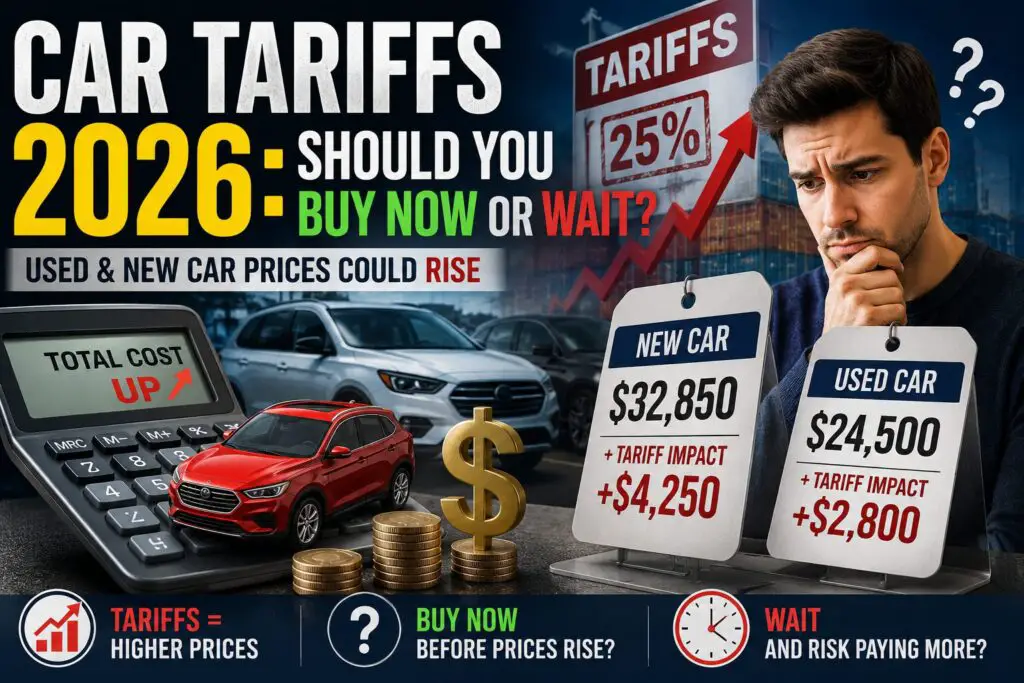
Car prices rise with tariffs because these import taxes increase the cost of doing business for manufacturers, who then pass those expenses to consumers through higher Manufacturer’s Suggested Retail Prices (MSRP). Beyond finished vehi...
Car prices rise with tariffs because these import taxes increase the cost of doing business for manufacturers, who then pass those expenses to consumers through higher Manufacturer’s Suggested Retail Prices (MSRP). Beyond finished vehicles, tariffs on raw materials like steel and aluminum, and critical components like EV batteries, drive up production costs for even domestically assembled cars.
Contents
As we navigate the automotive landscape in 2026, the relationship between international trade policy and the sticker price of your next vehicle has never been more critical. Whether you are looking at a fuel-efficient internal combustion engine (ICE) vehicle or a cutting-edge electric vehicle (EV), understanding the mechanics of tariffs is essential for any informed consumer. Tariffs are no longer just abstract economic tools; they are direct contributors to the volatility seen in modern automotive showrooms.
Understanding the Mechanics: What Are Tariffs?
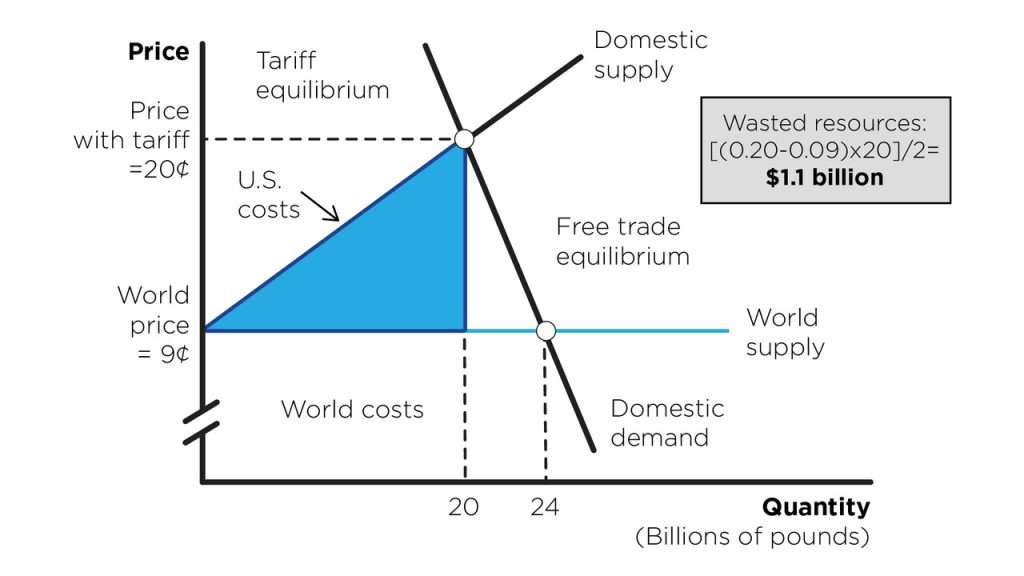
A tariff is a tax imposed by a government on goods imported from other countries. In the automotive sector, these are typically "ad valorem" taxes, meaning they are calculated as a percentage of the value of the imported product. When a vehicle crosses a border, the importing company must pay this duty to the customs authority of the destination country.
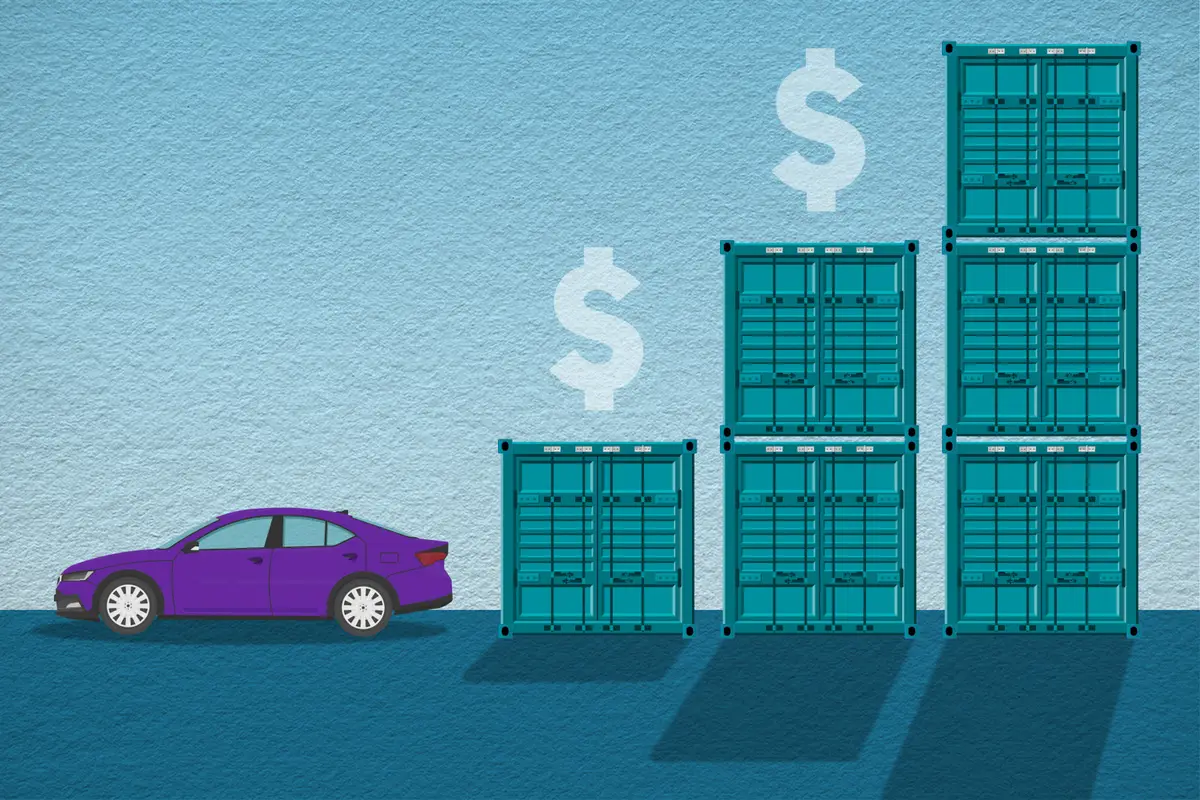
While governments often implement tariffs to protect domestic industries from foreign competition or to address trade imbalances, the immediate effect is an increase in the "landed cost" of the product. For an automaker, a 25% tariff on a $30,000 imported SUV adds $7,500 to the base cost before the vehicle even reaches a dealership lot. Because profit margins in the automotive industry are notoriously thin—often ranging between 5% and 10% for mass-market brands—manufacturers cannot afford to absorb these costs. Consequently, the burden is shifted to the buyer.
Direct Impact on Imported Finished Vehicles
The most visible way tariffs affect car prices is through the taxation of completely built units (CBUs). When a consumer chooses a vehicle manufactured entirely abroad, the tariff is applied to the full value of the car.
In 2026, trade regionalization has created a tiered pricing structure based on country of origin. For example, vehicles imported from regions with free trade agreements (like those under the USMCA) may enter duty-free, while vehicles from "non-favored" nations may face significant barriers.
The Price "Umbrella" Effect
One might assume that tariffs only affect imported cars, leaving domestic car prices stable. However, economists observe a phenomenon known as the "pricing umbrella." When the price of imported vehicles rises due to tariffs, domestic manufacturers often take the opportunity to raise their own prices. Since their foreign competitors are now more expensive, domestic brands can increase their margins without fearing they will be significantly undercut. This results in a general upward trend in prices across the entire market, regardless of where the cars are bolted together.
The Hidden Cost: Tariffs on Raw Materials and Components
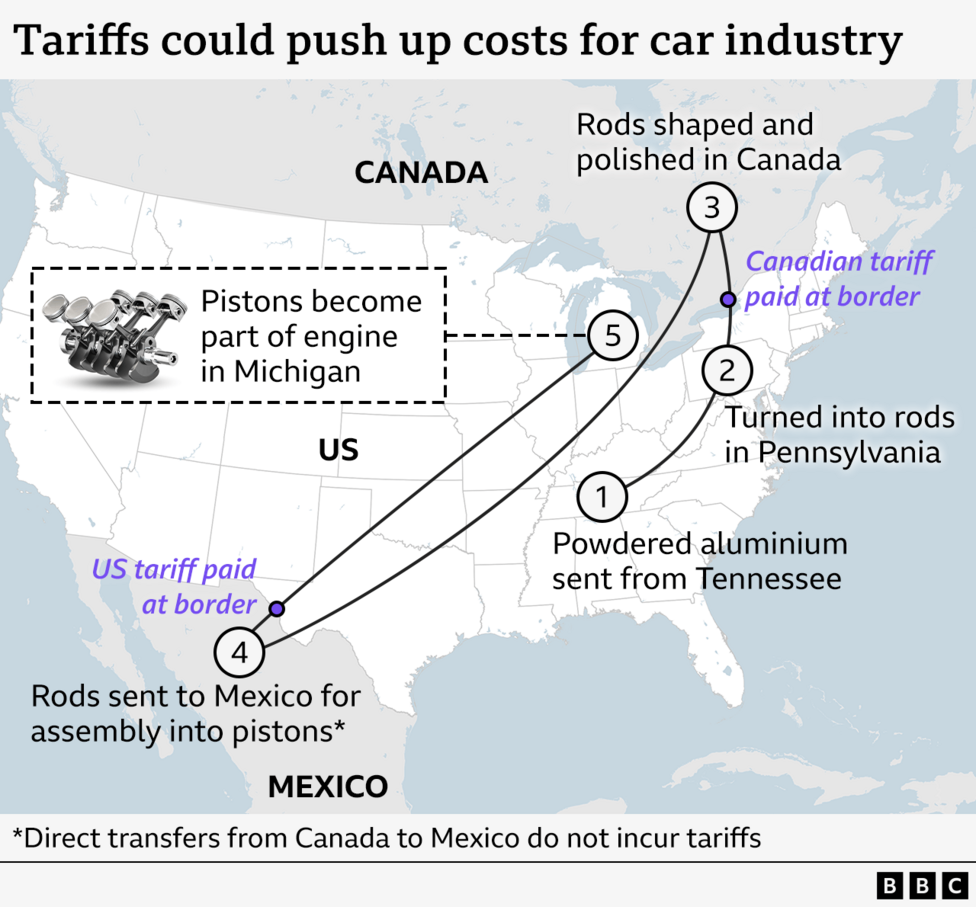
Many consumers are surprised to learn that a car labeled "Made in the USA" or "Made in Europe" can still see its price skyrocket due to tariffs. Modern vehicles are comprised of approximately 30,000 individual parts sourced from a global supply chain.
Steel and Aluminum Duties
Steel and aluminum are the primary materials used in vehicle frames, engines, and body panels. When governments impose "Section 232" style tariffs—often cited for national security reasons—on these metals, the cost of every bracket, bolt, and panel increases. Even if an automaker buys steel from a domestic mill, that domestic mill often raises its prices to match the now-higher price of imported steel, a concept known as "shadow pricing."
Semiconductors and Electronics
In 2026, the average vehicle is essentially a computer on wheels. The semiconductors required for advanced driver assistance systems (ADAS), infotainment, and engine management are frequently subject to trade disputes. If the logic chips or sensors are manufactured in a region facing high tariffs, the cost of the vehicle’s electronic architecture can rise by hundreds or thousands of dollars.
The Role of Electric Vehicles (EVs) and Battery Tariffs
The transition to electric mobility has added a new layer of complexity to the tariff discussion. The most expensive component of an EV is the battery pack, which typically accounts for 30% to 40% of the total vehicle cost.
Battery Cells and Critical Minerals
Most battery production relies on minerals like lithium, cobalt, nickel, and graphite. In 2026, many nations have implemented strict "Foreign Entity of Concern" (FEOC) rules. If a battery uses minerals processed in a restricted country, the vehicle may not only face high tariffs but also lose eligibility for consumer tax credits.
When a 25% or 100% tariff is applied specifically to EV batteries or the minerals within them, the price of an EV can jump significantly. For a $45,000 electric sedan, a tariff-induced increase in battery costs could easily add $3,000 to $5,000 to the MSRP. This makes the goal of "EV price parity" with gas vehicles much harder to achieve for manufacturers relying on global mineral processing hubs.
Economic Ripple Effects: Beyond the Sticker Price
The impact of tariffs extends beyond the initial purchase price. When the MSRP of a new car rises, it triggers a chain reaction throughout the economy:
- Increased Financing Costs: Since most buyers finance their vehicles, a higher purchase price means a larger loan. In the current 2026 interest rate environment, a $2,000 tariff-related price increase can result in hundreds of dollars in additional interest payments over the life of a five-year loan.
- Higher Insurance Premiums: Insurance companies base their premiums on the replacement value of the vehicle. If tariffs drive up the cost of new cars (and the parts needed to repair them), insurance providers adjust their rates upward to cover the increased liability.
- Used Car Market Inflation: There is a direct correlation between new and used car prices. When new cars become unaffordable due to tariffs, demand shifts to the used market. This increased demand for a limited supply of pre-owned vehicles drives up their prices, making transportation more expensive even for those not buying new.
Comparison of Price Impacts by Vehicle Type (2026 Estimates)
The following table illustrates how different tariff scenarios might impact the final consumer price of various vehicle segments.
| Vehicle Category | Average MSRP (Pre-Tariff) | Estimated Tariff Impact (25% on Imports) | Estimated Price Increase (Component Costs) | Total Potential Price Rise |
|---|---|---|---|---|
| Imported Luxury Sedan | $65,000 | $16,250 | $1,200 | $17,450 |
| Domestic Pickup Truck | $55,000 | $0 | $3,500 (Steel/Alum) | $3,500 |
| Imported Mass-Market EV | $42,000 | $10,500 | $2,000 (Battery Tech) | $12,500 |
| Domestic Compact Car | $28,000 | $0 | $800 | $800 |
Note: These figures are illustrative and based on a 25% hypothetical tariff rate often discussed in trade negotiations.
Retaliatory Tariffs: The Export-Import Cycle
Trade wars are rarely one-sided. When Country A imposes tariffs on Country B’s cars, Country B often retaliates by imposing its own tariffs. This creates a "lose-lose" scenario for global automakers. For instance, a European manufacturer might find it too expensive to import cars into North America, while simultaneously finding that their North American-built SUVs are too expensive to export back to Europe.
This volatility forces manufacturers to constantly "re-shore" or "near-shore" their production. While this can create domestic jobs in the long run, the short-term cost of building new factories and reconfiguring supply chains is immense. These capital expenditures are eventually recouped through—you guessed it—higher vehicle prices for the end consumer.
Frequently Asked Questions
Do tariffs affect the cost of car repairs?
Yes. Tariffs are applied to replacement parts (fenders, bumpers, mechanical components) just as they are to the cars themselves. If your vehicle requires an imported part for a repair, the tariff on that component will likely be included in the bill from the mechanic or dealership. According to the Auto Care Association, trade barriers on aftermarket parts significantly increase the average annual cost of vehicle ownership.
Can a "Made in USA" car be affected by tariffs?
Absolutely. Most "domestic" vehicles contain 20% to 50% foreign-sourced parts. Even if the final assembly happens in the United States, the tariffs on imported transmissions, electronics, or specialized plastics will increase the manufacturer's total production cost, leading to a higher MSRP.
Why don't car companies just absorb the tariff costs?
The automotive industry operates on relatively low profit margins per unit. A 10% or 25% tariff often exceeds the entire profit margin for a specific model. If a company absorbed the cost, they would lose money on every car sold, which is unsustainable for shareholders and long-term operations.
How long does it take for a new tariff to hit the showroom floor?
Generally, there is a delay of three to six months. Manufacturers often have "inventory on the ground" or at sea that was imported before the tariff took effect. Once that pre-tariff inventory is sold, the new pricing reflecting the duties is applied to the next shipment of vehicles.
Do tariffs help the environment by promoting local production?
The impact is mixed. While tariffs can encourage local battery production, they often make EVs more expensive in the short term. According to the International Energy Agency (IEA), higher costs for green technology can slow down the adoption rate of zero-emission vehicles, potentially delaying climate goals.
Practical Recommendations for 2026 Car Buyers
Navigating a high-tariff environment requires strategic planning. If you are in the market for a vehicle, consider the following actions:
- Check the Monroney Sticker: Look at the "Parts Content" section on the window sticker of any new car. Vehicles with higher percentages of domestic content are generally more insulated from sudden trade-related price spikes.
- Monitor Trade News: Tariff changes are usually announced months in advance. If you see trade tensions rising between your country and the manufacturing hub of your preferred brand, it may be wise to purchase before the new duties are implemented.
- Consider Certified Pre-Owned (CPO): CPO vehicles offer a middle ground. While used car prices do rise with tariffs, the impact is less immediate than it is for brand-new imports sitting at the port.
- Verify Incentive Eligibility: In 2026, many EV incentives are tied to "sourcing requirements." Ensure that the vehicle you are buying isn't just tariff-free, but also qualifies for local tax credits, which can offset some of the general market inflation.
By understanding that tariffs are a tax on the supply chain rather than just the final product, you can better anticipate market shifts and make a more financially sound decision for your next automotive purchase.
Image Gallery