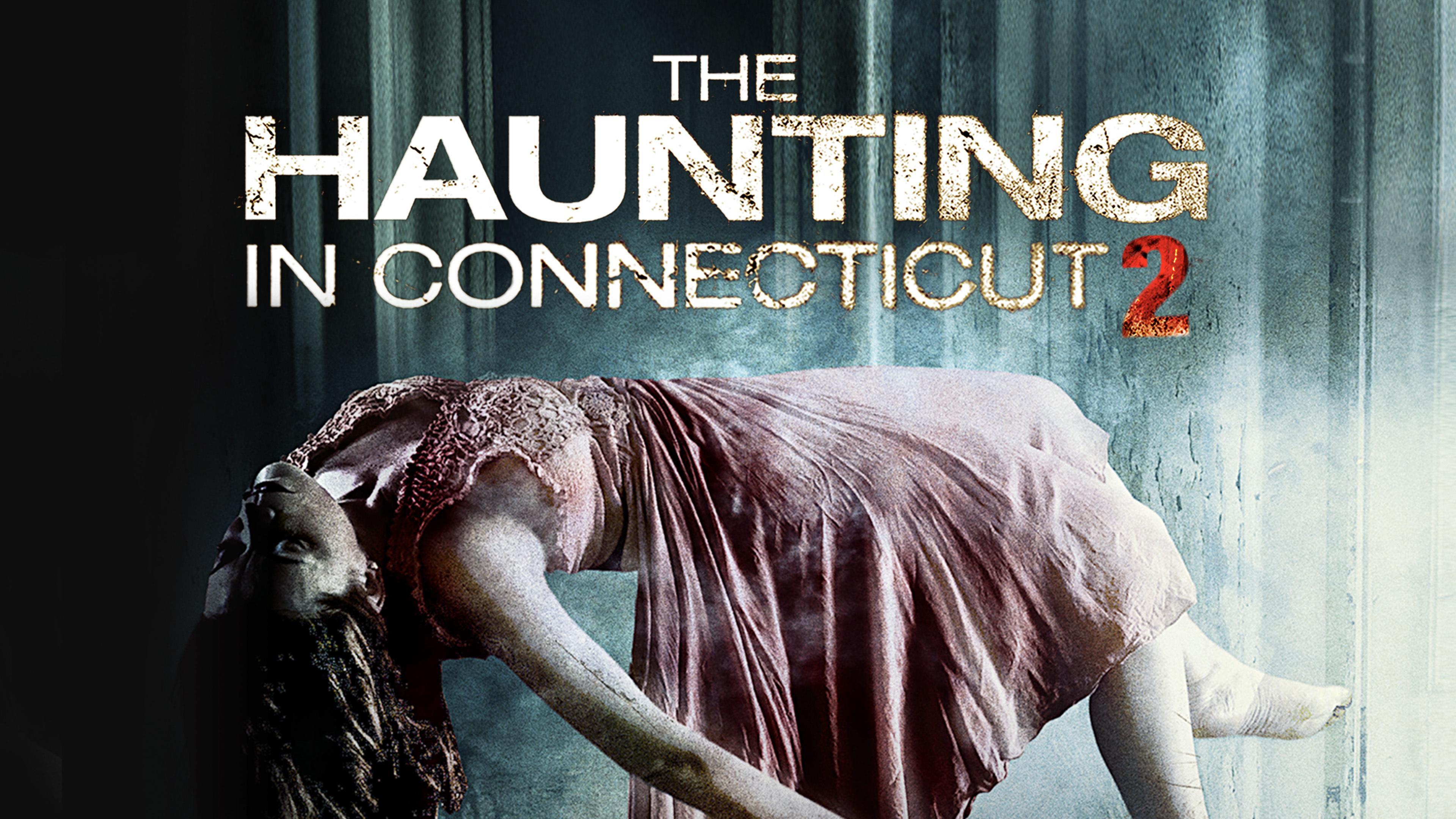
The Haunting in Connecticut Real Family: Distinguishing Fact from Cinematic Folklore
The Snedeker family, who moved into a former funeral home in Southington, Connecticut, in 1986, serves as the real-life inspiration for the media franchise known as "The Haunting in Connecticut." While the 2009 film and subsequent tele...
The Snedeker family, who moved into a former funeral home in Southington, Connecticut, in 1986, serves as the real-life inspiration for the media franchise known as "The Haunting in Connecticut." While the 2009 film and subsequent television dramatizations utilize the family's accounts of paranormal activity to create horror narratives, the documented reality of the case remains a subject of intense debate between paranormal researchers and skeptics.
Contents
Historical Context of the Snedeker Case
In 1986, Carmen and Al Snedeker, along with their children, relocated to Southington, Connecticut, to be closer to the University of Connecticut Health Center, where their son Philip was receiving treatment for Hodgkin’s lymphoma. To manage the financial strain of medical bills, the family rented a property that had previously served as the Hallahan Funeral Home.
Shortly after moving in, the family reported a series of disturbing occurrences, ranging from the discovery of embalming equipment in the basement to what they described as violent paranormal manifestations. These reports included claims of apparitions, physical assaults, and voices. The family eventually sought the assistance of Ed and Lorraine Warren, two self-proclaimed demonologists who had gained notoriety for their involvement in the Amityville Horror case. The Warrens characterized the home as being under the influence of malevolent entities, claiming that the former morticians had engaged in necromancy.
Analyzing the Narrative Discrepancy
The gap between the Snedeker family's claims and the public’s perception of the event is largely bridged by sensationalized media. Ray Garton, the author hired to write the 1992 book In a Dark Place: The Story of a True Haunting, which chronicled the Snedeker experience, later expressed significant reservations about the veracity of the accounts provided to him.
Garton stated that he was pressured by the Warrens and the Snedeker family to create a cohesive narrative from what he described as inconsistent and contradictory testimonies. In interviews conducted years after the book's publication, Garton noted that the family struggled to keep their stories straight, and he was often forced to "fill in the gaps" to ensure the manuscript was marketable. This admission highlights a recurring issue in the genre of "true" paranormal literature: the transformation of subjective, trauma-induced, or misinterpreted experiences into structured commercial horror.
Technical and Investigative Challenges
When evaluating the validity of paranormal claims, investigators look for material evidence, environmental factors, and historical documentation. The Snedeker case is frequently cited by skeptics as a product of environmental stressors rather than supernatural intervention.
- Environmental Factors: The property was a former funeral home. Such locations are often subject to poor ventilation, the presence of residual chemical agents used in embalming (such as formaldehyde or glutaraldehyde), and underlying structural issues that can produce infrasound. Infrasound—low-frequency sound waves below the threshold of human hearing—has been clinically shown to cause feelings of anxiety, dread, and even visual hallucinations in some individuals.
- Medical Stressors: The Snedeker family was navigating a high-stress medical crisis involving a child's cancer diagnosis. Chronic stress, sleep deprivation, and the physiological impact of a toxic or poorly maintained living environment can create a psychological state conducive to perceiving anomalous events.
- The Role of Demonologists: The involvement of the Warrens introduced an interpretive framework that categorized every strange occurrence as demonic. This framing removes the possibility of mundane explanations, such as carbon monoxide leaks, structural settling, or localized electrical malfunctions, and instead pivots toward a narrative that requires religious or occult intervention.
Comparing Documentary Accounts and Cinematic Interpretations
To understand the evolution of the "Haunting in Connecticut" narrative, one must compare the primary testimony of the family with the secondary output of the entertainment industry.
| Source Material | Primary Focus | Credibility Status |
|---|---|---|
| In a Dark Place (1992) | The Snedeker family’s account of the Southington residence. | Contested; author noted inconsistencies. |
| A Haunting in Connecticut (2002) | Discovery Channel dramatization and interview. | Derived from the 1992 book. |
| The Haunting in Connecticut (2009) | Feature film adaptation. | Highly fictionalized for horror tropes. |
| Local Police Reports (1986) | Documented domestic disturbance calls. | No reports of "supernatural" activity filed. |
The table above illustrates how the narrative shifts from a biographical account to a highly stylized film production. Most notably, the official police records from Southington do not support the existence of a high-profile supernatural case during the time the Snedekers occupied the residence, other than standard noise or domestic disturbance complaints, which were never linked to paranormal activity by law enforcement.
Common Misconceptions Regarding the Case
A frequent point of confusion for the public is the assumption that the 2009 film is a documentary. The film, produced by Gold Circle Films, serves as a work of historical fiction "inspired by" true events. In the context of the entertainment industry, this phrase provides significant creative license to alter timelines, fabricate antagonists, and exaggerate physical manifestations.
Furthermore, many viewers conflate the "real family" with the characters portrayed by actors. The emotional arc and specific manifestations depicted on screen were designed to fit the three-act structure of a horror movie rather than the day-to-day reality of a family residing in a troubled house. For those interested in the history of the case, it is essential to separate the dramatic license taken by filmmakers from the testimony of the individuals involved.
Investigative Next Steps for Researchers
If you are researching the Snedeker case, your inquiry should focus on the following objective sources rather than entertainment media:
- Analyze the 1992 Manuscript Interviews: Search for archived interviews with Ray Garton regarding his experience writing In a Dark Place. His testimony provides the most critical look at the manufacturing of the narrative.
- Review Local Records: Research the history of the property in Southington to verify the period during which it functioned as a funeral home and its subsequent transition to a residential space.
- Study Environmental Psychology: Investigate how stress and environmental pollutants (such as mold or chemical residue from the home's previous use) can trigger auditory and visual sensory issues in residential settings.
- Consult Critical Skeptic Literature: Peer-reviewed journals and skepticism-focused periodicals (such as those published by the Committee for Skeptical Inquiry) provide analytical frameworks for understanding why human beings often interpret domestic strife and health crises through a paranormal lens.
Frequently Asked Questions
Did the Snedeker family ever return to the house? No. After leaving the residence in the late 1980s, the family moved on, and subsequent owners have occupied the property. Most investigations and interest in the home have been driven by the release of the 2009 film rather than persistent activity reported by later residents.
Is there any physical evidence of the hauntings? There is no verified physical evidence, such as photographic documentation, audio recordings, or chemical traces, that has been peer-reviewed or accepted by the scientific community as proof of supernatural activity at the Southington address.
Why are the Warrens associated with this case? Ed and Lorraine Warren were professional paranormal investigators who frequently lent their name to cases they deemed "demonic." Their involvement in the Snedeker case was the primary catalyst for the widespread media attention it eventually received.
Are the "entities" described in the film real? The entities depicted in film and television adaptations, such as the specific figures or demonic manifestations, are dramatized versions of the anecdotes provided by the family. They are not historical, verifiable entities confirmed by any objective analysis.
Final Recommendation
If you are exploring the Snedeker family’s experience, maintain a clear distinction between the subjective accounts provided by the family and the dramatized narrative produced by Hollywood. The most productive way to approach this subject is to study the socio-psychological aspects of the case—specifically, how families undergoing extreme medical and financial stress may project those tensions onto their physical environment. Treat all literature and media regarding the case as commercial products rather than historical or investigative journalism.
Image Gallery