Navigating Chick-fil-A While Pregnant: Safety, Nutrition, and Cravings
Eating at Chick-fil-A while pregnant is generally safe as long as you practice standard food safety precautions, such as ensuring proteins are thoroughly cooked, avoiding raw or unpasteurized ingredients, and managing sodium and calori...
Eating at Chick-fil-A while pregnant is generally safe as long as you practice standard food safety precautions, such as ensuring proteins are thoroughly cooked, avoiding raw or unpasteurized ingredients, and managing sodium and calorie intake. Most menu favorites—including grilled chicken sandwiches and waffle fries—can be safely enjoyed with a few mindful modifications.
Contents
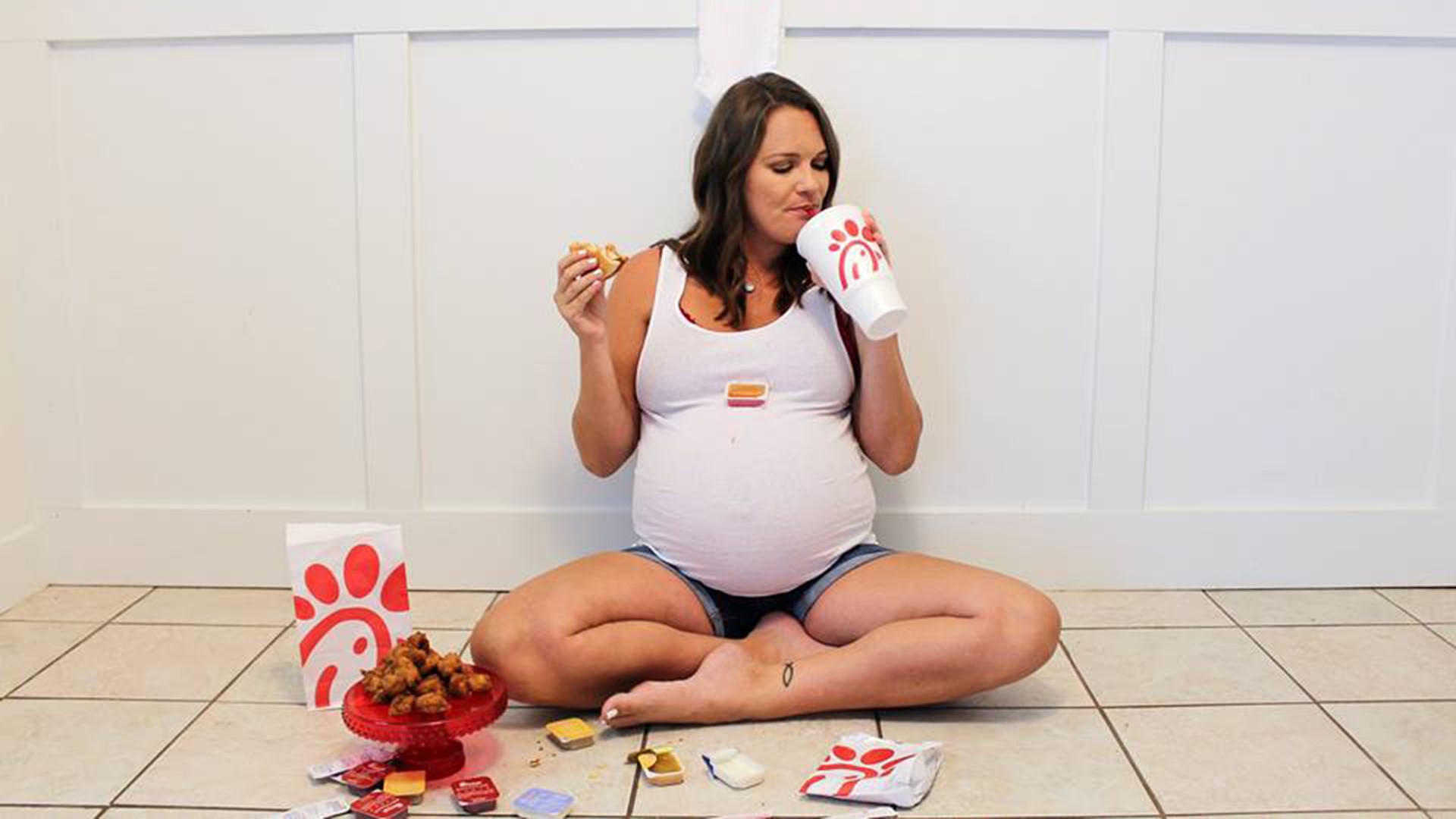
Expecting parents frequently face intense food cravings alongside a strict set of dietary restrictions designed to protect fetal health and manage gestational wellness. Fast food chains like Chick-fil-A offer convenience, but navigating their menu requires an understanding of food safety principles during pregnancy, such as the risks of listeria, salmonella, and gestational hypertension. This guide breaks down what you need to know to make informed, healthy choices under the drive-thru lane.
Understanding Fast Food Safety During Pregnancy
When you are pregnant, your immune system undergoes natural suppressions to accommodate your growing baby. This biological shift makes you more susceptible to foodborne illnesses like Listeria monocytogenes, Salmonella, and E. coli. For fast-food establishments, the primary line of defense against these pathogens is proper internal cooking temperatures and rigorous sanitation protocols.
Chick-fil-A operates under strict corporate food safety standards that align with the U.S. Food and Drug Administration (FDA) Food Code. Poultry, the cornerstone of the menu, must be cooked to a minimum internal temperature of 165°F (74°C), which effectively neutralizes harmful bacteria. However, safety does not end in the kitchen. How the food is handled, stored, and served—as well as how long it sits at room temperature—plays a crucial role in preventing contamination.
Evaluating the Chick-fil-A Menu: Safe Choices vs. Items to Modify
Not all menu items carry the same level of risk. Breaking down the menu by preparation style helps you minimize risk while satisfying your cravings.
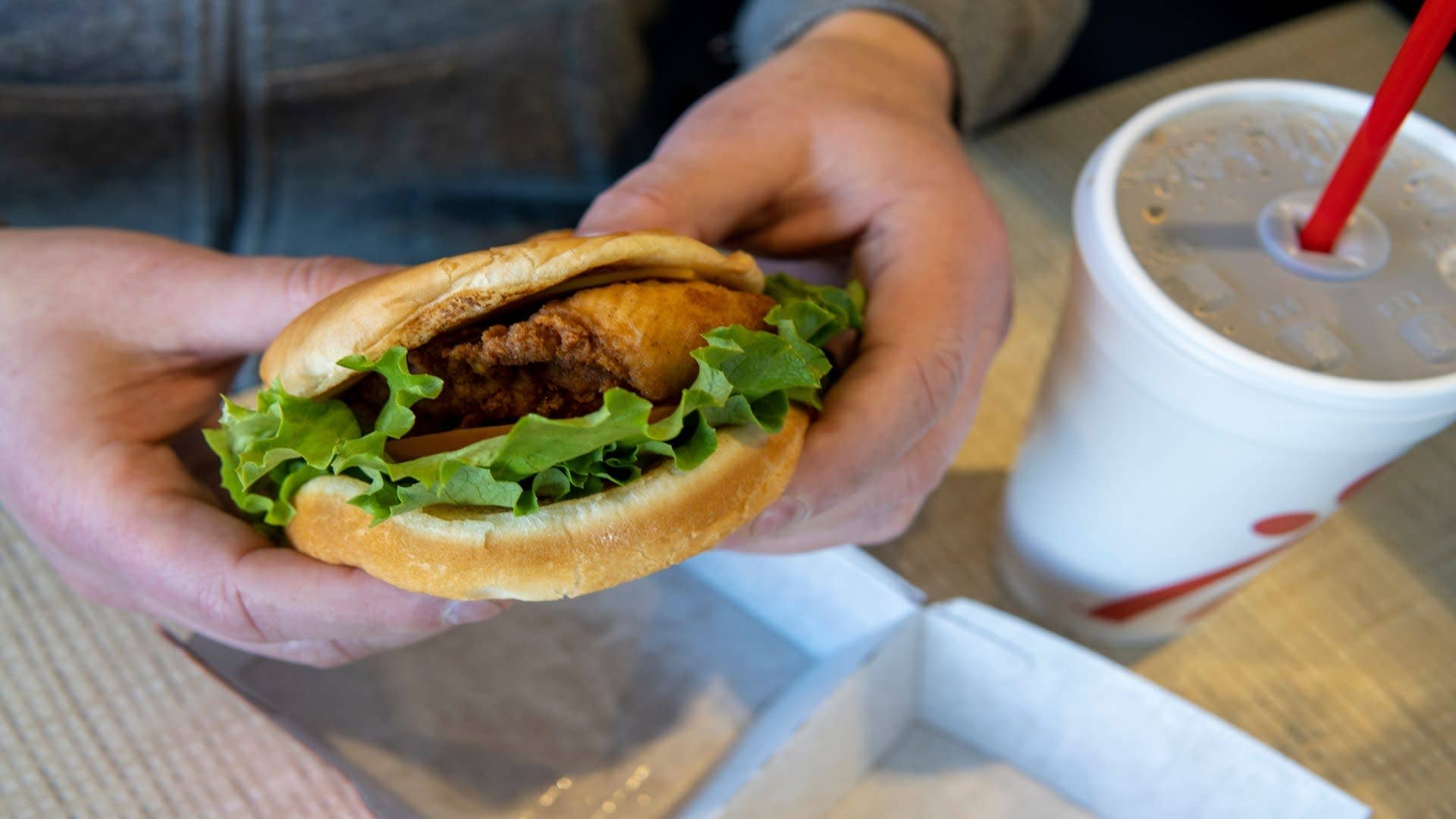
Fried and Grilled Chicken Sandwiches and Nuggets
Both the classic fried chicken and the grilled chicken breasts are cooked or grilled to safe internal temperatures, making the core protein safe for consumption.
- The Fried Chicken: Battered and pressure-cooked in 100% refined peanut oil, the standard chicken sandwich poses no specific bacterial risk once fully cooked.
- The Grilled Chicken: Marinated and cooked on specialized grills, the grilled chicken options offer a lower-calorie, high-protein alternative. Ensure that your sandwich or nuggets are served piping hot. If food has cooled down significantly during transport, reheat it until steaming before eating to mitigate any bacterial growth that occurs in the "danger zone" between 40°F and 140°F.
Salads and Fresh Produce
Salads are a popular choice for pregnant individuals seeking fiber, vitamins, and minerals, but raw produce requires extra vigilance.
- Washing Protocols: Chick-fil-A washes its produce, but raw vegetables and fruits always carry a minor risk of carrying Listeria or Toxoplasma if they have come into contact with contaminated soil or water.
- Toppings: Pay close attention to salad add-ons. Avoid unpasteurized cheeses if any are present, and check for deli meats. If ordering the Cobb Salad with sliced nuggets, ensure the chicken is heated thoroughly. If it is served cold, request it warm to reduce risks associated with pre-cooked proteins sitting in display units.
Sauces and Condiments
Sauces can elevate a meal, but pregnant diners need to look out for raw eggs or unpasteurized dairy bases.
- The Signature Sauce and Polynesian Sauce: These commercial sauces are shelf-stable or manufactured in industrial facilities using pasteurized egg products, making them safe for consumption.
- Mayonnaise-Based Dressings: Commercial dressings and spreads used by major chains utilize pasteurized liquid or powdered eggs to comply with commercial safety regulations, eliminating the risk of raw-egg salmonella. Always verify that dressings are commercially manufactured rather than house-made.
Nutritional Considerations: Sodium, Gestational Diabetes, and Calories
While food safety is the immediate concern, long-term maternal health requires a look at the broader nutritional profile of fast food. Fast-food items are typically dense in sodium, saturated fats, and refined carbohydrates.
| Menu Item | Calories | Sodium (mg) | Protein (g) | Pregnancy Consideration |
|---|---|---|---|---|
| Grilled Chicken Sandwich | 390 | 810 | 28 | High protein, moderate calories; watch sodium levels. |
| Chick-fil-A Chicken Sandwich | 440 | 1350 | 28 | High sodium content; consume occasionally if managing blood pressure. |
| Medium Waffle Potato Fries | 420 | 240 | 5 | High carbohydrate count; monitor if managing gestational diabetes. |
| Grilled Nugget (8-count) | 130 | 430 | 25 | Excellent lean protein source with lower calorie density. |
| Fruit Cup (Medium) | 70 | 0 | 1 | Refreshing source of vitamins; hydrate safely. |
Managing Sodium Intake
High sodium intake can exacerbate water retention, swelling (edema), and high blood pressure, which is particularly critical if you are monitoring for preeclampsia. Many sandwiches and sauces contain over 1,000 milligrams of sodium per serving. Balancing a high-sodium meal with plenty of water and lower-sodium foods throughout the rest of the day helps maintain fluid balance.
Navigating Gestational Diabetes
If you have been diagnosed with gestational diabetes, carbohydrate management is essential. Waffle fries, sweetened iced tea, and lemonades cause rapid blood glucose spikes due to their high glycemic index. Opting for grilled nuggets paired with a side salad or a fruit cup—while monitoring carbohydrate portions—helps keep blood sugar levels within your target range.
Frequently Asked Questions
Can I eat Chick-fil-A grilled chicken when pregnant?
Yes, Chick-fil-A grilled chicken is safe to eat during pregnancy as long as it is cooked thoroughly and served hot. Grilled options provide a lean source of protein without the heavy breading and frying oils of traditional fast-food items, though you should still monitor your overall sodium intake.
Are Chick-fil-A sauces safe during pregnancy?
All standard Chick-fil-A sauces, including Polynesian, BBQ, and Chick-fil-A Sauce, are safe during pregnancy. They are commercially manufactured using pasteurized ingredients, which eliminates the risk of foodborne illnesses associated with raw eggs or unpasteurized dairy.
Is the mayonnaise used at Chick-fil-A pasteurized?
Yes. Major restaurant chains like Chick-fil-A are required by commercial food safety regulations to use commercially prepared, pasteurized mayonnaise and dressings. This pasteurization process kills harmful bacteria like Salmonella, making these condiments safe for pregnant consumers.
What should I do if my food is cold when I receive it?
If your Chick-fil-A order arrives cold or has been sitting out, do not eat it immediately. Reheat the chicken and hot sides in a microwave, oven, or skillet until piping hot throughout. Reheating destroys most common foodborne pathogens that multiply when food lingers at room temperature.
Can Chick-fil-A lemonade affect my blood sugar during pregnancy?
Chick-fil-A regular lemonade contains a high amount of real lemon juice and cane sugar, which can cause significant blood sugar spikes. If you are monitoring your glucose levels for gestational diabetes, consider choosing Diet Lemonade sweetened with Splenda, or stick to water and unsweetened iced tea.
Next Actions and Practical Recommendations
When eating at Chick-fil-A while pregnant, prioritize freshly prepared, steaming-hot food items, and do not hesitate to ask for modifications such as omitting high-risk ingredients or requesting dressings on the side. Balance your meal choices by pairing lean proteins like grilled nuggets with lighter sides, and always monitor your overall sodium and sugar intake for the day. If you have underlying health conditions such as gestational hypertension or gestational diabetes, consult your obstetrician or a registered dietitian to tailor your fast-food choices to your specific medical care plan.
Image Gallery