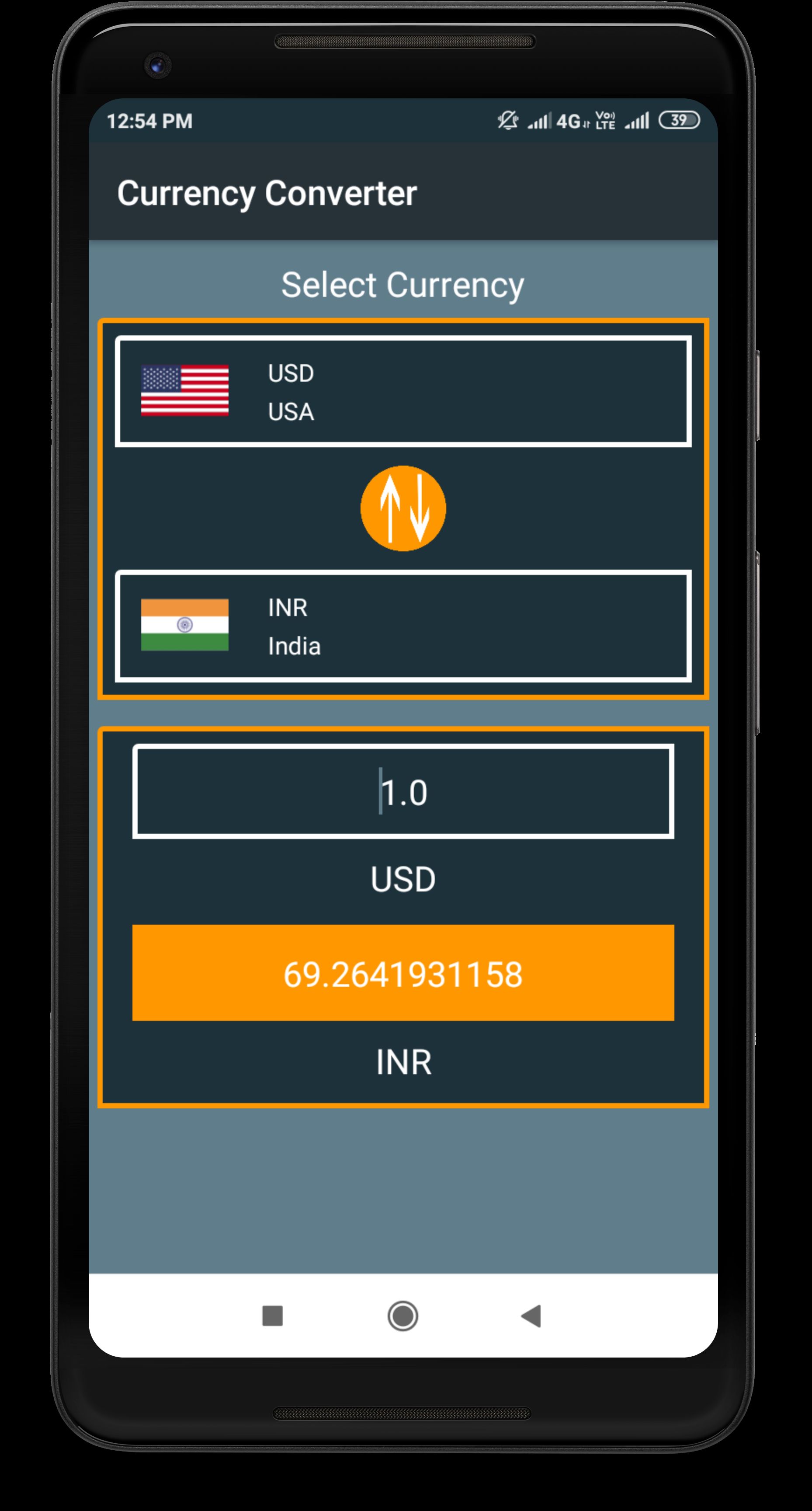
Universal Currency Converter: The Definitive Technical Guide for 2026
A universal currency converter is an advanced financial calculation tool designed to compute real-time exchange values across global fiat currencies, digital assets, and historical pricing indices. By integrating live feed protocols fr...
A universal currency converter is an advanced financial calculation tool designed to compute real-time exchange values across global fiat currencies, digital assets, and historical pricing indices. By integrating live feed protocols from international central banks and liquidity providers, these systems empower traders, travelers, and multinational enterprises to execute precise cross-border financial valuations.
Contents
Understanding Foreign Exchange Mechanics and Rate Calculations
The architecture of a modern conversion system relies on continuous data feeds sourced from global interbank markets. Unlike static tables found in traditional financial journalism, digital platforms ingest streaming bid-ask spreads via Application Programming Interfaces (APIs). These protocols communicate directly with foreign exchange networks like the Foreign Exchange Committee guidelines and major liquidity aggregates operating in New York, London, and Tokyo.
When a user requests a conversion, the calculation engine applies the current mid-market rate—the exact halfway point between the buy and sell prices of two competing currencies. Enterprise-grade tools account for latency, network jitter, and timestamp synchronization to prevent slippage during high-volume transactions.
Key Pricing Tiers and Rate Types
- Interbank Rates: The wholesale price banks use to trade currencies among themselves, serving as the benchmark baseline.
- Retail Rates: Consumer-facing rates that include institutional markups, administrative processing fees, and profit margins added by commercial remittance services.
- Spot vs. Forward Rates: Spot rates reflect immediate physical delivery, while forward rates incorporate interest rate differentials between two central banks for future settlement dates.
Core Architecture and Data Integration Standards
Deploying a reliable conversion mechanism requires rigorous adherence to financial data integrity. Developers and financial engineers rely on structured telemetry and standardized currency identifiers defined by the International Organization for Standardization under ISO 4217. These three-letter alpha codes—such as USD for the United States Dollar, EUR for the Euro, and JPY for the Japanese Yen—prevent ambiguity across localized financial systems.
Modern platforms also integrate automated failovers. If a primary data provider experiences network degradation or downtime, the architecture dynamically switches to a secondary liquidity source without interrupting the user interface.
API Reliability Standards: Production-grade currency calculators implement strict caching strategies and rate-limiting protocols. By refreshing rates at controlled intervals—typically every 60 seconds during high-liquidity trading windows—systems preserve server resources while maintaining sub-second calculation latency for end-users.
Comparing Top Universal Currency Conversion Solutions
Selecting the appropriate utility depends on whether the requirement is consumer-focused travel budgeting, corporate treasury management, or programmatic API integration. The following matrix compares leading solutions based on update frequency, data scope, and integration complexity.
| Solution Provider | Primary Use Case | Rate Update Frequency | Asset Scope | Integration Complexity |
|---|---|---|---|---|
| Open Exchange Rates | Developer APIs & Enterprise Apps | Hourly to Real-Time | Fiat, Precious Metals, Cryptocurrencies | Moderate (RESTful JSON API) |
| XE Enterprise Feeds | Corporate Treasury & Auditing | Real-Time Streaming | 170+ Global Currencies | Advanced (Custom SDKs) |
| OANDA Exchange Rates | Tax Reporting & Financial Modeling | Daily / Real-Time Custom | Comprehensive Historical & Spot | Moderate (Robust Documentation) |
| Wise (TransferWise) | Cross-Border Remittances & Travel | Real-Time Mid-Market | 40+ Currencies | Low (Consumer App & API) |
Step-by-Step Guide to Implementing or Utilizing a Conversion System
Whether integrating an API into a software application or utilizing a web-based calculator for financial planning, executing accurate conversions requires a standardized workflow.
- Define Base and Target Parameters: Identify the source currency (Base) and the desired destination currency (Target) using standard ISO 4217 alpha codes.
- Verify the Timestamp: Confirm the exact timestamp of the exchange rate to ensure data relevance, particularly during volatile macroeconomic announcements or geopolitical events.
- Account for Conversion Spreads: Calculate whether the intended transaction applies a mid-market rate or a retail rate inclusive of markup fees.
- Execute Mathematical Scaling: Multiply the base amount by the retrieved exchange rate factor, rounding to the appropriate decimal precision (typically two decimal places for fiat, and up to eight for digital tokens).
- Log and Audit: Store the transaction timestamp, source rate, and converted value in an immutable audit log if operating in a regulated corporate or financial advisory context.
Common Pitfalls and Troubleshooting Strategies
Navigating foreign exchange calculations involves mitigating specific technical and operational risks. Misinterpreting rate types or failing to account for market closures can lead to significant financial discrepancies.
- Weekend Liquidity Gaps: Traditional foreign exchange markets close on weekends. Using stale Friday closing rates for Saturday or Sunday transactions can introduce errors; systems should flag off-market hours explicitly.
- Precision and Rounding Errors: Floating-point arithmetic inaccuracies can accumulate in large-scale financial applications. Utilize dedicated decimal math libraries rather than standard native floats to maintain accounting integrity.
- Regulatory Compliance: Ensure that historical conversions used for tax reporting comply with the specific valuation standards mandated by local regulatory bodies, such as the Internal Revenue Service (IRS) or the European Central Bank (ECB) guidelines.
Frequently Asked Questions
What is the difference between a mid-market rate and a retail exchange rate?
The mid-market rate is the wholesale midpoint between supply and demand in global currency markets, whereas the retail rate includes additional margins charged by banks and remittance services. Universal converters typically display the mid-market rate as an objective baseline.
How often do universal currency converters update their data?
Enterprise-grade platforms update their rates in real-time or at minute-by-minute intervals during active trading sessions, while consumer-facing web tools may refresh hourly or daily depending on their licensing agreements.
Can historical currency exchange rates be retrieved using these tools?
Yes, advanced financial APIs and institutional platforms maintain extensive historical databases spanning decades, allowing users to calculate retroactive asset values for tax audits and financial reporting.
Do universal currency converters support precious metals and cryptocurrencies?
Many modern platforms integrate alternative asset feeds, allowing users to convert fiat currencies directly into ounces of gold, silver, or leading digital tokens like Bitcoin and Ethereum.
Why do exchange rates fluctuate constantly throughout the day?
Exchange rates shift continuously due to real-time macroeconomic indicators, central bank monetary policies, geopolitical news, and shifting global supply and demand dynamics in the interbank market.
Optimizing Cross-Border Financial Strategy
Leveraging a robust universal currency converter ensures transparency, accuracy, and operational efficiency in an increasingly interconnected global economy. By understanding underlying rate mechanics, enforcing strict data integration standards, and accounting for market spreads, professionals can safeguard their transactions against volatility and systemic calculation errors.
Image Gallery