How to Change a Car License Plate Safely
To change a car license plate safely, gather a screwdriver or socket wrench, remove the existing fasteners, and clean the mounting surface. Align the new plate with the pre-drilled holes, insert the screws—ideally anti-theft versions—a...
To change a car license plate safely, gather a screwdriver or socket wrench, remove the existing fasteners, and clean the mounting surface. Align the new plate with the pre-drilled holes, insert the screws—ideally anti-theft versions—and tighten them firmly without over-torquing. Finally, ensure all registration stickers are valid and visible.
Contents
Changing a license plate is one of the most common vehicle maintenance tasks, yet it is often performed incorrectly, leading to lost plates, damaged bumpers, or even legal citations. Whether you are registering a new vehicle in 2026, replacing a damaged plate, or upgrading to a specialized design, following a systematic approach ensures the plate remains secure and legible under all driving conditions.
Preparation and Necessary Tools
Before attempting to remove your old plates, it is essential to have the correct tools and replacement hardware ready. Using the wrong tool can strip screw heads, making a five-minute job significantly more difficult.
Required Tools
Most modern vehicles use either a Phillips-head screwdriver or a 10mm socket wrench. However, variations exist depending on the manufacturer and the type of mounting bracket installed.
- Phillips-Head Screwdriver: The most common tool for standard self-tapping screws found on domestic vehicles.
- Flat-Head Screwdriver: Occasionally used for older hardware or specific European mounting kits.
- Socket Wrench (8mm or 10mm): Preferred for Japanese and European imports that use machine bolts rather than screws.
- Penetrating Oil: Products like WD-40 or PB Blaster are vital if your vehicle has been exposed to road salt, which causes significant corrosion on plate fasteners.
Hardware Specifications
Not all screws are created equal. Using the wrong metal can lead to galvanic corrosion, where two dissimilar metals react and "weld" themselves together.
- Stainless Steel Screws: These are the gold standard for 2026. They resist rust and maintain their structural integrity over years of exposure to moisture.
- Nylon or Plastic Fasteners: Often used in coastal areas to prevent rust entirely, though they can become brittle over time.
- Security Screws: These require a specialized bit (like a Torx or Allen head with a center pin) to remove, significantly reducing the risk of license plate theft.
Step 1: Removing the Old License Plate
The removal process is usually straightforward but requires patience if the hardware is aged. Start by inspecting the screw heads for debris or rust. If the screws appear heavily corroded, apply a small amount of penetrating oil and let it sit for at least five minutes before attempting to turn them.
Dealing with Seized Screws
If a screw refuses to budge, do not force it immediately, as this will likely strip the head. Apply more penetrating oil and use a tool with a larger handle for better leverage. For screws that are already stripped, you may need to use a pair of locking pliers (Vise-Grips) to grab the edge of the screw head and turn it manually.
Removing the Plate Safely
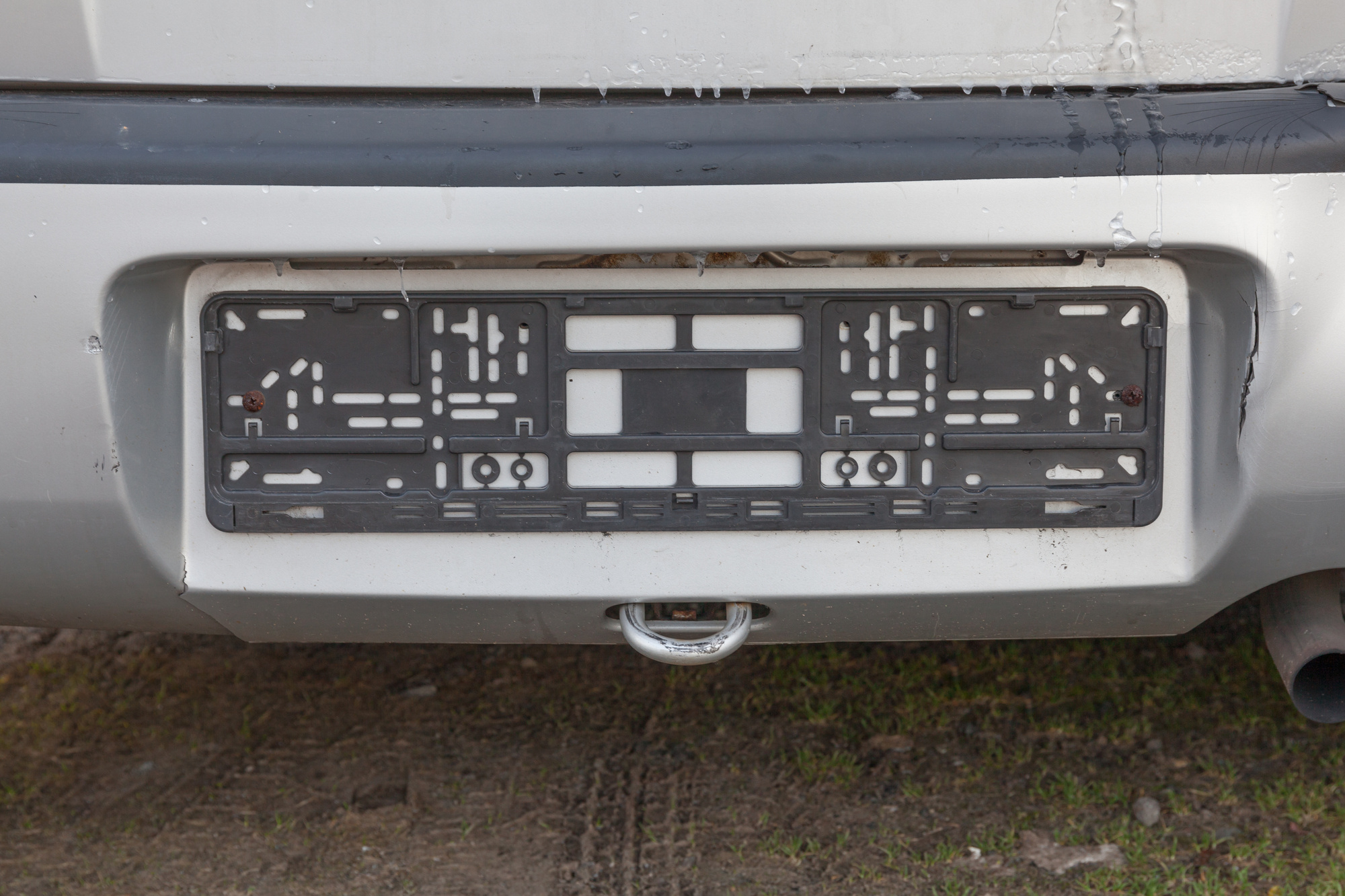
Once the screws are loose, support the plate with one hand to prevent it from falling and scratching the vehicle's paint. In many 2026 vehicle models, the rear plate may be held in a plastic housing or a metal bracket. Be careful not to lose any plastic inserts (grommets) that the screws bite into, as these are specific to your vehicle’s make and model.
Step 2: Cleaning and Surface Inspection
Removing the plate reveals an area of the car that is rarely cleaned. Dirt, salt, and grime accumulate behind the plate, which can lead to paint bubbles or structural rust over time.
- Wash the Area: Use a microfiber cloth and soapy water to clean the mounting surface thoroughly.
- Inspect for Damage: Check the mounting holes. If they are stripped or enlarged, you may need to install larger diameter screws or replace the plastic expansion nuts.
- Check the Bracket: If your car uses a separate mounting bracket, ensure it is still firmly attached to the trunk or bumper. Loose brackets cause the plate to rattle, which can eventually lead to the metal fatiguing and the plate falling off.
Step 3: Installing the New License Plate
When installing the new plate, alignment is key for both aesthetics and legal compliance. A crooked plate can be a "probable cause" for traffic stops in some jurisdictions.
Positioning and Alignment
Place the plate against the mounting surface. If you are using a license plate frame, place the plate inside the frame first. Ensure that the frame does not obscure the state name, the registration stickers, or any unique identifiers, as this is illegal in many states.
Securing the Fasteners
Hand-start each screw to ensure they are properly threaded. This is especially important for vehicles with metal threaded inserts. If you feel resistance immediately, stop and realign; cross-threading can be an expensive mistake to fix.
Once all screws are hand-tightened, use your tool to snug them down. Do not over-tighten. Over-tightening can crack plastic frames, strip the mounting holes, or even dent the plate itself. A firm "snug" fit is sufficient to prevent the plate from vibrating loose.
| Hardware Type | Material | Pros | Cons |
|---|---|---|---|
| Self-Tapping Screw | Zinc-Plated Steel | Inexpensive, widely available | Prone to rust over 2-3 years |
| Machine Bolt | Stainless Steel | Extremely durable, rust-proof | Requires specific threading (e.g., M6) |
| Security Bolt | Alloy Steel | Prevents theft of plates | Requires a special key for removal |
| Nylon Bolt | Plastic | Zero corrosion risk | Can snap in extreme cold temperatures |
Legal Considerations and Requirements
In 2026, most jurisdictions have strict rules regarding how a plate must be displayed. Failure to follow these can result in "Equipment Violation" fines.
- Visibility: The plate must be clearly visible from a distance of 50 to 100 feet (depending on local law). It should not be covered by tinted or "anti-glare" plastic covers, which are increasingly targeted by law enforcement and automated toll systems.
- Lighting: Ensure your rear license plate light is functioning. A new plate will not be visible at night if the bulb is burnt out or the housing is obscured.
- Sticker Placement: Most states require the registration expiration sticker to be placed in a specific corner (usually the bottom right). Always remove old stickers or ensure the new one completely covers the old ones to prevent a "stacked" look that can peel off easily.
You can find specific state-by-state requirements via the National Highway Traffic Safety Administration (NHTSA) or your local Department of Motor Vehicles (DMV).
Enhancing Security and Reducing Noise
License plate theft remains a concern for many drivers. Stolen plates are often used on vehicles involved in other crimes to evade detection.
Anti-Theft Measures
Using security hardware is the most effective deterrent. These screws feature unique drive patterns that standard screwdrivers cannot turn. If you live in a high-crime area or frequently park in public lots, this $10 investment provides significant peace of mind.
Eliminating Rattles
If your license plate or frame rattles when you close the trunk or play music with heavy bass, you can install small adhesive foam pads or rubber bumpers on the back of the plate. These create tension between the plate and the car body, dampening vibrations and protecting your paint from scratches caused by the metal vibrating against the clear coat.
Troubleshooting Common Issues
The Screw Head Broke Off
If a rusted screw head snaps off, leaving the threaded portion inside the hole, you have two options. You can attempt to drill out the remaining metal with a small drill bit and an "easy-out" extractor, or you can relocate the mounting point by drilling a new pilot hole nearby, provided it remains behind the plate's coverage area.
The Plastic Insert is Stripped
If the screw spins freely without tightening, the plastic insert (grommet) is likely stripped. You can purchase universal license plate mounting kits at most auto parts stores that include replacement inserts. These simply pop into the square or round holes in the bumper.
Frequently Asked Questions
Can I use a tinted cover on my license plate?
In most states as of 2026, tinted or smoked license plate covers are illegal. Even if they appear transparent to the human eye, many are designed to reflect the infrared light used by speed cameras and toll readers. Law enforcement frequently issues citations for "obstructed plate" violations due to these covers.
Do I need a front license plate?
This depends entirely on your jurisdiction. Roughly 30 states in the U.S. require both a front and rear license plate. If your vehicle was purchased in a "rear-only" state but you move to a "two-plate" state, you may need to install a front mounting bracket, which often requires drilling into the front bumper or using a "no-drill" tow-hook mount.
What should I do with my old license plates?
You should never simply throw old license plates in the trash. In many regions, you are legally required to return them to the DMV or a local registration office to "cancel" the plates. This prevents others from finding them and using them illegally. If your state allows you to keep them, it is recommended to deface the stickers or the plate numbers before recycling the metal.
How do I clean a plate that has become unreadable?
Use a non-abrasive metal polish or a simple solution of vinegar and water. Avoid using harsh chemicals or wire brushes, as these can strip the reflective coating. The reflectivity is a safety feature required by the Department of Transportation, and damaging it could result in a requirement to purchase replacement plates.
Recommendation for Next Actions
After successfully changing your plate, take a high-resolution photo of the new plate on your vehicle. Store this in your digital records or insurance app. In the event of theft or a dispute regarding a toll or parking ticket, having a clear record of the plate's condition and correct installation can be invaluable. Periodically check the tightness of the screws during your monthly tire pressure checks to ensure road vibrations haven't loosened the hardware.
Image Gallery