Understanding the Trendelenburg Position Meaning and Clinical Applications
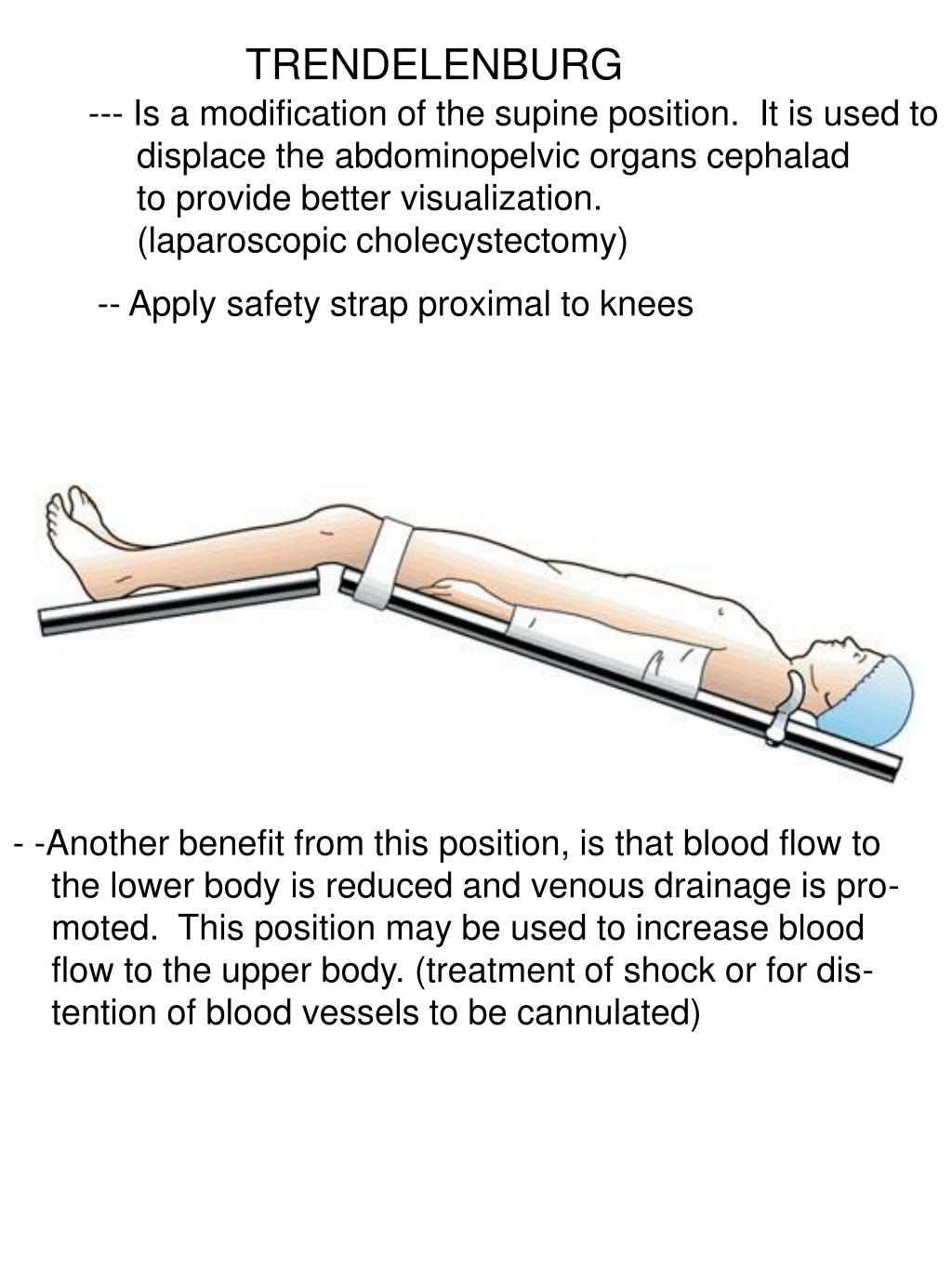
The Trendelenburg position is a clinical physical posture where a patient is placed supine, or lying flat on their back, on a surface tilted at an angle of 15 to 30 degrees, resulting in the head being positioned lower than the feet. P...
The Trendelenburg position is a clinical physical posture where a patient is placed supine, or lying flat on their back, on a surface tilted at an angle of 15 to 30 degrees, resulting in the head being positioned lower than the feet. Primarily used in surgical settings to improve access to pelvic organs, its application in treating shock is now largely considered outdated.
Contents
The Origin and Historical Evolution of the Trendelenburg Position
To understand the Trendelenburg position meaning, one must look back to the late 19th century. The position is named after Friedrich Trendelenburg, a prominent German surgeon who specialized in abdominal and pelvic procedures. Around 1881, he began utilizing this specific tilt to allow gravity to pull the abdominal viscera (the internal organs) toward the diaphragm. This "cephalad" shift provided surgeons with a clearer, unobstructed view of the pelvic cavity, which was a revolutionary advancement for surgical precision before the advent of modern laparoscopic tools.
While Friedrich Trendelenburg originally intended the position for open surgeries involving the bladder and reproductive organs, the medical community's use of the posture expanded significantly during World War I. During this era, it was adopted as a standard treatment for hemorrhagic shock. The theory was that tilting the body would utilize gravity to "autotransfuse" blood from the lower extremities to the vital organs, such as the brain and heart.
However, as medical science progressed into the 20th and 21st centuries—leading into our current 2026 clinical standards—this specific application for shock has been heavily scrutinized and largely replaced by more effective fluid resuscitation and pharmacological interventions. Today, the "meaning" of the Trendelenburg position has returned to its roots as a specialized tool for surgical positioning and specific diagnostic procedures, rather than a universal first-aid measure for low blood pressure.
Surgical Utility and Clinical Indications
In contemporary 2026 medical practice, the Trendelenburg position remains a staple in the operating room. Its primary function is to optimize the surgical field of view. When a patient is tilted head-down, the mobile organs of the abdomen—specifically the small and large intestines—shift toward the chest. This exposure is vital for several types of procedures.
Laparoscopic and Robotic Surgery
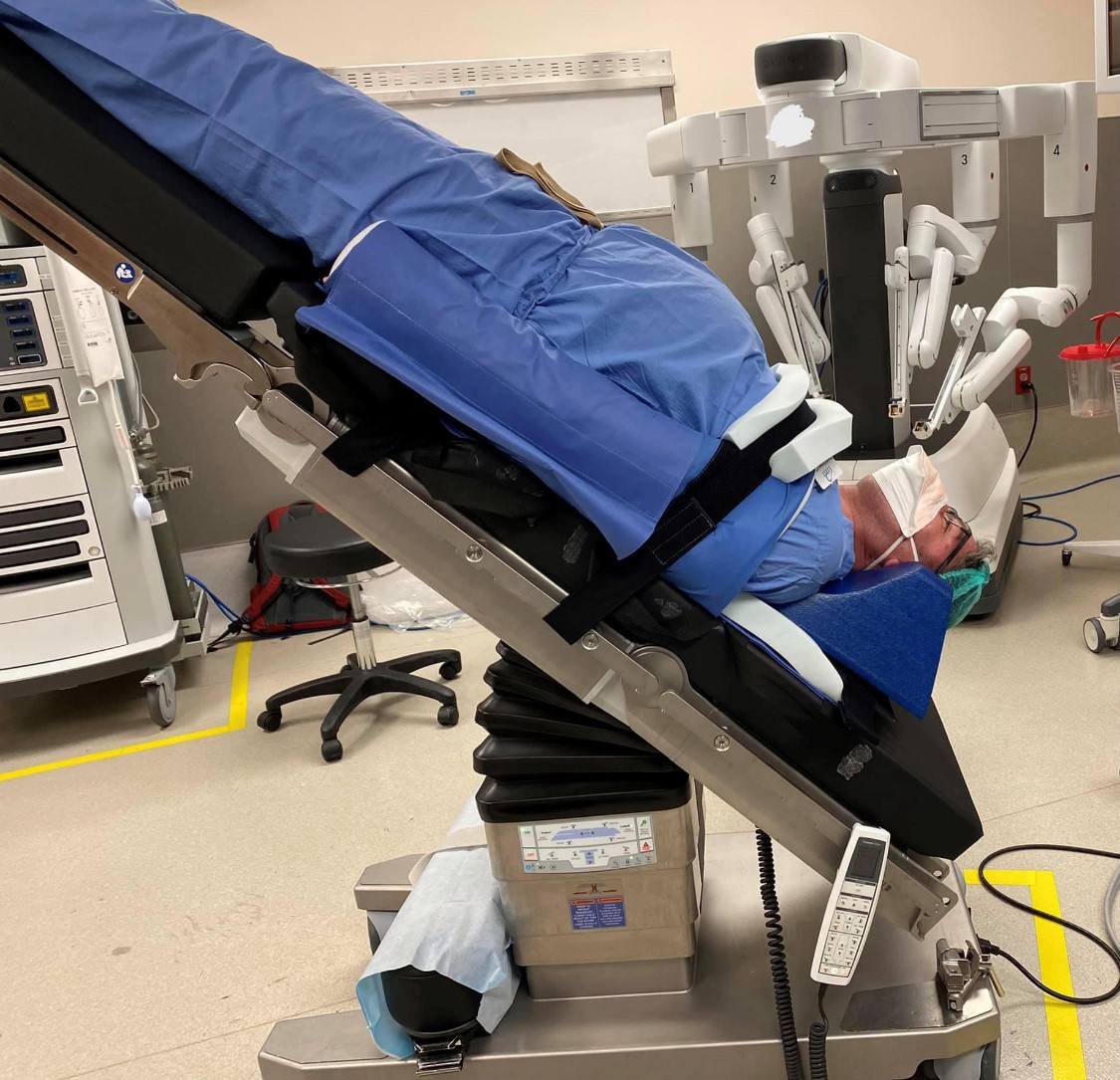
The rise of minimally invasive surgery has reinforced the importance of this position. In laparoscopic or robotic-assisted pelvic surgeries (such as prostatectomies, hysterectomies, or colorectal resections), the Trendelenburg tilt is essential. It prevents the bowel from obscuring the robotic arms or laparoscopic instruments, reducing the risk of accidental organ perforation and allowing the surgeon to work with higher precision in a tight anatomical space.
Central Venous Catheterization
The position is also frequently employed during the placement of central venous catheters, particularly when accessing the internal jugular or subclavian veins. By tilting the patient head-down, the clinician increases the hydrostatic pressure within these upper-body veins. This causes the veins to engorge or distend, making them larger targets for needle insertion and reducing the risk of a venous air embolism, a potentially fatal complication where air enters the bloodstream.
Respiratory and Pulmonary Therapy
In some specific respiratory therapy contexts, a mild Trendelenburg tilt is used for postural drainage. By positioning specific lung segments higher than the trachea, gravity assists in moving secretions from the lower lobes toward the central airways, where they can be coughed up or suctioned out. However, this is used cautiously, as the pressure of abdominal organs against the diaphragm can actually decrease total lung capacity.
Comparison of Clinical Body Positions
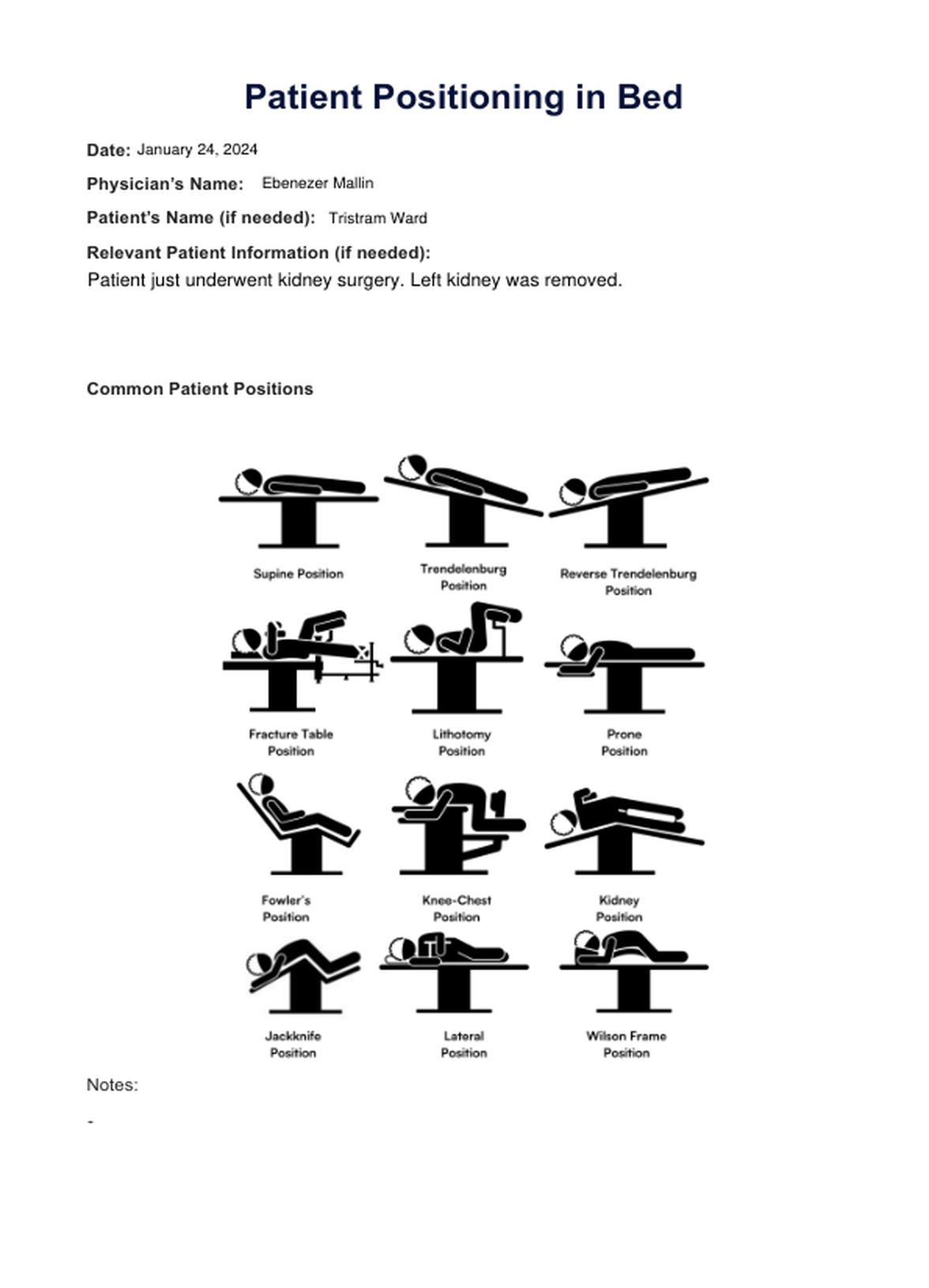
To fully grasp the Trendelenburg position meaning, it is helpful to contrast it with its variations. Medical professionals utilize different tilts depending on the anatomical goal and the patient's physiological needs.
| Position Name | Orientation | Primary Clinical Use | Key Physiological Benefit |
|---|---|---|---|
| Trendelenburg | Head down, feet up (15-30°) | Pelvic surgery, central line insertion | Gravity-assisted organ displacement; venous distention. |
| Reverse Trendelenburg | Head up, feet down (15-30°) | Upper GI surgery, head/neck surgery | Reduces reflux; lowers intracranial pressure; aids breathing. |
| Modified Trendelenburg | Torso flat, legs elevated | Management of simple syncope (fainting) | Promotes venous return without increasing intracranial pressure. |
| Supine | Flat on back | General examination, resting | Baseline anatomical position; neutral hemodynamics. |
| Fowler's Position | Sitting up (45-60°) | Respiratory distress, feeding | Maximizes chest expansion; prevents aspiration. |
The Controversy: Trendelenburg in the Treatment of Shock
One of the most persistent misconceptions regarding the Trendelenburg position meaning is its role in treating hypotension (low blood pressure) and shock. For decades, first responders and nurses were taught to "put the patient in Trendelenburg" at the first sign of a blood pressure drop.
As of 2026, clinical guidelines from major health organizations, including the American Heart Association (AHA), continue to discourage this practice for shock management. Research has shown that the "autotransfusion" effect—the idea that blood moves from the legs to the heart—is minimal, often involving less than 200ml of blood. Furthermore, any slight increase in cardiac output is typically transient, lasting only a few minutes.
The risks often outweigh these negligible benefits. In a patient experiencing shock, the Trendelenburg position can increase intracranial pressure and place excessive weight on the diaphragm, making it harder for the patient to breathe. For patients with cardiogenic shock (shock caused by heart failure), the position can actually worsen the situation by increasing the "preload" or volume of blood returning to a struggling heart, potentially leading to pulmonary edema. In modern emergency medicine, the Modified Trendelenburg—where only the legs are raised while the chest remains flat—is the preferred alternative for simple fainting, as it avoids the neurological and respiratory complications of a full head-down tilt.
Physiological Effects and Safety Considerations
Placing a patient in a head-down tilt triggers a cascade of physiological changes that medical staff must monitor closely. These effects are particularly pronounced in elderly patients or those with underlying health conditions.
- Cardiovascular Impact: While the position is intended to increase venous return, it also stimulates baroreceptors (pressure sensors) in the carotid sinus. This can lead to a paradoxical slowing of the heart rate (bradycardia) and a decrease in systemic vascular resistance, which may actually lower blood pressure in some individuals.
- Neurological Impact: The Trendelenburg position significantly increases intracranial pressure (ICP) and intraocular pressure (IOP). This makes it dangerous for patients with recent head injuries, brain tumors, or glaucoma. Prolonged use can lead to cerebral edema or retinal damage.
- Respiratory Impact: Gravity forces the abdominal contents against the diaphragm. This limits the diaphragm's ability to contract downward, reducing functional residual capacity and making the work of breathing much harder. Patients under anesthesia in this position often require higher ventilation pressures to maintain adequate oxygenation.
- Skin and Nerve Integrity: In the operating room, patients in steep Trendelenburg are at risk of sliding off the table. Surgeons often use non-slip pads or shoulder braces. However, shoulder braces can cause brachial plexus nerve injuries if not positioned correctly. Furthermore, the combination of gravity and the weight of the body can cause "shearing" forces on the skin, leading to pressure ulcers.
Potential Complications and Contraindications
Due to the significant physiological shifts mentioned above, the Trendelenburg position is contraindicated (advised against) in several scenarios. Medical professionals must perform a risk-benefit analysis before utilizing the tilt.
- Head Injuries and Stroke: Anyone with a potential for increased intracranial pressure must stay in a neutral or head-up position.
- Congestive Heart Failure (CHF): The increased venous return can overwhelm a weak left ventricle, leading to acute heart failure or fluid in the lungs.
- Obesity: Extremely obese patients experience severe respiratory compromise in Trendelenburg, as the significant weight of the abdominal pannus (excess tissue) can almost entirely immobilize the diaphragm.
- Gastroesophageal Reflux Disease (GERD): The head-down tilt eliminates the gravitational barrier between the stomach and the esophagus, significantly increasing the risk of acid reflux and aspiration of stomach contents into the lungs.
FAQs About the Trendelenburg Position
What is the difference between Trendelenburg and Modified Trendelenburg?
In the standard Trendelenburg position, the entire bed or operating table is tilted, meaning the head and thorax are lower than the pelvis. In the Modified Trendelenburg position, the patient remains flat on their back (supine), but their legs are elevated at an angle. The Modified version is generally safer for treating fainting because it doesn't increase pressure within the skull or impede the diaphragm.
How long can a patient safely stay in the Trendelenburg position?
There is no universal time limit, but risks increase significantly after two to three hours. In long robotic surgeries, anesthesiologists monitor for signs of facial edema (swelling) and changes in airway pressure. If swelling becomes severe, the surgical team may need to flatten the table temporarily to allow fluids to redistribute.
Why is the Trendelenburg position used for central line insertion?
It is used to distend the veins in the neck and upper chest. By lowering the head, gravity increases the blood volume in the internal jugular vein, making it easier to see on an ultrasound and easier to puncture. It also ensures that the pressure inside the vein is higher than the atmospheric pressure, which prevents air from being sucked into the vein when the needle is inserted.
Can the Trendelenburg position be used at home for varicose veins?
While elevating the legs is recommended for varicose veins to reduce swelling, a full Trendelenburg tilt (head-down) is not recommended for home use. Simple leg elevation using pillows is much safer and more effective for venous drainage without the risks of increased eye and brain pressure.
Is the Trendelenburg position used during pregnancy?
Historically, it was used to help "reposition" a baby or to take pressure off the cervix in cases of umbilical cord prolapse. While it is still a recognized emergency maneuver for cord prolapse (to prevent the baby's head from compressing the cord), it is used with extreme caution due to the risk of the mother aspirating or experiencing severe shortness of breath.
Summary and Next Actions
The Trendelenburg position meaning has evolved from a general-purpose emergency tilt to a specialized surgical and diagnostic tool. Its primary value in 2026 lies in providing superior visualization during pelvic surgery and facilitating safe vascular access. However, its use as a primary treatment for shock is no longer supported by clinical evidence and can be detrimental to patient respiratory and neurological health.
Professional Recommendation: If you are a healthcare provider or a first-aid responder, prioritize the Modified Trendelenburg (legs elevated only) for patients who have fainted from simple low blood pressure (vasovagal syncope). For patients in suspected medical shock, maintain a flat supine position and seek immediate advanced medical intervention. If you are a patient scheduled for a robotic pelvic surgery, discuss the use of non-slip positioning devices with your surgical team to minimize the risk of nerve injury during the procedure.
Image Gallery