How Pump Alignment Tools Improve Performance
Pump alignment tools improve performance by ensuring the rotational centers of the pump and driver shafts are perfectly collinear under operating conditions. By eliminating angular and parallel misalignment, these tools reduce parasiti...
Pump alignment tools improve performance by ensuring the rotational centers of the pump and driver shafts are perfectly collinear under operating conditions. By eliminating angular and parallel misalignment, these tools reduce parasitic energy loss, minimize destructive vibration, and significantly extend the life of mechanical seals and bearings, resulting in higher reliability and lower total cost of ownership.
Contents
In industrial environments, the relationship between a pump and its motor is the foundation of operational stability. While couplings are designed to transmit torque and accommodate a marginal amount of movement, they are not a substitute for precise shaft alignment. As of 2026, the adoption of advanced laser alignment systems and digital integration has transformed maintenance from a reactive "fix-it" task into a precision science. Understanding how these tools function and the specific performance metrics they influence is essential for any modern facility aiming for peak efficiency.
The Mechanics of Misalignment: Why Precision Matters
To appreciate how alignment tools improve performance, one must first understand the "silent killer" of rotating equipment: shaft misalignment. Misalignment occurs in two primary forms: offset (parallel) misalignment, where the shaft centers are parallel but not on the same line, and angular misalignment, where the shafts are positioned at an angle to one another. In most real-world scenarios, pumps suffer from a combination of both.
When shafts are misaligned, the coupling is forced to flex with every single rotation. Even a "flexible" coupling creates reactionary forces when distorted. These forces are transmitted directly into the pump and motor shafts, exerting excessive radial and axial loads on the bearings. In a standard centrifugal pump operating at 3,600 RPM, a misaligned shaft undergoes over five million cycles of stress every day. This constant cycling leads to metal fatigue, heat generation, and the eventual breakdown of the lubricant film within the bearings.
Alignment tools provide the necessary data to neutralize these forces. By using these tools to bring the shafts within tolerances—often measured in thousandths of an inch—the machine can operate in a "stress-free" state. This allows the energy provided by the motor to be used exclusively for moving fluid rather than overcoming internal friction and mechanical resistance.
The Evolution of Alignment Tools in 2026
The methodology for achieving alignment has evolved significantly. While traditional methods are still used in some niche applications, the industry has largely shifted toward digital precision.
Manual Methods: Straightedges and Feeler Gauges
The most basic alignment tools involve using a straightedge across the coupling halves and feeler gauges to check the gap. While better than no alignment at all, these tools are limited by human eyesight and the surface finish of the coupling. They generally cannot achieve the precision required for high-speed or high-pressure pumps.
Dial Indicators: The Precision Standard of the Past
For decades, dial indicators were the gold standard. By using the "Rim and Face" or "Reverse Dial" methods, technicians could calculate misalignment with high accuracy. However, dial indicators are subject to several physical limitations, most notably bar sag. As the indicator reaches the bottom of the shaft, gravity causes the mounting hardware to flex slightly, introducing errors into the reading. Additionally, the manual calculations required are prone to human error.
Laser Alignment Systems: The 2026 Benchmark
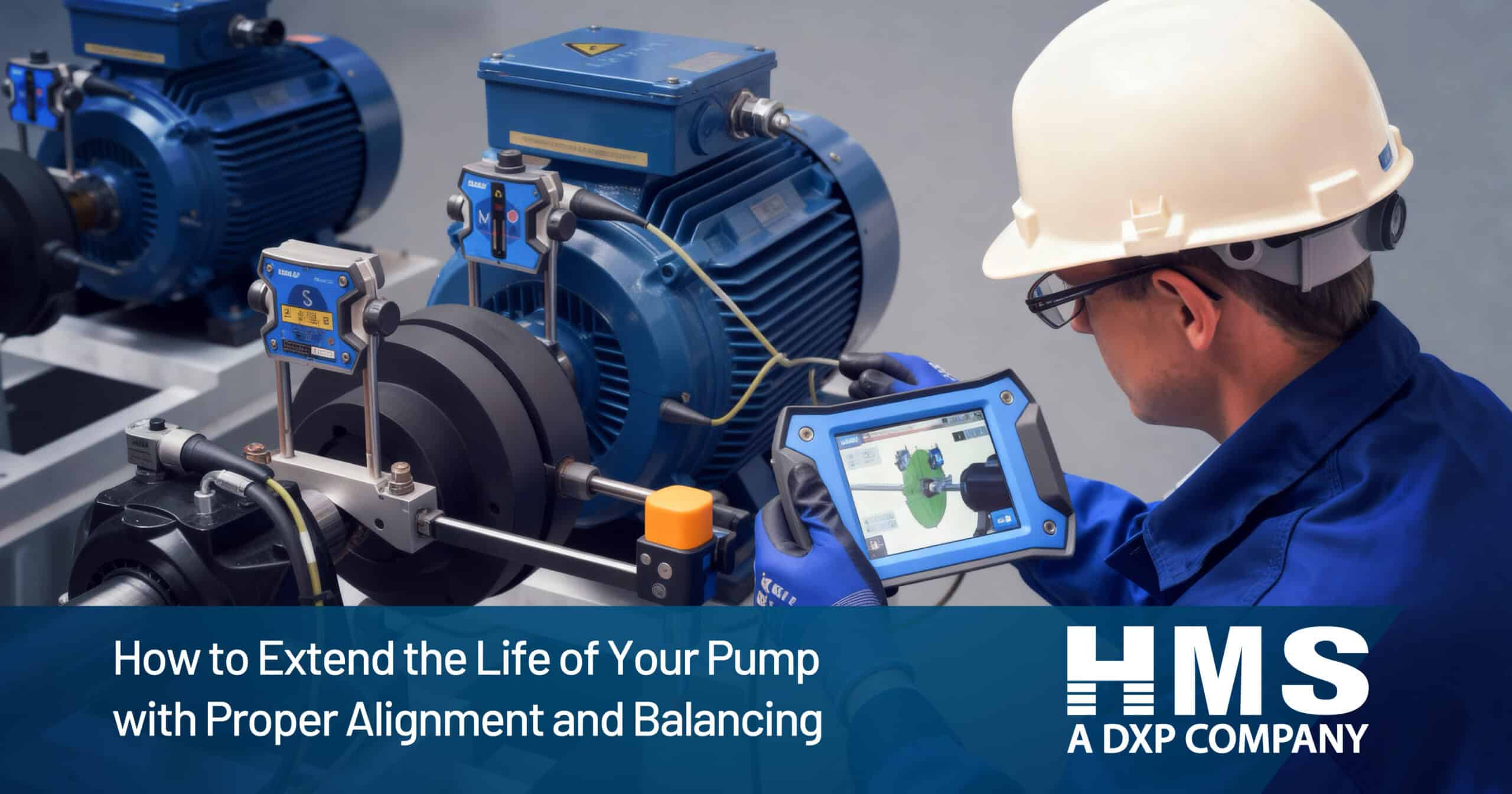
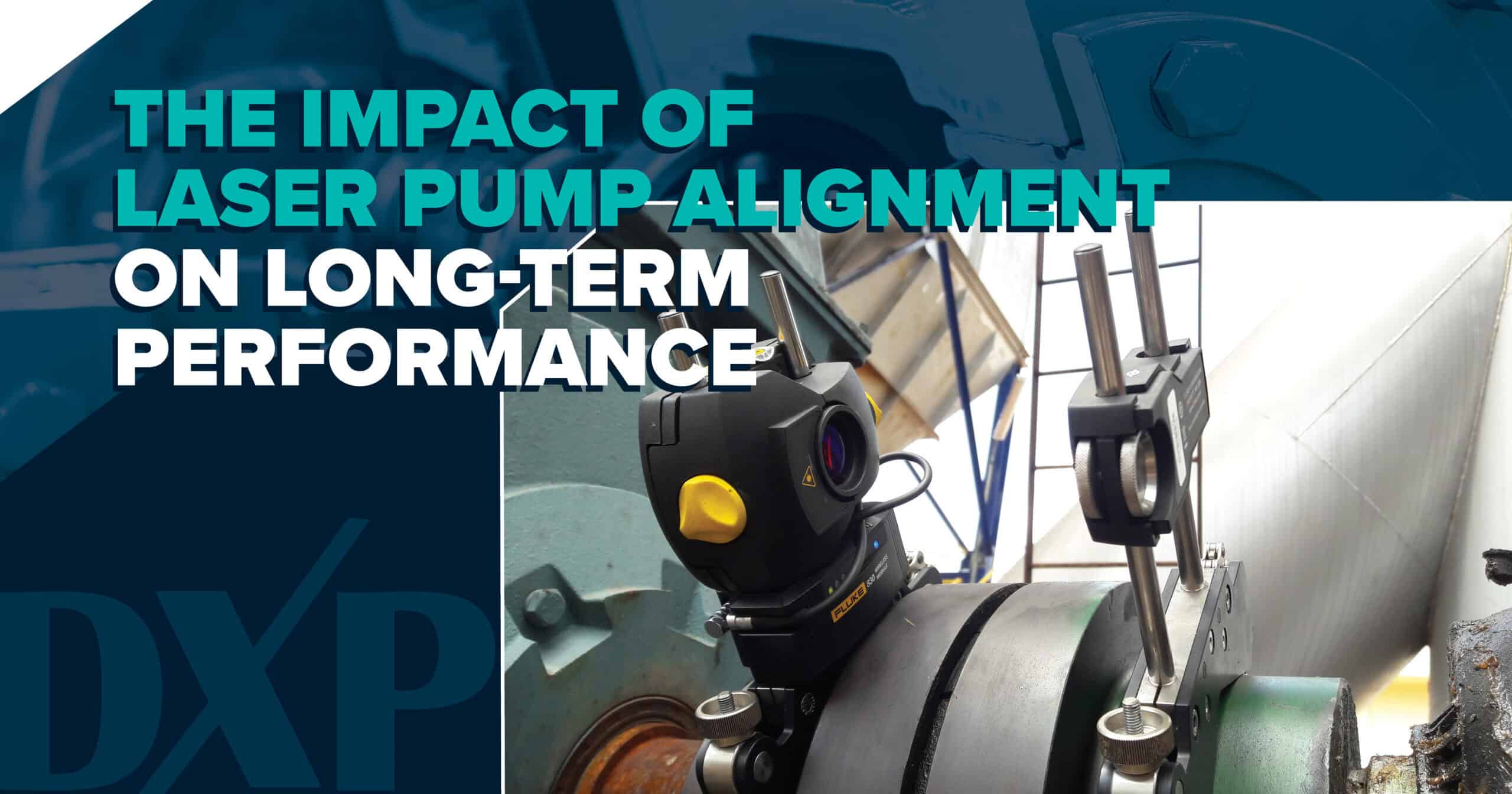
Modern laser alignment tools have effectively solved the shortcomings of mechanical methods. These systems use a laser emitter and a receiver (or dual units) to track shaft position with sub-micron resolution. By 2026, these tools have become fully integrated with cloud-based maintenance platforms. They offer "Live Move" graphics, showing the technician in real-time how shimming a foot or moving the motor laterally affects the alignment. This eliminates guesswork and reduces the time required for a task from hours to minutes.
Impact on Mechanical Component Longevity
The primary way pump alignment tools improve performance is through the protection of internal components. Precision alignment directly correlates with the Mean Time Between Failures (MTBF) of the two most vulnerable parts of a pump: seals and bearings.
Mechanical Seal Protection
Mechanical seals are the most frequent cause of pump downtime. A seal relies on a microscopic film of fluid between two incredibly flat faces. When a shaft is misaligned, it does not rotate perfectly on its center; instead, it describes a small orbit. This "shaft deflection" causes the seal faces to open and close slightly with every revolution, allowing debris to enter and eventually causing the faces to "cock" or chip. According to industry data from the Hydraulic Institute, precision alignment can increase seal life by up to 50% by maintaining the structural integrity of the seal environment.
Bearing Reliability and Heat Reduction
Bearings are designed to handle specific loads. Misalignment introduces unintended parasitic loads that squeeze the lubricant out of the loading zone. This results in metal-to-metal contact, which increases the operating temperature. Excessive heat breaks down the chemical properties of the grease or oil, leading to a "thermal runaway" scenario where the bearing eventually seizes. Alignment tools allow technicians to verify that the load is distributed exactly as the engineers intended, ensuring the bearing reaches its full L10 design life.
Energy Efficiency and Environmental Gains
In the current industrial landscape of 2026, energy efficiency is no longer just a cost-saving measure—it is a regulatory and corporate necessity. Pump systems often account for a significant portion of a facility’s total electrical consumption.
When a pump is misaligned, the motor must work harder to overcome the resistance of the binding coupling and the friction in the overloaded bearings. Research has shown that precision alignment can reduce power consumption by 1% to 3%. While this may seem small for a single 50hp motor, across a large plant with dozens of 500hp units, the annual savings can reach tens of thousands of dollars.
Furthermore, reducing vibration through alignment minimizes "noise pollution" and structural resonance within the piping system. This prevents secondary failures, such as cracked pipe hangers or leaking flanges, which are often caused by the high-frequency energy transmitted from a misaligned pump.
The Precision Alignment Process
Using an alignment tool is a systematic process. Performance is only improved if the tool is used correctly within a broader maintenance workflow.
- Pre-Alignment Checks (Soft Foot): Before taking measurements, the tool is used to check for "soft foot"—a condition where the machine's feet do not sit flat on the baseplate. If one foot is shorter or the base is warped, tightening the bolt will distort the machine frame, throwing the internal components out of alignment.
- Measurement: The laser or dial units are rotated through at least 40 to 60 degrees of the shaft's arc. Modern 2026 sensors can take hundreds of data points during this rotation to account for any surface irregularities.
- Calculation: The tool’s processor calculates the exact vertical and horizontal adjustments needed at each motor foot.
- Correction (The Move): The technician adds or removes stainless steel shims for vertical adjustment and uses jack bolts for horizontal movement.
- Verification: A final measurement is taken to ensure the shafts are within the specific tolerance for the RPM of the machine.
Comparison of Alignment Methodologies
The following table compares the different tiers of alignment tools and their impact on operational performance based on 2026 industrial standards.
| Feature | Straightedge & Feeler | Dial Indicators | Laser Alignment (2026) |
|---|---|---|---|
| Precision Level | Low (Visual) | High (Mechanical) | Ultra-High (Digital) |
| Time Required | 15–30 Minutes | 2–4 Hours | 30–60 Minutes |
| Complexity | Low | High (Manual Math) | Moderate (Guided) |
| Error Sources | Human eyesight | Bar sag, reading errors | High sunlight (minimized) |
| Performance Impact | Minimal protection | High protection | Maximum Efficiency & MTBF |
| Documentation | None | Manual Log | Automatic Cloud Report |
Troubleshooting and Overcoming Alignment Challenges
Even with the best tools, certain environmental factors can hinder performance improvements. Skilled technicians use their tools to identify and mitigate these issues:
- Thermal Growth: Machines expand as they heat up. If a pump handles hot oil, it will grow vertically more than the motor. A 2026 laser tool allows the user to input "target offsets," meaning the machine is intentionally set misaligned while cold so that it expands into perfect alignment at operating temperature.
- Pipe Strain: If the piping is not properly supported, it can pull the pump out of position. Alignment tools can detect this: if the alignment changes significantly when the piping flanges are loosened, pipe strain is present and must be corrected before final alignment.
- Coupling Backlash: In older mechanical tools, play in the coupling could ruin a measurement. Modern laser systems use "non-coupled" measurement modes to bypass this issue entirely.
Frequently Asked Questions
Can I use a flexible coupling to fix misalignment?
No. Flexible couplings are designed to tolerate a small amount of misalignment during start-up or transient conditions; they are not designed to correct it. Running a flexible coupling in a misaligned state generates heat and reactionary forces that will eventually destroy the coupling insert and the pump's bearings. Precision alignment tools are required regardless of the coupling type.
How often should pump alignment be checked?
Alignment should be checked whenever a pump or motor is moved, repaired, or disconnected. Additionally, it is a best practice to check alignment as part of a yearly preventive maintenance cycle or whenever vibration analysis indicates an increase in 1X or 2X rotational frequency peaks.
Is laser alignment worth the cost for small pumps?
Yes. While the initial investment in a laser tool is higher than dial indicators, the reduction in labor time and the extension of seal life usually result in the tool paying for itself within 12 to 18 months, even in facilities with smaller 10hp to 25hp pumps.
What is "Soft Foot" and why does it matter?
Soft foot is essentially a "wobbly chair" effect for industrial machinery. If you bolt down a machine that has one foot not touching the baseplate, the frame will twist. This twist misaligns the internal bearings relative to the shaft. Alignment tools have specific programs to detect and help shim soft foot before the actual shaft alignment begins.
Do I need to align the pump if it was aligned at the factory?
Yes. Factory alignment is often lost during shipping, handling, and installation on the final baseplate. Furthermore, the baseplate itself may flex when bolted to the facility floor. Always perform a field alignment after the pump is piped up and grouted.
Strategic Recommendation
To maximize pump performance in 2026, facilities should transition away from manual alignment methods and adopt laser alignment systems with cloud-connectivity. The ability to store alignment reports and link them to vibration sensors provides a comprehensive view of machine health. Start by performing a "soft foot" check on all critical assets, followed by a precision alignment to ISO 10816 standards or manufacturer specifications. This proactive approach not only saves energy but also prevents the most common causes of emergency mechanical failure.
Image Gallery