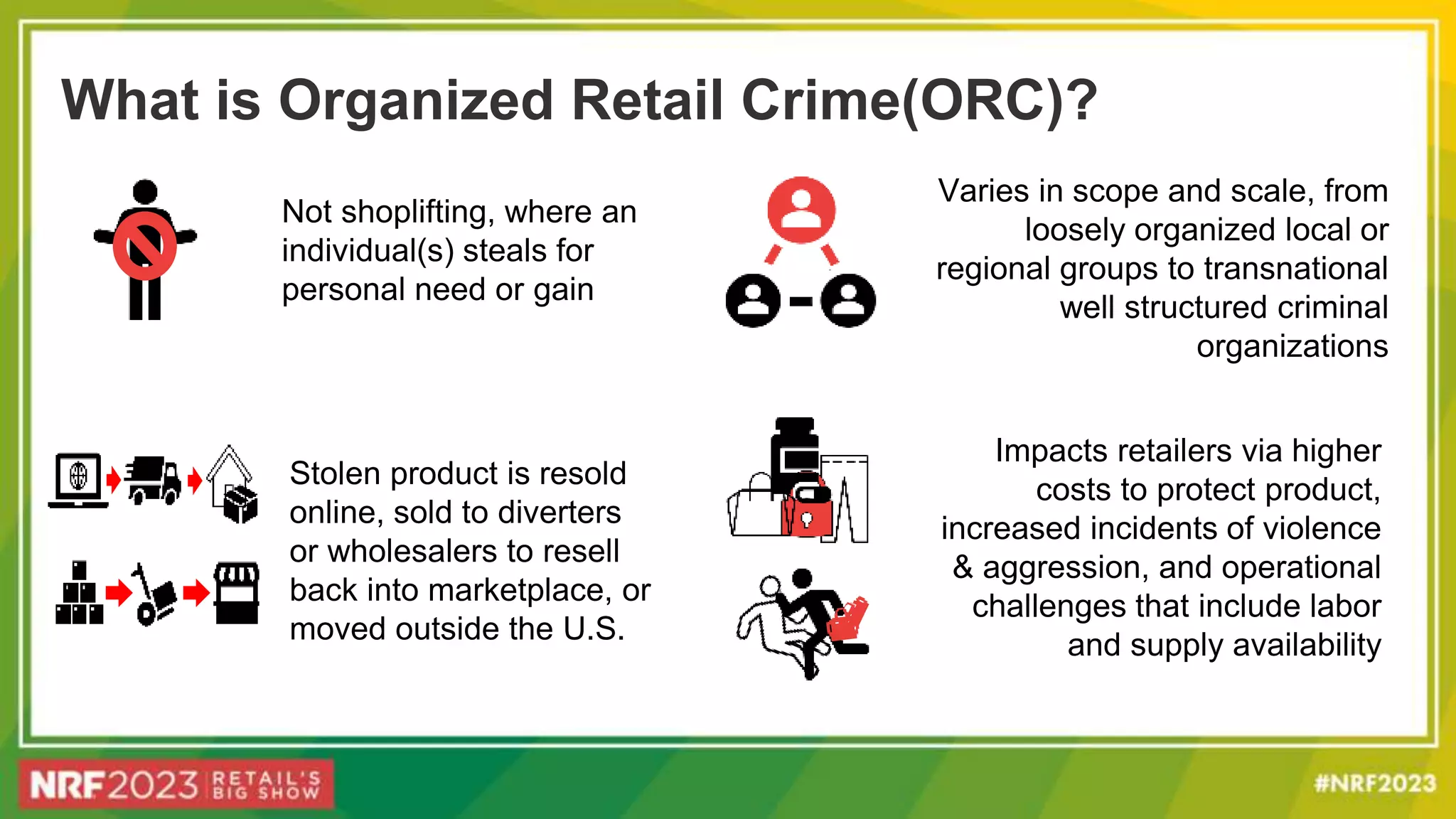
Will Organized Crime Return? Understanding the Evolution of Modern Syndicates
Organized crime is not returning in its historical, visible form; instead, it has undergone a fundamental digital and structural metamorphosis. In 2026, criminal enterprises operate through decentralized, transnational networks, priori...
Organized crime is not returning in its historical, visible form; instead, it has undergone a fundamental digital and structural metamorphosis. In 2026, criminal enterprises operate through decentralized, transnational networks, prioritizing cyber-extortion, supply chain infiltration, and complex financial laundering over the localized territorial violence that characterized the 20th-century "golden age" of syndicates.
Contents
The Myth of the "Return" vs. the Reality of Persistence
The question of whether organized crime will return often stems from a nostalgic or cinematic understanding of the Mafia, Triads, or Cartels. To the casual observer, the apparent decline in high-profile street wars and "family" hierarchies suggests that organized crime has faded. However, law enforcement data from 2026 indicates that criminal organizations are more financially solvent and globally integrated than ever before. The "return" is not a revival of the past, but an emergence from the shadows into the infrastructure of the global economy.
In the mid-20th century, organized crime was defined by physical territory. A "family" or "outfit" controlled a specific neighborhood, racketeering local businesses and managing illegal gambling. Today, the geography of crime has collapsed. A syndicate based in Eastern Europe can compromise the infrastructure of a city in South America while laundering the proceeds through decentralized finance (DeFi) protocols managed by shell companies in the South Pacific. This shift from physical territory to digital and economic nodes makes the modern syndicate less visible but far more resilient.
The Structural Shift: From Hierarchies to Decentralized Networks
Traditional organized crime was built on a rigid, top-down hierarchy. While this provided discipline, it also created a "head of the snake" that law enforcement could target using tools like the Racketeer Influenced and Corrupt Organizations (RICO) Act in the United States. By 2026, the dominant model has shifted toward Crime-as-a-Service (CaaS).
The Rise of the "Cellular" Model
Modern organizations function more like legitimate tech startups or freelance collectives. A primary "architect" might conceive of a fraud or smuggling operation but will outsource the specific components—software development, logistics, money laundering, and physical security—to independent specialist cells. These cells often do not know the identity of the other participants or the ultimate leader.
Convergence of Groups
We are also seeing a blurring of lines between different types of criminal entities. In the past, a drug cartel and a cyber-fraud ring were distinct. Today, cartels hire elite hackers to facilitate "dark" logistics and monitor law enforcement communications, while cyber-syndicates use traditional criminal routes to move physical hardware or cash. This convergence makes it difficult for specialized police units to stay ahead of the curve.
Key Drivers of Criminal Growth in 2026
Several global factors have ensured that organized crime does not just return, but thrives in the current environment. These drivers provide the "oxygen" for modern syndicates to expand their influence into the legitimate world.
- Global Supply Chain Fragility: Criminal groups have become experts at infiltrating logistical bottlenecks. By controlling or corrupting key nodes in the shipping and pharmaceutical industries, they can extort legitimate companies or facilitate the movement of illicit goods with minimal risk.
- The Digitization of Finance: While blockchain technology offers transparency, the proliferation of "privacy coins" and sophisticated "tumbling" services allows syndicates to move billions of dollars across borders in seconds.
- State-Sponsored Symbiosis: In several regions, the line between organized crime and state intelligence agencies has blurred. Certain "pariah" states utilize criminal networks to bypass international sanctions, providing these groups with sovereign protection in exchange for a percentage of their illicit revenue.
- Economic Disparity: Organized crime has always fed on social instability. In 2026, economic pressures in developing nations provide an endless supply of low-level "soldiers" for labor-intensive crimes, such as human trafficking and illegal mining.
Comparative Analysis: Traditional vs. Modern Organized Crime
The following table highlights the radical shifts in how these organizations operate, illustrating why the "return" of crime looks nothing like its predecessor.
| Feature | Traditional Model (Pre-2000s) | Modern Model (2026) |
|---|---|---|
| Primary Goal | Local Territorial Control | Global Market Manipulation |
| Organizational Structure | Rigid Hierarchy (Boss/Capo) | Decentralized "Cellular" Networks |
| Revenue Stream | Protection Rackets, Physical Drugs | Cyber-extortion, Data Theft, DeFi Fraud |
| Visibility | High (Public violence, "Social Clubs") | Low (Encrypted comms, shell companies) |
| Law Enforcement Focus | Local Police & National Bureaus | International Coalitions (Interpol/Europol) |
| Money Laundering | Cash-heavy businesses (Casinos, Bars) | Digital Assets, Real Estate, Trade-Based ML |
The "Gray Zone": Infiltration of Legitimate Industries
Perhaps the most concerning aspect of the current criminal landscape is the infiltration of legitimate business sectors. Organized crime is no longer just "outside" the law; it is increasingly embedded within the legal economy.
Real Estate and Construction
High-end real estate remains a favorite vehicle for laundering massive amounts of capital. In many global financial centers, "ghost" apartments owned by anonymous offshore entities serve as stationary bank vaults. This drives up housing costs for legitimate citizens and creates an artificial bubble fueled by illicit wealth.
Environmental Crime
One of the fastest-growing sectors for organized crime in 2026 is environmental exploitation. This includes illegal logging, gold mining, and toxic waste dumping. These activities are often lower-risk than drug trafficking but offer comparable profit margins, as they leverage existing global commodity markets that frequently lack rigorous "know-your-source" protocols.
Challenges for Law Enforcement and Regulatory Bodies
The evolution of organized crime has forced a total rethink of policing. Traditional undercover operations are increasingly difficult when the "inner circle" of a criminal group only communicates via quantum-resistant encryption or within virtual reality environments.
- Jurisdictional Hurdles: Crime is global, but law is national. Syndicates exploit the lack of extradition treaties or differing legal definitions of "cybercrime" to create safe havens.
- Technological Arms Race: Law enforcement agencies, such as the FBI and Europol, must now compete for the same high-level tech talent as the syndicates themselves.
- The Burden of Evidence: Proving a "conspiracy" in a decentralized network requires a level of data analysis that overwhelms many traditional court systems.
Frequently Asked Questions
Is the "classic" Mafia still a threat?
The Italian-American Mafia and the original Sicilian Cosa Nostra have significantly evolved. While they still exist, they have largely moved away from street-level violence and into white-collar crime, such as labor union manipulation and healthcare fraud. They are less of a public safety threat in terms of random violence but remain a significant economic drain.
How does cyber-organized crime differ from a "lone hacker"?
A lone hacker might steal a few credit cards or deface a website. Organized cyber-syndicates operate like multinational corporations. They have HR departments, customer service for their ransomware victims, and R&D teams dedicated to finding "zero-day" vulnerabilities in global infrastructure.
Why does organized crime thrive during periods of inflation or crisis?
During economic downturns, legitimate credit dries up. Criminal organizations, sitting on vast reserves of "dark" cash, step in as predatory lenders. Furthermore, when people are desperate, they are more likely to engage in the "gig economy" of crime, such as acting as "money mules" for laundering operations.
Can organized crime ever be fully "defeated"?
Criminologists generally agree that organized crime cannot be eliminated as long as there is high demand for prohibited goods and services. However, it can be "managed" and its influence on the legitimate economy can be mitigated through international cooperation, strict financial transparency laws, and robust anti-corruption measures.
What is the most dangerous form of organized crime in 2026?
The most dangerous form is the Transnational Criminal Organization (TCO) that engages in "poly-drug" trafficking (including synthetic opioids) and human trafficking. These groups are responsible for the highest loss of life and the most significant destabilization of regional governments.
Moving Toward a Proactive Defense
As we navigate the complexities of 2026, the strategy for addressing organized crime must shift from reactive arrests to systemic disruption. The "return" of these groups into our social and economic fabric requires a multi-faceted response:
- Strengthening Financial Intelligence: Enhancing the ability of banks to detect trade-based money laundering and the movement of illicit digital assets.
- International Harmonization: Creating unified legal frameworks that prevent syndicates from hiding in "regulatory havens."
- Public Awareness: Educating the public and business owners on how to recognize the subtle signs of infiltration, from suspicious investment offers to supply chain irregularities.
The battle against organized crime in 2026 is no longer fought on the docks or in back alleys; it is fought in the code of our financial systems and the integrity of our global institutions. Understanding that the threat has changed is the first step in ensuring that the "return" of the syndicate does not become a permanent fixture of modern life.
Image Gallery