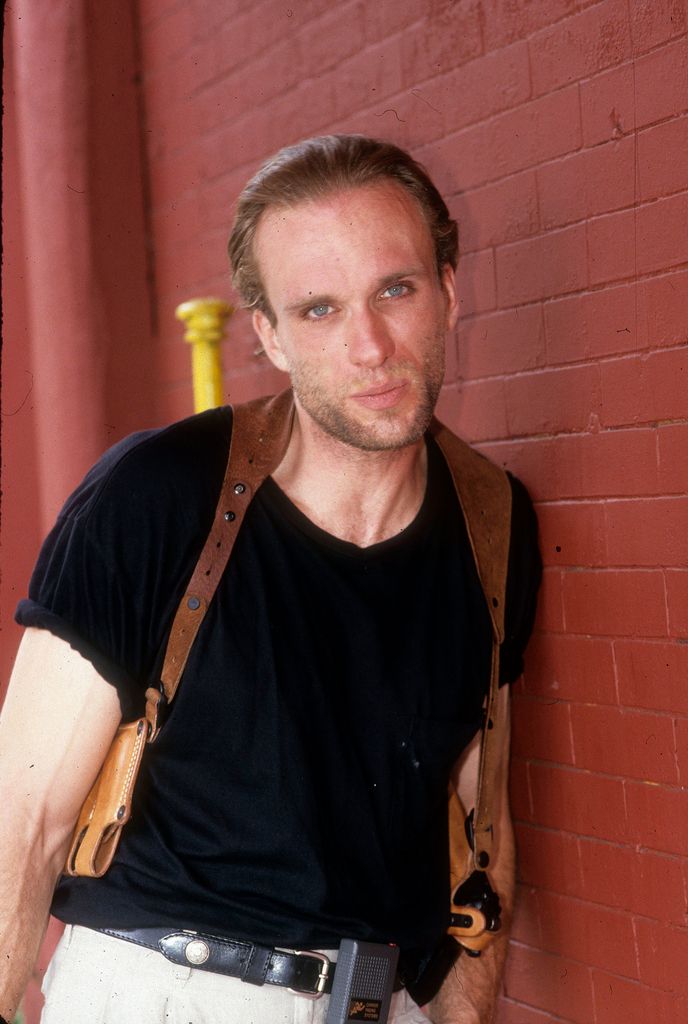
Peter Green’s Death Cause Explained: Life, Health, and Legacy of a Blues Icon
Peter Green, the legendary founder of Fleetwood Mac and one of the most influential guitarists of the 20th century, passed away peacefully in his sleep on July 25, 2020, at the age of 73. While his death was attributed to natural cause...
Peter Green, the legendary founder of Fleetwood Mac and one of the most influential guitarists of the 20th century, passed away peacefully in his sleep on July 25, 2020, at the age of 73. While his death was attributed to natural causes, his long history of mental health struggles and the physical toll of a turbulent life have remained subjects of intense interest for fans and historians alike.
Contents
The Final Days in Canvey Island: July 2020
Peter Green spent his final years living a relatively quiet and modest life in Canvey Island, Essex. By the summer of 2020, he had long retreated from the frantic pace of the global music industry, preferring a simpler existence. On July 25, 2020, a statement released by his family's solicitors, Swan Turton, confirmed that the musician had died.
The announcement was brief and respectful, stating that he "passed away peacefully in his sleep." For a man whose life had been marked by periods of extreme psychological distress and public scrutiny, this peaceful end was seen by many as a merciful conclusion. There were no reports of sudden illness, accidents, or complications from COVID-19, which was a significant concern globally at the time of his death.
In the years leading up to his passing, those close to Green noted that while he was no longer the "Green God" of the late 1960s, he had found a degree of contentment. He spent his time listening to music, collecting vinyl, and occasionally playing the guitar for his own pleasure. His death at 73, while saddening to the music community, was consistent with natural aging for someone who had experienced the physical and mental rigors associated with his specific life path.
Understanding the Medical Background: A Life of Resilience
To fully explain the context of Peter Green’s death, one must examine the profound health challenges he navigated for five decades. His "cause of death" in a clinical sense may have been natural, but his life was defined by a resilience against debilitating mental illness.
The Munich Incident and the "Breakdown"
The most pivotal moment in Green’s health history occurred in March 1970. During a Fleetwood Mac tour in Germany, Green visited a "Highfisch-Kommune" in Munich. It was here that he reportedly consumed a high dose of impure LSD. Bandmates Mick Fleetwood and John McVie have frequently cited this evening as the catalyst for Green’s personality shift.
Following this incident, Green became increasingly obsessed with religious themes and the perceived "evil" of the band’s wealth. He began wearing crucifixes and robes, eventually insisting that the band give away all their money to charity. This was not merely a philosophical shift; it was the beginning of a profound psychological detachment from reality that eventually led to his departure from the band in May 1970.
Diagnosis and Psychiatric Care
In the mid-1970s, Green was formally diagnosed with drug-induced schizophrenia. This period of his life was marked by several institutionalizations in psychiatric hospitals. During this era, the treatment for schizophrenia often involved Electroconvulsive Therapy (ECT), which Green underwent multiple times.
The long-term effects of heavy LSD use combined with the primitive psychiatric treatments of the 1970s had a lasting impact on his cognitive and physical state. Many associates noted that after his sessions of ECT, Green’s personality seemed "dulled" compared to the sharp, witty, and visionary leader he had been in the late 1960s. Understanding these medical interventions is crucial because they explain why Green remained out of the public eye for so long; he wasn't just "retired," he was recovering from significant neurological and psychological trauma.
The Physical and Psychological Toll of Fame
The curiosity surrounding Peter Green’s death often stems from the contrast between his early vitality and his later reclusiveness. Between 1973 and 1995, Green lived what many call his "lost years." During this time, he lived in obscurity, often drifting between the homes of family members and friends.
His physical health during these years was neglected. He worked various odd jobs, including as a hospital porter and a gravedigger, and for a long period, he reportedly stopped playing the guitar entirely. The lack of a stable environment, combined with the side effects of anti-psychotic medications, contributed to a decline in his general physical fitness.
However, it is important to note that by the mid-1990s, Green experienced a significant stabilization. This was largely due to the intervention of his brother and friends, who helped him move away from heavy medications and toward a more managed form of therapy. This stabilization allowed for his "comeback" with the Peter Green Splinter Group, proving that his earlier decline was not a permanent loss of his faculties but a long-term struggle with a treatable condition.
The Later Years: A Return to Simplicity
By the early 2000s, Peter Green had stepped back from the Splinter Group and the rigors of touring. He moved to Canvey Island, a choice that reflected his desire for a life away from the spotlight. In this environment, his health remained stable but fragile.
Medical experts often note that individuals with chronic schizophrenia have a slightly lower life expectancy than the general population, often due to the long-term metabolic effects of medications and the stress of the condition on the cardiovascular system. However, Green reached the age of 73, which is close to the average male life expectancy in the UK for his generation.
His ability to survive the heavy drug culture of the late 60s and the aggressive medical treatments of the 70s to live a long, peaceful life in his senior years is a testament to his underlying constitution. When the family confirmed he died "peacefully in his sleep," it suggested a quiet failure of the heart or respiratory system—common in natural deaths of the elderly—rather than a violent or acute medical crisis.
Peter Green’s Health and Career Timeline
The following table outlines the key milestones in Peter Green's life that impacted his health and influenced the circumstances leading up to his passing.
| Period | Key Event | Health/Life Impact |
|---|---|---|
| 1967–1969 | Formation of Fleetwood Mac | Peak physical health and creative output. |
| March 1970 | The Munich Incident | Heavy LSD use leading to permanent psychological change. |
| 1970–1973 | Departure from Fleetwood Mac | Emerging symptoms of schizophrenia; religious preoccupation. |
| 1975–1978 | Psychiatric Hospitalization | Diagnosis of schizophrenia; treatment with ECT. |
| 1980s | The "Lost Years" | Living in obscurity; minimal physical/medical maintenance. |
| 1996–2004 | Splinter Group Era | Health stabilization; return to professional music. |
| 2010–2020 | Retirement in Canvey Island | Quiet, sedentary life; natural aging process. |
| July 25, 2020 | Passing | Died peacefully in his sleep at age 73. |
Analyzing the Curiosity Surrounding His Passing
Why does the search for "Peter Green's death cause explained" remain so frequent years after the event? The answer lies in the "mythology" of the rock star who lost his mind. For many, Green was a cautionary tale of the 1960s counter-culture. Fans look for a "hidden" cause of death because they find it hard to reconcile the image of the young, powerful guitar god with the elderly man who died quietly in a seaside town.
Furthermore, because Green was a very private individual in his later years, there was little public information about his daily health. This lack of data often leads to speculation. However, all available evidence and family testimony confirm that there were no nefarious circumstances. Peter Green simply grew old, having survived more psychological trauma than most people could endure.
Frequently Asked Questions
Did Peter Green have any known illnesses at the time of his death?
No specific terminal illnesses, such as cancer or advanced heart disease, were publicly disclosed by his family or representatives. His death was described as peaceful and occurred during sleep, which is typically indicative of natural causes related to age.
Was Peter Green's death related to his past drug use?
While heavy LSD use in the 1970s caused significant mental health issues (schizophrenia), there is no medical evidence linking his death at age 73 directly to his past substance use. The human body often recovers from the acute physical effects of drugs over decades, though the psychological impact may remain.
Where was Peter Green buried?
The family requested privacy regarding his funeral arrangements. He lived his final years in Canvey Island, Essex, and his memorial services were kept small and private to honor his desire for a quiet life away from the paparazzi and public scrutiny.
How did his bandmates react to his death?
Mick Fleetwood, who remained a lifelong friend despite their professional separation, described Green as "his dearest friend" and the "reason Fleetwood Mac existed." Other contemporaries, including David Gilmour and Eric Clapton, praised his unique touch and the profound influence he had on the blues-rock genre.
Was he still playing guitar before he died?
In his final years, Green played the guitar occasionally at home but had largely lost the "fire" that characterized his early work. He told interviewers in his later years that he preferred listening to music—specifically old blues and jazz records—rather than creating it, as the pressure of performance was often a trigger for his anxiety.
Practical Recommendation for Fans and Researchers
If you are looking to understand the life and passing of Peter Green more deeply, the most accurate resources are the authorized biographies and the 2009 documentary Peter Green: Man of the World. These sources provide a balanced view of his medical history without the sensationalism often found in tabloid reports.
For those moved by his struggle with schizophrenia, contributing to mental health organizations such as Mind (UK) or the Schizophrenia & Psychosis Action Alliance is a meaningful way to honor his legacy. As of 2026, his music continues to be remastered and released, ensuring that while the man passed away, the "Green God" guitar tone remains eternal.
Image Gallery