Easy Songs to Play on the Piano: A Comprehensive Guide to Sheet Music and Skill Development
Finding accessible, high-quality sheet music is the primary hurdle for beginners seeking to build confidence and technique on the piano. Selecting the right repertoire—pieces that are musically satisfying yet technically manageable—is...
Finding accessible, high-quality sheet music is the primary hurdle for beginners seeking to build confidence and technique on the piano. Selecting the right repertoire—pieces that are musically satisfying yet technically manageable—is essential for sustained progress, ensuring that the learning process remains rewarding rather than frustrating during your first years of study.
Contents
Understanding Piano Notation for Beginners
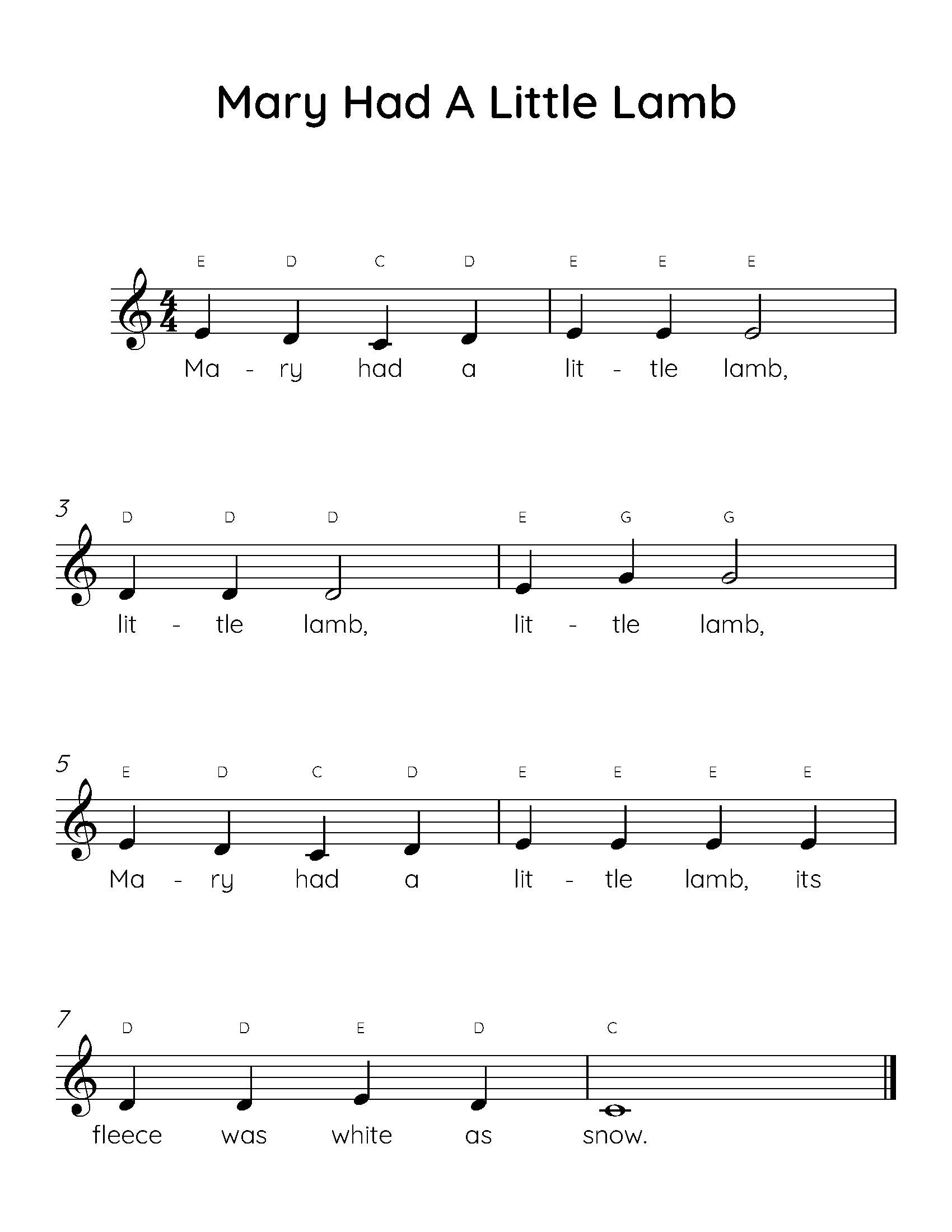
Before selecting specific pieces, it is vital to understand the structure of sheet music. Piano notation consists of the grand staff, which uses the treble clef for the right hand and the bass clef for the left hand. For beginners, "easy" usually implies a specific set of characteristics: a consistent time signature (typically 4/4), a limited hand position (staying within five fingers, known as a five-finger pattern), and a lack of complex rhythmic syncopation.
When browsing for sheet music, look for versions labeled "Easy Piano," "Big Note," or "Late Elementary." These editions often feature larger font sizes for notes, simplified arrangements that omit rapid arpeggios, and fingering numbers printed above the notes to guide your hand placement. Using professional arrangements from reputable publishers like Hal Leonard or Alfred Music ensures that the harmonic structure of the song remains intact, even when simplified.
Essential Criteria for Selecting Your First Pieces
Not all "easy" arrangements are created equal. An effective beginner piece should help you develop specific foundational skills. When reviewing potential sheet music, prioritize the following attributes:
- Hand Independence: Choose pieces that allow the left hand to hold long, sustained bass notes while the right hand plays the melody. This is the first step toward true coordination.
- Minimal Position Shifts: A song that requires you to move your hands frequently across the keyboard will be significantly harder than one that stays within a single octave.
- Repetition: Look for songs with a Verse-Chorus structure. Repetitive patterns allow you to master a section once and apply it multiple times throughout the piece, reducing the total amount of new information you need to memorize.
Recommended Genres for Early Development
Certain musical genres are naturally better suited for the piano's layout. Classical music, particularly pieces from the Baroque and Classical eras, often utilizes predictable scales and arpeggios that help with finger dexterity. Conversely, contemporary pop and rock ballads are excellent for learning chord-based structures.
Comparison of Music Types for Piano Learners
| Genre | Technical Focus | Why It Works for Beginners |
|---|---|---|
| Classical | Fingering and Scales | Develops precision and clear note articulation. |
| Pop Ballads | Chord Progressions | Builds familiarity with common I-IV-V chord patterns. |
| Folk/Traditional | Simple Melodic Lines | Easy to sing along to, which aids in rhythm retention. |
| Film Scores | Atmospheric Resonance | Often uses slow, sustained chords that sound impressive early on. |
Where to Acquire Reliable Sheet Music
In 2026, the landscape for acquiring sheet music is divided between digital platforms and physical print editions. Digital sheet music services, such as Musicnotes, allow you to transpose keys instantly—a massive advantage if you find a song's original key too difficult due to complex sharps or flats.
Physical books, conversely, provide a structured progression. Choosing a "Method Book" from a recognized series (such as the Alfred Adult All-In-One Course) often includes a sequence of easy songs that are specifically ordered to introduce new technical concepts as your ability grows. Avoid downloading "user-created" tabs or transcriptions from unverified forums, as these often contain rhythmic errors that can lead to bad playing habits that are difficult to correct later.
Avoiding Common Mistakes
One of the most frequent errors for new pianists is attempting "advanced" pieces that have been "simplified" to the point of being unrecognizable or poorly fingered. If a piece requires you to stretch your hand beyond an octave or play multiple black keys simultaneously (chromaticism) before you are ready, it will stall your progress.
Another trap is neglecting rhythm. Beginners often focus entirely on hitting the right notes while ignoring the duration of those notes. Use a metronome from day one. Even at a very slow tempo, playing with a consistent pulse is the hallmark of a skilled musician. If you cannot play a passage at a slow, steady pace, you cannot play it correctly at full speed.
Troubleshooting Your Practice Routine
If you find yourself stuck on a specific measure, do not repeat the entire song from the beginning. Isolate the "trouble spot"—usually one or two measures—and practice them in a loop. If the coordination between your left and right hands is the issue, practice the hands separately until each hand can play its part without conscious thought. Once the hands are "programmed," combine them slowly.
Remember that piano mastery is a cumulative process. The skills you learn in a simple arrangement of a pop song—such as reading ledger lines or sustaining a note with the pedal—are the exact same skills required for more complex works.
Frequently Asked Questions
How long should I spend learning one easy song? Most beginners should aim to learn one song every two to three weeks. This allows enough time to move beyond simple note-recognition and into musical expression and steady rhythm.
Are digital apps better than traditional sheet music? Apps are excellent for interactive feedback, but traditional paper or PDF sheet music is better for developing the ability to sight-read independently. Use apps for motivation, but rely on static sheet music for core study.
Do I need a teacher if I have easy sheet music? While you can learn songs alone, a teacher provides essential feedback on posture and tension. If you choose to self-teach, record yourself playing and compare your performance to a professional recording to identify issues in timing or dynamics.
What is the best way to handle sharps and flats? Learn your "key signatures" early. Most "easy" songs are written in C Major (no sharps or flats) or G Major (one sharp). Master these two keys before attempting songs with more complex signatures to avoid unnecessary frustration.
How do I know if a piece is too hard? If you have been practicing a single page of music for more than a month without being able to play it through at a slow, consistent tempo, it is likely above your current level. Set it aside and work on simpler material for a few weeks before returning to it.
Next Steps for the Aspiring Pianist
Start by selecting three songs you genuinely enjoy—familiarity helps the brain identify when you have played a wrong note. Visit a reputable music retailer or a licensed digital sheet music provider to purchase a "Big Note" or "Easy Piano" collection. Commit to a practice schedule of 20 minutes daily, rather than two hours once a week. Consistent, short sessions yield significantly better results in muscle memory development than sporadic, long practice sessions. Begin with the melody in the right hand, establish the rhythm with the left, and focus on clean, intentional movement over speed.
Image Gallery