The Leading CRM Platforms for Sustainable Initiatives in 2026
The leading CRM platforms for sustainable initiatives in 2026 are specialized software ecosystems that integrate Environmental, Social, and Governance (ESG) data with core relationship management. Systems like Salesforce Net Zero Cloud...
The leading CRM platforms for sustainable initiatives in 2026 are specialized software ecosystems that integrate Environmental, Social, and Governance (ESG) data with core relationship management. Systems like Salesforce Net Zero Cloud, Microsoft Sustainability Manager, and SAP Sustainability Control Tower lead the market by providing automated carbon accounting, supply chain transparency, and real-time regulatory compliance reporting.
Contents
The Evolution of CRM: From Sales to Sustainability
By 2026, the definition of Customer Relationship Management (CRM) has expanded significantly. While these platforms were once dedicated almost exclusively to sales pipelines and customer support, they now serve as the central nervous system for corporate responsibility. The "relationship" in CRM now encompasses stakeholders, regulators, communities, and the environment itself.
This shift is driven by the global demand for transparency. Organizations no longer view sustainability as a marketing exercise; it is a core operational requirement. The integration of ESG metrics into CRM platforms allows companies to align their profit motives with planetary boundaries. In this landscape, a "Sustainability CRM" is defined by its ability to ingest data from across the enterprise—utility bills, travel records, supplier disclosures—and transform it into actionable insights and audit-ready reports.
Modern platforms leverage artificial intelligence to predict future carbon trajectories and suggest mitigation strategies. This evolution ensures that sustainability is not a siloed department but is instead woven into every customer interaction and business decision.
Top-Tier CRM Solutions for Sustainable Initiatives
Several major technology providers have established dominance in the sustainability space by 2026. These platforms are distinguished by their depth of integration, ease of use, and adherence to international reporting standards.
Salesforce Net Zero Cloud
Salesforce has maintained its position as a pioneer with Net Zero Cloud. Integrated directly into the core Salesforce platform, it allows users to see their carbon footprint alongside their customer data.
In 2026, its primary strength lies in Einstein AI for Net Zero, which provides "What-If" analysis for carbon reduction strategies. If a company considers switching a regional delivery fleet to electric vehicles, the CRM can project the impact on both the carbon footprint and the customer delivery experience. Furthermore, its Social & Governance Investor Sharing features allow companies to share ESG progress directly with stakeholders through secure portals.
Microsoft Sustainability Manager
Part of the Microsoft Cloud for Sustainability, this solution leverages the vast Azure ecosystem. It is particularly effective for organizations heavily invested in the Microsoft 365 and Dynamics 365 environments.
The platform excels at data orchestration. By 2026, it uses a Common Data Model for Sustainability, which standardizes how environmental data is captured across different industries. Its integration with Power BI provides the most robust visualization capabilities in the market, allowing executives to drill down from global emission totals to the energy usage of a single specific data center or office building.
SAP Sustainability Control Tower
SAP’s approach is rooted in its legacy as an Enterprise Resource Planning (ERP) leader. The Sustainability Control Tower treats "carbon like cash." It integrates sustainability data directly into the financial ledger, a concept often referred to as "Green Ledger" accounting.
This platform is the preferred choice for large-scale manufacturing and logistics companies. In 2026, SAP’s strength is its ability to handle Scope 3 emissions—those generated in a company's value chain. By connecting to the SAP Business Network, companies can request and verify emissions data from thousands of suppliers in real-time, reducing the reliance on industry averages and estimates.
Oracle Cloud ESG Performance Management
Oracle focuses on the "Performance Management" aspect of sustainability. Its platform is designed for CFOs and Chief Sustainability Officers who need to align ESG goals with corporate financial planning. Oracle’s solution is highly regarded for its regulatory agility, automatically updating reporting templates as jurisdictions like the EU or the SEC modify their disclosure requirements.
Core Capabilities of a Green CRM
To be considered a leader in 2026, a CRM must offer more than just a dashboard. It must facilitate the entire lifecycle of a sustainable initiative, from data collection to verified reporting.
Automated Data Ingestion and IoT Integration
The most significant hurdle in sustainability is data collection. Leading CRMs now use APIs and Internet of Things (IoT) sensors to pull data directly from smart meters, fleet management systems, and building automation tools. This eliminates the manual entry errors that plagued early ESG efforts. For example, a global retailer's CRM can automatically record the energy consumption of 500 stores and calculate the associated emissions based on the local energy grid’s carbon intensity.
Stakeholder and Community Engagement
Sustainable initiatives often involve community outreach and social impact programs. CRM platforms facilitate this by tracking interactions with non-profits, community leaders, and local governments. These tools help organizations manage "Social" (the S in ESG) by documenting fair labor practices, diversity initiatives, and charitable contributions, ensuring these efforts are quantified rather than merely anecdotal.
Supply Chain Transparency (Scope 3 Tracking)
Scope 3 emissions, which occur upstream and downstream of a company’s direct operations, typically represent the largest portion of a carbon footprint. Leading CRMs in 2026 provide "Supplier Portals" where vendors can upload their own carbon data. The CRM then applies blockchain-based verification or third-party audit trails to ensure the data is accurate, providing a transparent view of the total lifecycle impact of a product.
Comparative Analysis of Leading Platforms
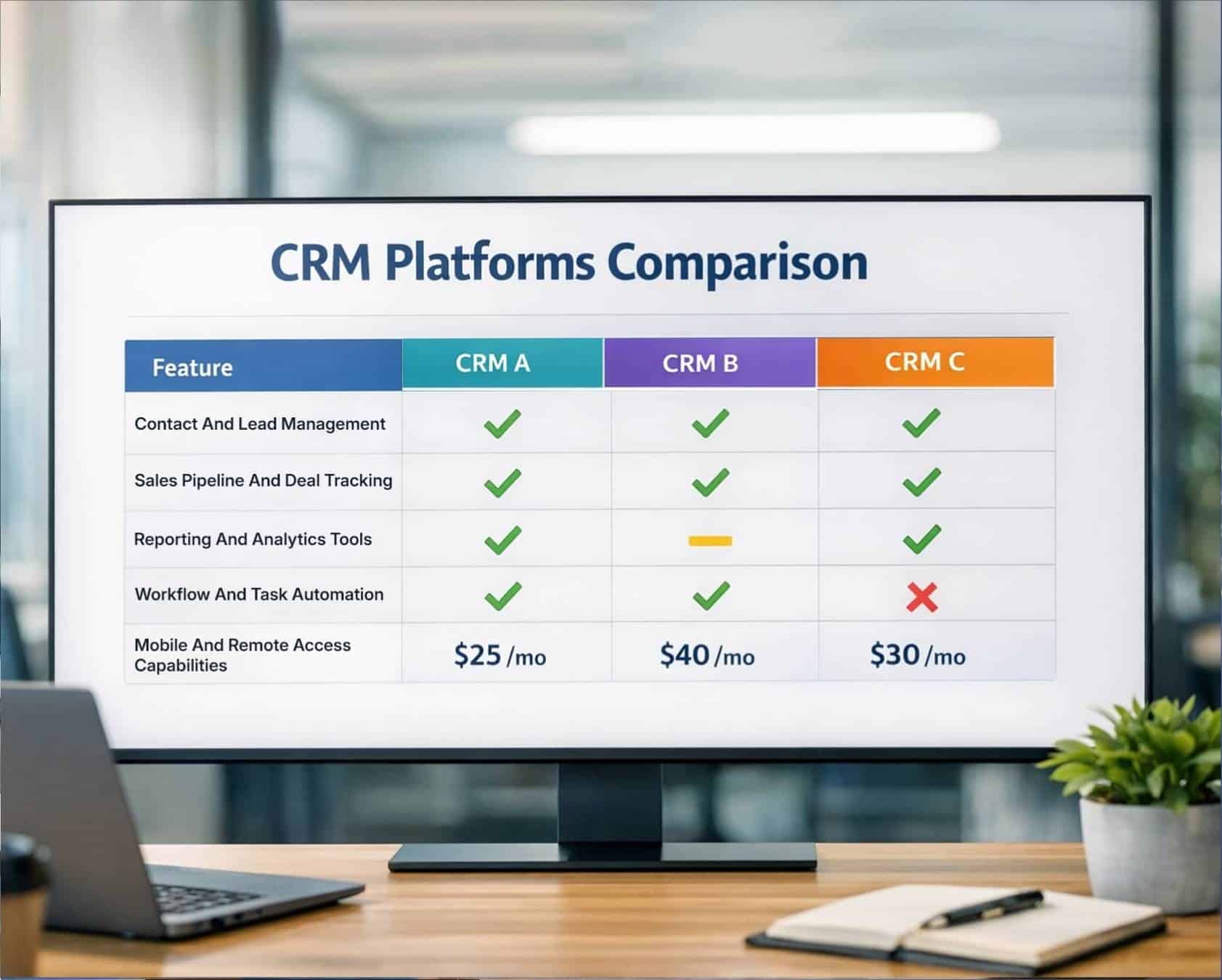
The following table compares the primary features and target markets for the leading sustainability CRM modules in 2026.
| Platform | Primary Strength | Best For | Key Reporting Standards Supported |
|---|---|---|---|
| Salesforce Net Zero Cloud | AI-driven insights & stakeholder portals | Service & Sales-heavy orgs | CSRD, IFRS S1/S2, TCFD |
| Microsoft Sustainability Manager | Data orchestration & visualization | Tech-integrated enterprises | GRI, SASB, CDP |
| SAP Sustainability Control Tower | Financial integration (Green Ledger) | Manufacturing & Logistics | CSRD, EU Taxonomy, SEC |
| Oracle ESG Performance Mgt | Regulatory agility & planning | Finance-focused ESG | SEC, IFRS, Global Regulations |
| Workday ESG Solutions | Workforce & Social impact tracking | Human Capital-centric firms | GRI, Diversity Disclosure |
Implementation Challenges and Considerations
While the technology has advanced, implementing a sustainability-focused CRM in 2026 remains a complex undertaking. Organizations often encounter three primary hurdles:
- Data Fragmentation: Many companies have "dirty data" scattered across legacy systems. Cleaning this data so it can be ingested by a modern CRM is a significant prerequisite.
- Scope 3 Complexity: Getting suppliers to provide accurate data is difficult. Leading platforms help by offering pre-built connectors, but the human element of supplier relationship management remains critical.
- Cost of Accuracy: While basic modules may be affordable, the high-end features required for "audit-grade" data (such as third-party verification tools) can be expensive. Companies must balance the cost of the software against the potential legal and financial risks of inaccurate ESG reporting.
To mitigate these challenges, experts recommend a phased approach: start with Scope 1 (direct) and Scope 2 (purchased energy) emissions before attempting the complexities of Scope 3.
Frequently Asked Questions
What is the difference between a CRM and a dedicated ESG platform?
While a dedicated ESG platform focuses solely on environmental and social metrics, a CRM integrates this data with customer and stakeholder relationships. The advantage of a CRM is that it allows sustainability to influence business strategy directly—for example, by identifying which high-value customers prefer eco-friendly products. In 2026, the lines are blurring as CRMs absorb many features of standalone ESG software.
How does AI improve sustainability reporting in 2026?
AI in modern CRMs serves two main roles: data gap filling and predictive modeling. If a data point is missing from a specific warehouse, AI can use historical data and peer benchmarks to estimate it accurately. More importantly, AI identifies patterns that humans might miss, such as suggesting that shifting shipping schedules by two days could reduce carbon emissions by 15% due to more efficient transport utilization.
Are these platforms compliant with the Corporate Sustainability Reporting Directive (CSRD)?
Yes, all the leading platforms—Salesforce, SAP, and Microsoft—have updated their software to ensure compliance with the European Union’s CSRD and the International Sustainability Standards Board (ISSB) guidelines. These platforms include templates that map data points directly to the required disclosures, significantly reducing the time required for annual reporting.
Can a small business use these leading CRM platforms?
While Salesforce and Microsoft offer "Essentials" versions of their sustainability modules, these are often still geared toward mid-market and enterprise companies. However, by 2026, a new tier of "SME-first" green CRMs has emerged, focusing on simpler interfaces and lower price points for businesses that need to report to their larger enterprise clients but don't require global-scale ERP integration.
What are the Scope 3 tracking capabilities in modern CRMs?
Leading CRMs now use a "Carbon Accounting" approach for Scope 3. This includes spend-based methods (calculating emissions based on dollars spent with a vendor) and activity-based methods (actual data provided by the vendor). Most platforms now include "Supplier Socialization" tools that help onboard vendors into the reporting ecosystem.
Practical Recommendations for Selecting a Platform
When choosing a CRM for sustainable initiatives, the decision should be guided by your existing technology stack and your specific reporting requirements.
If your organization is already using Salesforce for sales and service, Net Zero Cloud is the most logical choice due to its seamless UI and data integration. For manufacturing firms with complex global supply chains, SAP Sustainability Control Tower offers the depth required to track the "green" value of every component.
Before committing to a platform, ensure that it supports the specific regulatory frameworks relevant to your jurisdictions—such as the IFRS S1 and S2 standards (IFRS Official Site). Finally, look for a solution that offers a clear "path to audit." As ESG reporting becomes as legally binding as financial reporting, the ability to trace every carbon gram back to its source will be your most valuable asset.
Image Gallery