Will Liquid Bandage Kill a Wart? Effectiveness, Risks, and Better Alternatives
Liquid bandage can help eliminate a wart through a process known as occlusion therapy, but it does not contain medication to "kill" the virus directly. By creating an airtight seal, it deprives the wart of oxygen and irritates the skin...
Liquid bandage can help eliminate a wart through a process known as occlusion therapy, but it does not contain medication to "kill" the virus directly. By creating an airtight seal, it deprives the wart of oxygen and irritates the skin, which may trigger an immune response to clear the infection.
Contents
Warts are among the most persistent skin conditions encountered in dermatological practice. As of 2026, while medical technologies like laser therapy and advanced cryosurgery have become more accessible, many individuals still turn to home-based solutions for common warts. One such unconventional method is the use of liquid bandage—a product typically reserved for sealing minor cuts and scrapes.
Understanding whether liquid bandage is a viable treatment requires a look into the biology of warts, the mechanics of occlusion therapy, and how this method compares to standardized over-the-counter (OTC) treatments.
The Biology of Warts and the HPV Virus
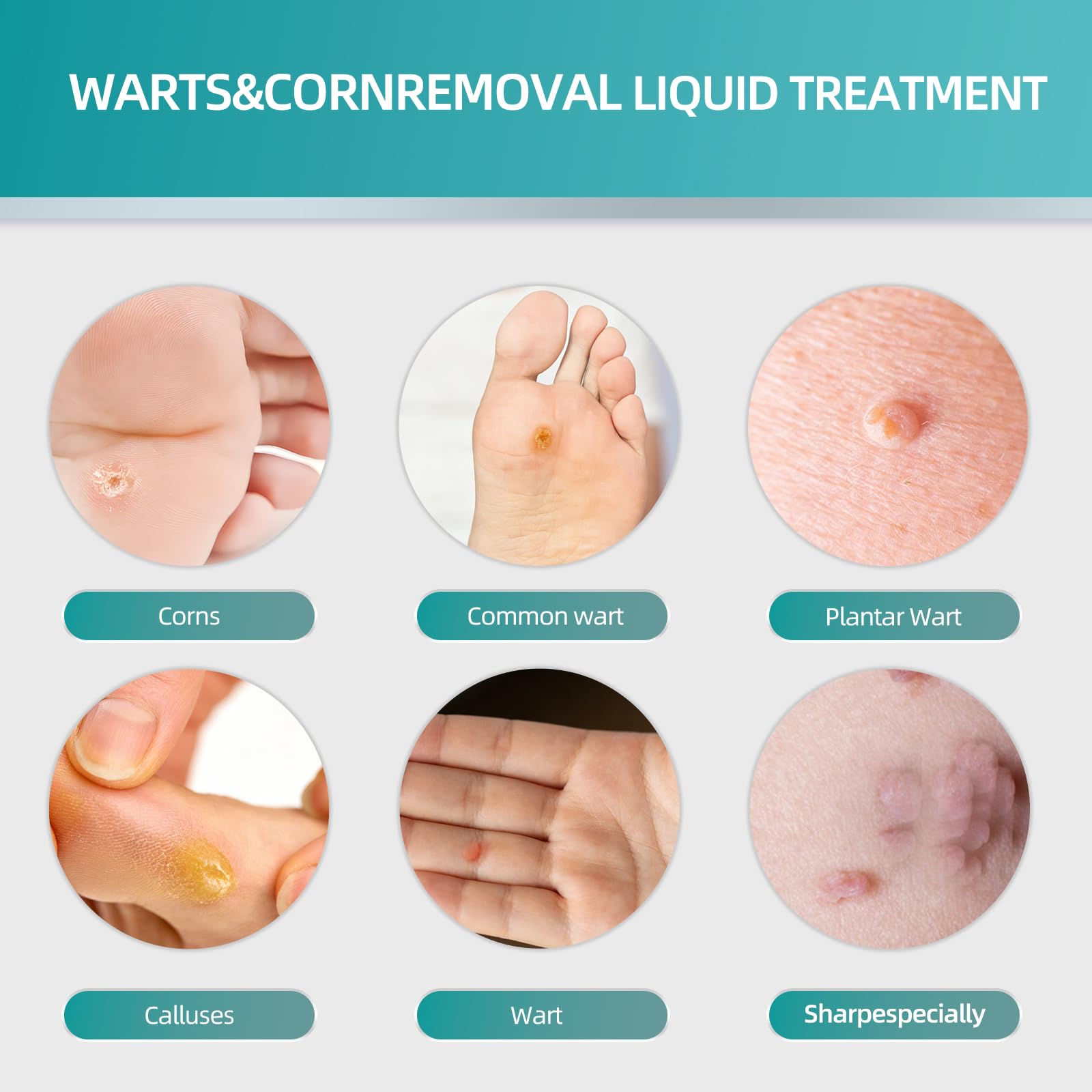
To understand if liquid bandage works, one must first understand the target. Warts are benign (non-cancerous) skin growths caused by the Human Papillomavirus (HPV). There are over 100 strains of HPV, but common warts (Verruca vulgaris) and plantar warts (Verruca plantaris) are the most frequent reasons people seek home remedies.
The virus infects the keratinocytes—the cells in the outermost layer of the skin (the epidermis). HPV causes these cells to multiply rapidly, leading to the characteristic rough, raised bump. Because the virus resides within the skin cells, "killing" a wart involves either destroying the infected tissue or prompting the body’s own immune system to recognize and attack the virus.
Warts are notorious for "hiding" from the immune system. They do not cause systemic inflammation, meaning the body often ignores them for months or even years. This is where the theory of using liquid bandage comes into play.
How Liquid Bandage Works: The Principle of Occlusion
Liquid bandage is a medical-grade adhesive, usually composed of polymers like nitrocellulose or cyanoacrylate dissolved in a solvent such as alcohol. When applied to the skin, the solvent evaporates, leaving behind a thin, flexible, and waterproof plastic film.
Using liquid bandage on a wart is a form of occlusion therapy. This is the same principle behind the "duct tape method," which gained popularity in the early 2000s following clinical studies suggesting that covering a wart could be as effective as freezing it.
Mechanisms of Action
- Oxygen Deprivation: While skin cells do not "breathe" in the traditional sense, the HPV-infected tissue requires a specific microenvironment to thrive. A constant airtight seal may disrupt the metabolic processes of the infected cells.
- Maceration: By trapping moisture against the skin, the liquid bandage softens the thick layer of keratin (hyperkeratosis) that protects the wart. This makes it easier to remove the dead skin during the debridement process.
- Immune Stimulation: The primary theory behind occlusion therapy is that the adhesive and the lack of air cause mild irritation to the skin. This localized irritation can draw the attention of the immune system to the area. Once white blood cells are recruited to the site of the irritation, they may finally detect the HPV virus and begin an antiviral response.
Liquid Bandage vs. Dedicated Wart Treatments
While liquid bandage can be used for occlusion, it is important to distinguish it from dedicated wart removal products. Most OTC wart treatments contain Salicylic Acid, typically in concentrations ranging from 17% to 40%.
| Feature | Liquid Bandage | OTC Salicylic Acid | Cryotherapy (Freezing) |
|---|---|---|---|
| Primary Ingredient | Nitrocellulose / Cyanoacrylate | Salicylic Acid | Dimethyl ether / Propane |
| Method of Action | Physical occlusion (suffocation) | Keratolytic (dissolves skin) | Thermal destruction (tissue death) |
| Pain Level | Very Low | Moderate (stinging) | High (stinging/throbbing) |
| Average Timeline | 4–12 weeks | 2–8 weeks | 1–3 treatments |
| Immune Response | Indirect / Low | Indirect / Moderate | High |
| Availability | Pharmacy / First Aid | Pharmacy / Skincare | Clinical / Home Kit |
As the table illustrates, liquid bandage lacks the keratolytic property of salicylic acid. Salicylic acid actively breaks down the protein "glue" that holds the infected skin cells together. Liquid bandage merely covers them. Consequently, using liquid bandage alone is often a much slower process than using a dedicated medication.
Step-by-Step Guide to Using Liquid Bandage for Warts
If you choose to use liquid bandage as a treatment, it must be applied with consistency and proper hygiene to prevent the spread of the virus to other parts of your body.
1. Preparation and Soaking
Before application, soak the affected area in warm water for 10 to 15 minutes. This softens the thick, calloused skin covering the wart, allowing the occlusion to be more effective.
2. Debridement
Using a disposable emery board or a pumice stone, gently file away the surface of the dead skin. Caution: Do not file so deeply that you cause bleeding. HPV spreads through blood and contact; a bleeding wart is highly contagious. Dispose of the emery board after a single use or sanitize the pumice stone thoroughly.
3. Application
Ensure the skin is completely dry. Apply a thick layer of liquid bandage directly over the wart, extending slightly onto the healthy skin surrounding it to ensure a complete seal. Allow it to dry fully.
4. Maintenance
Leave the bandage on for 24 to 48 hours. If the film begins to peel or crack, reapply it immediately. The goal is to keep the wart covered 24/7.
5. Removal and Repeat
Every few days, remove the bandage, soak the area again, file down the dead skin, and reapply a fresh layer. Continue this cycle until the wart is level with the skin and the natural skin lines (dermatoglyphics) return.
Limitations and Potential Risks
While liquid bandage is generally safe, there are several reasons why it might not be the ideal choice for everyone.
- Efficacy Rates: Occlusion therapy is hit-or-miss. While some studies on duct tape showed high success rates, subsequent studies have been inconsistent. Liquid bandage provides a thinner seal than tape, which may reduce its effectiveness.
- Irritation and Allergies: Some individuals may be sensitive to the solvents or polymers in liquid bandages, leading to contact dermatitis.
- Risk of Infection: If the area is not cleaned properly before sealing, you may trap bacteria under the film, potentially leading to a localized infection.
- Masking Malignancy: Warts can sometimes be confused with more serious skin conditions, including squamous cell carcinoma. Sealing a lesion that is not a wart can delay a necessary diagnosis.
When to Seek Professional Medical Advice
Self-treatment is generally appropriate for common warts on the hands or knees, but certain situations require a visit to a dermatologist or primary care provider.
- Location: Never use liquid bandage or OTC acid treatments on genital warts, warts on the face, or warts on sensitive mucous membranes.
- Diabetes or Neuropathy: Individuals with diabetes or poor circulation (Peripheral Artery Disease) should never self-treat warts on their feet (plantar warts), as the risk of non-healing ulcers and infection is extremely high.
- Persistence: If the wart has not shown signs of improvement after 6 to 8 weeks of consistent treatment, professional intervention like liquid nitrogen cryotherapy, electrosurgery, or immunotherapy (such as Candida antigen injections) may be necessary.
- Appearance: If the growth is bleeding, changing color, or has irregular borders, it must be evaluated by a professional to rule out skin cancer.
Frequently Asked Questions
Does liquid bandage work on plantar warts?
Plantar warts (on the bottom of the feet) are often deeper and covered by thick callouses. While liquid bandage can be used, it is rarely strong enough to penetrate the thick skin of the sole. Dedicated 40% salicylic acid pads or professional freezing are generally more effective for the feet.
How long does it take for liquid bandage to remove a wart?
Consistency is key. If the method works for your specific strain of HPV, it typically takes between 4 and 12 weeks. If you see no change after two months, the virus is likely not responding to the occlusion.
Can I use super glue instead of liquid bandage?
Super glue (cyanoacrylate) is chemically similar to some liquid bandages but often contains impurities or stronger solvents that can cause skin irritation. While some people use it successfully, medical-grade liquid bandage is formulated specifically for skin contact and is a safer alternative.
Is it safe to use liquid bandage on warts for children?
Yes, liquid bandage is generally safe for children and is often less frightening than the "stinging" associated with salicylic acid or the "burning" of cryotherapy. However, children are more likely to pick at the film, which can lead to the spread of the virus.
Can I combine liquid bandage with salicylic acid?
Yes, this is often the most effective home strategy. Applying a salicylic acid liquid, letting it dry, and then "sealing" it with liquid bandage can increase the penetration of the medication. This is known as "medicated occlusion."
Practical Recommendation
If you are dealing with a standard common wart, start with a dedicated salicylic acid treatment rather than liquid bandage alone. The chemical action of the acid combined with the protective seal of the product's own applicator is more likely to yield results. Use liquid bandage primarily as a supplementary tool to keep a medicated treatment in place or as a low-cost, painless first attempt for those with very sensitive skin or needle/doctor phobias. Always prioritize hygiene and patience, as the body requires time to recognize and clear the HPV virus.
Image Gallery