How to Cook Frozen Pizza in Oven: The Ultimate Guide for a Crispy Crust
Mastering how to cook frozen pizza in an oven requires balancing high heat to crisp the crust while melting the cheese before it burns. By preheating your baking sheet, adjusting the rack height, and monitoring bake times closely, you...
Mastering how to cook frozen pizza in an oven requires balancing high heat to crisp the crust while melting the cheese before it burns. By preheating your baking sheet, adjusting the rack height, and monitoring bake times closely, you can transform a standard store-bought pie into a meal with a golden, bubbling finish.
Contents
Understanding Frozen Pizza Dynamics
Baking a frozen pizza successfully requires understanding how cold temperatures, moisture, and high heat interact. When a pizza comes straight from the freezer, it is a solid block of ice crystals, starches, fats, and proteins.
The Science of Crust and Cheese
The primary challenge of cooking a frozen pizza is a thermodynamic race between the crust and the toppings. The crust needs intense heat to drive out moisture and achieve a crisp, sturdy bite. Simultaneously, the cheese and processed toppings need enough radiant and convective heat to melt, brown slightly, and release excess oil without overcooking.
If the oven temperature is too low, the crust thaws slowly, absorbing moisture and turning out pale, soggy, or rubbery. If the temperature is too high, the edges burn before the center reaches a safe, appetizing temperature. Finding the sweet spot—typically between 400°F and 450°F (200°C to 230°C)—allows the water inside the dough to convert to steam quickly, creating a light, airy crumb structure inside a crisp exterior.
Essential Equipment and Preparation
Before turning on the oven, gathering the right tools ensures consistent heat distribution and prevents common cooking failures, such as a stuck crust or an unevenly baked center.
Oven Setup and Accessories
While many frozen pizza boxes suggest placing the pie directly on the center oven rack, doing so can result in messy cheese drips and uneven airflow. Instead, consider these preparation strategies:
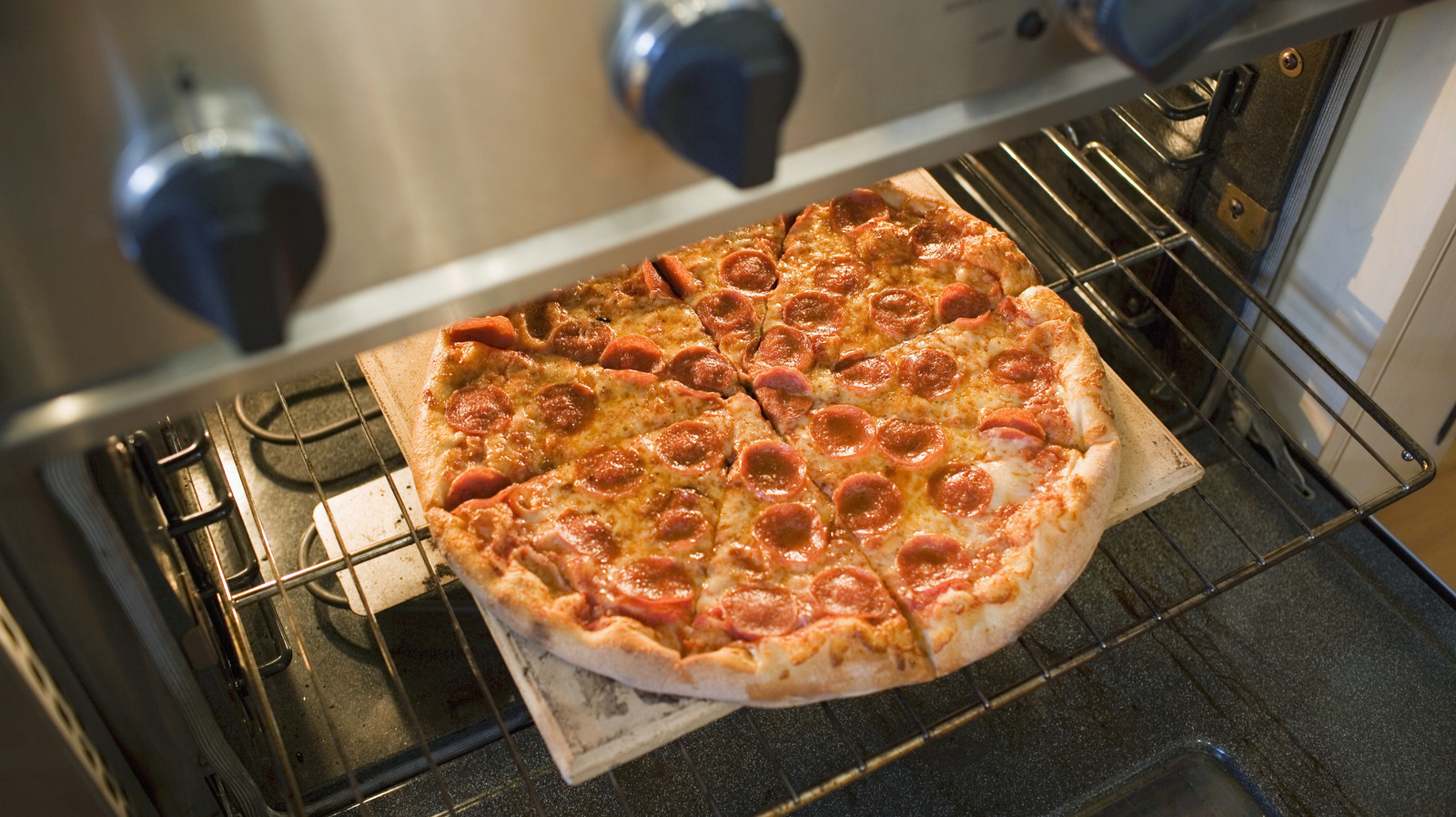
- Baking Sheets and Pizza Pans: A heavy-gauge aluminum baking sheet or a perforated pizza pan provides structural support. Preheating the pan inside the oven for 10 minutes before sliding the pizza onto it mimics the effect of a commercial pizza stone.
- Parchment Paper: Placing unbleached parchment paper between the preheated pan and the frozen pizza prevents sticking without adding extra oil or cornmeal, making cleanup effortless.
- Oven Thermometer: Many residential ovens have internal thermostats that drift by 25 to 50 degrees. Using an independent oven thermometer ensures your cooking temperature matches the box instructions or culinary best practices.
Step-by-Step Instructions: How to Cook Frozen Pizza in Oven
Follow this sequential workflow to achieve optimal results, whether you are baking a thin-crust thin-and-crispy style or a heavy deep-dish pie.
- Unwrap Pizza
- Preheat Oven & Pan (425°F)
- Adjust Rack Position
- Add Toppings (Optional)
- Bake (12-20 Min)
- Rest & Slice
Step 1: Remove All Packaging
Take the pizza out of the cardboard box and strip away all plastic wrapping, cardboard circles, and promotional labels. Leaving any plastic film on the pie creates a severe fire hazard and ruins the food. Allow the pizza to sit on the counter for 5 to 10 minutes only if you are adding extra toppings; otherwise, keep it frozen until it enters the oven.
Step 2: Preheat the Oven and Pan
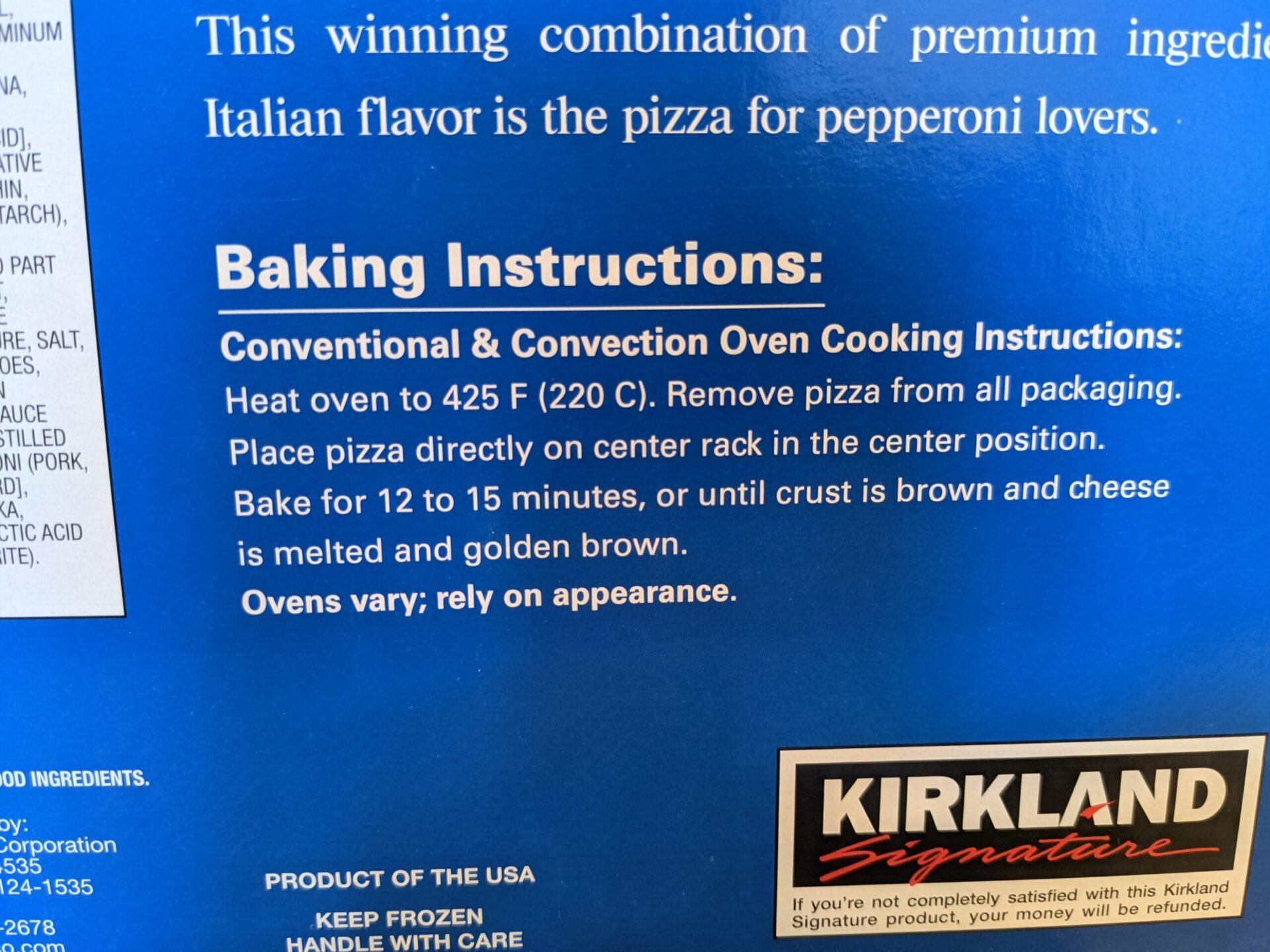
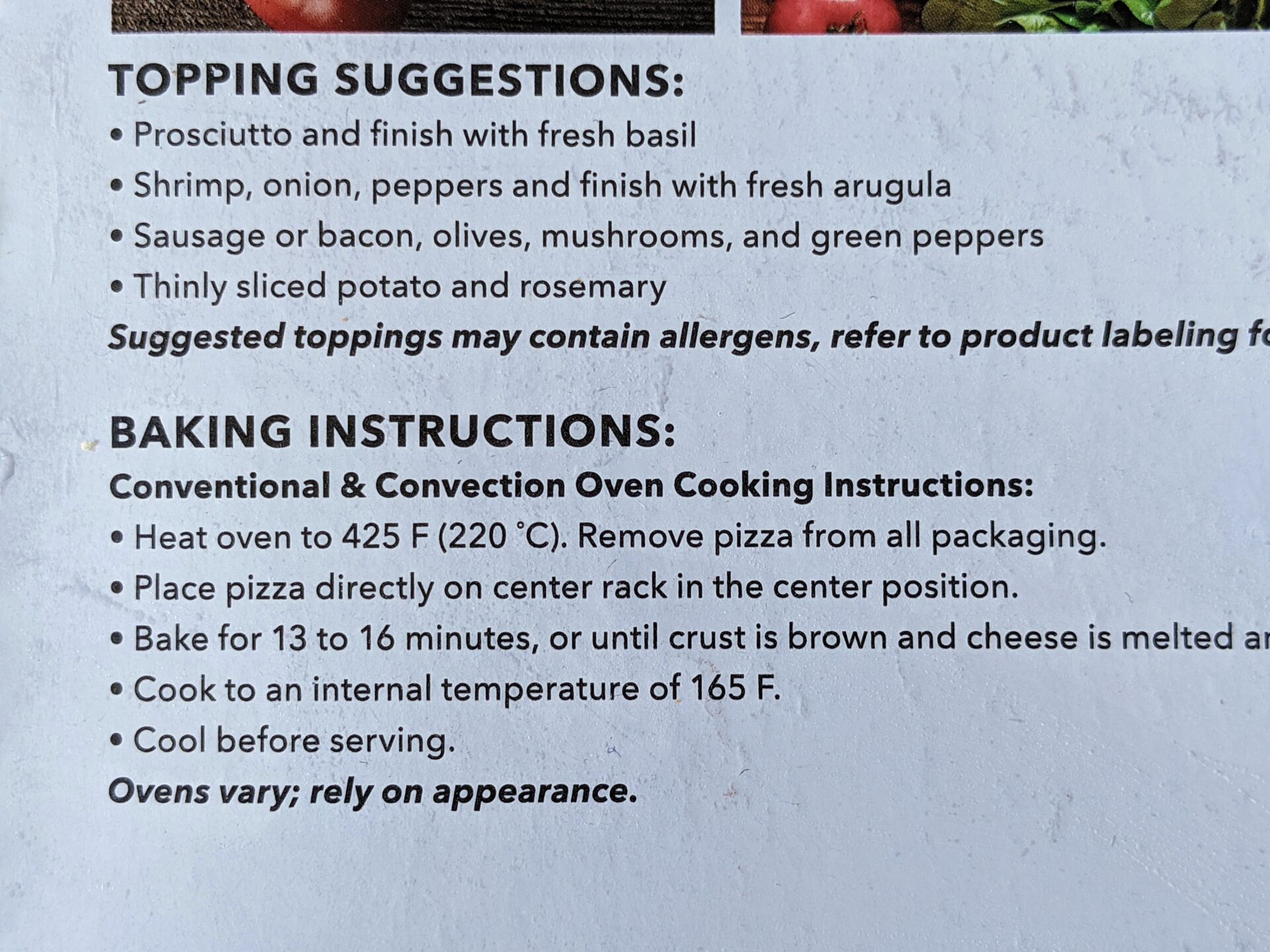
Set your oven to the temperature recommended on the box—usually between 400°F and 425°F (200°C to 220°C). If you prefer a crispier bottom crust, place a heavy baking sheet or a pizza stone on the middle rack while the oven preheats. Preheating the metal ensures an immediate thermal transfer the moment the pizza touches the surface.
Step 3: Adjust the Oven Rack
Position your oven rack in the center or lower-middle position. Avoid the top rack, as the intense broiler-like elements close to the ceiling will scorch the cheese and toppings before the dough cooks through.
Step 4: Optional Customization
If you want to enhance a plain cheese or pepperoni pizza, this is the time to do it. Add a light drizzle of olive oil to the exposed crust edges, a pinch of dried oregano, or a handful of fresh grated mozzarella. Avoid adding watery vegetables like fresh tomatoes or excessive amounts of fresh mushrooms at this stage, as they release moisture that makes the crust soggy.
Step 5: Bake to Perfection
Carefully transfer the pizza from the counter onto the preheated baking sheet or directly onto the rack using a pizza peel. Set a timer for the minimum suggested baking time on the package, typically starting around 12 minutes for thin crusts and up to 20 minutes for rising crust or stuffed-crust varieties.
Step 6: Verify Doneness
Look for three visual cues:
- The cheese is completely melted and bubbling across the entire surface.
- Small golden-brown spots appear on the cheese and edge of the crust.
- The bottom crust is rigid and holds its shape when lifted slightly with a spatula.
Step 7: Rest Before Slicing
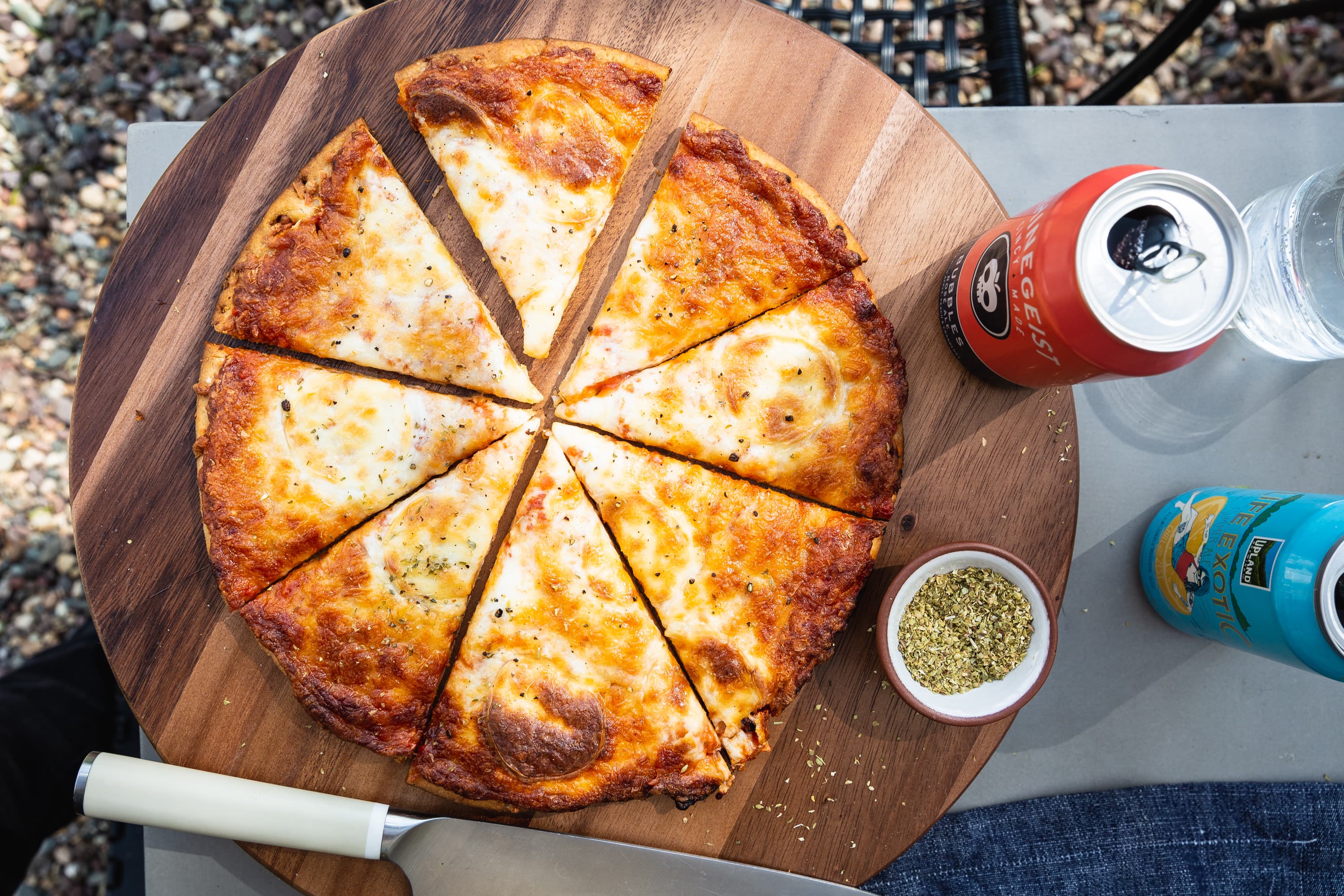
Remove the pizza from the oven and transfer it to a cutting board or wire rack. Let it rest for 3 to 5 minutes. This brief resting period allows the melted cheese and internal fats to set, preventing them from sliding off the slices when you cut into the pie.
Comparative Analysis of Baking Methods
Different styles of frozen pizzas and kitchen setups require varied approaches. The table below outlines how adjustments to your baking method affect the final texture and cooking time.
| Baking Method | Recommended Temp | Average Time | Best For | Pros & Cons |
|---|---|---|---|---|
| Direct on Rack | 400°F (200°C) | 11–15 mins | Thin-crust, crispy styles | Pro: Maximum crispiness.Cons: Risk of cheese dripping onto elements. |
| Preheated Pan | 425°F (218°C) | 14–18 mins | Rising crust, medium styles | Pro: Even browning, easy cleanup.Cons: Requires handling hot metal. |
| Pizza Stone | 450°F (232°C) | 10–14 mins | Artisanal or gourmet frozen pies | Pro: Authentic brick-oven texture.Cons: Long preheat time (30+ mins). |
| Sheet Pan (Cold Start) | 400°F (200°C) | 18–22 mins | Thick pan pizzas, deep dish | Pro: Cooks thick centers thoroughly.Cons: Bottom crust may lack crunch. |
Common Mistakes to Avoid
Even experienced home cooks occasionally make errors that compromise the texture of a frozen pizza. Avoid these pitfalls for consistently better results:
- Baking from a Thawed State: Unless explicitly designed to be thawed, letting a frozen pizza sit out on the counter makes the crust soggy as ice melts into the dough. Always bake straight from the freezer.
- Skipping the Preheat: Putting a pizza into a cold or partially heated oven ruins the rise of the dough. The yeast and leavening agents need immediate high heat to activate properly.
- Overloading with Heavy Toppings: Piling on cold meats, raw vegetables, or heavy globs of extra cheese creates a thermal blanket that prevents the sauce and dough underneath from cooking through, resulting in a raw, doughy center.
- Cutting Too Soon: Slicing the pizza the exact second it emerges from the oven causes the cheese to run and separate from the crust. Patience ensures clean, stable slices.
Frequently Asked Questions
Should I thaw a frozen pizza before cooking it in the oven?
No, you should never thaw a frozen pizza. Baking it straight from the freezer preserves the structural integrity of the dough and prevents the crust from becoming waterlogged. Thawing can also cause moisture to pool on top, leading to soggy toppings and uneven cooking.
What is the best oven temperature for cooking frozen pizza?
The ideal temperature is between 400°F and 425°F (200°C to 220°C) for most standard frozen pizzas. Thin-crust styles benefit from higher temperatures (around 450°F) for a shorter duration, while thick rising-crust pizzas require slightly lower temperatures (around 400°F) to ensure the interior cooks before the exterior burns.
Can I bake a frozen pizza directly on the oven rack?
Yes, many manufacturers design their packaging for direct-rack baking, which promotes maximum air circulation and a crispy crust. However, if your pizza has heavy toppings or extra cheese that might slide off, use a preheated baking sheet or a perforated pizza pan to avoid messy oven spills.
How do I know when a frozen pizza is done?
A frozen pizza is fully cooked when the cheese is completely melted, bubbling, and slightly browned on top. Additionally, the crust edges should be golden brown and crisp, and the center of the pizza should feel firm rather than soft or doughy when gently pressed.
How can I make a store-bought frozen pizza taste better?
You can elevate a frozen pizza by brushing the outer crust with garlic-infused olive oil halfway through baking. Just before serving, top the pie with fresh basil leaves, a sprinkle of grated Parmesan cheese, a drizzle of hot honey, or a dash of crushed red pepper flakes.
Final Recommendations
Achieving pizzeria-quality results from a frozen pie comes down to thermal management. Invest in a reliable oven thermometer, preheat your baking surface, and respect the resting time before slicing. By pairing these precise techniques with your favorite brand, you can consistently produce a crisp crust and perfectly melted cheese every time.
Image Gallery